Blog

All Jacksonville Volkswagen Dealer Tom Bush Volkswagen Things To Do In Jacksonville Jacksonville Volkswagen Service Tom Bush Volkswagen Service Jacksonville Amenities Jacksonville Entertainment Jacksonville Used Cars Jacksonville Eateries Jacksonville Parks Fun in Jacksonville Jacksonville Car Repair Jacksonville Restaurants Jacksonville Family Fun Tom Bush Family of Dealerships Oil Change in Jacksonville Tom Bush Volkswagen Collision Jacksonville Volkswagen Collision Center Date Night Jacksonville Fitness Getaways Jacksonville Auto Finance Things To Do Near Jacksonville Volkswagen Atlas Jacksonville Beaches Road Trips Jacksonville Finance Tom Bush Volkswagen Finance Florida Weddings Vegetarian Foodies Volkswagen ID.4 Volkswagen Taos

Volkswagen Taos Lease Guide: Mileage and Payment Factors

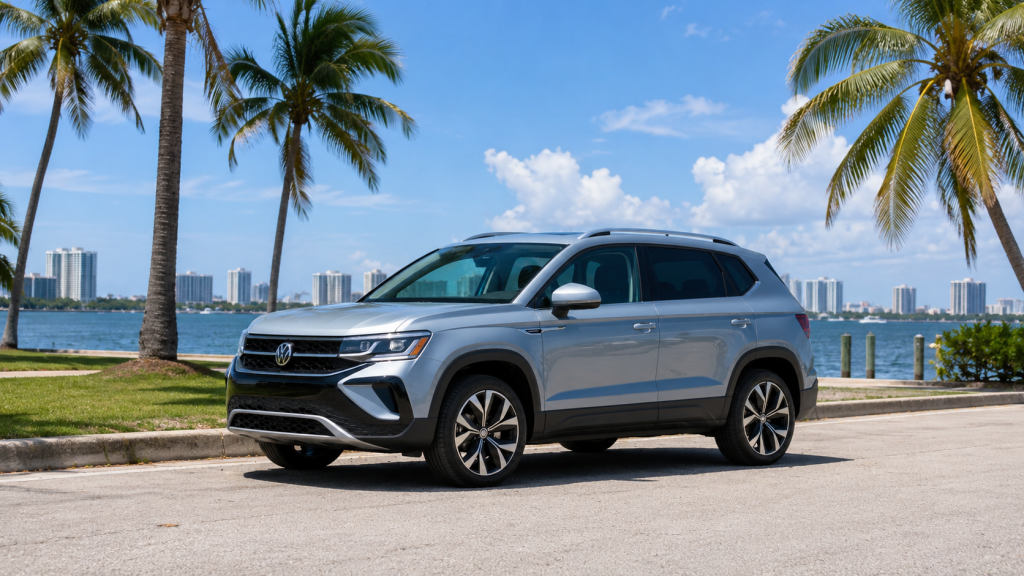
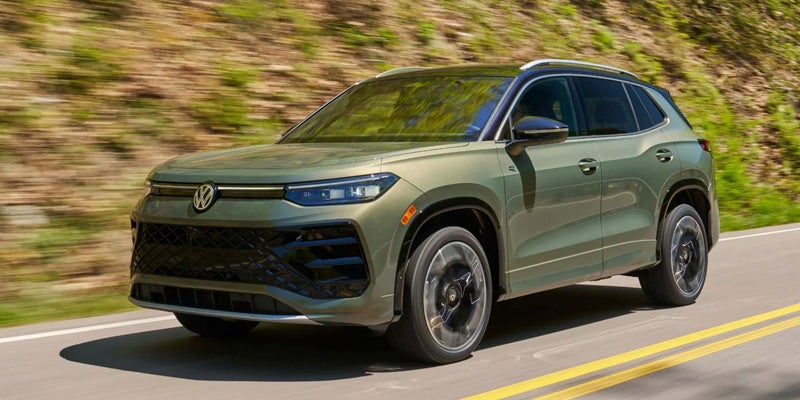
The Volkswagen Taos lease guide starts with a clear look at how monthly payments, mileage limits, lease terms, and upfront costs work before you sign. For compact SUV shoppers, the goal is not just finding a monthly number that fits. It is knowing what creates that number, what changes it, and what to review before choosing a lease structure. How Volkswagen Taos Lease Payments Are Calculated Why can two Volkswagen Taos lease payments look different when the vehicles seem similar? A lease payment is the cost of using the vehicle during the lease term, not the full purchase price of the SUV. The core calculation starts with the Taos price, the projected value at lease end, the lease term, taxes, fees, and the finance charge. The projected end value is called the residual value. If a Volkswagen Taos has a stronger projected residual, the lease payment can be lower because the amount being paid during the term is smaller. The money factor is the finance charge inside the lease. It works like an interest rate, but it is shown in lease format. Credit approval, lender program, term length, and current lease structure can all change that part of the payment. A shopper should review: more Vehicle price before lease calculation Residual value Money factor Term length Taxes and registration Acquisition fee Any amount paid upfront For a Volkswagen Taos lease, these details matter because a lower monthly payment can come from several places. It could come from a stronger residual, more money due upfront, a lower finance charge, or a longer term. The monthly amount only tells part of the story. How Mileage Options Change Monthly Cost How many miles should you choose on a lease? Lease mileage is the number of miles included each year before extra mileage charges apply. Mileage tiers change payment because mileage changes the projected value of the Volkswagen Taos at the end of the lease. A Taos returned with fewer miles is expected to hold more value than one returned with higher mileage. That value difference is built into the lease calculation from the start. A lower mileage lease can reduce the monthly payment because the projected end value is stronger. A higher mileage lease raises the monthly amount because more vehicle use is being priced into the agreement. That does not make one option better than another. It means the mileage tier should match how the SUV will be driven. If you commute, travel between cities, drive kids to school and activities, or use the Taos as the main household SUV, a higher mileage tier may create a cleaner lease structure. If the Taos will be used for shorter local trips, a lower mileage option may be enough. What shoppers should evaluate: Average weekly miles Commute distance Weekend driving Planned road trips Whether the Taos is the main vehicle Extra mileage cost listed in the lease Choosing too few miles can create lease end charges. Choosing more miles than needed raises the monthly payment. The right mileage tier comes from a clear estimate of how the Volkswagen Taos will fit into daily driving. What Due at Signing Includes What does due at signing include? Due at signing is the upfront amount paid when the Volkswagen Taos lease begins. This amount can include the first monthly payment, taxes, title, registration, acquisition fee, dealer documentation fee, and any capitalized cost reduction. A capitalized cost reduction is money paid upfront to reduce the amount being financed through the lease. This is where shoppers need to read carefully. A lease with a lower monthly payment might require more money upfront. Another lease may show a higher monthly payment but less due at signing. Both can be valid structures, but they are not the same cost layout. For the Volkswagen Taos, due at signing should be reviewed alongside the monthly payment. Looking at one without the other can make the lease seem cheaper or more expensive than it is. A clear lease review should separate: First payment Taxes and government fees Acquisition fee Documentation fee Upfront payment toward the lease Any optional protection products The main question is not only “What is the monthly payment?” It is “How much am I paying now, how much am I paying each month, and what charges could appear at lease end?” Residual Value, Term Length, and Lease End Review Residual value is the projected worth of the Volkswagen Taos when the lease ends. It is one of the most important numbers in the lease agreement because it shapes how much depreciation is included in the payment. A shorter lease term may have a stronger residual because the vehicle is newer at return. A longer term spreads the lease across more months, but it can include more depreciation. That is why a longer term is not always the lowest total cost path, even when the monthly number appears appealing. Lease end review also matters. When the Taos is returned, the vehicle is checked for mileage and wear. Normal use is expected, but excess wear, damage, or mileage above the selected tier can lead to added charges. For shoppers, the lease term should match how long they want to drive the Taos before switching vehicles. A shorter term can work well for drivers who like newer technology and updated safety features sooner. A longer term can appeal to shoppers who want a lower monthly structure and plan to stay within mileage limits. Leasing Versus Financing a Volkswagen Taos Is leasing or financing the better fit for a compact SUV? Leasing is a use based agreement, while financing is a purchase path. With a Volkswagen Taos lease, the shopper pays for the portion of the SUV used during the lease term, plus finance charges, taxes, and fees. At lease end, the driver can return the vehicle, buy it, or review another Volkswagen option. With financing, the shopper pays toward ownership of the full vehicle. Monthly payments may be higher, but each payment builds toward owning the Taos. Financing also removes lease mileage limits, which can matter for drivers with long commutes or changing travel needs. The main evaluation comes down to how the Taos will be used. Leasing can make sense for drivers who want a newer compact SUV every few years and can stay within mileage limits. Financing can make sense for drivers who want ownership, fewer mileage concerns, and a longer hold cycle. A Volkswagen Taos lease should be reviewed as a full structure. Monthly payment, mileage tier, due at signing, term length, residual value, and lease end rules all work together. When those pieces are clear, shoppers can choose a lease with fewer surprises and a stronger understanding of what they are agreeing to.

Volkswagen Taos vs Toyota Corolla Cross: Interior Space and AWD Confidence Compared

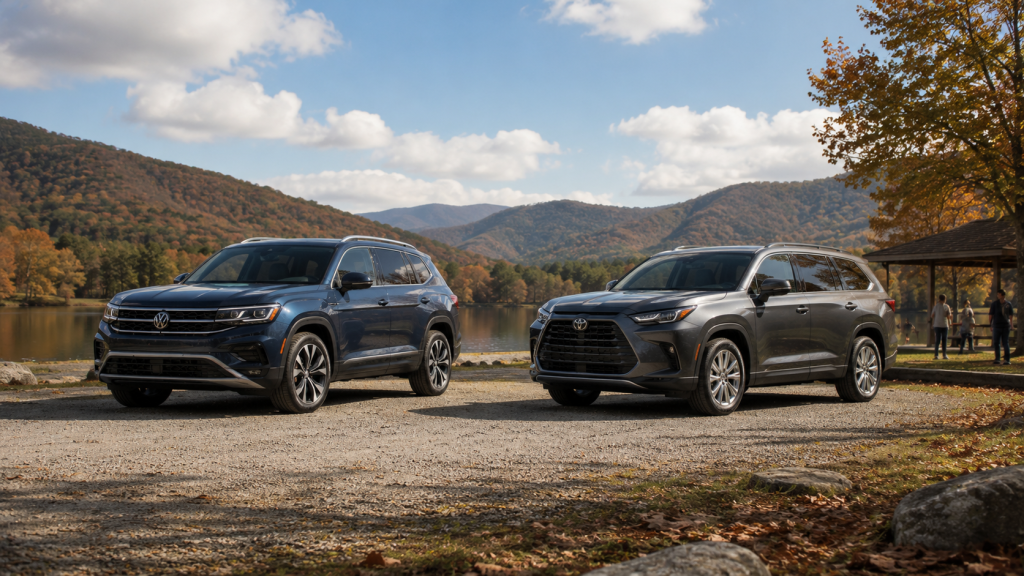
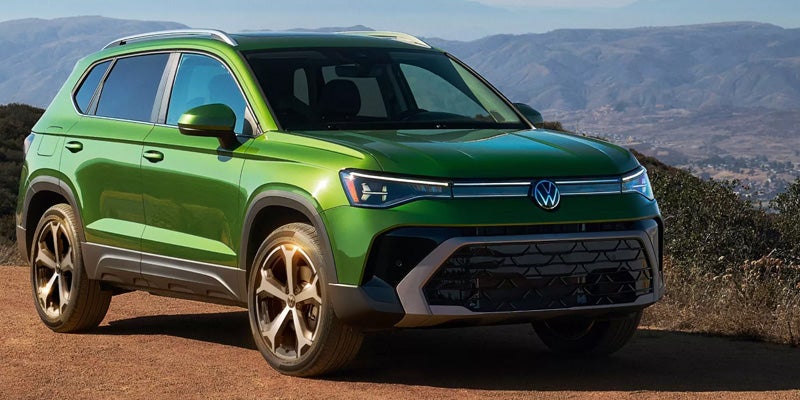
Choosing between the Volkswagen Taos and the Toyota Corolla Cross is not just about comparing specs. It is about understanding how each vehicle is engineered to support daily driving. Both models sit in the subcompact SUV segment, but they approach space, performance, and traction differently. Volkswagen builds the Taos around usable space and responsive performance, while the Corolla Cross focuses on simplicity and efficiency. The result is two vehicles that look similar on paper but feel very different in real-world driving. Understanding those differences helps you decide which one fits your routine, your environment, and how you actually drive. Interior Space and How Each SUV Uses It When comparing the Volkswagen Taos and Toyota Corolla Cross, interior space is not just about measurements. It is about how that space is designed to be used. The Volkswagen Taos is built on a platform that prioritizes passenger room and flexibility. This allows for more rear legroom and a more open cabin layout. The seating position, door openings, and cargo access points are all designed to make everyday entry, exit, and storage easier. From a system perspective: more The Taos uses a longer wheelbase to create more rear passenger space Cabin layout is designed for visibility and comfort over long drives Storage areas are positioned for accessibility, not just volume The Corolla Cross, in contrast, uses a more compact platform. While it offers practical space, the interior is structured with efficiency in mind rather than expansion. Rear seat space is more limited, and cargo access is slightly tighter in comparison. For daily driving, this translates to: The Taos feeling more open and accommodating for passengers The Corolla Cross focusing on compact practicality If your routine includes passengers, commuting, or longer drives, the Taos provides a more comfortable environment. If your priority is simplicity and compact maneuverability, the Corolla Cross delivers a more traditional approach. How AWD Systems Work in the Taos and Corolla Cross Does the VW Taos have AWD. The Volkswagen Taos offers an available all wheel drive system that automatically distributes power between the front and rear wheels to maintain traction. All wheel drive systems are designed to respond to changing road conditions. The key difference is how they react and how quickly they adjust. The Taos uses a system that continuously monitors traction and adjusts power distribution based on wheel slip and driving conditions. This creates a balanced response that supports stability on wet roads, uneven surfaces, and light off pavement conditions. The Corolla Cross also offers an available AWD system, but it is designed with a stronger focus on efficiency. It engages the rear wheels when needed but prioritizes fuel economy during normal driving conditions. From a real-world standpoint: The Taos AWD system provides a more engaged driving feel with consistent traction support The Corolla Cross AWD system activates as needed, focusing on efficiency over continuous engagement For drivers in areas with changing weather or road conditions, the Taos system offers a more confidence focused experience. It responds in real time and maintains stability without waiting for traction loss to occur. Engine Performance and Driving Feel Differences The difference in driving feel between the Taos and Corolla Cross comes down to how their engines deliver power. The Volkswagen Taos uses a turbocharged engine. A turbocharged engine uses forced air to increase power output without increasing engine size. This allows the engine to deliver strong torque at lower speeds. The Corolla Cross uses a naturally aspirated engine. A naturally aspirated engine relies on atmospheric pressure to draw air into the engine, resulting in a more gradual power delivery. From a technical perspective: Turbocharged engines provide quicker acceleration and more responsive power Naturally aspirated engines deliver steady and predictable performance In real-world driving: The Taos feels more responsive when merging, accelerating, or navigating traffic The Corolla Cross provides a smoother, more gradual acceleration experience For drivers who want a more engaging and responsive feel, the Taos offers a clear advantage. Its engine design supports quicker reactions and a more dynamic driving experience. Cargo Flexibility and Everyday Practicality Cargo space is not just about how much you can fit. It is about how easily you can use that space in everyday situations. The Volkswagen Taos is designed with a focus on usable cargo layout. The cargo area is shaped to accommodate larger items, and the rear seats fold to create a more continuous load floor. Key advantages include: Wider cargo opening for easier loading Flat load floor when seats are folded Flexible space for both daily items and larger cargo The Corolla Cross offers practical cargo space, but the layout is more compact. The shape of the cargo area and seat folding design can limit how larger items fit. For everyday use: The Taos supports a wider range of cargo needs The Corolla Cross handles basic storage efficiently but with less flexibility This difference becomes more noticeable when carrying larger items, traveling, or managing multiple passengers and cargo at the same time. Which SUV Fits Different Driving Needs Volkswagen Taos vs Toyota Corolla Cross which is better. The answer depends on how you prioritize space, performance, and driving confidence. The Volkswagen Taos is designed for drivers who want: More interior space for passengers and cargo A responsive engine that supports everyday driving demands An AWD system that provides consistent traction and confidence The Toyota Corolla Cross is suited for drivers who prioritize: Simplicity and predictable performance Fuel efficiency in daily commuting A compact design that is easy to manage in tight spaces Both vehicles serve the same segment, but they are built with different priorities. The Taos focuses on flexibility, responsiveness, and usable space. The Corolla Cross focuses on efficiency and simplicity. When you evaluate them side by side, the decision becomes less about which one is better overall and more about which one aligns with how you drive and what you need from your vehicle every day.

OEM vs Aftermarket Volkswagen Parts: Fitment, Warranty, and Long Term Cost Differences

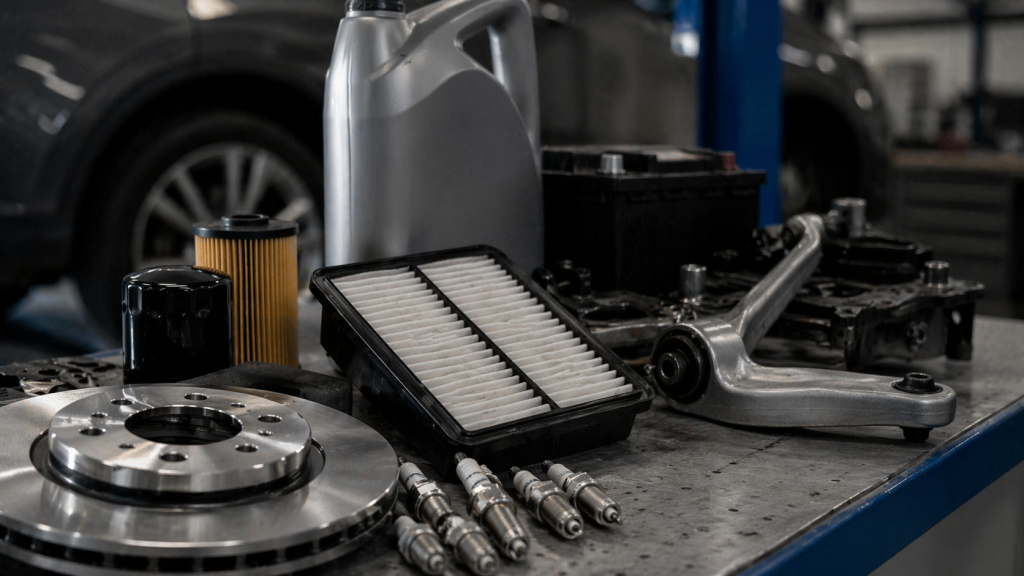
When your Volkswagen needs a replacement part, the decision often comes down to one question. Should you choose OEM or aftermarket. The answer is not just about price. It is about how your vehicle is engineered to function as a complete system. Every Volkswagen is built with precise tolerances, calibrated components, and integrated technology. The parts you choose directly affect how those systems perform, how long they last, and how confidently you can rely on your vehicle day to day. Understanding the difference between OEM and aftermarket Volkswagen parts requires looking beyond the surface. It means understanding how components are designed, how they interact with the vehicle, and what that means for long term ownership. How Volkswagen OEM Parts Are Engineered for System Compatibility Are OEM Volkswagen parts better than aftermarket. OEM parts are components designed and manufactured specifically for Volkswagen vehicles to match exact engineering specifications and system requirements. Volkswagen engineers every vehicle as a connected system. Components such as sensors, braking systems, engine parts, and electronic modules are all designed to work together within defined tolerances. OEM parts are built using the same specifications, materials, and testing standards as the original components installed at the factory. From a system perspective, this means: more Each OEM part matches the exact dimensions and tolerances required by the vehicle Materials are selected to perform under specific stress and temperature conditions Components integrate directly with onboard systems and software For example, a Volkswagen sensor is not just a standalone part. It communicates with the vehicle control modules, contributing to fuel efficiency, performance, and safety systems. An OEM replacement ensures that communication remains consistent and accurate. For Volkswagen owners, this level of compatibility reduces the risk of system imbalance. The vehicle continues to operate as designed, without introducing variables that could affect performance or reliability. How Aftermarket Parts Differ in Fitment and Material Consistency Aftermarket parts are components produced by third party manufacturers, often designed to fit multiple vehicle types rather than a single Volkswagen model. This broader design approach introduces variation. While some aftermarket parts meet high quality standards, others are built with different tolerances or materials that do not fully align with Volkswagen engineering. From a technical standpoint, differences can include: Slight variations in dimensions that affect fitment Material differences that impact durability and wear Inconsistent calibration with electronic systems These differences may not always be immediately visible. A part may install correctly but perform differently under real world conditions. For example, a braking component with different material composition may wear faster or respond differently under heat. A sensor with slightly different calibration may send inconsistent data to the vehicle’s systems. For Volkswagen drivers, this creates uncertainty. The vehicle may function, but not at the level it was engineered to achieve. Over time, these small variations can lead to larger issues, especially in systems that rely on precision. Warranty Protection and Risk Differences Between Part Types Do OEM Volkswagen parts come with a warranty. OEM Volkswagen parts include manufacturer backed warranty protection that supports both the part itself and its compatibility with the vehicle. Warranty protection is not just about replacing a faulty component. It is about maintaining the integrity of the entire system. When OEM parts are used, they align with Volkswagen standards, reducing the likelihood of conflicts between components. Aftermarket parts may offer their own warranties, but they do not always account for how the part interacts with the rest of the vehicle. If a non OEM part contributes to a larger issue, coverage may not extend to related repairs. From an ownership perspective, this creates a difference in risk: OEM parts support system wide reliability and protection Aftermarket parts may isolate coverage to the component itself Integration issues may not be covered under warranty For Volkswagen vehicles with advanced systems, including driver assistance and emissions controls, maintaining compatibility is critical. OEM parts help ensure that these systems continue to function within expected parameters. Long Term Cost and Ownership Impact Why are OEM Volkswagen parts more expensive. OEM parts reflect the cost of engineering precision, material quality, and system level testing required to ensure long term reliability. At first glance, aftermarket parts often appear more affordable. However, cost should be evaluated over the full lifecycle of the component. Key considerations include: Durability and how long the part is expected to last Risk of additional repairs caused by incompatibility Labor costs associated with repeat repairs An aftermarket part that fails earlier or affects surrounding components can lead to additional service visits. In contrast, an OEM part is designed to perform consistently within the system, reducing the likelihood of repeat issues. For Volkswagen owners, this means the initial cost difference does not always reflect the true cost of ownership. Long term value comes from reliability, consistency, and reduced downtime. How to Evaluate the Right Part Choice for Your Volkswagen Choosing between OEM and aftermarket parts requires understanding how the decision affects your specific vehicle and driving needs. The goal is not simply to replace a part. It is to maintain how your Volkswagen performs over time. When evaluating your options, consider: How critical the component is to vehicle performance or safety Whether the part interacts with electronic systems or sensors The importance of maintaining warranty coverage Your long term ownership plans For essential systems such as braking, engine components, and electronic modules, OEM parts provide consistency and reliability that align with Volkswagen engineering. For less critical components, some aftermarket options may be suitable, depending on quality and application. The key is understanding the role each part plays within the vehicle. Volkswagen vehicles are designed as integrated systems. Maintaining that integration is what supports performance, efficiency, and long term dependability. When you understand how OEM and aftermarket parts differ, the decision becomes clearer. It is not just about replacing a part. It is about preserving how your Volkswagen is designed to perform every time you drive it.

Volkswagen Service Transparency: How Diagnostics, Estimates, and Repair Verification Work

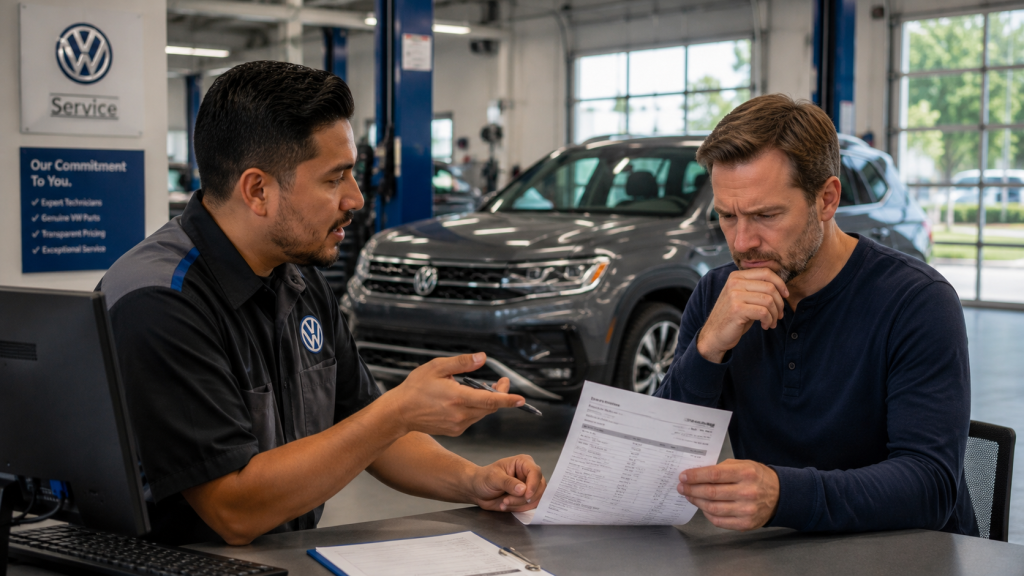
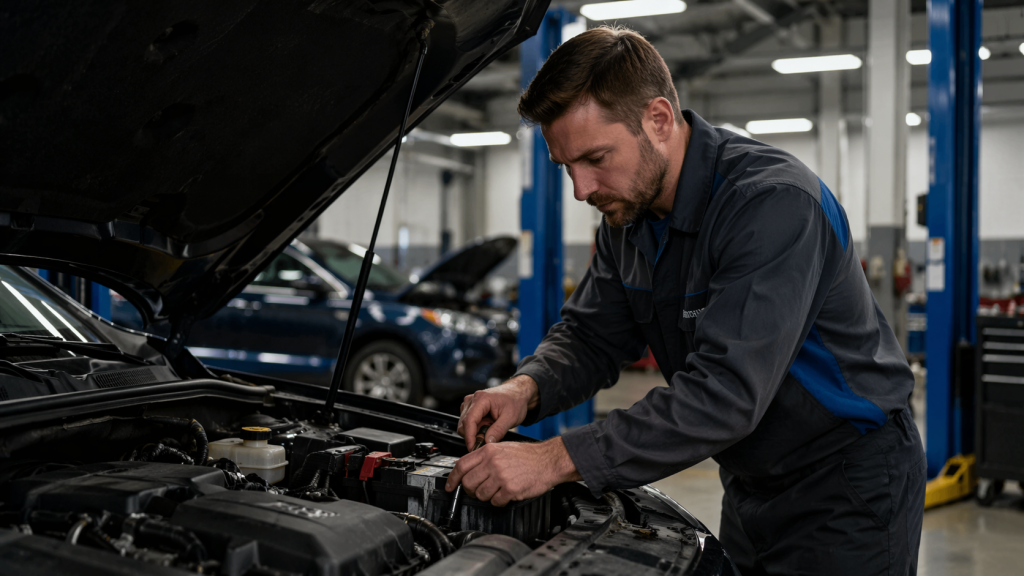
When something feels off in your Volkswagen, the first step is not replacing parts. It is understanding what the vehicle is telling you. Modern Volkswagen vehicles are built around interconnected systems that monitor performance in real time. When an issue occurs, the vehicle generates data. The diagnostic process is how that data is interpreted, tested, and confirmed before any repair is made. For many drivers, the biggest frustration is not the repair itself. It is the uncertainty around what is being done and why it costs what it does. Understanding how Volkswagen diagnostics, estimates, and repair verification work removes that uncertainty and shows how the process is designed to deliver accurate results the first time. How does a Volkswagen diagnostic test work A Volkswagen diagnostic test is a structured process that uses vehicle data, system testing, and technician analysis to identify the root cause of an issue. It begins with a scan, but it does not end there. Volkswagen vehicles use onboard sensors and control modules to monitor systems such as the engine, transmission, braking, and emissions. When something operates outside expected parameters, the system stores a fault code. The scan tool retrieves these codes, but a code is not a diagnosis. It is a starting point. From a system perspective: more A fault code identifies where the issue is detected It does not confirm why the issue is happening Multiple conditions can trigger the same code Technicians use this information to begin testing. This may include: Checking electrical signals and sensor data Inspecting mechanical components Running system specific tests to isolate the cause For example, a fault code related to engine performance could be caused by a sensor issue, a wiring problem, or a mechanical fault. The diagnostic process determines which one is actually responsible. For Volkswagen drivers, this means diagnostics are not guesswork. They are a methodical process designed to identify the exact issue before any repair begins. How repair estimates are built from diagnostic results A repair estimate is built after the diagnostic process identifies the root cause of the issue. The estimate is not based on the fault code alone. It is based on confirmed findings. Once the issue is identified, technicians determine: What component or system is affected What parts are required How much labor is needed to complete the repair This creates a structured estimate that reflects the actual work required. The process works like this: Diagnosis identifies the problem The repair plan outlines the solution The estimate calculates the cost of that solution From a customer standpoint, this is where transparency matters. A clear estimate connects the problem to the repair, showing why each step is necessary. For Volkswagen vehicles, where systems are highly integrated, accurate estimates prevent unnecessary repairs. Instead of replacing multiple components based on assumption, the process focuses on fixing the confirmed issue. How technicians verify and confirm the repair Repair verification is the process of confirming that the issue has been resolved after the repair is completed. This step ensures that the vehicle is functioning as intended before it is returned to the driver. Verification is critical because resolving a fault code does not always mean the underlying issue is fixed. Technicians must confirm that the system is operating correctly under real conditions. This includes: Clearing fault codes and monitoring for return issues Re testing the affected system Confirming that performance matches expected values In many cases, technicians will: Perform road tests to evaluate real-world operation Recheck sensor data to ensure accuracy Confirm that no related issues are present For Volkswagen drivers, this step is what prevents repeat visits. It ensures that the repair is complete, not just temporary. Verification connects the entire process. It confirms that the diagnosis was correct, the repair was effective, and the vehicle is ready to perform as expected. Why do Volkswagen diagnostics cost money Volkswagen diagnostics cost money because they involve time, expertise, and specialized equipment required to accurately identify a problem. The value of diagnostics is in preventing incorrect repairs. From a system perspective, diagnostics include: Advanced scan tools designed for Volkswagen systems Technician expertise to interpret data and perform testing Time spent isolating the exact cause of the issue Without diagnostics, repairs become guesswork. This can lead to: Replacing parts that are not faulty Increased costs from repeated repairs Longer downtime for the vehicle The diagnostic process reduces these risks by ensuring that the correct issue is identified before any repair begins. For Volkswagen owners, this means the diagnostic cost is not an extra step. It is the step that makes every other step accurate. Understanding this process changes how you view service. Diagnostics, estimates, and verification are not separate pieces. They are a connected system designed to deliver clarity, accuracy, and confidence in every repair.

Volkswagen Tiguan Lease Guide: Payment Structure, Mileage Options, and What Impacts Monthly Cost

Leasing a Volkswagen Tiguan is not just about the monthly number you see. It is about how that number is built. Every lease payment is calculated using a structured system that reflects how the vehicle will be used, how much value it will retain, and how long you plan to drive it. Volkswagen approaches this with the same philosophy it applies to its vehicles. Clear engineering, practical design, and real-world usability. The Tiguan lease structure follows that same logic. It is designed to balance flexibility, cost control, and predictable ownership experience. Understanding how each part of the lease works is what allows you to evaluate your options with confidence instead of guessing at the monthly payment. How does a Volkswagen Tiguan lease work A Volkswagen Tiguan lease works by calculating how much of the vehicle’s value you will use during your lease term. This is called depreciation, and it forms the foundation of your monthly payment. At a system level, a lease payment is built using three core components: more The starting price of the Tiguan The estimated value at the end of the lease The cost of financing the lease The difference between the starting price and the estimated end value determines how much value you are paying for during the lease. From a practical standpoint: You are not paying for the full vehicle You are paying for the portion you use The lease ends before full ownership is reached For Tiguan drivers, this creates a lower monthly payment compared to financing the full vehicle. It also creates flexibility. At the end of the lease, you can choose to return the vehicle, replace it, or explore other options. This structure is what makes leasing appealing for drivers who want predictable costs and the ability to move into newer models more frequently. What is residual value and how does it affect your payment Residual value is the estimated worth of the Volkswagen Tiguan at the end of your lease term. It is one of the most important factors in determining your monthly payment. Residual value directly reduces how much you pay. The concept is simple: Higher residual value means less depreciation Less depreciation means lower monthly payments Volkswagen Financial Services determines this value based on expected market performance, vehicle demand, and historical data. For example: A Tiguan with strong resale value will have a higher residual A higher residual reduces the portion of the vehicle you are paying for From a system perspective, residual value acts as a boundary. It defines how much of the vehicle’s value remains after your lease ends. For Tiguan shoppers, this is what makes two similar vehicles have different lease payments. Even small differences in residual value can significantly change the monthly cost. Understanding residual value helps you see beyond the payment. It shows you how much of the vehicle you are actually financing during the lease. How mileage options impact your lease Mileage is not just a usage limit. It is a core factor in how your Tiguan lease is structured. When you select a mileage tier, you are defining how much wear and value loss the vehicle is expected to experience. This directly affects residual value. The relationship works like this: Higher mileage lowers residual value Lower residual value increases monthly payment Common mileage tiers include: Lower mileage for drivers with short commutes Standard mileage for average driving patterns Higher mileage for frequent or long-distance driving Each tier adjusts how the lease is calculated. From a real-world perspective: Choosing too low of a mileage limit can result in overage charges Choosing a higher mileage tier increases your monthly payment but reduces risk For Tiguan drivers, this becomes a balance between cost and flexibility. The right mileage option aligns with how you actually drive, not what seems cheapest upfront. What affects Volkswagen Tiguan monthly lease payments Volkswagen Tiguan lease payments vary because multiple factors influence how the lease is calculated. Understanding these factors is what allows you to evaluate different offers with clarity. Key variables include: Vehicle price and trim level Residual value Lease term length Mileage selection Interest rate equivalent Incentives and promotions Each of these elements changes how the payment is built. For example: A lower negotiated price reduces total depreciation A shorter lease term increases monthly cost Incentives can reduce the starting price or overall cost Volkswagen Financial Services often provides lease incentives that directly lower monthly payments. These can vary based on market conditions, inventory, and timing. For Tiguan shoppers, this means no two lease offers are exactly the same. The monthly payment reflects a combination of choices and market variables. Understanding these inputs gives you control. Instead of focusing only on the payment, you can evaluate what is driving that number and whether it fits your needs. Leasing a Tiguan is not about guessing what you can afford. It is about understanding how the system works and using that knowledge to build a payment that aligns with how you drive and what you value.

Volkswagen Maintenance Plan Cost Guide — Coverage, Value, and Long Term Ownership Benefits

Owning a vehicle involves more than the initial purchase price. Long term ownership costs include routine maintenance, scheduled inspections, and replacement of service components over time. Drivers researching Volkswagen maintenance plans often want to understand how prepaid maintenance works, what services are included, and whether locking in maintenance coverage can reduce the unpredictability of future service expenses. Volkswagen offers prepaid maintenance options designed to cover factory recommended service intervals using Volkswagen trained technicians and Genuine VW Parts. Understanding how these plans work helps drivers evaluate whether a prepaid maintenance plan fits their ownership strategy and how it compares with paying for service individually as maintenance needs arise. A closer look at how Volkswagen maintenance plans are structured explains why many drivers consider prepaid maintenance when planning long term vehicle ownership. How Volkswagen Maintenance Plans Work Many drivers researching Volkswagen ownership ask what a Volkswagen maintenance plan actually includes and how prepaid scheduled maintenance differs from paying for each service visit individually. A Volkswagen prepaid maintenance plan is a service contract that covers the cost of specific factory recommended maintenance intervals in advance. Vehicle manufacturers define scheduled maintenance intervals based on mileage and operating conditions. These intervals are designed to ensure that key vehicle systems continue to operate properly throughout the life of the vehicle. more Volkswagen maintenance plans follow these manufacturer defined service intervals. When a driver purchases prepaid maintenance coverage, the cost of these scheduled service visits is paid upfront rather than individually when each maintenance milestone occurs. This approach creates a predictable ownership structure. Instead of encountering maintenance expenses at different points during the ownership cycle, the driver locks in the cost of covered service intervals at the time the plan is purchased. For drivers who prefer predictable ownership budgeting, prepaid maintenance can simplify the long term cost of maintaining the vehicle. What Volkswagen Maintenance Plans Cover at Scheduled Service Intervals Another common question shoppers ask is what services are actually included in a Volkswagen maintenance plan. Maintenance plans typically cover services outlined in the factory recommended maintenance schedule for each Volkswagen model. Scheduled maintenance services focus on preventive care that helps maintain vehicle reliability and performance over time. These services are performed at defined mileage intervals and often include inspections and replacement of components that naturally wear during everyday driving. Typical services included in Volkswagen scheduled maintenance intervals may include: • engine oil and oil filter replacement • multi point vehicle inspections • tire rotation when applicable • cabin air filter replacement at designated intervals • brake system inspection • fluid level checks and system evaluations These services are designed to help maintain proper operation of engine systems, braking components, and vehicle safety features. By following manufacturer defined maintenance schedules, technicians can identify potential wear or developing issues early, helping maintain vehicle performance throughout the ownership period. How Prepaid Maintenance Changes Long Term Ownership Cost One of the most important financial advantages of prepaid maintenance is the ability to convert future service expenses into a fixed cost. Many drivers researching Volkswagen maintenance plans ask whether prepaid coverage actually saves money compared with paying for each service visit separately. Prepaid maintenance does not eliminate the need for routine service, but it changes how those costs are structured. When maintenance is purchased as a plan, the price of covered services is locked in at the time the plan is purchased. This protects the owner from potential increases in parts and labor pricing that may occur over the life of the vehicle. For example, routine services such as oil changes or scheduled inspections may gradually increase in cost as labor rates and parts pricing change over time. A prepaid maintenance plan secures the price of covered service intervals before those changes occur. Drivers evaluating maintenance plans often consider several financial factors: • how frequently scheduled maintenance will occur during ownership • whether service pricing is likely to increase over time • how predictable they want long term maintenance costs to be For owners who plan to keep their vehicle for several years, locking in service pricing can provide budgeting stability and reduce uncertainty about future maintenance expenses. Why OEM Service Quality Matters in a Volkswagen Maintenance Plan Maintenance plan value is not determined only by cost. Service quality also plays a role in long term vehicle performance and reliability. Volkswagen maintenance plans are designed to be performed by Volkswagen certified technicians who are trained specifically on Volkswagen vehicles and systems. These technicians use diagnostic tools and service procedures designed by Volkswagen engineers. Service quality can influence several aspects of vehicle ownership: • accurate diagnosis of developing mechanical issues • correct service procedures for complex vehicle systems • use of parts engineered for specific Volkswagen models Volkswagen maintenance plans also emphasize the use of Genuine VW Parts during scheduled service visits. These components are designed to match the engineering specifications of Volkswagen vehicles. Using manufacturer designed parts helps maintain proper fit, performance, and durability across major vehicle systems such as engine components, braking systems, and filtration systems. For drivers who want maintenance performed according to manufacturer standards, OEM backed service can provide additional confidence in the quality of scheduled maintenance. How to Evaluate Whether a Volkswagen Maintenance Plan Fits Your Ownership Strategy Not every driver approaches vehicle ownership the same way. Some drivers prefer to handle maintenance expenses as they occur, while others prefer to plan maintenance costs in advance. Evaluating whether a Volkswagen maintenance plan fits your ownership strategy typically involves considering several factors related to driving habits, ownership duration, and cost preferences. Drivers often evaluate maintenance plans by considering: • how long they plan to keep the vehicle • how many miles they expect to drive each year • whether they prefer fixed ownership costs • how important manufacturer service standards are to them Another factor that influences maintenance planning is the included Carefree Maintenance coverage available on many new Volkswagen vehicles. This program covers the first scheduled maintenance visits during the early ownership period. After those initial services are completed, additional prepaid maintenance plans may extend coverage for later scheduled service intervals. Understanding how included maintenance coverage and optional prepaid plans work together can help drivers determine whether extended maintenance coverage aligns with their long term ownership plans. Understanding the Long Term Value of Volkswagen Maintenance Planning Routine maintenance plays an important role in preserving vehicle performance, reliability, and long term ownership value. Scheduled service intervals help ensure that engine systems, braking components, and other critical systems continue to operate properly throughout the life of the vehicle. Volkswagen maintenance plans provide a structured way to approach that responsibility by aligning service visits with manufacturer recommended maintenance schedules while locking in the cost of those services in advance. For many drivers, this structure offers a balance between predictable ownership costs and manufacturer guided service quality. Understanding how maintenance plans work and what they cover allows vehicle owners to make more informed decisions about how they plan for long term vehicle care.

2026 Volkswagen Golf GTI Performance Guide — Power, Handling, and Engineered VW Precision

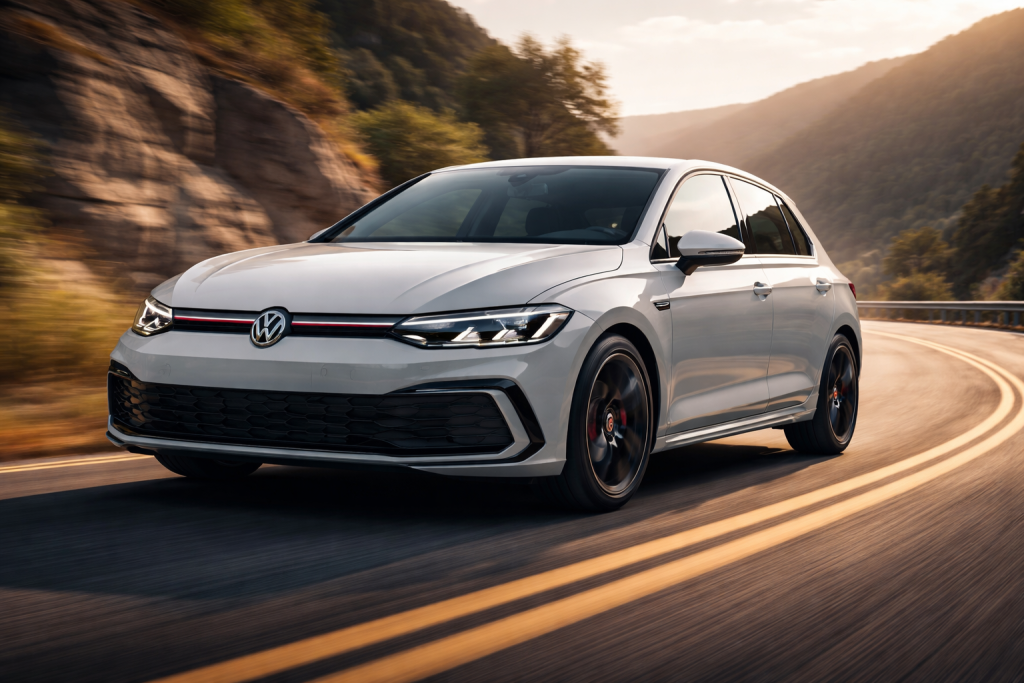
For decades the Volkswagen Golf GTI has represented one of the most recognizable examples of the modern hot hatch. Drivers searching for the 2026 Volkswagen Golf GTI are usually trying to understand more than just horsepower numbers. They want to know how the GTI produces quick acceleration, why it feels so composed in corners, and how Volkswagen engineering continues to balance everyday usability with enthusiast-level performance. The appeal of the 2026 Volkswagen Golf GTI comes from a combination of mechanical systems working together rather than a single performance figure. Turbocharged power delivery, electronically controlled traction systems, precise chassis tuning, and adaptable suspension technology all contribute to the GTI’s reputation as a performance car that remains practical enough for daily driving. Understanding how these systems work helps explain why the GTI continues to stand out in the hot hatch segment. Turbocharged Power Delivery in the 2026 Volkswagen Golf GTI Many shoppers researching the 2026 Volkswagen Golf GTI ask what engine the vehicle uses and why the GTI feels responsive even at everyday speeds. The 2026 Volkswagen Golf GTI uses a turbocharged 2.0 liter four cylinder engine designed to produce strong torque across a broad range of engine speeds. Turbocharging increases engine output by compressing incoming air before it enters the combustion chamber. This process allows the engine to burn more fuel efficiently during each combustion cycle, producing more power from a relatively compact engine displacement. The 2026 Volkswagen Golf GTI turbocharged engine delivers strong low end torque, which plays an important role in how the car feels in real world driving. Instead of requiring high engine speeds to produce power, the GTI engine generates meaningful pulling force earlier in the rev range. For drivers, this creates several noticeable benefits: more • quicker response when accelerating from traffic lights • confident highway merging without excessive downshifting • stronger mid range acceleration when passing slower vehicles The result is performance that feels accessible and immediate rather than dependent on high rpm driving. How the Volkswagen Golf GTI VAQ Differential Improves Cornering Grip One of the most important handling technologies in the 2026 Volkswagen Golf GTI is the VAQ electronically controlled limited slip differential. Many drivers ask how a front wheel drive performance car maintains traction during aggressive cornering. The Volkswagen Golf GTI VAQ differential is designed to actively manage how torque is distributed between the front wheels. Unlike a traditional open differential, which sends power equally to both wheels regardless of traction, the VAQ system can direct more power to the wheel with greater grip. The system uses electronically controlled clutch packs that respond to steering input, throttle position, and wheel speed sensors. When the vehicle detects that one front wheel is losing traction during a turn, the VAQ differential adjusts torque distribution to maintain forward momentum and reduce wheelspin. This technology improves performance in several ways: • increased traction when accelerating out of corners • reduced inside wheelspin during aggressive driving • improved steering stability under power For drivers exploring winding roads or spirited driving situations, the Volkswagen Golf GTI differential allows the car to maintain composure while delivering power efficiently. Chassis Tuning and Steering Precision in the Golf GTI Handling balance is another area where the 2026 Volkswagen Golf GTI continues to distinguish itself. Many enthusiasts describe the GTI as predictable and confidence inspiring, but the reasons behind that reputation come from careful chassis engineering. The Volkswagen Golf GTI chassis combines precise steering calibration with suspension geometry designed to keep the vehicle stable during directional changes. Steering input is translated quickly into front wheel movement, allowing the driver to place the vehicle accurately when entering corners. At the same time, the suspension system works to control body motion while maintaining tire contact with the road surface. Maintaining consistent tire grip is critical because the tires ultimately determine how effectively the vehicle can accelerate, brake, and corner. Volkswagen engineers tune the Golf GTI chassis to maintain a balance between responsiveness and stability. The goal is not simply maximum cornering force, but predictable handling that allows drivers to understand how the vehicle will react in different situations. For buyers comparing hot hatch options, several chassis characteristics are worth evaluating: • steering feedback and response accuracy • front axle traction during corner entry and exit • body control during quick directional changes • overall driver confidence during spirited driving These factors often determine how enjoyable a performance car feels behind the wheel. Adaptive Damping and Ride Control in the 2026 Volkswagen Golf GTI Performance vehicles often face a challenge between sharp handling and ride comfort. The 2026 Volkswagen Golf GTI adaptive damping system helps manage this balance by allowing the suspension to adjust its behavior depending on driving conditions. Adaptive dampers control how quickly the suspension compresses and rebounds when encountering road irregularities. By adjusting damping forces electronically, the Volkswagen Golf GTI suspension can provide firm body control during aggressive driving while maintaining smoother ride quality during normal commuting. This flexibility helps the GTI serve multiple roles. During spirited driving, firmer damping helps reduce body roll and maintain stable cornering behavior. During daily driving, softer suspension responses help absorb road imperfections and improve ride comfort. Drivers evaluating performance vehicles often consider how suspension systems affect everyday usability. The adaptive damping system in the Volkswagen Golf GTI allows the vehicle to remain comfortable enough for regular commuting while still supporting enthusiastic driving when desired. Why the 2026 Volkswagen Golf GTI Continues to Define the Hot Hatch Segment The term hot hatch refers to vehicles that combine compact hatchback practicality with meaningful performance capability. The 2026 Volkswagen Golf GTI continues to define this concept by blending mechanical performance systems with everyday usability. Unlike more extreme performance vehicles that prioritize track performance over practicality, the Golf GTI maintains the functional advantages of the hatchback design. The rear cargo area allows drivers to carry luggage, sports equipment, or everyday items without sacrificing performance capability. Several characteristics contribute to the Golf GTI’s continued popularity: • responsive turbocharged power delivery • advanced traction management through the VAQ differential • precise steering and chassis balance • adaptable suspension behavior for daily driving • hatchback practicality for cargo flexibility For drivers who want an engaging driving experience without giving up everyday practicality, the 2026 Volkswagen Golf GTI represents a well balanced approach to performance engineering. Volkswagen’s long history of refining the GTI platform shows how thoughtful engineering decisions can shape a vehicle’s character. By combining turbocharged efficiency, intelligent traction control, and adaptable chassis technology, the Golf GTI remains one of the most recognizable and respected hot hatch designs in modern automotive engineering.

Volkswagen APR & Lease Options for 2026: Understanding Rates, Residual Value, and Smart VW Financing Choices

When drivers begin researching a new vehicle purchase, one of the most important questions quickly becomes how to structure the financing. Many shoppers exploring Volkswagen vehicles in 2026 are comparing promotional APR offers, lease programs, and manufacturer incentives to understand how each option affects their monthly payment and long term ownership costs. While advertisements often highlight attractive rates or lease payments, understanding the financial structure behind these programs helps drivers make more informed decisions. Volkswagen financing programs are designed to make vehicle ownership accessible and transparent, reflecting the brand’s commitment to practical innovation and dependable mobility for everyday drivers. Financing structures such as APR loans and lease programs allow buyers to select an approach that aligns with their driving habits, budget goals, and long term vehicle plans. Learning how APR, residual value, incentives, and lease structures work provides clarity when evaluating Volkswagen financing choices. How Volkswagen APR Financing Works Many drivers researching Volkswagen APR offers ask how interest rates influence the total cost of financing a vehicle. Annual Percentage Rate, or APR, is the interest rate applied to an auto loan that determines the cost of borrowing money to purchase the vehicle. The APR represents the yearly interest charged on the remaining loan balance over the life of the loan. With Volkswagen APR financing programs, buyers borrow the cost of the vehicle and repay the loan through monthly installments over a set period, often between 36 and 72 months. Each monthly payment includes two components: repayment of the loan principal and interest charged by the lender. The loan term plays a major role in how APR affects the total cost of financing. A shorter loan term results in higher monthly payments but reduces the total interest paid over time. A longer loan term lowers monthly payments but increases the amount of interest paid across the life of the loan. When evaluating Volkswagen APR financing offers, drivers often compare several factors: more • the promotional APR rate being offered • the length of the loan term • the total interest paid over the life of the loan Understanding these variables helps buyers determine whether a promotional APR program provides meaningful savings compared with standard financing rates. How Volkswagen Lease Payments Are Calculated Shoppers comparing vehicle financing options frequently ask why lease payments are often lower than loan payments. A vehicle lease is structured differently from a traditional auto loan. Instead of paying for the entire cost of the vehicle, lease payments cover only the portion of the vehicle’s value that is expected to be used during the lease period. This portion of the vehicle’s value is known as depreciation. Because the driver is essentially paying for the vehicle’s depreciation rather than its full purchase price, lease payments are often lower than traditional loan payments. The monthly lease payment for a Volkswagen vehicle is typically determined by several variables: • the negotiated price of the vehicle • the length of the lease term • the predicted value of the vehicle at the end of the lease • the financing factor used by the leasing company These factors combine to determine how much of the vehicle’s value is consumed during the lease and therefore how much the driver pays each month. For drivers who prefer driving newer vehicles every few years, leasing can provide access to the latest Volkswagen technology and design updates without committing to long term ownership. Understanding Residual Value in Volkswagen Lease Programs Buyers considering a lease often ask what residual value means and why it has such a large influence on lease payments. Residual value is the projected value of a vehicle at the end of the lease term. Leasing companies estimate how much the vehicle will be worth after several years of use based on historical depreciation patterns and market demand. The higher the predicted residual value of the vehicle, the less depreciation occurs during the lease period. Because the driver only pays for the depreciation portion of the vehicle’s value, a higher residual value generally results in lower monthly lease payments. For example, if a vehicle is expected to retain a large portion of its value after three years, the leasing company only charges the driver for the difference between the original price and the predicted future value. Residual value plays a major role in determining whether leasing is an attractive financial option. Vehicles that maintain strong resale value often produce more competitive lease payments. How Volkswagen Incentives Influence Financing Costs Vehicle manufacturers frequently offer incentives designed to make financing or leasing more affordable. These incentives may appear as promotional APR offers, lease support programs, or purchase rebates. Volkswagen incentives can influence financing in several ways depending on how they are structured. Some incentives lower the interest rate on financing programs, while others reduce the purchase price of the vehicle before financing calculations begin. Common types of incentives that may appear in Volkswagen financing programs include: • promotional APR offers that reduce borrowing costs • manufacturer rebates applied to the vehicle purchase price • lease support programs that reduce monthly payments Because incentives change throughout the year based on market conditions and vehicle availability, shoppers often evaluate multiple financing structures to determine which program provides the greatest overall value. Choosing Between Leasing and Financing a Volkswagen One of the most common questions shoppers ask is whether leasing or financing a vehicle is the better choice. The answer depends largely on driving habits and long term ownership goals. Financing a Volkswagen through an auto loan allows drivers to build ownership equity in the vehicle. Once the loan is paid off, the vehicle belongs entirely to the owner and can be driven without monthly payments. Leasing, on the other hand, allows drivers to pay for the portion of the vehicle they use during a defined time period. At the end of the lease, drivers may choose to return the vehicle, begin a new lease, or purchase the vehicle for its residual value. Drivers evaluating these two options often consider several decision factors: • how many miles they drive each year • whether they prefer long term ownership or newer vehicles more frequently • how important lower monthly payments are compared with long term vehicle ownership By understanding how Volkswagen APR financing, lease payments, residual value, and incentives work together, shoppers can evaluate which financing structure best fits their financial goals and driving lifestyle.

2026 Volkswagen Atlas Cross Sport Buyer’s Guide – Style, Comfort, and VW Performance Engineering

The midsize SUV segment continues to evolve as drivers look for vehicles that combine practicality with modern design. Many shoppers researching the 2026 Volkswagen Atlas Cross Sport are trying to understand how this SUV balances sleek coupe inspired styling with everyday comfort, performance, and cargo versatility. The Atlas Cross Sport is designed for drivers who want the space and capability of a midsize SUV without sacrificing modern design and responsive engineering. Volkswagen approaches vehicle development with a focus on real world usability and thoughtful engineering. Vehicles are designed to deliver dependable mobility while integrating technology and efficiency in ways that support everyday driving. This philosophy reflects the brand’s commitment to accessible innovation and human centered mobility. Understanding how the Atlas Cross Sport engine, drivetrain, interior layout, and digital technology work together helps shoppers evaluate whether this SUV fits their driving needs. Turbocharged Engine Performance in the 2026 Volkswagen Atlas Cross Sport Many drivers researching the 2026 Volkswagen Atlas Cross Sport ask what engine powers the SUV and how a turbocharged engine improves performance. A turbocharged engine is an internal combustion engine that uses exhaust driven turbines to compress incoming air before it enters the combustion chamber. By forcing more air into the engine cylinders, the engine can burn more fuel and generate greater power without increasing engine size. more The 2026 Volkswagen Atlas Cross Sport turbocharged engine uses this principle to deliver strong acceleration while maintaining efficient fuel consumption. Because turbochargers capture energy from exhaust gases that would otherwise be wasted, the system increases engine output without requiring a larger engine block. For drivers, this design offers several real world benefits: • quicker acceleration when merging onto highways • responsive power delivery during passing maneuvers • improved fuel efficiency compared with larger engines In a midsize SUV, this balance of power and efficiency is particularly important because the vehicle must move additional weight from passengers and cargo while still maintaining comfortable everyday driving performance. How the Atlas Cross Sport AWD System Manages Traction and Stability Shoppers comparing midsize SUVs often want to know how the 2026 Volkswagen Atlas Cross Sport all wheel drive system improves traction in changing road conditions. All wheel drive systems distribute engine power to both the front and rear wheels to improve stability and traction. The Atlas Cross Sport AWD system continuously monitors wheel speed, steering input, and road conditions through onboard sensors. When the system detects wheel slip or reduced traction, it can redirect torque between the front and rear axles to help maintain control. Instead of relying on a fixed power split, the Atlas Cross Sport AWD system adjusts power delivery in real time depending on the road surface. This dynamic response provides advantages in a variety of driving environments: • wet pavement where tire grip may decrease • snow covered roads where traction can vary between wheels • uneven terrain where different wheels encounter different levels of resistance For drivers in regions that experience seasonal weather changes, this system improves confidence by helping the SUV maintain predictable handling and stability. Interior Comfort and Cargo Design in the Atlas Cross Sport Families researching midsize SUVs often ask how the Atlas Cross Sport interior balances passenger comfort with cargo space, especially since coupe inspired SUVs sometimes reduce practicality. The 2026 Volkswagen Atlas Cross Sport interior is built around a long wheelbase platform that allows the vehicle to maintain generous cabin space even with its sloping roofline design. By carefully positioning the rear seating area and cargo floor, Volkswagen engineers preserve interior room while maintaining the vehicle’s athletic exterior profile. The Atlas Cross Sport cargo area is designed to provide flexible storage for everyday activities. The rear seats can be folded to expand cargo capacity, creating a flat loading surface for larger items. When evaluating cargo functionality, shoppers often consider several factors: • the height of the cargo floor for easier loading • the width between wheel wells for larger items • how easily rear seats fold to expand storage These design considerations allow the Atlas Cross Sport interior to remain practical for grocery trips, sports equipment, luggage, or outdoor gear while still delivering the distinctive styling many drivers prefer. Digital Cockpit Technology and Driver Information Systems Modern SUV buyers frequently ask how digital dashboards improve everyday driving rather than simply adding larger screens. The Volkswagen Digital Cockpit system in the 2026 Volkswagen Atlas Cross Sport replaces traditional analog gauges with a configurable digital display positioned directly in front of the driver. This system allows drivers to customize how vehicle information is presented. Navigation instructions, driver assistance alerts, and vehicle performance data can be displayed within the same digital interface. Instead of looking at multiple screens across the dashboard, the driver can access key information in a central location. This approach improves driving awareness by organizing critical data into one easily readable display. Drivers can quickly monitor: • navigation directions and route guidance • vehicle speed and performance information • driver assistance alerts from safety systems By integrating these systems together, the Atlas Cross Sport digital cockpit reduces visual distraction and allows drivers to focus more attention on the road. Safety and Driver Assistance Technology in the Atlas Cross Sport Safety technology has become one of the most important factors for drivers researching midsize SUVs. The 2026 Volkswagen Atlas Cross Sport driver assistance systems use sensors, cameras, and radar technology to monitor the vehicle’s surroundings. These systems are designed to help drivers detect potential hazards and maintain safe driving conditions. Driver assistance technologies typically support several areas of driving awareness: • forward collision monitoring that watches for sudden traffic slowdowns • lane monitoring systems that help drivers stay centered within their lane • adaptive cruise control that adjusts speed to maintain safe following distance These systems do not replace driver attention, but they provide additional layers of support that can help drivers react more quickly to changing traffic conditions. By combining advanced safety technology with practical interior design and efficient engine performance, the 2026 Volkswagen Atlas Cross Sport delivers a balanced approach to modern SUV engineering.

Volkswagen Maintenance Plan Cost Guide – Coverage, Value, and Long-Term Ownership Benefits

Planning for vehicle ownership costs is as important as choosing the right model. Volkswagen maintenance plans are built to remove uncertainty by bundling factory scheduled service into a predictable structure that aligns with how modern Volkswagen vehicles are engineered to operate. Rather than reacting to service needs as they arise, these plans support consistent care that protects performance, reliability, and long-term value. This guide explains what Volkswagen maintenance plans typically cover, how costs compare to pay-as-you-go service, and why OEM-backed maintenance matters over years of ownership. What Volkswagen Maintenance Plans Typically Cover Volkswagen maintenance plans focus on scheduled services required at specific mileage or time intervals. These intervals are determined by engineering requirements tied to lubrication cycles, component wear patterns, and system calibration. Common coverage areas include: Oil and filter changes using Volkswagen-approved oil specifications Tire rotations designed to maintain even wear and handling balance Multi-point inspections covering brakes, suspension, steering, and cooling systems Cabin air filter replacement tied to HVAC efficiency and air quality Factory scheduled service checks outlined in the owner’s manual These services are designed to keep critical systems operating within intended tolerances rather than addressing issues after wear has occurred. more What Is Not Included Maintenance plans are not all-encompassing repair coverage. Understanding exclusions helps set realistic expectations. Typically not included: Wear items such as brake pads and wiper blades Tires and wheel alignment outside scheduled checks Damage or repairs caused by external factors Repairs covered separately under warranty or extended protection plans This distinction matters because maintenance plans are preventative by design, not reactive. Maintenance Plan Cost Versus Pay-As-You-Go Service One of the most common questions buyers ask is whether a maintenance plan saves money. The answer depends on ownership length and service consistency, but the value extends beyond simple cost comparison. Pay-as-you-go service: Costs fluctuate with labor rates and service timing Maintenance may be delayed due to inconvenience or budget pressure Service history can become inconsistent over time Volkswagen maintenance plans: Lock in service costs ahead of time Encourage timely service at factory intervals Create consistent, documented maintenance records Over multiple years, consistency often reduces the risk of secondary repairs caused by deferred maintenance. Why OEM Maintenance Matters for Modern Vehicles Modern Volkswagen vehicles rely on integrated systems that assume maintenance occurs on schedule. Oil viscosity, cooling performance, and electronic monitoring systems are calibrated around regular service. Skipping or delaying maintenance can affect: Turbocharger lubrication and heat management Cooling efficiency during sustained driving Brake system balance and stopping consistency Sensor accuracy tied to safety and driver assistance features OEM maintenance plans help ensure service aligns with how the vehicle was engineered rather than relying on generic intervals. Long-Term Ownership and Vehicle Longevity For owners planning to keep their vehicle beyond the initial warranty period, maintenance consistency plays a significant role in long-term reliability. Benefits over time include: Reduced risk of premature drivetrain wear Fewer cascading repairs caused by neglected components Stronger resale or trade-in value due to documented service history More consistent day-to-day performance Vehicles maintained on schedule tend to age more predictably, which helps control ownership costs over time. Budget Predictability and Ownership Confidence Maintenance plans separate routine service from unexpected repairs, making long-term budgeting easier. With a maintenance plan: Scheduled service costs are known in advance Maintenance timing aligns with factory recommendations Ownership planning becomes more predictable year over year This structure is especially helpful for high-mileage drivers, long-term owners, and households managing multiple vehicles. Maintenance Plans Versus Extended Warranties Maintenance plans and extended warranties serve different purposes and are often confused. Maintenance plans focus on: Preventative care Scheduled service Preserving vehicle condition Extended warranties focus on: Covering unexpected mechanical failures Repair costs outside the factory warranty Many owners choose maintenance coverage first because proper preventative care can reduce the likelihood of major repairs later. Who Benefits Most From a Volkswagen Maintenance Plan Maintenance plans tend to offer the most value for: Drivers planning long-term ownership High-mileage commuters Buyers who want consistent service documentation Owners focused on reliability rather than short-term savings For these drivers, maintenance plans support both vehicle health and peace of mind. Engineered Care for Long-Term Value Volkswagen maintenance plans are structured around preserving vehicle integrity rather than selling add-ons. When service follows engineering intent, systems remain balanced, performance stays consistent, and ownership costs become easier to manage. That philosophy reflects the broader approach of Volkswagen, where long-term value is built through thoughtful engineering and disciplined care rather than reactive fixes. For owners who prioritize predictable costs, consistent performance, and long-term reliability, a Volkswagen maintenance plan becomes an investment in ownership confidence.

2026 Volkswagen Golf GTI Performance Guide – Power, Handling, and Engineered VW Precision

The 2026 Volkswagen Golf GTI continues a performance formula built on precision rather than excess. It is engineered for drivers who value control, responsiveness, and repeatable performance in real world conditions. Rather than chasing headline numbers, the GTI focuses on how power is delivered, how the chassis communicates, and how the car behaves when driven every day as well as when pushed. This guide explains how the GTI is engineered, why it feels balanced behind the wheel, and what performance minded shoppers should evaluate when considering it in the modern hot hatch landscape. Engine Design and Power Delivery At the heart of the GTI is a turbocharged engine tuned to deliver usable performance across a wide operating range. Volkswagen engineers prioritize mid range torque and throttle response rather than peak horsepower alone. Key engine characteristics include: Strong torque delivery at everyday driving speeds Linear power build that supports smooth acceleration Throttle calibration designed for precision rather than abrupt response Power output that remains accessible without constant high revs This tuning allows the GTI to feel quick in normal driving while remaining composed under sustained load. more Acceleration and Real World Performance Straight line acceleration is only one part of performance, but it is where many drivers first notice the GTI’s refinement. Acceleration behavior is defined by: Immediate response when merging or passing Consistent power delivery without sudden surges Confident highway acceleration at speed Minimal drivetrain drama under hard throttle Rather than feeling aggressive, the GTI feels controlled, which builds confidence during everyday driving. Front Wheel Drive Dynamics and Traction Management The GTI remains front wheel drive by design. Volkswagen continues to refine this layout to maximize engagement and predictability. Front wheel drive advantages include: Lighter overall vehicle weight Clear steering feedback Predictable behavior at the limit Reduced mechanical complexity Traction management systems work in the background to maintain grip under acceleration without masking driver input. The result is a car that rewards smooth driving technique rather than overpowering it. Chassis Tuning and Handling Balance Chassis engineering is where the GTI distinguishes itself. Suspension geometry, damping rates, and structural rigidity are calibrated to keep the car flat and composed without sacrificing ride quality. Handling highlights include: Controlled body motion through corners Quick turn in without nervousness Steering tuned for accuracy and feedback Stability that inspires confidence at speed The GTI feels planted rather than stiff, making it enjoyable across a wide range of driving scenarios. Steering Feel and Driver Connection Steering calibration is central to the GTI experience. Effort levels and feedback are tuned to communicate grip levels clearly. Drivers experience: Direct response to steering inputs Consistent weighting through corners Clear sense of front tire load Minimal correction needed at highway speeds This creates a sense of connection that encourages driver involvement rather than isolation. Performance Without Sacrificing Daily Comfort One of the GTI’s defining traits is its ability to blend performance with comfort. Suspension tuning and noise management are carefully balanced. Daily driving benefits include: Ride compliance over uneven pavement Cabin refinement that supports long commutes Predictable behavior in traffic Comfortable seating that supports spirited driving This balance allows the GTI to serve as both a performance car and a practical daily driver. Braking Performance and Control Braking systems are tuned to match the GTI’s performance envelope. Pedal feel and modulation are prioritized alongside stopping power. Braking characteristics include: Strong initial bite without abruptness Progressive pedal feel for precise control Consistent performance under repeated use Stability during hard deceleration This reinforces driver confidence during spirited driving and emergency situations alike. GTI Performance in the Competitive Landscape In a segment where some competitors prioritize maximum output or extreme tuning, the GTI continues to emphasize balance and usability. The GTI appeals to drivers who value: Performance that can be used daily Engineering consistency rather than extremes A car that feels composed at any speed Long term enjoyment rather than short bursts of intensity This philosophy has allowed the GTI to maintain relevance across generations. Reliability and Long Term Performance Ownership Performance credibility depends on durability. Volkswagen engineers the GTI to sustain its performance character over time. Ownership considerations include: Engine tuning designed for longevity Cooling systems sized for sustained driving Chassis components engineered for repeated load cycles Maintenance requirements aligned with performance use These factors contribute to confidence beyond the initial ownership period. Precision as the Performance Advantage The 2026 Golf GTI demonstrates that performance does not need to be extreme to be rewarding. Its strength lies in how consistently it delivers control, feedback, and usable power. Rather than overwhelming the driver, the GTI invites engagement. That approach reflects the broader engineering philosophy of Volkswagen, where performance is measured by precision, balance, and confidence rather than excess. For drivers who want a hot hatch that feels intentional, refined, and capable every time it is driven, the GTI continues to set the standard.

Volkswagen APR in 2026: What Jacksonville Buyers Should Know About Rates, Incentives, and Value

Financing a vehicle in 2026 requires more than scanning a headline APR. For Jacksonville buyers considering a new Volkswagen, understanding how APR, incentives, credit qualification, and loan structure work together is what determines real value over time. Volkswagen financing is designed to offer stability and transparency, but knowing how to evaluate the options puts buyers in control of the decision rather than reacting to short term promotions. This guide explains how Volkswagen APR works, how incentives affect financing outcomes, and what shoppers should evaluate before choosing a loan structure. What APR Really Represents APR is the total cost of borrowing expressed as an annual rate. It reflects interest over time rather than just a monthly payment. Two loans with similar payments can produce very different total costs depending on APR and term length. Key APR fundamentals include: Lower APR reduces total interest paid over the life of the loan Longer loan terms lower monthly payments but increase total interest Shorter terms raise payments but reduce borrowing cost APR applies to the financed balance, not the vehicle price alone Understanding APR means looking beyond payment and evaluating what the loan costs in full. more How Volkswagen Financing Is Structured Volkswagen offers manufacturer backed financing through its captive lending partner. This structure allows Volkswagen to support competitive APR programs tied to specific models, terms, or buyer profiles. Advantages of manufacturer backed financing include: Model specific APR programs Predictable rate structures Clear eligibility requirements Integration with available incentives Rates and offers can vary by model and market conditions, which is why advertised APRs often include qualification language. Incentives Versus APR Tradeoffs One of the most common areas of confusion is whether incentives can be combined with special APR offers. In many cases, buyers choose between a lower APR or a cash incentive rather than receiving both. Typical tradeoffs include: Low APR with no cash incentive Higher APR paired with a rebate Loyalty or conquest programs applied separately Model specific incentives tied to inventory or timing The best option depends on how long the buyer plans to keep the vehicle. Buyers who finance long term often benefit more from lower APR. Buyers who plan to trade sooner may benefit from upfront incentives. Credit Profile and Real World Approval Advertised APRs usually reflect top tier credit qualification. That does not mean financing is unavailable for other buyers, but rates will adjust based on credit profile. Factors that influence APR include: Credit score and history Debt to income ratio Loan term length Down payment amount Understanding where you fall within credit tiers helps set realistic expectations and prevents surprises during the financing process. Timing and Market Considerations Buyers often ask whether waiting will result in better APR. The answer depends on inventory levels, model year transitions, and broader interest rate conditions. Timing considerations include: End of model year inventory shifts Seasonal incentive patterns Changes in interest rate environments Demand for specific models Waiting does not always guarantee better value. In some cases, locking in a competitive APR earlier protects against future rate increases. Evaluating Total Ownership Cost APR should always be evaluated alongside ownership plans. The right financing structure aligns with how the vehicle will be used and how long it will be kept. Buyers should consider: Planned ownership duration Annual mileage expectations Desire for payment stability Flexibility for future trade or payoff Focusing on total ownership cost rather than monthly payment alone leads to more confident decisions. Volkswagen Financing Versus Outside Lenders Some buyers compare Volkswagen financing with bank or credit union options. Each has advantages depending on the situation. Volkswagen financing may offer: Model specific APR programs Simplified incentive integration Consistent approval criteria Outside lenders may offer: More flexibility for unique credit profiles Relationship based pricing Different term structures Comparing offers side by side allows buyers to choose based on total value rather than familiarity. Making an Informed Financing Decision The most confident buyers approach financing with clarity rather than urgency. Understanding how APR, incentives, and loan structure interact removes pressure from the decision. Volkswagen financing is designed to support predictable ownership and long term value when evaluated properly. By focusing on how the loan behaves over time rather than reacting to promotional language, Jacksonville buyers can choose a financing path that aligns with their goals. That emphasis on clarity and engineering driven decision making reflects the broader approach of Volkswagen, where value is defined by consistency, transparency, and thoughtful design rather than short term appeal.

Contact Us

Fill out this form below and we'll contact you shortly
*Required Fields