Blog / Tom Bush Volkswagen

Blog

All Tom Bush Volkswagen Jacksonville Volkswagen Dealer Jacksonville Volkswagen Service Tom Bush Volkswagen Service Things To Do In Jacksonville Jacksonville Amenities Jacksonville Entertainment Jacksonville Used Cars Jacksonville Eateries Jacksonville Parks Fun in Jacksonville Jacksonville Car Repair Jacksonville Restaurants Jacksonville Family Fun Tom Bush Family of Dealerships Oil Change in Jacksonville Tom Bush Volkswagen Collision Jacksonville Volkswagen Collision Center Date Night Jacksonville Fitness Getaways Jacksonville Auto Finance Things To Do Near Jacksonville Volkswagen Atlas Jacksonville Beaches Road Trips Jacksonville Finance Tom Bush Volkswagen Finance Florida Weddings Vegetarian Foodies Volkswagen ID.4 Volkswagen Taos
Volkswagen Digital Cockpit display features and customization

Your Guide to the Volkswagen Digital Cockpit: Displays, Customization, and More

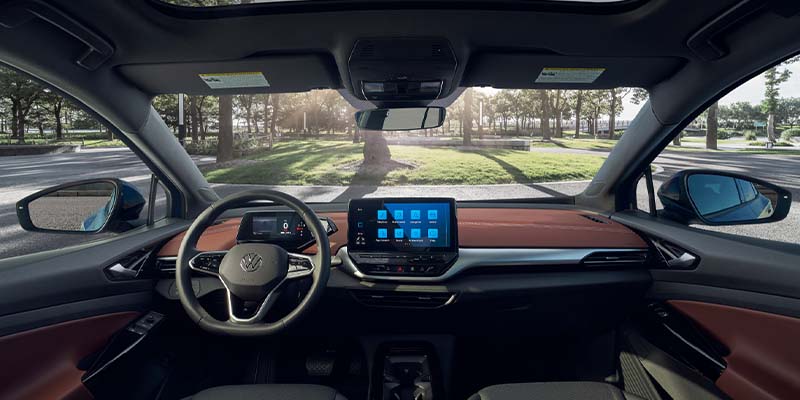
If you've been checking out Volkswagen s in Jacksonville, you've probably seen the term Volkswagen Digital Cockpit. It's one of the most talked-about features in the VW lineup, transforming the driver's view with a fully digital instrument cluster that puts key information right where you need it. If you're exploring the 2027 Taos, the reimagined Atlas, or the sport-tuned Jetta GLI, understanding how this technology works can help you make your decision. What Is the Volkswagen Digital Cockpit? The Volkswagen Digital Cockpit replaces the traditional analog gauge cluster with a high-resolution digital display positioned directly in the driver's line of sight. Rather than glancing down at fixed dials, you get a configurable screen that shows navigation maps, media information, driver assistance alerts, and vehicle data in real time. It's designed to keep your eyes forward and your attention on the road. Customization and Display Modes One of the strongest aspects of VW Digital Cockpit features is how much control the driver has over the layout. You can typically switch between different display views - classic, sportier, or map-focused configurations - depending on what information matters most on a given trip. In a performance-oriented vehicle like the 2027 Jetta GLI, a sport-focused view keeps key performance data front and center. That kind of flexibility means the cockpit works for all kinds of drivers. How It Works Alongside VW's Connected Technology The Digital Cockpit connects with Volkswagen's broader suite of technology features. VW has built generative AI-enhanced voice control into its connected services ecosystem, which means drivers can interact with navigation, media, and vehicle settings without taking their hands off the wheel. In the 2027 Atlas, features like dual wireless charging and three-zone climate control integrate naturally with the driver-focused display, making it easier to monitor comfort settings and connectivity at-a-glance. Digital Cockpit Across the VW Lineup VW Digital Cockpit features appear across a wide range of models, giving drivers options at various levels of capability. In the 2027 Taos compact SUV, you have a turbocharged engine producing 174 h p paired with 65.9 total cu f t of cargo room with the rear seats folded - a practical combination that the digital display helps you manage efficiently on longer trips. The 2027 Atlas, designed to seat up to 7 adults, pairs that spacious interior with technology that keeps the driver connected without feeling overwhelmed. Each model uses the cockpit to reflect its own personality. What to Expect When You Sit Behind the Wheel Getting acquainted with the Volkswagen Digital Cockpit for the first time is easier than most drivers expect. Volkswagen supports owners with resources like quick-start guides, video tutorials, and detailed vehicle manuals through its owner support platform - helpful for anyone who wants to get the most out of every display mode and shortcut. Once you've had a few drives to explore the layout, adjusting views and navigating menus becomes second nature. E xplore the VW Digital Cockpit at Tom Bush Volkswagen If you're in Jacksonville and ready to experience the Volkswagen Digital Cockpit in person, the best next step is to get behind the wheel. Seeing the display in action - exploring the customization options, checking how navigation overlays look in different modes, and pairing your phone to the connected system - makes all the difference. Visit Tom Bush Volkswagen online at tombushvw.com to browse current inventory and schedule a test drive with a model that fits your lifestyle.

Volkswagen Car-Net connected vehicle features

Your Complete Volkswagen Car-Net Guide

If you've recently bought or leased a new Volkswagen, you may have noticed a suite of connected services built right into the experience. This Volkswagen Car-Net ® guide is here to help you understand what those features are, how they work, and why they make everyday driving a little more seamless - if you're commuting across Jacksonville or heading out on a weekend road trip. What Is Volkswagen Car-Net? Volkswagen Car-Net ® is VW's connected services platform, designed to keep you informed, in control, and in touch with your vehicle virtually anywhere. It brings together remote access tools, in-car connectivity, and real-time vehicle insights into a single, easy-to-use system. Rather than leaving owners to sort through scattered settings menus, Car-Net ties everything together through the myVW app and in-vehicle interface. VW Car-Net Features and Setup on New VW Models Getting started with VW Car-Net begins in the vehicle itself. Once your Volkswagen is connected to a network, you can access a growing list of services that span convenience, safety, and real-time vehicle monitoring. The system is available across multiple models in the current VW lineup, including the 2027 Taos, the reimagined 2027 Atlas, and the 2027 Jetta GLI. On the 2027 Atlas, for example, the vehicle already comes equipped with dual wireless charging and ample charging ports - both of which work in conjunction with connected services to keep your devices powered while Car-Net keeps your vehicle connected. Three-zone climate control and the ability to seat up to 7 passengers make the Atlas a natural fit for families who want to stay organized and linked up on longer drives. Remote Access and Vehicle Insights One of the most practical sides of VW Car-Net features and setup is the remote access capability. Through the app, owners can check on their vehicle's status, lock or unlock doors, and receive alerts without being anywhere near the car. This kind of visibility is particularly useful for households sharing a vehicle. The platform also delivers insights about your Volkswagen directly to your smartphone, so you're never left guessing about maintenance schedules or warning indicators. VW's owner support resources - which include vehicle manuals, quick-start guides, service scheduling, and recall information - pair naturally with Car-Net to give drivers a comprehensive picture of their vehicle's health. How Car-Net Fits Into the Broader VW Technology Ecosystem C ar-Net doesn't operate in isolation. It's part of a broader philosophy at Volkswagen around building confidence into every drive. The IQ.DRIVE suite of safety-enhancing features works alongside connected services to create an experience where technology actively supports the driver rather than distracting them. Visit Tom Bush Volkswagen to Explore Car-Net in Person Reading about connected features is one thing - experiencing them firsthand is another. The team at Tom Bush Volkswagen, online at tombushvw.com is ready to walk you through everything this Volkswagen Car-Net guide covers and more, from initial setup to making the most of remote access tools on whichever VW model fits your lifestyle best.

Volkswagen brake pad inspection and maintenance

Volkswagen Brake Pads: Warning Signs of Brake Wear and When to Act

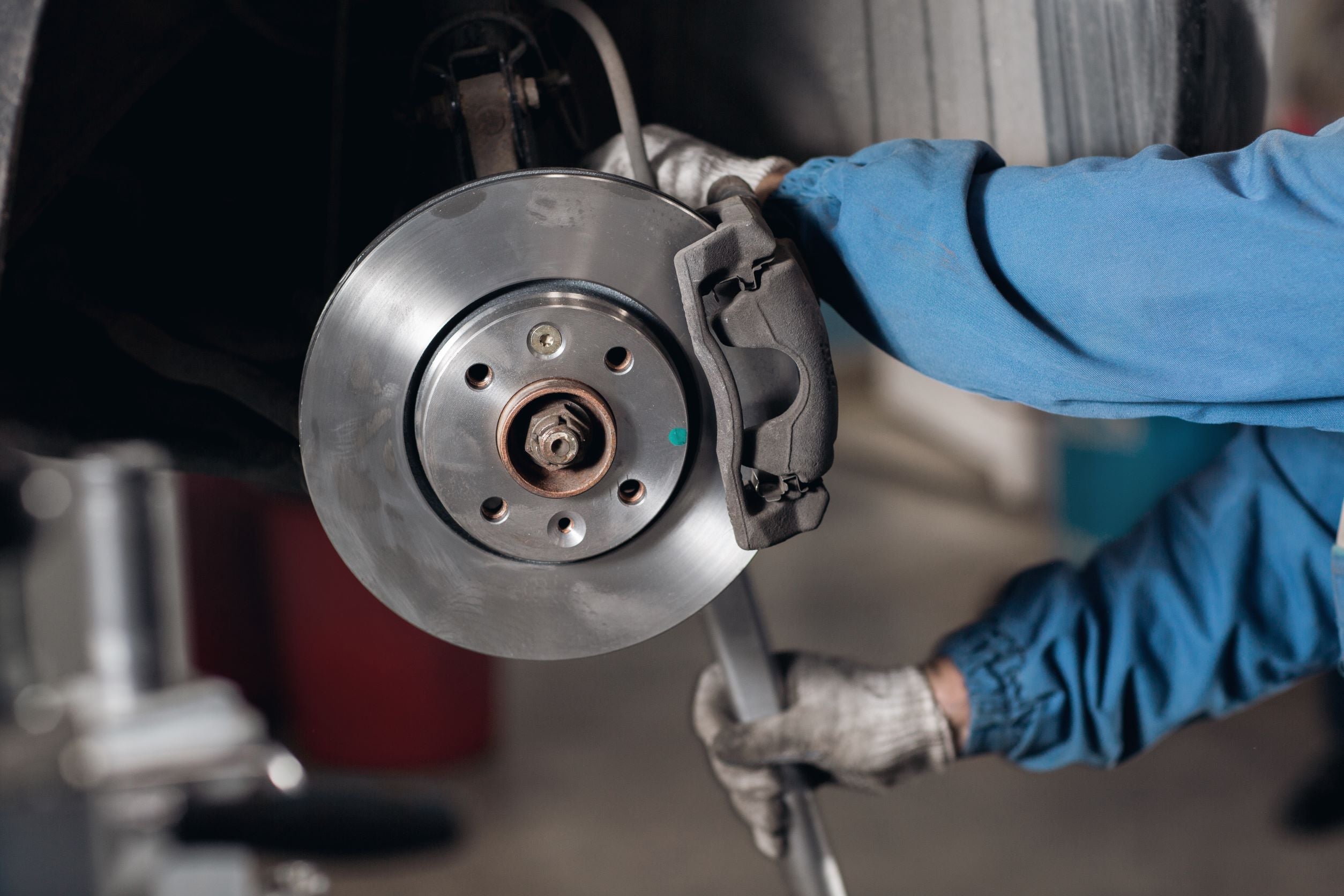
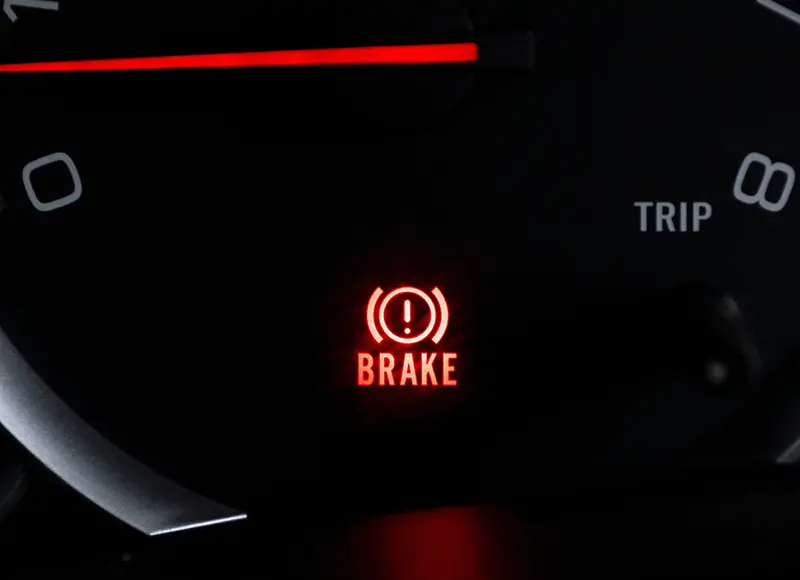
Let’s face it; you need your brakes to be in good working order. The brake system is one of the most important safety systems on your vehicle, and VW engineers them with precision. Making sure that your Volkswagen brake pads are in good shape and working as they should is one of the simplest ways to protect yourself, your passengers, and your vehicle in Jacksonville, Florida. What Brake Pads Do Brake pads create the friction your vehicle needs to slow down and stop. Every time you press the pedal, the pads clamp against the rotors, converting your vehicle's momentum into friction. Over time, that friction wears the pad material down. The rate of wear depends on your driving habits, the road conditions you encounter, and how often you're in stop-and-go traffic. VW's IQ.DRIVE suite of safety-enhancing features is engineered from the wheels up, but those systems can't compensate for brake pads that are past their service life. Common Warning Signs of Worn Volkswagen Brake Pads A high-pitched squealing noise when slowing down is one of the earliest and most reliable indicators that your pads are thinning. Most brake pads include a built-in wear indicator - a small metal tab that contacts the rotor and emits that sound intentionally as a warning. If you ignore that squeal, the next sign is often a grinding sensation or noise, which typically means the pad material has worn away entirely, and metal is contacting metal. At that stage, rotor damage becomes a real concern and repair s get harder and more expensive. A soft or spongy brake pedal, vibration when stopping, or your vehicle pulling to one side during braking are all additional signals you need to take seriously. VW Brake Wear and Inspection: What to Expect A thorough VW brake wear and inspection checks pad thickness, rotor condition, brake fluid levels, and the overall integrity of your braking system. Volkswagen recommends following your vehicle's maintenance schedule, which is available through the owners support resources at vw.com, to ensure brake components are reviewed at the right intervals. During an inspection, a technician will measure pad depth and evaluate whether your rotors show signs of scoring or uneven wear. Connected services and vehicle insights available through VW's technology ecosystem can also help you stay informed about your vehicle's needs between scheduled visits. How Driving Habits Affect Brake Pad Life Frequent hard braking wears pads faster than smooth, gradual stops. City driving with heavy traffic - like driving around Jacksonville - is generally harder on brakes than steady highway miles. Towing additional weight, even occasionally, increases the demand placed on your braking system with every stop. When to Schedule a Brake Service Appointment Don't wait for the grinding stage. If you're hearing squealing, noticing changes in pedal feel, or simply can't remember the last time your brakes were checked, that's enough reason to schedule a VW brake wear and inspection. Volkswagen owners have access to service scheduling directly through the owners section at vw.com, along with vehicle manuals, maintenance schedules, and more. Visit Tom Bush Volkswagen for Volkswagen Brake Pad Service Your safety starts with your brakes, and keeping your Volkswagen brake pads in good condition is one of the most straightforward ways to take care of your vehicle. The team at Tom Bush Volkswagen is ready to help drivers throughout Jacksonville stay on top of brake maintenance with the expertise your VW deserves. Schedule your inspection at tombushvw.com.

Volkswagen catalytic converter warning signs

Volkswagen Catalytic Converter Warning Signs and When to Schedule Service 

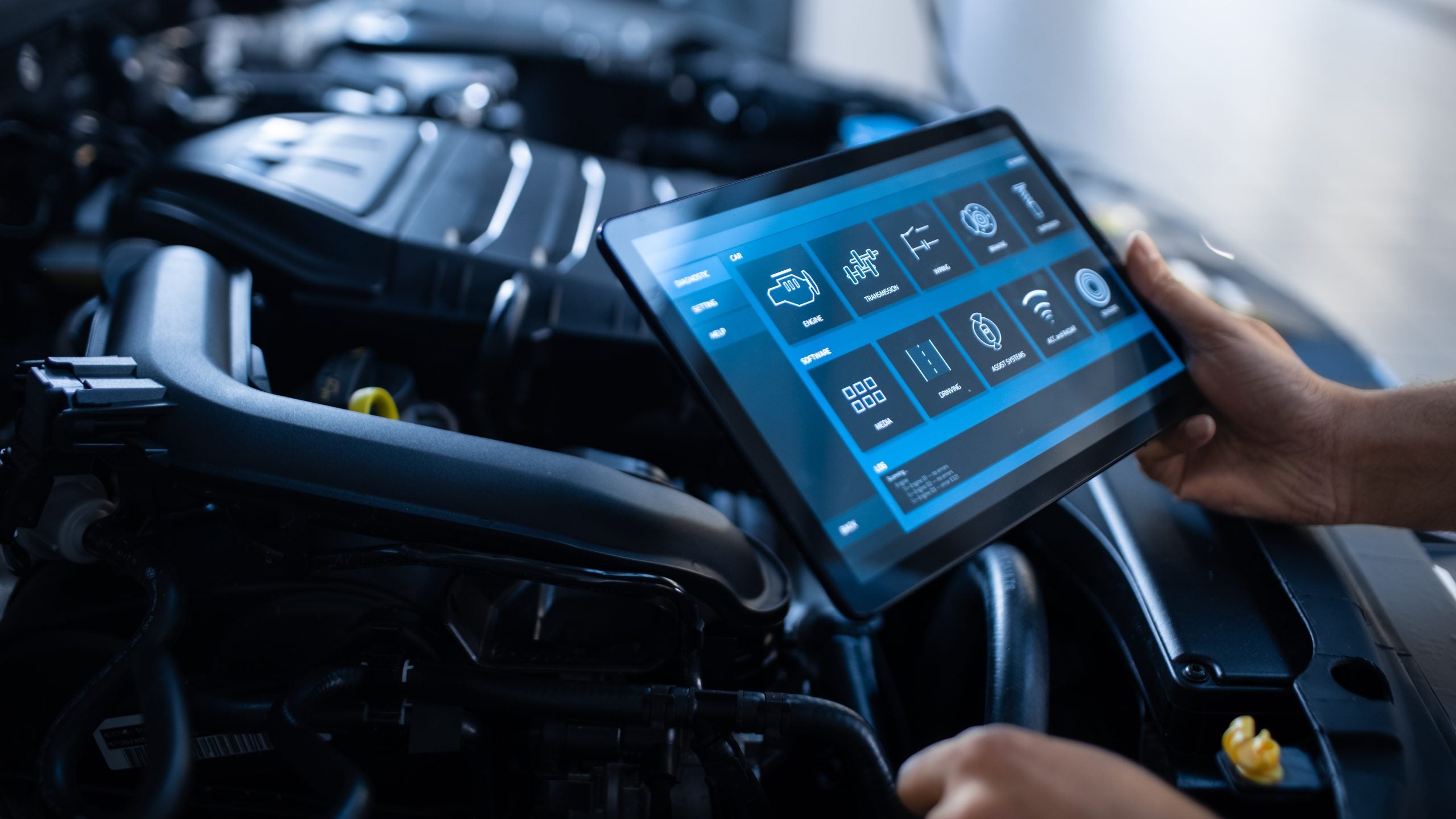
Your Volkswagen is designed to deliver smooth performance with low emissions, but like any component in your exhaust system, the catalytic converter can occasionally run into issues. Recognizing early warning signs - from subtle shifts in engine feel to unusual smells or dash lights—can help you address potential exhaust concerns before they lead to more significant repairs. Here is what every Jacksonville driver should know about how your catalytic converter functions and how to handle potential symptoms. What Does a Volkswagen Catalytic Converter Do? A catalytic converter is a vital part of your Volkswagen’s exhaust and emissions-control system. Inside its durable metal housing sits a coated honeycomb structure that transforms harmful exhaust gases into less harmful emissions before they exit the tailpipe. Because your converter relies heavily on proper engine timing, fuel delivery, and precise exhaust conditions to function, an issue elsewhere in the engine can quickly affect emissions performance. When a warning sign pops up, the converter may be involved, but a single symptom alone doesn't necessarily mean it needs to be replaced. Can a Rotten-Egg Smell Mean Converter Trouble? A persistent sulfur or rotten-egg odor coming from your exhaust usually means your emissions system isn't processing exhaust gases properly. While this can point to a catalytic converter problem, it can also stem from an overly rich fuel mixture, combustion issues, or temporary exhaust system imbalances. You should always pay attention to an unusual odor - especially if paired with sluggish acceleration or a dashboard warning light - but it isn't immediate proof of a dead converter. Having a Certified Volkswagen technician evaluate the root cause first saves you from replacing expensive parts unnecessarily. What Causes Rattling or Reduced Performance? If the internal structure of a converter breaks down, it can produce a metallic rattling sound, particularly as the exhaust warms up or during acceleration. However, loose heat shields, worn exhaust hangers, and nearby brackets can make nearly identical noises. Similarly, a clogged or restricted converter can make your VW feel sluggish or hesitant when pressing the gas pedal. However, misfires, clogged fuel injectors, or dirty air filters can cause the exact same drag. A thorough inspection of the entire exhaust system is always necessary before concluding the converter itself is at fault. Does a Check Engine Light Confirm a Bad Converter? In short, no. An illuminated Check Engine light often accompanies an emissions efficiency code—such as the common P0420 fault—which simply means the vehicle's computer detected efficiency dropping below an expected threshold. That code doesn't necessarily mean the catalytic converter failed. Common issues like faulty oxygen sensors, minor exhaust leaks, engine misfires, or damaged wiring can easily trigger it instead. Diagnostic trouble codes are just the starting point for a technician, not a final verdict. Importantly, if your Check Engine light ever flashes, you should ease off the accelerator, pull over safely, and arrange for immediate assistance, as an active misfire can quickly melt or destroy a catalytic converter. What If Fuel Economy Drops or You Fail an Emissions Test? A sudden drop in gas mileage or a failed state emissions test can certainly point to converter trouble, but these issues frequently start elsewhere under the hood. A proper diagnostic evaluation includes reading live sensor data, testing fuel-to-air ratios, checking for exhaust leaks, and verifying overall engine performance. If an unaddressed engine misfire or fuel mixture issue caused the converter to degrade in the first place, simply putting on a new converter without fixing the underlying problem will cause the new part to fail too. Finding the original trigger is key to a lasting repair. When Should You Schedule Volkswagen Service? It is best to schedule a professional inspection whenever a Check Engine light stays on, exhaust odors become noticeable, new underbody rattles develop, or your vehicle’s performance changes. Replacing a converter based on a sound, smell, or single fault code alone can lead to unnecessary expenses. The experienced team at Tom Bush Volkswagen’s service department can pinpoint the exact issue and explain the necessary steps. To book a diagnostic appointment in Jacksonville, simply use the dealership’s online service scheduler at tombushvw.com/schedule-service to make an ap pointment and get a clear, accurate plan for your vehicle.

Volkswagen Air Filter Replacement Signs and Timing

Volkswagen Air Filter Maintenance: A Comprehensive Guide

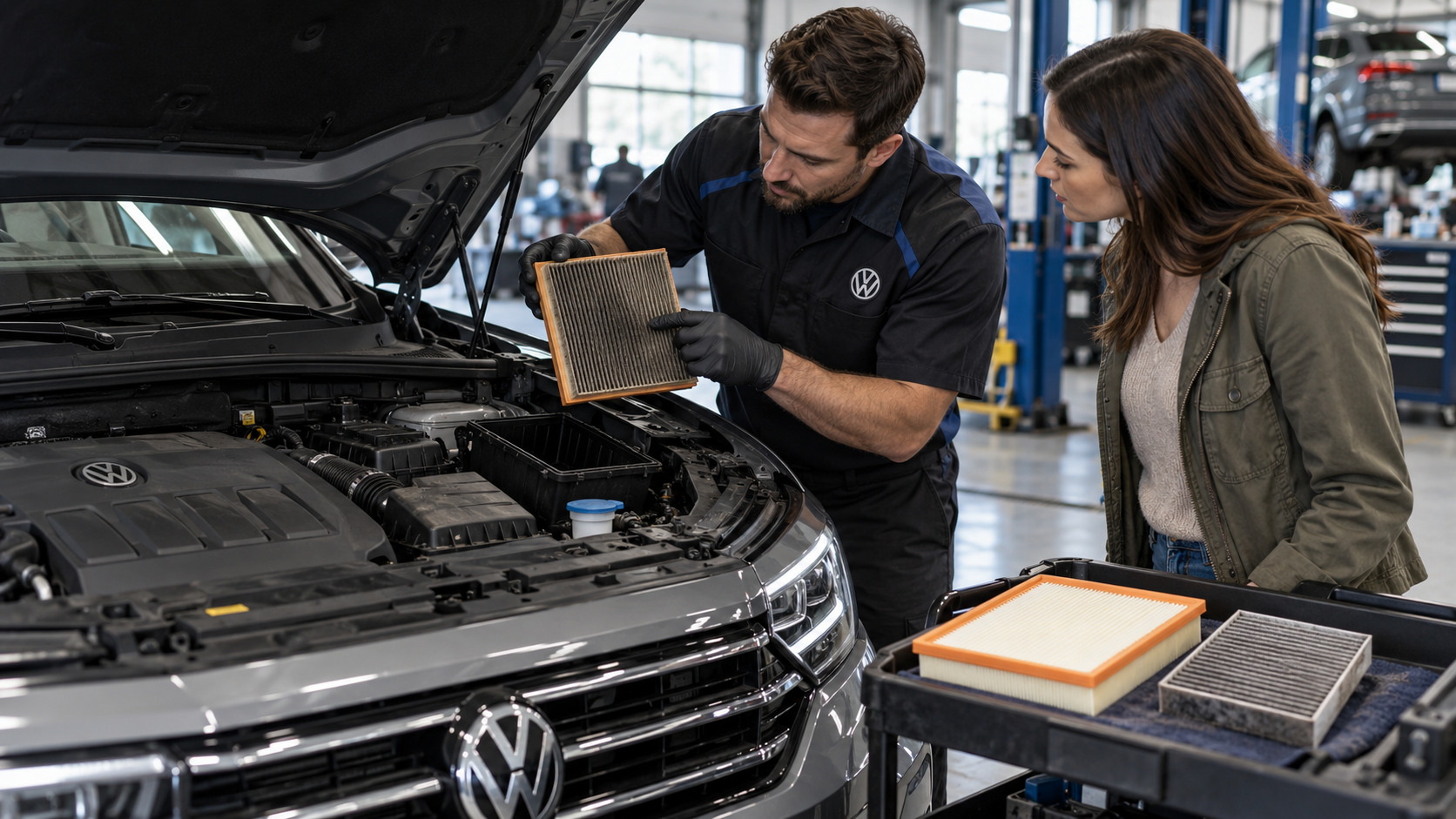
Know Which Volkswagen Air Filter Needs Attention Volkswagen air filter replacement starts with knowing which filter needs attention and what signs justify an inspection. Additionally, your Volkswagen uses separate filters for engine intake air and cabin ventilation. Each filter handles a different job, so the signs of trouble are different. Furthermore, the engine air filter sits in the intake path and traps dust and debris before air reaches the engine. In addition, the cabin air filter works with the ventilation system and filters air entering the passenger compartment. Does your Volkswagen have more than one air filter? Yes. The engine filter protects the intake path, while the cabin filter supports cleaner airflow through the HVAC vents. Because the two filters serve different areas, one symptom should not be used to judge both. A musty vent smell points toward cabin filtration. By contrast, visible debris in the engine filter points toward the intake side. Signs the Engine Air Filter Should Be Inspected Additionally, the engine air filter collects airborne debris before it can travel farther into the intake tract. As the filter fills, airflow through the media can become restricted. How can you tell whether the engine air filter needs attention? Start with its condition and any change that makes an intake inspection sensible. A symptom alone does not prove the filter is the cause. Several signs can support an inspection: Heavy dirt, leaves, or debris across the filter media can show that the filter has collected substantial material. Torn, collapsed, or damaged filter media calls for service because the filter may no longer seal or filter correctly. Sluggish response or rough running should be diagnosed, with the air filter included among the items a technician may inspect. A warning light needs diagnosis instead of an automatic filter replacement. The same applies to unusual noises or engine response changes. Those symptoms can have several causes, so inspection matters more than guessing. Signs the Cabin Air Filter Should Be Inspected Furthermore, the cabin filter sits within the ventilation path and captures pollen, dust, and other airborne material. Its condition can change how air moves through the cabin vents. How can you tell whether the cabin filter needs attention? Weak vent airflow, stale odors, and visible contamination are useful reasons to inspect it. These signs relate more directly to the HVAC path than to engine intake airflow. Common cabin filter signs include: Airflow from the vents feels weaker than expected even when the fan setting is increased. A stale or musty odor appears when the heating or air conditioning system is running. The filter shows heavy dust, leaves, pollen, or other debris during inspection. Fogging concerns can also justify an HVAC inspection. However, the cabin filter is only one part of that system. A technician can check the filter along with other ventilation components when airflow or moisture control seems unusual. Volkswagen Air Filter Replacement Timing Volkswagen air filter replacement timing should come from the maintenance schedule for the exact model and model year. One mileage number does not fit every Volkswagen. In addition, current Volkswagen maintenance literature shows why that matters. Some schedules list engine air filter service at 60,000 miles or six years. Dust and pollen filter service can appear at 40,000 miles or two years. Other models or years may differ. Local dust and debris can also change when an inspection makes sense. Volkswagen notes that excessive dust can call for some maintenance work between the normal intervals. Jacksonville drivers may encounter pollen, road dust, leaves, and other airborne debris during the year. Those factors can justify checking filter condition sooner when symptoms appear. Therefore, use the Volkswagen maintenance schedule for your vehicle. A technician can also confirm the next service point from the vehicle information on file. What a Filter Inspection Can Confirm A filter inspection gives a technician direct evidence instead of relying only on symptoms. The goal is to confirm filter condition and housing condition. The technician also checks whether both remain clean and secure. During an inspection, a technician can review several areas: The filter media can be checked for heavy contamination, tears, collapse, or damage. The housing can be checked for loose debris, poor fit, or sealing concerns around the filter. The surrounding intake or ventilation area can be checked when dirt, odor, or airflow concerns remain. Visible dirt alone needs context because filters are meant to collect material. The question is whether contamination, damage, or restriction has reached the point where replacement is due. This inspection also helps separate filter concerns from other causes. If the filter looks normal, the technician can continue checking the system linked to the symptom. Plan Volkswagen Air Filter Service Air filter service works best when symptoms, filter condition, and the maintenance schedule are reviewed together. That keeps replacement decisions tied to the vehicle instead of a generic mileage rule. Schedule an inspection when vent airflow drops, odors appear, or the filter looks heavily contaminated. Also schedule service when the maintenance schedule calls for it. Engine response concerns should also be diagnosed when they persist. Tom Bush Volkswagen in Jacksonville can inspect engine and cabin air filters during service. You can schedule Volkswagen service with Tom Bush Volkswagen when inspection or replacement is due. Before your appointment, note the symptom you noticed and when it started. That information gives the technician more context during inspection. The next step should match the evidence. A clean filter may point the diagnosis elsewhere. A restricted or damaged filter may be ready for replacement. Either way, a direct inspection gives you a clearer answer than relying on one symptom alone.

Volkswagen Apple CarPlay Android Auto

Volkswagen Apple CarPlay and Android Auto Setup Guide

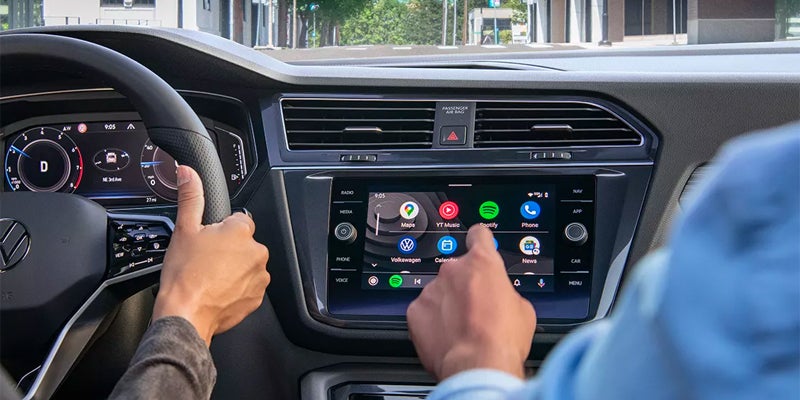
Volkswagen Apple CarPlay and Android Auto connect compatible phone tools through the vehicle’s App Connect interface. The connection may use a USB data cable or wireless pairing. However, the available method varies by model year, trim, radio, and installed equipment. App Connect places selected phone apps on the center screen. Therefore, you can reach maps, music, calls, messages, and voice commands through familiar menus. The phone still runs those apps and supplies their data. The Volkswagen screen provides a safer control point while you drive. Before setup, confirm that your phone and exact Volkswagen support the desired connection. Also, install current phone software and review the owner guide for your model year. These steps reduce pairing errors caused by outdated instructions or unsupported equipment. How Do You Connect Apple CarPlay or Android Auto? A wired connection starts with a compatible USB data cable. A cable may charge a phone without carrying the data needed for App Connect. Therefore, use a trusted cable and the USB port assigned to smartphone projection. For wired Apple CarPlay, start the Volkswagen and unlock the iPhone. Then, connect the phone through the supported USB port. Approve the CarPlay prompts on the phone and center screen. Siri must also remain active for full voice control. For wired Android Auto, unlock the phone and connect it through the supported USB port. Next, approve the Android Auto prompts and requested permissions. The App Connect menu should open after the phone and Volkswagen complete their connection. A wireless connection begins through Bluetooth pairing. Wi Fi must also remain active because it carries the larger wireless data connection. Therefore, a phone may handle Bluetooth calls without opening Apple CarPlay or Android Auto. Use these checks during first time wireless setup: Turn on Bluetooth and Wi Fi before opening the Volkswagen phone menu. Pair the phone through the center screen and approve matching codes on both devices. Select Apple CarPlay or Android Auto when the Volkswagen presents that choice. Accept the requested permissions for contacts, audio, messages, and future connections. Leave Wi Fi active after pairing so App Connect can maintain its data link. Saved phones may reconnect after later startups. However, another stored phone may connect first when several devices enter the Volkswagen together. Why Is Volkswagen App Connect Not Working? Connection trouble may begin with the phone, cable, USB port, saved pairing, or center screen. Therefore, work through one area at a time. Changing several items together can hide the original cause. First, confirm that the exact Volkswagen supports the selected wired or wireless method. A USB port does not always support smartphone data. Likewise, wireless access on one trim does not prove that another trim includes it. Next, inspect the cable and phone port. Replace damaged cables and remove lint from the phone connection carefully. Then, try another approved data cable. Charging without App Connect can point toward the cable, port, permissions, or vehicle compatibility. For wireless trouble, check Bluetooth and Wi Fi on the phone. Also, confirm that the phone permits CarPlay or Android Auto access. Apple users should verify Siri access. Android users should confirm Android Auto access within phone settings. These steps can restore a failed connection: Restart the phone and turn the Volkswagen off before starting another pairing attempt. Remove the Volkswagen from the phone’s saved vehicle list. Delete the phone from the Volkswagen Bluetooth and App Connect menus. Pair both devices again and approve every requested connection prompt. Test a wired connection when wireless pairing still fails. Persistent disconnections may also follow phone software or infotainment software changes. Therefore, note when the trouble began and whether another compatible phone connects. That comparison can show whether the concern follows one phone or remains with the Volkswagen. App Connect, Car Net, and Digital Cockpit Differences App Connect, Car Net, and Digital Cockpit handle separate tasks. Their names may appear near each other, yet one does not replace another. App Connect displays supported phone apps through Apple CarPlay or Android Auto. It focuses on navigation, audio, communication, and approved phone content. Therefore, it needs a compatible phone connection. Car Net works through eligible connected services and the myVW app. Available tools may include remote commands, vehicle alerts, and safety support. Service access varies by vehicle, equipment, account, and active plan. Digital Cockpit presents information in the display behind the steering wheel. It may show speed, driving data, navigation details, and other vehicle information. Its menus and display choices vary across Volkswagen models. A phone can use Apple CarPlay without making every Car Net tool active. Likewise, Digital Cockpit does not display every phone app. Each technology has its own role within the Volkswagen cabin. When a connection question involves one of these tools, identify the exact screen and task first. That detail leads to the right owner guide and avoids resetting an unrelated connection. What Should You Review During a Volkswagen Test Drive? A technology focused test drive should use the phone you carry each day. Bring a trusted data cable even when you want wireless access. This gives you another connection method during the visit. Pair the phone before leaving the dealership lot. Then, open maps, play audio, place a voice command, and check message access. In addition, test the charging location and confirm which USB ports carry smartphone data. Review these items in the exact Volkswagen: Confirm whether Apple CarPlay or Android Auto connects through a cable, wireless pairing, or both. Check whether the screen responds clearly while maps and audio run together. Test steering wheel controls and voice commands with your phone. Review the Digital Cockpit alongside the center screen during navigation. Confirm that your phone fits the charging area without blocking nearby controls. Ask which App Connect equipment belongs to that exact trim and model year. Do not rely on a similar vehicle or a broad model description. Installed technology can change across trims, production dates, and model years. Therefore, test the exact Volkswagen you may choose. Volkswagen Inventory and Connection Help in Jacksonville Readers researching a new Volkswagen can compare available models through Tom Bush Volkswagen in Jacksonville. The inventory route should lead to current vehicles instead of one temporary listing. Therefore, readers can review trim details and confirm App Connect equipment before a test drive. Owners with connection trouble need a separate path. Basic cable, pairing, and restart checks may resolve a simple issue. However, repeated faults may need a closer review of the phone, USB port, center screen, or Volkswagen software. Bring the phone and cable when requesting connection help. Also, note the phone model, software version, connection method, and exact error message. Those details give the service team a clearer starting point. Volkswagen Apple CarPlay and Android Auto work best when the phone, cable, permissions, and installed equipment match. Start with the correct connection method. Then, test each layer in order before seeking further help.

Volkswagen Warranty Check Before Scheduling Service

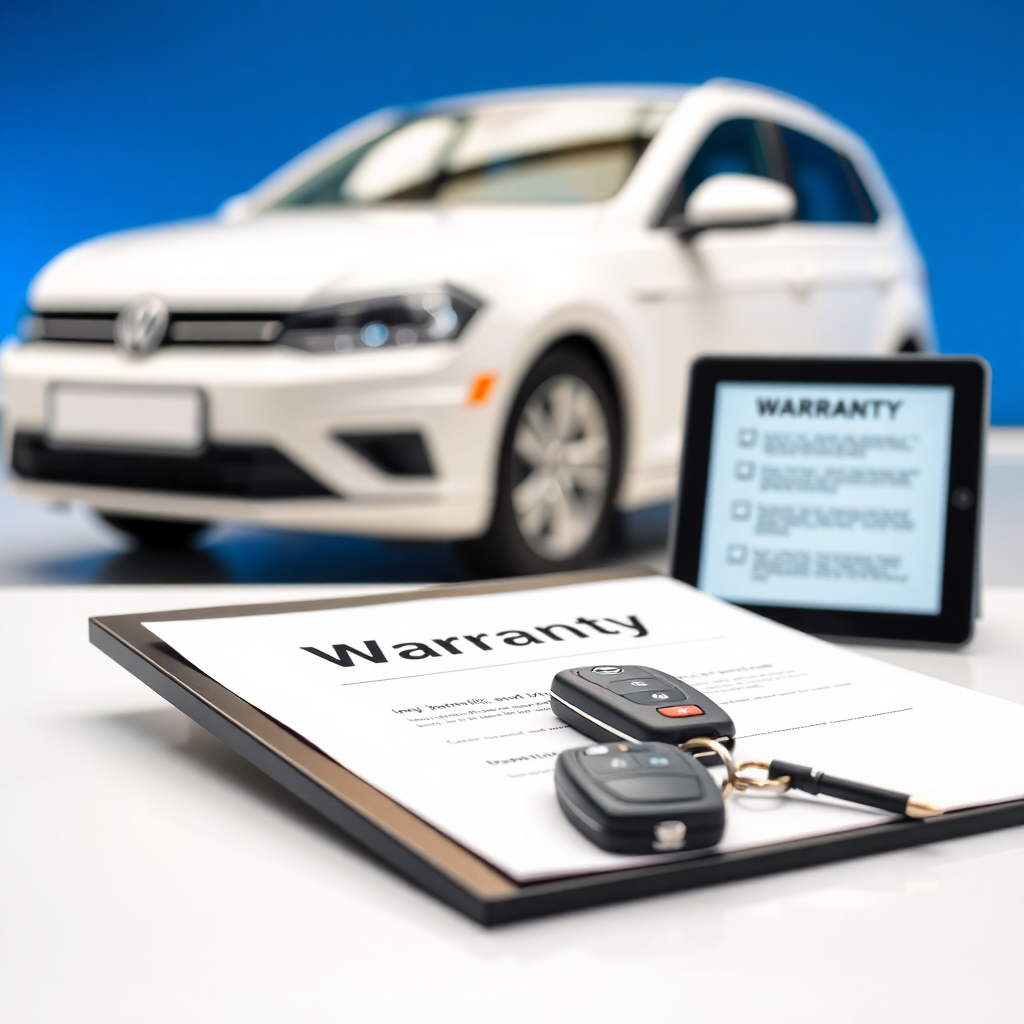
A Volkswagen warranty check starts with the VIN, current mileage, ownership records, and warranty documents tied to the vehicle. The review shows which protection may still apply before service begins. However, an active term does not guarantee payment for every repair. Diagnosis may still be required before final approval. Volkswagen warranty terms can vary by model year, sale date, mileage, and coverage type. Therefore, owners should prepare the right records before contacting a service department. Clear documentation can shorten the review and reduce confusion about customer paid work. How Do You Check Volkswagen Warranty Coverage? Start by locating the 17 character VIN for the exact Volkswagen. The VIN appears near the lower driver side windshield and on several ownership documents. It may also appear inside the driver door area. Next, record the current odometer mileage. Warranty limits may use both time and mileage, so both details matter. In addition, locate the original purchase date or in service date when available. Then, review the warranty booklet tied to the model year. Volkswagen provides separate literature for different vehicles and protection types. Therefore, a newer booklet should not replace the terms written for an older model. A service department may use the VIN to review available vehicle records. Still, the VIN alone cannot prove that a repair qualifies. The failed part, cause, mileage, prior care, and diagnostic findings may also shape the review. Information to Gather Before Contacting Service Owners should collect several records before discussing warranty work. These items give the service team a clearer picture of the vehicle and the concern. Prepare the following information: Record the complete VIN exactly as it appears on the vehicle or registration. Note the current mileage and the date when the concern first appeared. Bring purchase papers, CPO documents, or any added protection contract. Gather service invoices related to the part or concern under review. Write down warning lights, sounds, leaks, or other clear symptoms. List recent repairs, modifications, collision work, or outside service. The concern description should remain specific. State when it began, when it appears, and whether it has changed. For instance, note whether a warning light stays on or appears only after startup. Service records may also matter. Missing required care can complicate a claim when that care relates to the failed part. Therefore, complete invoices provide stronger documentation than verbal history alone. Factory, CPO, and Added Protection Differences Are factory, CPO, and added protection plans the same? No. Each follows its own dates, limits, covered items, and exclusions. The New Vehicle Limited Warranty follows the terms issued with the Volkswagen when first sold. Time and mileage limits vary by model year. Therefore, owners should use the booklet written for their exact vehicle. Volkswagen Certified Pre Owned coverage follows separate CPO terms. Its start date may relate to remaining factory coverage or the certified sale date. Owners should bring their CPO papers and confirm the recorded certification details. Optional protection contracts also follow separate rules. These plans may carry different deductibles, claim steps, repair locations, and exclusions. In addition, the contract provider may need approval before repairs begin. Battery warranties, parts warranties, and corrosion terms may also follow their own limits. Therefore, owners should route each question to the correct document instead of using one broad warranty summary. What Should You Confirm Before Service Begins? A warranty status review and a repair approval are separate steps. First, the service team reviews the vehicle and available records. Then, diagnosis may be needed to identify the failed part and failure cause. Before work begins, ask these questions: Has the vehicle warranty status been reviewed with the VIN and mileage? Is the diagnostic charge covered, customer paid, or still under review? Which repair items appear eligible under the applicable terms? Which parts, labor, fluids, or wear items fall outside the review? Does a deductible apply to the covered repair? What customer paid amount requires approval before work starts? Owners should also ask for written estimates when repairs include covered and uncovered items. This step separates warranty work from customer paid work. As a result, the owner can approve each portion with clearer cost information. Modifications, outside repairs, prior damage, or missed service may require further review. However, their presence does not create one automatic answer for every claim. The service department must review the specific repair and available evidence. Finding the Correct Volkswagen Warranty Resource The general warranty guide should direct narrower questions to the right source. It should not repeat every term from every Volkswagen document. Use the CPO resource for certification coverage, start dates, and related ownership papers. Use the added protection resource for contract terms, deductibles, and claim steps. In addition, use the battery resource for battery specific time, mileage, and capacity terms. Recall questions belong in the official VIN lookup. A recall or service campaign is separate from an ordinary warranty claim. Therefore, warranty expiration alone does not answer whether an open campaign applies. Parts coverage may also require the original repair invoice. The invoice can identify the part, installation date, repair location, and prior work. Owners should bring that record when asking about a replacement part. These separate paths keep the broad guide clear. They also direct each owner toward the document that controls the question. Contacting Tom Bush Volkswagen for Coverage Review Tom Bush Volkswagen service can review available vehicle details before an appointment in Jacksonville. Owners should have the VIN, mileage, records, and concern description ready when they call. The service team may review warranty information and explain the next step. However, final repair eligibility may require inspection, diagnosis, and manufacturer authorization. No dealership can promise payment before those steps are complete. Owners should also request approval before any uncovered work begins. A written estimate can separate eligible repairs from customer paid repairs. Therefore, the owner can decide how to proceed with clearer information. A Volkswagen warranty check works best when the records match the exact vehicle. Bring the VIN, mileage, ownership papers, and service history. Then, confirm diagnosis terms and repair approval before authorizing work.

Volkswagen DSG Transmission Guide for Daily Driving

A Volkswagen DSG transmission uses two clutches to manage separate gear paths within one automatic gearbox. What does that mean during a drive? The gearbox can prepare another ratio before the current shift finishes. Therefore, each gear change can happen with little interruption in engine power. DSG stands for Direct Shift Gearbox. It blends automatic control with clutch based gear changes. However, it does not work like a conventional automatic that uses a torque converter. That difference shapes how the car shifts, launches, and moves through slow traffic. Volkswagen has used several DSG designs across different years and models. For this reason, service needs must match the exact car. Therefore, the owner manual, maintenance schedule, and vehicle identification number provide the correct starting point. How Does a Volkswagen DSG Transmission Work? A DSG uses two clutches, with each clutch connected to a separate set of gears. One side handles odd numbered gears. The other side handles even numbered gears. While one gear moves the car, the gearbox prepares another gear on the second path. Then, the clutches trade their roles during the shift. As a result, the next ratio can engage quickly. Furthermore, the gearbox reads accelerator input, road speed, engine speed, and the selected drive setting. Therefore, light throttle may produce early upshifts. Firmer throttle may hold a lower gear longer. Manual selection does not change the internal design. Instead, it gives the driver more control over shift timing. The gearbox still manages clutch action and protects the drivetrain from an unsuitable gear request. This design works well during steady acceleration. Moreover, rapid shifts can keep the engine near the desired speed range. The same clutch based layout also explains why parking lot movement may feel different. DSG Versus a Traditional Automatic Transmission Is DSG the same as a traditional automatic? No. Both can select gears without a clutch pedal, but their internal parts move power differently. Many conventional automatics use a torque converter. Fluid inside that unit transfers engine power during a launch. Therefore, the car may creep forward smoothly when the brake pedal is released. A DSG uses clutches to connect engine power to the selected gear path. Consequently, the gearbox must engage and release those clutches during low speed movement. That action may feel more direct than torque converter movement. Both designs can provide smooth travel. Still, they reach that result through different parts and control methods. A driver moving from one design to another may notice the contrast most during parking, reversing, or heavy traffic. Manual mode and steering wheel paddles also change driver input, not gearbox construction. They let the driver request a gear. However, the DSG still completes the clutch work. What Should DSG Feel Like at Low Speeds? A DSG may feel more deliberate while starting, reversing, or crawling. The clutches must engage at low speed, much like a clutch in a manual gearbox. Therefore, light hesitation or a firmer engagement may appear during certain movements. Stop and go traffic places the gearbox through repeated launch cycles. Holding the car with gentle accelerator pressure may keep a clutch partly engaged. Instead, firm brake use can give the gearbox a clearer stop. Drivers should still pay attention to changes. A mild trait that remains steady differs from a hard impact that becomes worse. Warning lights, burning odors, repeated slipping, or severe shaking deserve prompt inspection. A test drive should include a cold start, parking lot movement, several stops, and steady acceleration. In addition, the driver should try reverse and moderate highway speed. These steps provide a broader view than one quick trip. No article can diagnose a gearbox from a single sensation. Therefore, a Volkswagen technician should inspect any new, severe, or worsening concern. Volkswagen DSG Maintenance and Service Questions Does every DSG need the same service? No. Volkswagen has used more than one DSG design, and service details can vary. Some DSG units require fluid and filter work at set points. Other versions may follow a different schedule. For this reason, owners should not rely on one universal interval found online. The exact model year, engine, gearbox, and vehicle identification number matter. A service advisor can use those details to locate the correct maintenance information. In addition, prior invoices can show whether required work was completed. Fluid condition matters because the gearbox depends on proper lubrication and hydraulic control. A correct service also uses the specified fluid and procedure. Therefore, substitute fluids or incomplete work can create new concerns. Used vehicle shoppers should ask for transmission records before purchase. They should also review warning light history, prior repairs, and any open recalls. Moreover, a pre purchase inspection can reveal leaks, stored faults, or unusual clutch operation. Current owners can use the Volkswagen maintenance schedule for their exact year. They can also review service reminders and schedule a visit when work is due. DSG Use in the Golf GTI and Jetta GLI The Golf GTI and Jetta GLI connect DSG operation with quick gear changes and direct response. However, shoppers should still judge the gearbox during ordinary travel. A GTI test drive should include slow traffic, a parking maneuver, steady acceleration, and a highway merge. These situations show how the gearbox responds across several speeds. In addition, manual mode can show how quickly it follows a gear request. A GLI review should follow the same pattern. The sedan should move cleanly from a stop and shift without warning lights or severe jolts. Service records should also match the exact model year and gearbox. Tom Bush Volkswagen shoppers can compare available GTI and GLI models before a test drive. Therefore, they can review trim, mileage, records, and transmission details together. Current owners with shifting concerns need a different route. They can contact Tom Bush Volkswagen service in Jacksonville for maintenance questions or an inspection. A technician can review fault codes, fluid history, clutch operation, and road test findings. A Volkswagen DSG transmission rewards informed review. Learn how it shifts, notice how it feels, and confirm the correct service plan. Those steps support a clearer vehicle choice and better maintenance decisions.

How Long Do Volkswagens Last Across Popular Models

How long do Volkswagens last when mileage, model, and maintenance history are considered together? A Volkswagen may reach 150,000 to 200,000 miles with steady care. Some vehicles travel farther, while others need costly repairs sooner. Therefore, an odometer reading cannot predict the remaining life of one car. A clear answer starts with records, current condition, prior repairs, and the way the car was driven. Model year and powertrain also matter. In addition, a careful inspection can reveal wear that mileage alone cannot show. Owners should follow the maintenance schedule written for their exact Volkswagen. Volkswagen Lifespan Across Popular Models Volkswagen produces sedans, c ompact SUVs, larger SUVs, and hatchbacks. Each body style may face a different driving pattern. Therefore, one mileage estimate should not carry equal weight across every model. A Jetta may spend much of its life commuting on highways or city streets. Smooth highway miles may place less strain on brakes than constant stop and go travel. However, service records still need close review. Oil changes, cooling work, tire wear, and transmission operation can shape the sedan’s future. A Tiguan may carry passengers, cargo, and family gear through mixed driving. Therefore, shoppers should inspect tires, brakes, suspension parts, and available all wheel drive service records. Turbocharged engine care also deserves attention. A quiet test drive should include low speed turns, highway travel, and firm braking. An Atlas carries more weight and may spend years handling family trips. As a result, tire wear, brake condition, suspension noise, and cooling history deserve a careful look. A shopper should also review towing history when the vehicle has a hitch or related equipment. Golf models may serve as commuters, road trip cars, or compact cargo carriers. By contrast, GTI models may have seen more spirited driving. Both need clear oil, cooling, brake, and transmission records. GTI shoppers should also inspect tire wear and signs of modifications. No single model earns a guaranteed mileage number. Instead, each Volkswagen should be judged through its records, condition, and upcoming service needs. Is 100,000 Miles Too High for a Volkswagen? No fixed mileage makes every Volkswagen a poor choice. A cared for car with 110,000 miles may present fewer concerns. A neglected car with 70,000 miles may present more. Therefore, 100,000 miles should begin a deeper review. Below 60,000 miles, shoppers should confirm routine oil service, tire rotation, brake checks, and recall work. In addition, the vehicle should drive smoothly without warning lights, leaks, or unusual noises. From 60,000 to 100,000 miles, more wear items may need attention. Tires, brakes, batteries, suspension parts, and fluids deserve close review. Furthermore, transmission service records may matter for certain model years and gearboxes. Beyond 100,000 miles, the inspection should become more detailed. A technician can check for fluid leaks, worn mounts, cooling concerns, suspension play, stored fault codes, and uneven tire wear. Service invoices can also show whether larger repairs were completed. Past 150,000 miles, repair timing matters as much as current mileage. A recent cooling repair, brake replacement, or suspension repair may reduce near term needs. However, missing records may leave major questions unanswered. Maintenance Records That Support Volkswagen Longevity Which records give the clearest view of remaining life? Service invoices, inspection reports, repair receipts, and model specific maintenance records provide the strongest evidence. Volkswagen publishes maintenance information by model year and vehicle. Therefore, owners should use the schedule tied to their exact car. A general mileage chart cannot replace that source. Several records deserve close attention: Oil service records show whether the engine received routine care at the expected times. Cooling and fluid records reveal whether age related service or repairs were completed. Transmission records show whether the gearbox received any required fluid service. Brake, tire, and suspension invoices reveal how the vehicle handled normal wear. Diagnostic and recall records show whether known concerns received attention. Oil protects internal engine parts and turbocharger parts from heat and friction. Therefore, long gaps between oil changes deserve scrutiny. Cooling service also matters because steady temperature control protects many engine parts. Transmission care varies by gearbox and model year. For this reason, shoppers should confirm the exact transmission before judging the records. A DSG, traditional automatic, and manual gearbox do not share one service plan. Tire wear can also reveal more than tread depth. Uneven wear may point to suspension wear, wheel concerns, or poor tire rotation history. Brake invoices may show whether the car received routine care or needed repeated repairs. What Should You Check Before Buying a Used Volkswagen? A used Volkswagen review should combine records, inspection findings, and a complete test drive. Mileage belongs in that review, but it should not control the whole decision. Before purchase, ask these questions: Do the service dates and mileage entries form a clear history? Were major repairs completed by a qualified repair facility? Does the car start, idle, shift, steer, and brake smoothly? Are any warning lights present or stored in the vehicle computer? Do tires show even wear across each tread? Does the vehicle have open recalls or missing ownership records? A pre purchase inspection can uncover leaks, worn parts, prior damage, and stored faults. Therefore, it is useful even when the car appears clean. The inspection can also help estimate which repairs may arrive during the next year. Certified Pre Owned status adds a documented inspection and program coverage. However, it does not promise an exact lifespan. Shoppers should still review the vehicle history report, warranty terms, service records, and current condition. Test drive length also matters. A brief trip around a parking lot may hide concerns. Instead, drive at low speed, highway speed, and through several stops. Listen for suspension noise, feel for rough shifts, and check steering response. Planning the Next Stage of Ownership Current owners should compare upcoming service with their plans for the car. How many miles will they drive each year? How long do they plan to keep it? Which repairs are due soon? A service visit can provide a current condition report. Therefore, owners can separate urgent repairs from items that may wait. That information supports a clearer keep or replace decision. Used vehicle shoppers can compare available Volkswagen models through Tom Bush Volkswagen in Jacksonville. Certified Pre Owned choices may add inspection records and program coverage. In addition, a test drive can show how each vehicle feels before purchase. Current owners can also contact the Tom Bush Volkswagen service department or schedule a visit online. A technician can review warning lights, fluid leaks, tire wear, brake condition, and upcoming maintenance. Volkswagen longevity comes from more than one mileage number. Records, repairs, inspection findings, and continued care provide the clearest picture. Therefore, each shopper or owner should judge the exact vehicle in front of them.

2025 VW Atlas Cross Sport

Five Favorite Features of the 2025 Volkswagen Atlas Cross Sport

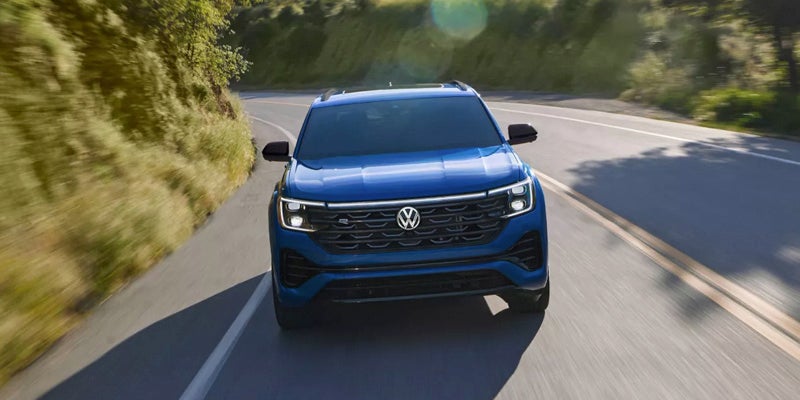
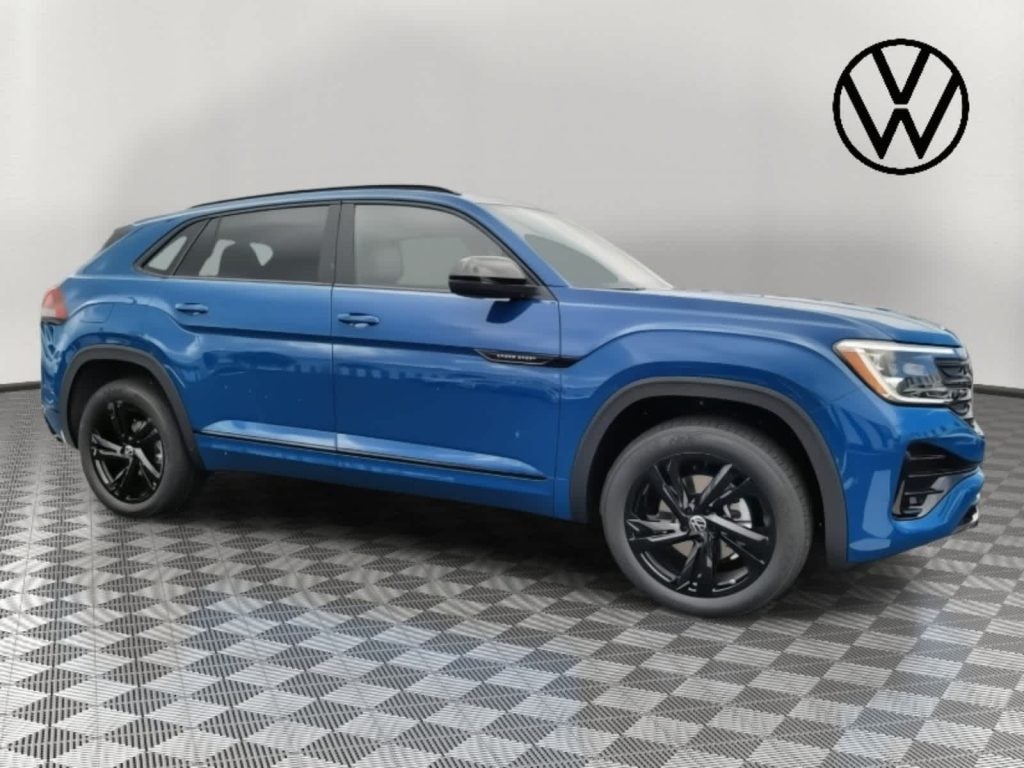
A small SUV like the 2025 Volkswagen Atlas Cross Sport is an excellent option for urban driving and long-range adventures. This two-row model is a smaller version of the flagship Atlas and comes with tons of practical features for active lifestyles. 1. Turbocharged Engine The Atlas Cross Sport is outfitted with a 2.0-liter turbocharged I4 motor that produces 269 horsepower and 273 lb-ft of torque. The powertrain has a 2,000-lb towing capacity to haul a small boat or trailer when properly equipped. An eight-speed transmission with selectable drive modes and a front-wheel drivetrain are standard. With a turbocharged motor optimizing fuel consumption, drivers can expect a gas mileage of 20 MPG in the city, 26 MPG on the freeway, and 23 MPG combined. 2. Intuitive Infotainment This model comes with a 12-inch multifunctional touchscreen to manage connected apps for media streaming, Bluetooth-connected devices for pass-through phone calls, and smartphones wirelessly integrated via App-Connect. Smartphone integration is the key to tailoring your entertainment experience with your favorite apps for podcasts, news, sports, weather, audiobooks, and music. A three-month trial for satellite radio services is also standard. 3. Climate-Controlled Seating Whether it's the peak of summer or the chill of winter, the Atlas Cross Sport enhances first-row rider comfort with climate-controlled seats. Each of the adjustable front seats has heat and ventilation settings that can be independently controlled. A heated, leatherette-wrapped steering wheel is also standard. The cabin maintains an ideal ride temperature with a dual-zone front automatic HVAC system with underseat ducts. 4. Flexible Cargo Capacity The Atlas Cross Sport comes with a concealed cargo space to store important items or keep emergency supplies out of sight. This SUV has a dedicated cargo volume of 40.3 cubic feet, which can easily hold a few large suitcases. By folding down the second-row seats, the cargo volume increases to 77.8 cubic feet. 5. High-Tech Driver Assistance This model comes with Travel Assist, a semi-automated system that assists with urban and highway travel by controlling lane-centered steering, braking, and acceleration. Front Assist, which has a forward collision warning system to alert you about potential impacts and an automatic braking system to prevent collisions, is also standard. Front Assist also has software that can detect impacts with pedestrians and bicyclists on the road. Other high-tech driver assistance systems include a blind spot warning system, rear cross-traffic alert, and a driver attention monitor that can detect distracted driving behaviors. Lane-keeping technology with lane departure warning is another crucial safety system. Drive a compact SUV full of sensible standard features and advanced safety technology. Visit Tom Bush Volkswagen in Jacksonville, FL to learn about finance deals today.

Volkswagen ID.Buzz

Explore the 2025 VW ID. Buzz: Features by Trim Level

Vintage vibes and modern technology collide in the groovy 2025 Volkswagen ID. Buzz. Five electrifying trim levels are filled to the brim with cutting-edge characteristics, wrapped in an exterior that pays homage to the original VW bus. Pro S The base model of the Volkswagen ID. Buzz is powered by a single rear-mounted motor and a 91-kWh lithium-ion battery pack, which grants the Pro S 282 horsepower. Inside the Pro S, you will find an assortment of creature comforts such as triple-zone automatic climate control, a heated steering wheel, and a heated 60/40-split second-row bench seat. The Pro S also comes standard with Volkswagen's IQ.Drive, which is a suite of driver-assist technologies to help make every drive a safe one. This suite includes adaptive cruise control, lane-keeping assistance, and a blind-spot warning system. Pro S Plus Next in the Volkswagen ID. Buzz lineup is the vibrant Pro S Plus, which comes with more fun exterior paint choices and a few extra convenience features. Loading up the crew and their gear is a breeze with the Pro S Plus's hands-free access sliding side doors and rear liftgate. A head-up display projects important vehicle information onto the windshield in the driver's line of sight. The Pro S Plus also comes with a surround-view camera system that gives a top-down view of the vehicle and its surroundings to help navigate tricky parking scenarios. Pro S Plus with 4MOTION The addition of 4MOTION grants the Pro S Plus all-wheel drive and gives it a power output of 355 horsepower. Outside this version of the Volkswagen ID. Buzz, you will find 20-inch alloy wheels fitted with all-season tires, LED headlights, and a heated windshield. Inside, the Pro S Plus with 4MOTION comes with some luxurious perks, such as 30-color adjustable ambient interior lighting and a 13-speaker Harman Kardon premium sound system. 1st Edition The special 1st Edition trim was created to celebrate the Volkswagen ID. Buzz's arrival to Volkswagen's lineup. This unique trim features two-tone paint and 1st Edition-exclusive 20-inch wheels and badging. Inside, you will find heated and ventilated front seats, a heated steering wheel, and a wireless phone charger. To top it off, the 1st Edition has a panoramic fixed-glass sunroof with electrochromic smart dimming that goes from clear to opaque at the swipe of a finger. 1st Edition with 4MOTION The 1st Edition trim with 4MOTION gets all-wheel drive and a heat-reflecting windshield. Additionally, the second-row bench seat is replaced with captain's chairs, providing passengers more space. Are you feeling more comfortable with the trim levels of the Volkswagen ID. Buzz? Visit Tom Bush Volkswagen to experience the ID.Buzz in person!

2025 Volkswagen Jetta

Why the 2025 VW Jetta Is Perfect for Everyday Driving

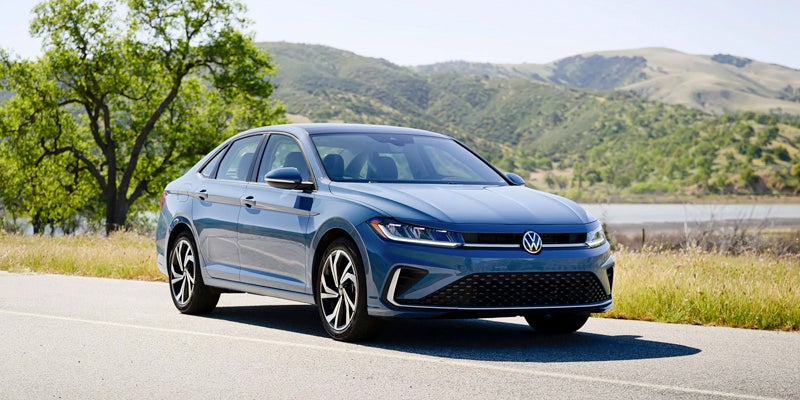
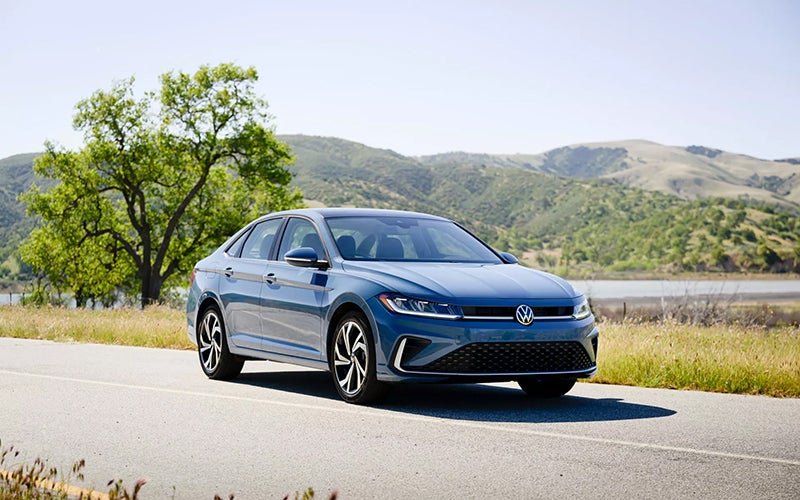
When you picture a super reliable sedan with a spacious cabin and an easy ride feel, a timeless model like the 2025 VW Jetta might come to mind. This flagship sedan has a long-standing reputation for being a driver-friendly economy vehicle for families and first-time drivers. The Jetta is built for efficient travel with a lightweight 1.5-liter turbocharged I4 gas engine and a front-wheel driveline. The gas motor provides 158 horsepower and 184 lb-ft of torque for gentle acceleration in urban environments and effortless speed maintenance on the highway. An eight-speed automatic transmission is standard, along with mechanical features like The Jetta has a trunk space that holds 14.1 cubic feet, which is enough space for a full set of golf clubs. The five-passenger model has a total passenger volume of 94.7 cubic feet, with a front-row legroom of 41.1 cubic feet and second-row legroom of 37.4 cubic feet, meaning even tall passengers can ride comfortably. Technology The Jetta is equipped with an eight-inch full-color center stack with integrated radio and a four-speaker audio system. Drivers can use App-Connect to mirror smartphone apps from Android Auto and Apple CarPlay on the central display via USB connection. Wireless connectivity via Bluetooth for compatible devices is also standard. A mobile hotspot supports on-the-go internet access. Technology is also part of the Jetta's mechanical features, such as the electronic power-assisted steering system, which adjusts the level of steering assistance based on the sedan's driving speed. The engine has automatic start-stop technology that senses when the vehicle is idle to cut down on gas consumption. Interior The spacious cabin comes with a six-way adjustable driver's seat, a four-way adjustable passenger's seat, and a rear bench seat with a 40/60 folding capability if you need to extend the trunk cargo space. A leather-wrapped steering wheel with controls for the cruise control system is standard. The cabin also features an auto-dimming day/night rearview mirror, a dual-zone climate control system with underseat ducts, and a remote release for the trunk hatch. Safety The Jetta comes with an adaptive cruise control system, which works by maintaining a safe stopping distance between your sedan and the leading vehicle while also matching the speed of surrounding traffic. This cruise control system functions in bumper-to-bumper traffic for less stress behind the wheel during rush hour. Other key safety systems include an active blind spot monitor, a rear traffic alert, and a lane-keeping system with departure warning. The Jetta comes with VW's Travel Assist, a hands-on semi-automated driving assistant that helps with steering, braking, and accelerating on the highway or in the city. An emergency SOS system is also standard. With a combined fuel economy of 33 MPG and tons of practical standard features, the VW Jetta cements itself as a go-to sedan for sensible drivers. Visit Tom Bush Volkswagen in Jacksonville, FL to explore finance offers.

Contact Us

Fill out this form below and we'll contact you shortly
*Required Fields