Blog / Oil Change in Jacksonville

Blog

All Oil Change in Jacksonville Jacksonville Volkswagen Dealer Tom Bush Volkswagen Things To Do In Jacksonville Jacksonville Volkswagen Service Tom Bush Volkswagen Service Jacksonville Amenities Jacksonville Entertainment Jacksonville Used Cars Jacksonville Eateries Jacksonville Parks Fun in Jacksonville Jacksonville Car Repair Jacksonville Restaurants Jacksonville Family Fun Tom Bush Family of Dealerships Tom Bush Volkswagen Collision Jacksonville Volkswagen Collision Center Date Night Jacksonville Fitness Getaways Jacksonville Auto Finance Things To Do Near Jacksonville Volkswagen Atlas Jacksonville Beaches Road Trips Jacksonville Finance Tom Bush Volkswagen Finance Florida Weddings Vegetarian Foodies Volkswagen ID.4 Volkswagen Taos
Volkswagen Oil Change

Volkswagen Maintenance Schedule: Keeping Your Vehicle Reliable

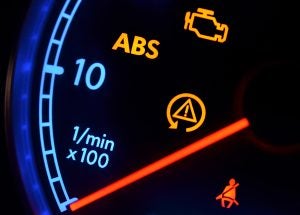
Volkswagens are known for their exceptional German build quality and everyday practicality. However, as with any car, you need to maintain your VW with a certain amount of diligence. This Volkswagen maintenance schedule will ensure that your VW never lets you down. Don't Neglect Your Monthly Checks Some things require attention every month. Each fluid in your car, including the motor oil, must be checked; make sure no fluids are degrading, contaminated, or low. You should also inspect your headlights and all exterior lights, which are vital for road safety. Above all, check your tire pressure monthly, and also inspect each tire for signs of damage, uneven wear, or shallow treads. Book These Biannual Services Two times a year, your VW needs a few essential services with a trusted technician. Have your motor oil changed and tires rotated, aligned, and balanced at this time. Your brakes, exhaust system, and battery should all be inspected every six months. Also, wax your car and check your wiper blades, and replace them if necessary. All Cars Require Yearly Inspections more The air filters for the engine and cabin typically last about a year and should be replaced when clogging up. Also, have your suspension inspected and fine-tuned once a year. Your engine also needs to be tuned yearly. This should entail a careful examination of each spark plug and other important engine component. Have your cooling system pressure-tested, your fuel system inspected, and your transmission examined for signs of wear and leaks. All belts and hoses must also be checked at least yearly for fraying, cracks, and leaks. You can arrange all these inspections in one convenient visit with our VW technicians. Plan for the Longer-Term Upkeep Tasks Over the longer term, you'll need to replace your tires, which may last from four to six years. Your battery is likely to last about three to five years. Your brake's pads and rotors may last from two to five years. The engine's timing belt could last longer. Your coolant and brake fluid will probably need to be flushed every two or three years. The transmission and differential fluids tend to last a lot longer than this. One of the main purposes of all the inspections is to keep a close eye on these components and fluids, so they can be replaced in a timely way. Respond Quickly to Dashboard Warning Lights This maintenance routine will effectively protect and preserve your VW. In addition, adopt a quick-response attitude to signs of car trouble. Whenever you feel, see, hear, or smell something wrong, try to figure out the fault and ask a technician for help, rather than hoping the problem will go away on its own. If you put off repairs, a minor issue could grow into something much more hazardous and costly to fix. Allow us to arrange a comprehensive maintenance timetable for your VW. Visit Tom Bush Volkswagen in Jacksonville, FL, to get started. We've been keeping our customers' cars in terrific shape since 1970.
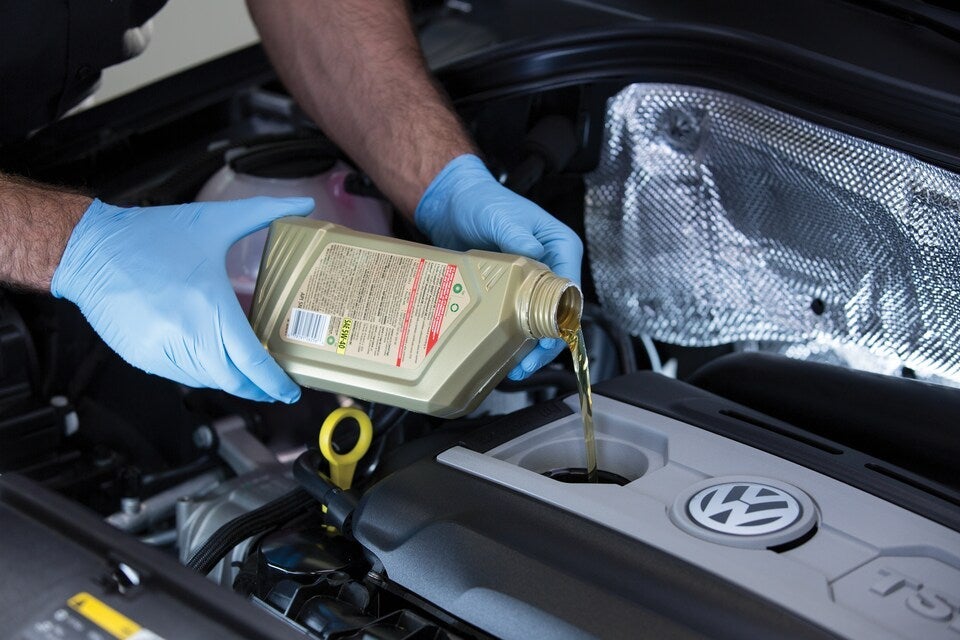
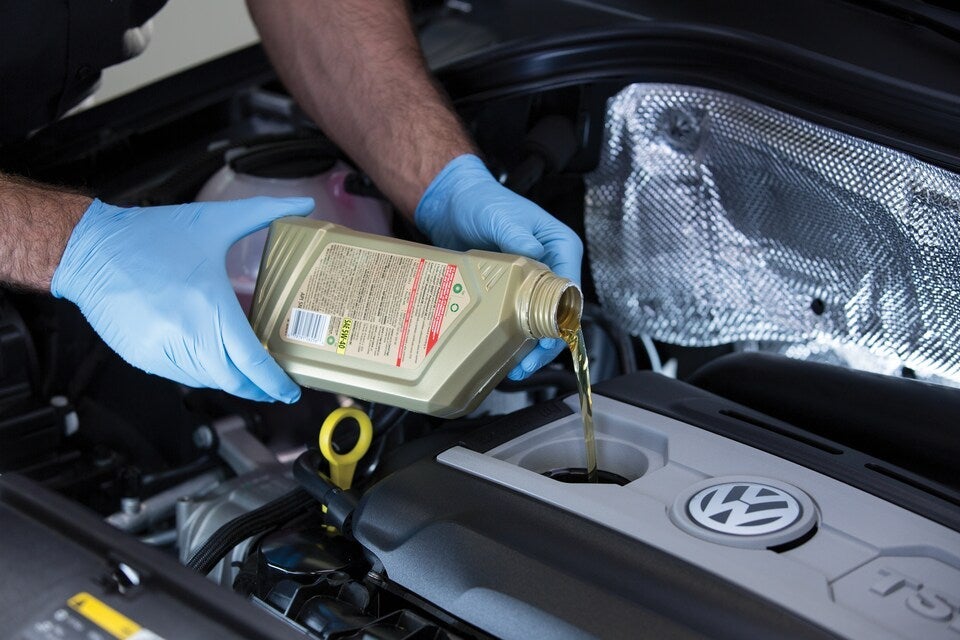
VW_Oil_Change (1)

5 Benefits of Getting OEM Parts for Your VW

Two types of parts may be used to replace components in your vehicle: OEM parts and generic parts. Generic parts are also sometimes called aftermarket parts. OEM components are made by the manufacturer. Visiting your VW dealer will make sure OEM components are always used in your car when something needs to be replaced. 5 Benefits of Getting OEM Parts for Your Volkswagen At Your VW Dealer 1. For Your Warranty There's nothing in your Volkswagen's warranty saying you can't use generic parts to upgrade your vehicle or replace broken OEM components. However, if the generic part causes problems with other parts or if the generic part malfunctions, then the repairs may not be covered by the warranty. If the technician at the dealership determines the generic part caused a problem you're having with your vehicle, then you'll most likely have to fully cover the cost of the repairs yourself. more 2. For the Quality Generic parts are not manufactured in the same way as OEM ones. Their specifications don't have to be as precise, and they don't have to use the exact same design and materials as the OEM components. Drill holes may not be in alignment, making fitting difficult. They may have a nonidentical pitch thread. Sometimes parts even have inferior welding, leading to the new part cracking and damaging surrounding components. 3. For the Availability Suppliers of generic parts need to keep an array of different parts on hand, and they won't always have what you need when you need it. OEM suppliers stock critical components most likely to be needed. We keep an array of OEM accessories and parts on hand, and you can order them directly from us. It can take longer to obtain generic parts, and it can be harder to find high-quality ones, so going to a dealership for parts is always the easiest and best option. 4. For the Knowledge Generic parts suppliers and people who install and repair generic parts simply don't have the same amount of knowledge that someone working with OEM components does. Dealerships employ factory-trained technicians who specialize in working on one type of vehicle. If you have a Volkswagen, then your Volkswagen dealership will have technicians with Volkswagen expertise. This means they also have expertise in the different OEM components they work with in the vehicles. 5. For the Long-Term Costs Having a vehicle full of generic parts costs more in the long term. They wear down faster and can cause wear on surrounding components, meaning more part replacements more frequently. OEM components last longer, and they shouldn't cause any surrounding parts to wear down faster, meaning you'll pay less for repairs and replacements over time. Stop by Tom Bush Volkswagen to make sure original parts are always used in your vehicle. Your Volkswagen deserves the best, and OEM is the best when it comes to replacing parts.

What's Included

What's Included in VW's 2022 New Car Warranty?

When you purchase a new vehicle from your VW dealer, you'll get the benefits of Volkswagen's industry-leading warranty coverage. But what exactly does that coverage entail? We'll take a closer look at each aspect of Volkswagen's new car warranty in our guide below to give you the information you need. What's Included in VW's 2022 New Car Warranty? Bumper-to-Bumper Warranty The bulk of the coverage you'll enjoy as the owner of a new VW is included within your vehicle's bumper-to-bumper warranty. This covers the vast majority of the components within your vehicle, with only a few exceptions. If any of these components fail as a result of a deficiency in the manufacture of your vehicle, you'll be covered for a replacement at no extra charge. This coverage lasts for four years or 50,000 miles of driving, whichever comes first. more Powertrain Warranty Among the components not covered under your bumper-to-bumper warranty are the critical parts of your vehicle that make it drive, including the engine, transmission, and drivetrain. Should any of these components fail due to a factory defect, you'll be entitled to have them replaced with Volkswagen covering the expenses. This warranty has the same limits as the bumper-to-bumper warranty. Battery Warranty The warranty coverage your new VW has also provides protection for your battery. If the battery fails within the first three years or 36,000 miles after your purchase, you'll be covered for a replacement at no additional charge. This helps to ensure the vehicle's electrical components are all functioning properly. Parts and Accessories Warranty For additional protection for the components of your vehicle from factory defects, the parts and accessories warranty also comes with your vehicle. This will allow you to replace any of the official Volkswagen parts used in your vehicle that are found to be defective. This coverage extends for one year after your purchase or 12,000 miles of driving. Federal Emissions Warranty Various parts of your vehicle, such as the catalytic converter, function to reduce the emissions that your vehicle produces from burning fuel. The federal emissions warranty covers these components to ensure that you meet the emissions regulations stipulated by the law. This helps to ensure the environmental impact of your travels is mitigated and lasts for eight years or 80,000 miles. Learn More at Your VW Dealer Still have questions about what your new VW's warranty covers? The friendly team at your local dealership can tell you more. We're happy to answer any questions that remain so that you know exactly what sort of coverage you're riding with. Any questions you have about the quality Volkswagen vehicles in our inventory or the warranty coverage they come with can be answered when you visit our dealership. Get the information you need at Tom Bush Volkswagen!

2022-Volkswagen-Passat-05

6 Signs Your VW Could Use a Transmission Service Appointment

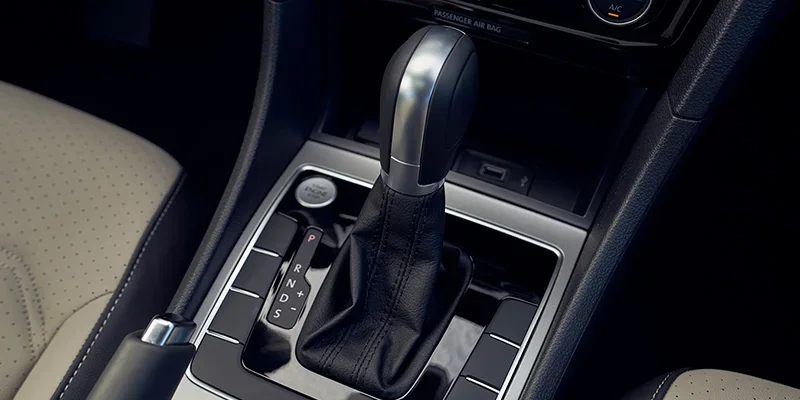
Your VW's transmission is an integral part of getting you from one place to another. Over time, parts may become worn or damaged, which means your car won't run smoothly or efficiently. There are some signs that will let you know you need transmission service from a VW dealer. 6 Signs You Need Transmission Service From a VW Dealer 1. Your Vehicle Won't Stay in Gear After starting your vehicle, if you shift your vehicle into gear but it won't move, this could be a sign that you're having some major issues. There are many different reasons why your car won't stay in gear, including low fluid levels or problems with the shifter cable, valve body, or shifter. Taking your vehicle to a professional and having them diagnose and fix the problem is in your best interest. 2. There Are Delayed Shifts While driving down the road, if you notice that your vehicle takes longer to shift into another gear, this could be an indicator that there's something wrong with your transmission. Don't delay getting this issue looked at. The longer you delay having this issue looked at, the more your engine could get damaged. more 3. Your Car Misses Gears In addition to delayed shifts, you might also notice that your VW misses certain gears. Again, getting this taken care of as soon as possible will prevent more wear and tear on your vehicle, as well as ensure that you have a smooth ride. 4. You Notice High Revving or Slipping Both high revving and slipping can be caused by a variety of different issues, including a fluid leak, wear and tear on internal components, water intrusion, or contamination. Your clutches may also be worn, or other parts may be going bad. No matter the cause, high revving or slipping is not good and should be taken care of as soon as possible. 5. Your Vehicle Is Leaking Fluid Your VW requires a variety of different fluids to keep it running properly, and any of them leaking from your vehicle is cause for concern. However, if you notice liquid that is bright red, brown, or dark red, this indicates you're leaking transmission fluid. Take care of this as soon as possible to keep your vehicle on the road. 6. You Experience a Burning Smell The burning smell could be the result of several different issues, including the gears or other components grinding against each other or fluid dripping onto parts of the engine and getting super hot. Don't try to figure out the source of the smell, just get your VW into a professional as quickly as you can. If you notice any of these warning signs, getting your vehicle in for repairs is essential. You can schedule a service appointment or look for new vehicles by visiting Tom Bush Volkswagen today.

catalytic converter 41

Does Your VW Need a New Catalytic Converter?

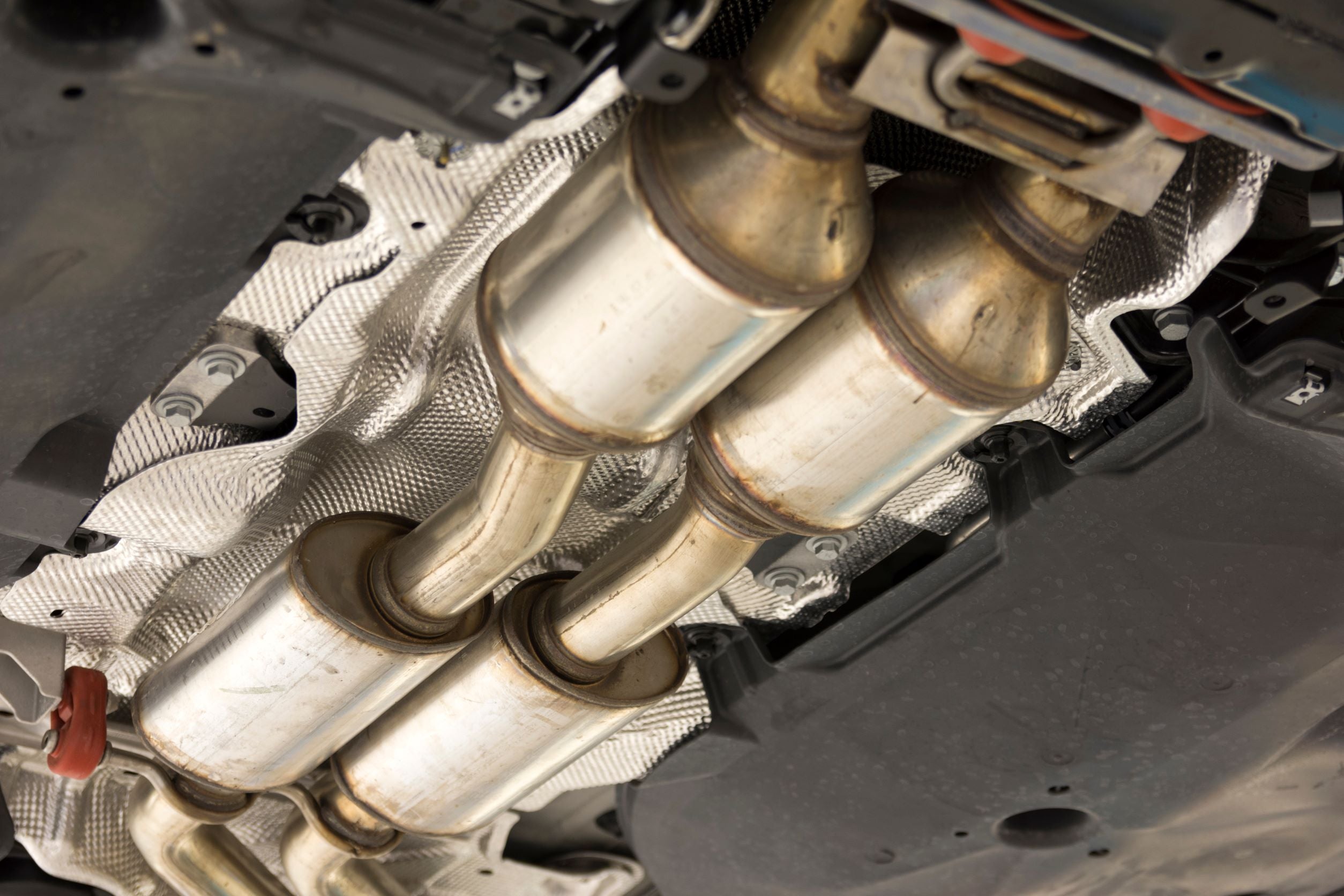
The catalytic converter is an important part of your Volkswagen exhaust system and helps reduce harmful emissions by catalyzing a series of chemical reactions. These reactions also increase the car's performance and efficiency. Here are a few ways to know when you might have to head to your VW dealer for a replacement cat converter. From Your VW Dealer: Signs That Your VW Needs a New Catalytic Converter Sulfur/Rotten Egg Smell If there's an odor that smells like rotten eggs coming from your car's exhaust, chances are that there's a problem with the cat converter. Normally, gasoline contains small amounts of sulfur and nitrogen oxide that get broken down by the converter into odorless gases. If a faulty converter is failing to break down these molecules, the exhaust system will produce a strong and unpleasant smell. In this case, the converter could be damaged due to excessive carbon buildup, overheating, or severe road bumps. more Rattling Sound Inside the cat converter is a ceramic honeycomb structure that provides a large surface area where chemical reactions can take place. If the converter isn't replaced when needed or experiences premature wear, this structure will deteriorate to the point that it breaks apart. Its broken pieces will start to bounce around within its housing while the car is in motion, which you'll hear as a rattling noise. At first, the sound might only be noticeable when starting the car, but it's certain to get worse over time, becoming constant as the converter's honeycomb breaks into even more pieces. Decreased Fuel Economy Cat converters should allow exhaust gases to exit the vehicle freely. If it becomes too damaged or clogged, it will trap those gases, which prevents outside air from coming into the engine. When the engine can't take in enough fresh air needed for good combustion, more fuel will be brought in to make up for that deficiency. This leads to greatly reduced gas mileage and more frequent trips to the pump. Car Fails to Pass Smog Testing Oftentimes, drivers won't find out that their cat converter has gone bad until their car is taken to an emissions test and fails. Without a properly functioning converter, the number of toxic gases emitted from a vehicle's exhaust system skyrockets, so there's little hope of passing a smog test. Besides the cat converter, you'll also want a mechanic to inspect the fuel injection system, mass air flow sensor, and oxygen sensor. Though you don't need to replace the cat converter right away when experiencing these signs, your car will be suffering from degraded performance and contributing much more air pollution. Schedule an appointment with our service department at Tom Bush Volkswagen today and we'll help ensure that your car is running at its best!

vw-service

3 Engine Problems You Should Always Fix at Your VW Dealer

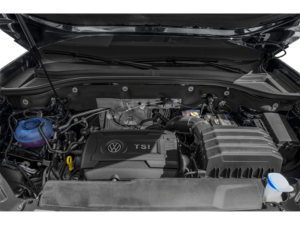
Your VW has a powerful, reliable engine, but it does need regular service to keep it in great condition. Engine problems can develop as parts wear out or fail. In Jacksonville, FL, your VW dealer can fix any problem with your engine. These are samples of issues we can repair 3 Engine Problems You Should Always Fix at Your VW Dealer Starting Problems When you start your car, an electrical charge is sent from your battery to the starter solenoid. This solenoid activates and provides the power to crank your engine. If your engine doesn't start, or labors to start, there's a problem our technicians need to investigate. Starting problems can be caused by a worn battery, a broken solenoid, a blocked catalytic converter, or cable problems. If your battery is old or weak, it may not be able to generate the charge necessary to start your engine. You'll hear this as your engine struggles to start. If the solenoid is broken, you won't hear any sound. The broken solenoid won't pass on the power to crank the engine. A blocked converter will create a backflow of gases into the engine, and this will shut down your engine. more Engine Overheating Your engine operates at a temperature between 185 F and 220 F. To keep the engine from overheating, you have a very efficient cooling system. Coolant is released into your engine, and it absorbs the heat. The heat is then carried to the radiator where its exchanged for cooler air. If the cooling system malfunctions, your engine can rapidly overheat. Several different problems can cause overheating. Your radiator, for example, can become clogged. The coolant absorbs dirt and debris in your engine and carries it to the radiator. When the coolant is cooled and drawn out of the radiator, the debris is left behind. In time, this debris can block the radiator, hoses, pipes, and cooling tubes. This will cause your engine to overheat. Damaged Sensors Sensors are attached to all the important components in your engine. These sensors are connected to your VW's computer. The sensors continually feed information on their component back to the computer. This information is used by your computer to make decisions on oxygen levels, temperature control, and everything else needed for your VW to operate efficiently. If a sensor fails, this can create serious problems. A failed oxygen sensor, for example, can incorrectly report the amount of oxygen in your engine. This can cause poor engine performance, increased fuel usage, damage to the spark plugs, and even damage to the catalytic converter. These are just some of the problems our VW-trained technicians can repair. If you have any problem with your VW's engine, call our service department ASAP at Tom Bush Volkswagen.

3 Reasons to Get Your VW's Transmission Repair at the Dealership

Your VW's transmission is a vital part of your car. If your transmission fails, your VW's superb engine will run, but its power won't be transferred to the wheels, and your car won't move. The transmission transfers the power of your engine to the wheels via gears that allow you to control your speed. As your transmission is so important, these are some of the reasons why you must visit your VW dealer when you need a transmission repair. more 3 Reasons to Get Your Transmission Repair at Your VW Dealership Expertise and Experience If you have a transmission problem, you could take your car to an independent mechanic rather than your dealership. An independent mechanic, however, works on a wide variety of makes and models of cars every day. While the mechanic may be very experienced, their knowledge is of general automotive repairs. Our factory-trained technicians, in contrast, are specialized in working on VW's and are experts in the nuances of all our models. Due to their training and vast knowledge of VW vehicles, our technicians can very quickly and easily spot a potential problem and repair it. Our technicians have to meet the highest standards to work on your car, which provides a guarantee and peace of mind that an independent mechanic cannot offer. Genuine Parts Your VW is an important investment to you, and you want to protect and maintain your investment. As a dealer, we only use genuine VW replacement parts and will never use anything else. While it's possible to get generic replacements for many components, generic parts will never work as well, or last as long, as genuine parts. A generic component may cost less now, but that cost-saving is lost when it has to be replaced sooner than an original part. Our service department carries a vast range of replacement parts, and this speeds up your repair as we have the part available immediately. An independent mechanic is very unlikely to have the correct part available and there will be a delay as it will have to be ordered. In addition, an independent mechanic will most likely use a generic than an original VW part. High Standard From our customer service to our technicians to the quality of our work, we are dedicated to the high standards you expect from Volkswagen. You chose your VW for its reliability and dependability, and those are the values we uphold. We can offer a level of care and commitment to you and your car that an independent mechanic simply cannot. A transmission will never just fail, there are always telltale signs that there is a problem. The longer that problem is untreated, the worse it will become and the more expensive it will be to repair. To protect your valuable investment, and to ensure you receive the quality care and attention your car deserves, call us at Tom Bush Volkswagen. We can ensure that your repair meets the level and standard you expect from Volkswagen.

7 Signs Your VW Needs an Engine Diagnostic

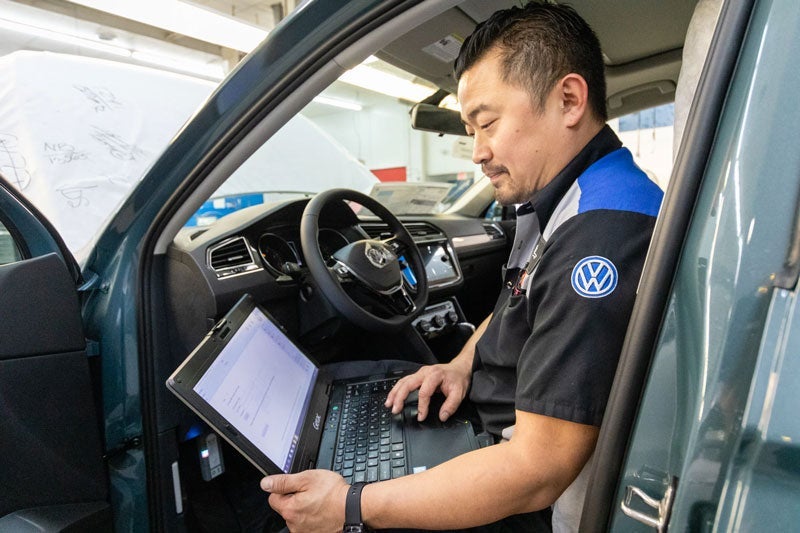
An engine diagnostic will pinpoint your car's problems accurately. The qualified Volkswagen technicians at your VW dealer utilize advanced diagnostic equipment to precisely determine the cause of vehicle issues and perform expert maintenance and repair services. more 7 Signs Your VW Needs an Engine Diagnostic From Your VW Dealer 1. The Check Engine Light Is On When your car's check engine light is on or flickering, it's a warning that something is not correctly working. To avoid further damage and expensive repairs, you should not ignore dashboard warning lights. Your qualified Volkswagen technician will perform a diagnostic test with advanced diagnostic equipment to find and repair the problem fast and effectively. 2. Poor Gas Mileage Various issues can cause your vehicle to consume more gas. A diagnostic test is handy to pinpoint precisely what is causing your vehicle's high fuel consumption. When your Volkswagen is guzzling gas, ask your Volkswagen technician to perform a diagnostic test to determine why you need to fill up more often. The technician will fix the issue fast, and you will immediately reap the benefit of saving money on fuel. 3. A Loss of Power A car loses power due to an improper air-fuel mix. When your vehicle is suddenly slow and sluggish, and you can feel a loss of power when you step on the accelerator, ask your Volkswagen technician to perform a diagnostic test. The test is a quick and accurate way to find the problem so the necessary repairs can be performed. 4. Rough Idling An array of vehicle issues can cause your car to idle roughly, from bad spark plugs and dirty air filters to a failing fuel pump. Ask your Volkswagen technician to perform a diagnostic test as soon as possible. The test will accurately pinpoint what is causing your car to idle roughly, and the technician will do the necessary repairs to ensure that your vehicle runs smoothly. 5. Strange Noises When you hear new, unfamiliar sounds, especially from under your car's hood, a diagnostic test will quickly determine the cause before more damage occurs. The longer you wait to attend to the problem and repair it, the more damage will occur, leading to higher repair costs and even replacements. 6. Unfamiliar Odors and Exhaust Fumes Smelling unfamiliar odors is a concern, especially if you get a whiff of your car's emissions inside the cabin. Exhaust fumes are a sure sign that there's a problem with the exhaust system, and smelling the fumes inside your vehicle is also not good for your health. Ask your Volkswagen technician to perform a diagnostic test as soon as possible. 7. Smoke From the Tailpipe Contact your dealership for service if you see smoke in your rearview mirror. Many car issues will cause smoke to pour out of your car's tailpipe, and with a diagnostic test, the cause of the problem will be found and dealt with fast. Get rid of the guesswork and get your car problems repaired quickly and accurately with a diagnostic test from a qualified Volkswagen technician at your dealership. Visit Tom Bush Volkswagen today for a diagnostic test and make your vehicle issues a thing of the past.

Does Your VW Need an Alternator Repair?

Your car's alternator is one of the most important components of your car's engine. It's what keeps your batteries charged, so if it's not working properly, your engine might not be able to start. This could leave you stranded! Therefore, it's really important to keep it in top condition, so if you notice any of the signs below, then it's time to pay a visit to your local Volkswagen dealer for an alternator repair. more 5 Signs You Need an Alternator Repair From Your Local Volkswagen Dealer 1. Your Dashboard Lights Come On Some cars make it easy to know if your alternator is having trouble. You'll often see a light in the shape of a battery appearing to let you know something's wrong. On some cars, you might see the letters ALT or GEN appearing instead. Even if you haven't noticed anything else wrong, don't' ignore it and hope it goes away! You could be in for worse trouble if you leave it too long, so take it to us for a diagnostic immediately! 2. New Battery Problems If you've just replaced your battery, or your car is still fairly new, you should expect it to be reliable. But what if replacing your battery hasn't solved your power problems? It could be that your battery is working correctly, but your alternator isn't charging it properly. A bad alternator might not be able to recharge the battery, which can look a lot like it's the battery itself that's the problem. 3. Dim or Flickering Headlights It's the alternator that's responsible for charging up your headlights, so if they don't seem to be working properly, then it could be the alternator that's at fault. Some of the most common symptoms are headlights that seem to be dimmer than normal or seem to be flickering. Again, it might be tempting to chalk this up to an issue with the headlights themselves, but always be aware that it could be the alternator at fault. 4. Strange Engine Noises Yes, this might sound a bit vague. After all, there are lots of reason's why your engine might be making strange noises, but it's important to be aware that it could be the alternator that's causing them. A failing alternator can in turn damage some of the engine bearings, which will manifest as an odd rattle. While it might not be enough on its own to pinpoint the alternator, when combined with some of the other symptoms on this list, it can be an important sign. 5. Your Car Stalls or Fails to Start Your car doesn't only need gas to run correctly, it also needs electricity. Power is used to ignite the fuel by way of the spark or glow plugs, which draw their power from, you've guessed it, the alternator. If it's not working correctly, you could find your engine stalling suddenly, or refusing to start entirely. If you've noticed one or more of the symptoms on this list, then your alternator might well need some attention. Give us a call at Tom Bush Volkswagen today, and one of our technicians will be more than happy to take a look.

5 Essential Services You Can Find at Your Jacksonville Volkswagen Dealership

Your Jacksonville, FL Volkswagen dealership offers a range of useful services for you and your vehicle. We know Volkswagen vehicles very well, and we also know how to take care of them. Our technicians have had thousands of hours of training, and they're ready and waiting to provide all the services below. more 5 Essential Services You Can Find at Your Jacksonville, FL Volkswagen Dealership 1. Oil Change You should get an oil change at least once every 12 months, and we'll be happy to take care of it for you. We'll check your entire oil system to make sure there are no leaks, and we'll repair any problems that we find. You can also come to us for repairs on your oil system if something is wrong in between oil changes. 2. Brake Repairs You need to get your brakes checked out regularly, as they're one of the most important parts of any vehicle. Your breaks keep you safe, so if they're in disrepair, then driving becomes more dangerous even on easy journeys. We'll make sure your brakes are fixed promptly when something is wrong, and our regular checkups will help keep them in perfect condition all year. Common signs that your brakes are in disrepair include: Squeaking, shrieking, or grinding noises A vibrating steering wheel A burning smell A soft brake pedal The breaks are less effective than usual 3. Battery Replacement Vehicles need new batteries every 3 to 4 years, although getting a new one every three years is best. We'll be pleased to replace your battery for you when necessary, and we'll check on the condition of your battery during your annual service. We'll notify you straight away if we notice anything wrong with your battery, and we'll make all the necessary repairs to get it back into the best possible condition. 4. Acquiring Parts Do you need new parts for your vehicle? You should order them with us. We have an online parts form that you can fill out, and we'll be able to check our stock to see if we already have that part here. If you don't, then we'll be able to order that in for you, and one of our qualified technicians will fit the part or parts into your Volkswagen easily. We'll make sure that we only use original Volkswagen parts, as this maintains optimum performance in your vehicle, and it will ensure you get more for your Volkswagen if you decide to sell it or trade it in a few years. 5. Cooling System Repairs If your cooling system isn't working correctly, then your engine is in danger. We'll make sure to top up your coolant level, check for leaks, and repair any issues we find in your cooling system when you come to us for your annual full-service. We'll also give your radiator and cooling system a checkup if you request one between annual services, and we'll repair any damage that a broken cooling system. Come to Tom Bush Volkswagen if you need any of the services listed above. We work hard, our prices are reasonable, and we truly care about our customers and their vehicles.

Contact Us

Fill out this form below and we'll contact you shortly
*Required Fields