Blog

All Jacksonville Volkswagen Dealer Tom Bush Volkswagen Things To Do In Jacksonville Jacksonville Volkswagen Service Tom Bush Volkswagen Service Jacksonville Amenities Jacksonville Entertainment Jacksonville Used Cars Jacksonville Eateries Jacksonville Parks Fun in Jacksonville Jacksonville Car Repair Jacksonville Restaurants Jacksonville Family Fun Tom Bush Family of Dealerships Oil Change in Jacksonville Tom Bush Volkswagen Collision Jacksonville Volkswagen Collision Center Date Night Jacksonville Fitness Getaways Jacksonville Auto Finance Things To Do Near Jacksonville Volkswagen Atlas Jacksonville Beaches Road Trips Jacksonville Finance Tom Bush Volkswagen Finance Florida Weddings Vegetarian Foodies Volkswagen ID.4 Volkswagen Taos
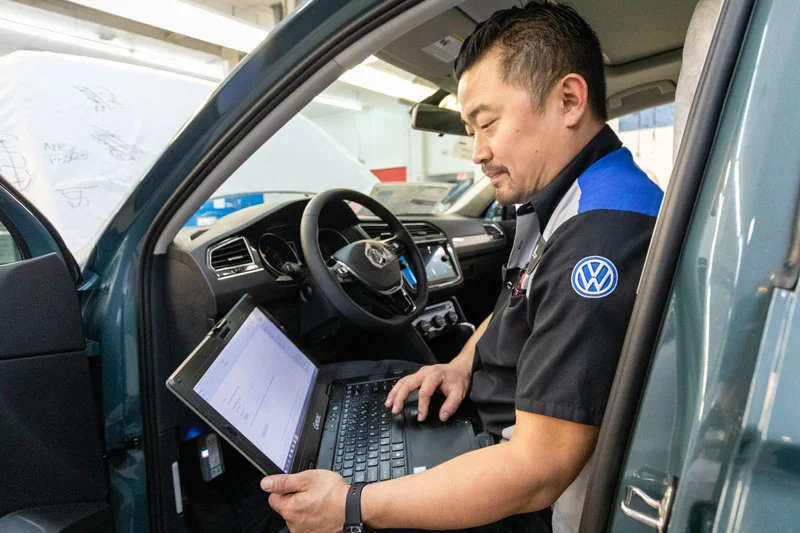
A Volkswagen Certified Technician running diagnostics on a vehicle
in Jacksonville Volkswagen Service

3 Signs That Your Volkswagen Needs New Spark Plugs

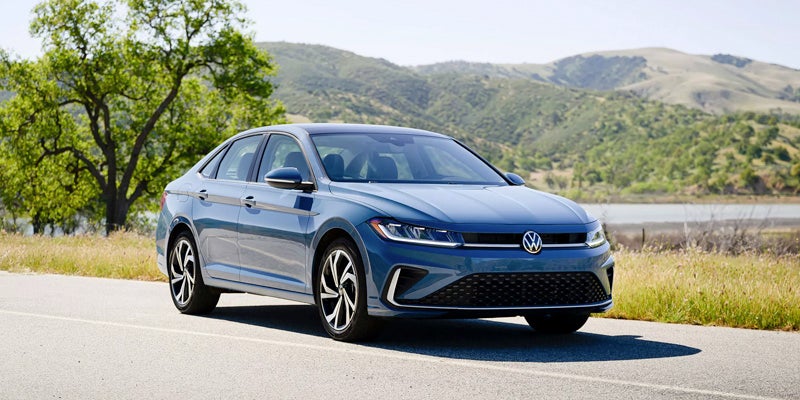
Volkswagen Spark Plug Timing Is Vehicle Specific Volkswagen spark plug replacement timing comes from the maintenance schedule for the exact model and engine. One mileage figure does not apply to every Volkswagen. Additionally, Volkswagen schedules may use both mileage and elapsed time. The correct interval can change by engine, model, and model year. How often should Volkswagen spark plugs be replaced? Start with the Volkswagen maintenance schedule for your vehicle. That schedule provides the maintenance point Volkswagen assigned to that engine. This approach is more accurate than choosing an interval based only on spark plug material. A plug may use iridium, platinum, or another design. However, the vehicle service schedule still controls when Volkswagen calls for replacement. Therefore, check the schedule before assuming that a generic mileage estimate applies. Why Model and Engine Matter Volkswagen uses different engines across its lineup. Those engines do not all share the same spark plug service interval. Some Volkswagen maintenance schedules call for replacement around 40,000 miles or four years. Others use 60,000 miles or six years. Different applications can use another interval. Why do the intervals differ? Engine design, spark plug specification, and service requirements vary by application. Therefore, one number cannot accurately cover every Volkswagen. The easiest way to verify the correct interval is to use the maintenance information tied to your vehicle. Your model year and engine matter more than a broad internet estimate. Additionally, service records can help. They show whether previous spark plug replacement has already been completed. If the service history is unclear, a Volkswagen service advisor can help identify the correct maintenance point. Mileage and Time Both Matter Many maintenance items are discussed only in mileage terms. However, Volkswagen schedules may also include a time limit. That means a vehicle with low annual mileage can still reach the service point through age. Consequently, owners should review both numbers when checking spark plug timing. Does age matter even if you drive very little? It can when the Volkswagen maintenance schedule lists a time limit. A schedule may state a mileage point or a number of years, whichever comes first. That language keeps service timing tied to both driving and elapsed time. Therefore, do not look only at the odometer. Review when the plugs were last replaced as well. Useful information to gather before scheduling service includes: The current odometer reading helps determine whether the mileage point is approaching. The vehicle model year and engine identify the maintenance schedule that applies. The date and mileage of the previous spark plug service show whether replacement has already been completed. Keeping this information together makes future maintenance planning simpler. Why Generic Spark Plug Lifespans Can Mislead Older spark plug articles often group replacement timing by plug material. Copper plugs may receive one estimate, while platinum and iridium plugs receive longer estimates. That approach can be misleading for Volkswagen maintenance planning. Does an iridium plug automatically mean 100,000 miles between replacements? No. The maintenance schedule for the exact vehicle should take priority. The plug material is only one part of the design. Volkswagen selects specific plugs for specific engines and assigns maintenance requirements accordingly. Therefore, a generic lifespan should not replace the service schedule. This distinction is important because the previous version of this Tom Bush article used broad material based estimates. The refreshed guidance should remove those universal figures. Instead, use the vehicle schedule and correct plug specification. What Volkswagen Spark Plug Service Includes Spark plug service involves more than removing one plug and installing another. The correct replacement plugs must match the engine specification. A technician begins by confirming the vehicle and required parts. Then the existing plugs can be removed and inspected during service. What can removed spark plugs reveal? Their condition may show wear, deposits, or other clues that deserve attention. However, plug appearance alone does not always identify the full cause of an engine concern. Additionally, the surrounding ignition parts can be checked when needed. Ignition coils sit directly above or near the plugs on many Volkswagen gasoline engines. For more context on overlapping ignition symptoms, review the Tom Bush guide to faulty Volkswagen ignition coils. The replacement plugs must also be installed correctly. Proper fit and tightening matter because each plug seals into the cylinder head. After replacement, the engine can be checked for normal operation. If warning lights or misfires were present before service, further diagnosis may still be necessary. What if Symptoms Appear Before the Scheduled Interval Scheduled replacement and symptom diagnosis are separate issues. A Volkswagen can develop an ignition concern before the normal spark plug service point. What should you do if the engine begins misfiring before the interval? Schedule diagnosis instead of waiting for the maintenance date. Worn plugs are one possible cause. However, ignition coils, wiring, fuel delivery, and other engine faults can create similar symptoms. That is why the companion Tom Bush Volkswagen spark plug warning signs guide has a different role. It covers symptoms and diagnosis rather than scheduled maintenance. Use that guide when you notice rough running, hesitation, misfires, or a check engine light. Use this page when you need to know when spark plug service is due. Tom Bush Volkswagen in Jacksonville can verify the maintenance schedule tied to your vehicle. You can schedule Volkswagen service when replacement is due or when an ignition concern needs diagnosis. Start with the model, engine, mileage, and service history. Then confirm the correct interval before scheduling replacement. That process keeps spark plug service tied to the Volkswagen in your driveway, not a generic mileage estimate from another vehicle.

Read More
Volkswagen Air Filter Replacement Signs and Timing

Volkswagen Air Filter Maintenance: A Comprehensive Guide

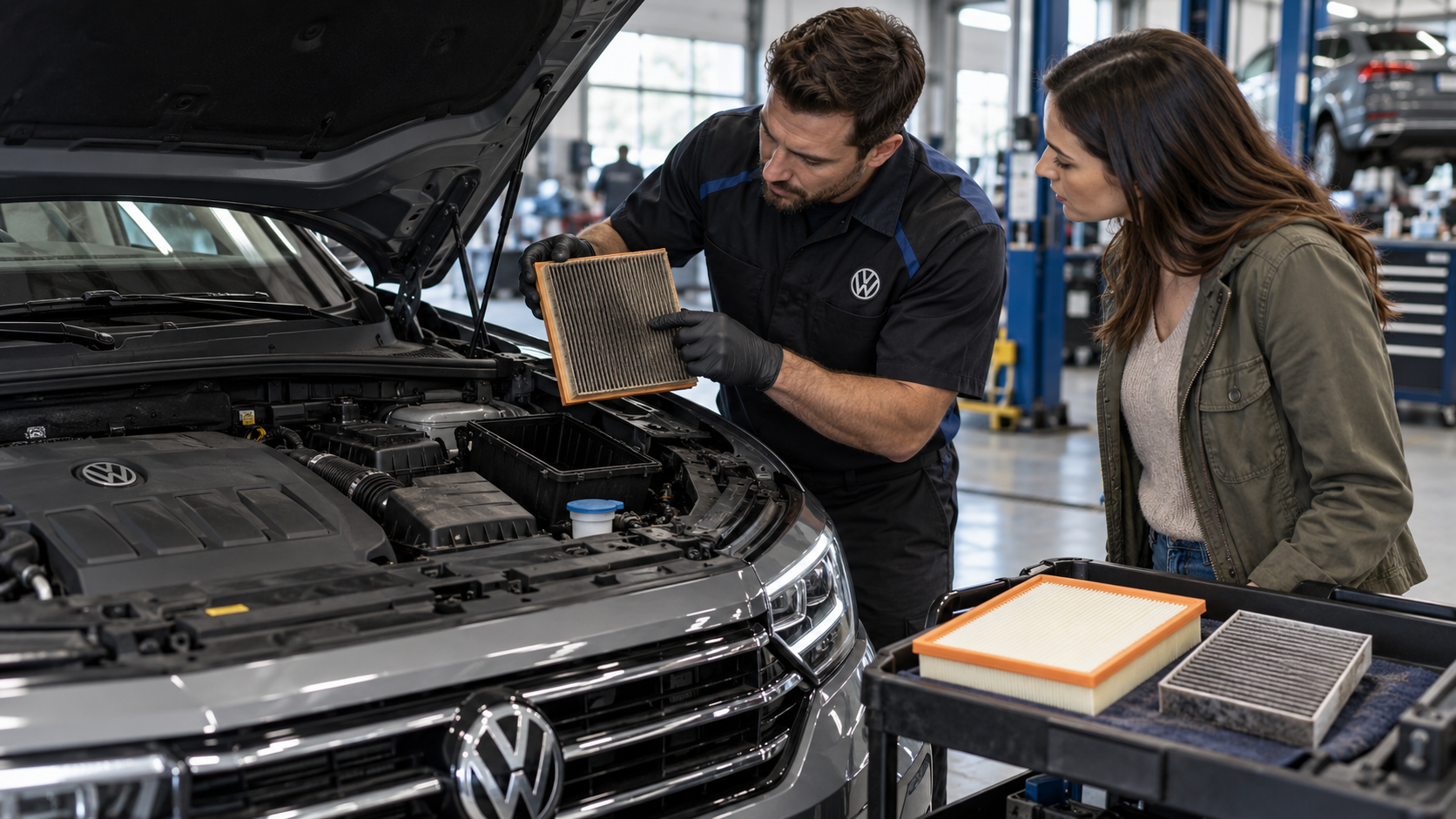
Know Which Volkswagen Air Filter Needs Attention Volkswagen air filter replacement starts with knowing which filter needs attention and what signs justify an inspection. Additionally, your Volkswagen uses separate filters for engine intake air and cabin ventilation. Each filter handles a different job, so the signs of trouble are different. Furthermore, the engine air filter sits in the intake path and traps dust and debris before air reaches the engine. In addition, the cabin air filter works with the ventilation system and filters air entering the passenger compartment. Does your Volkswagen have more than one air filter? Yes. The engine filter protects the intake path, while the cabin filter supports cleaner airflow through the HVAC vents. Because the two filters serve different areas, one symptom should not be used to judge both. A musty vent smell points toward cabin filtration. By contrast, visible debris in the engine filter points toward the intake side. Signs the Engine Air Filter Should Be Inspected Additionally, the engine air filter collects airborne debris before it can travel farther into the intake tract. As the filter fills, airflow through the media can become restricted. How can you tell whether the engine air filter needs attention? Start with its condition and any change that makes an intake inspection sensible. A symptom alone does not prove the filter is the cause. Several signs can support an inspection: Heavy dirt, leaves, or debris across the filter media can show that the filter has collected substantial material. Torn, collapsed, or damaged filter media calls for service because the filter may no longer seal or filter correctly. Sluggish response or rough running should be diagnosed, with the air filter included among the items a technician may inspect. A warning light needs diagnosis instead of an automatic filter replacement. The same applies to unusual noises or engine response changes. Those symptoms can have several causes, so inspection matters more than guessing. Signs the Cabin Air Filter Should Be Inspected Furthermore, the cabin filter sits within the ventilation path and captures pollen, dust, and other airborne material. Its condition can change how air moves through the cabin vents. How can you tell whether the cabin filter needs attention? Weak vent airflow, stale odors, and visible contamination are useful reasons to inspect it. These signs relate more directly to the HVAC path than to engine intake airflow. Common cabin filter signs include: Airflow from the vents feels weaker than expected even when the fan setting is increased. A stale or musty odor appears when the heating or air conditioning system is running. The filter shows heavy dust, leaves, pollen, or other debris during inspection. Fogging concerns can also justify an HVAC inspection. However, the cabin filter is only one part of that system. A technician can check the filter along with other ventilation components when airflow or moisture control seems unusual. Volkswagen Air Filter Replacement Timing Volkswagen air filter replacement timing should come from the maintenance schedule for the exact model and model year. One mileage number does not fit every Volkswagen. In addition, current Volkswagen maintenance literature shows why that matters. Some schedules list engine air filter service at 60,000 miles or six years. Dust and pollen filter service can appear at 40,000 miles or two years. Other models or years may differ. Local dust and debris can also change when an inspection makes sense. Volkswagen notes that excessive dust can call for some maintenance work between the normal intervals. Jacksonville drivers may encounter pollen, road dust, leaves, and other airborne debris during the year. Those factors can justify checking filter condition sooner when symptoms appear. Therefore, use the Volkswagen maintenance schedule for your vehicle. A technician can also confirm the next service point from the vehicle information on file. What a Filter Inspection Can Confirm A filter inspection gives a technician direct evidence instead of relying only on symptoms. The goal is to confirm filter condition and housing condition. The technician also checks whether both remain clean and secure. During an inspection, a technician can review several areas: The filter media can be checked for heavy contamination, tears, collapse, or damage. The housing can be checked for loose debris, poor fit, or sealing concerns around the filter. The surrounding intake or ventilation area can be checked when dirt, odor, or airflow concerns remain. Visible dirt alone needs context because filters are meant to collect material. The question is whether contamination, damage, or restriction has reached the point where replacement is due. This inspection also helps separate filter concerns from other causes. If the filter looks normal, the technician can continue checking the system linked to the symptom. Plan Volkswagen Air Filter Service Air filter service works best when symptoms, filter condition, and the maintenance schedule are reviewed together. That keeps replacement decisions tied to the vehicle instead of a generic mileage rule. Schedule an inspection when vent airflow drops, odors appear, or the filter looks heavily contaminated. Also schedule service when the maintenance schedule calls for it. Engine response concerns should also be diagnosed when they persist. Tom Bush Volkswagen in Jacksonville can inspect engine and cabin air filters during service. You can schedule Volkswagen service with Tom Bush Volkswagen when inspection or replacement is due. Before your appointment, note the symptom you noticed and when it started. That information gives the technician more context during inspection. The next step should match the evidence. A clean filter may point the diagnosis elsewhere. A restricted or damaged filter may be ready for replacement. Either way, a direct inspection gives you a clearer answer than relying on one symptom alone.
Volkswagen SUV Comparison Taos Tiguan Atlas and Cross Sport

Volkswagen SUV Comparison Taos Tiguan Atlas and Cross Sport

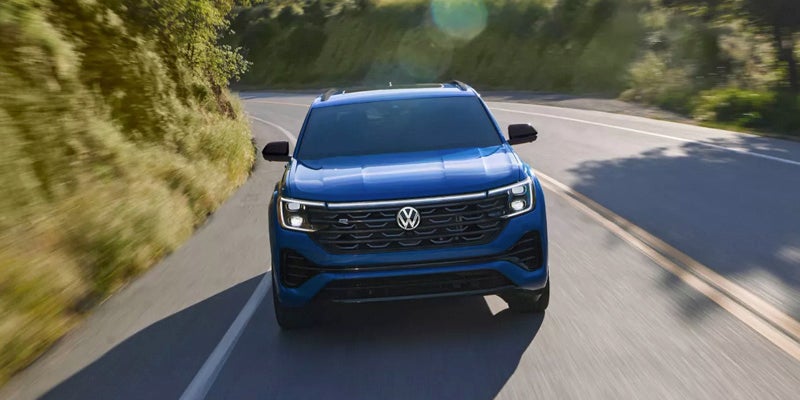
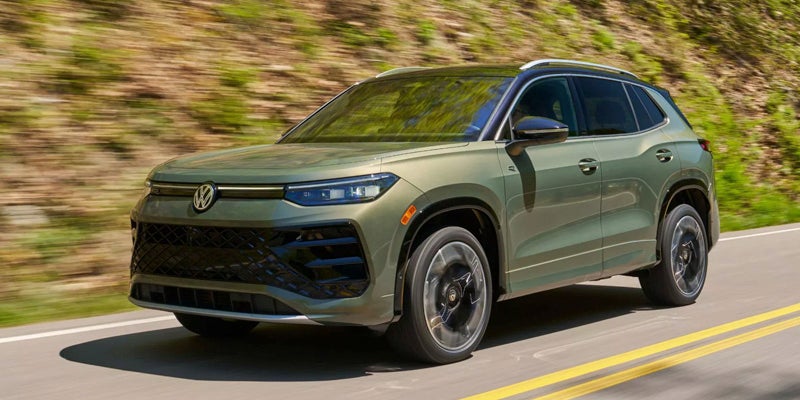
Start Your Volkswagen SUV Comparison With Space and Seating A Volkswagen SUV comparison starts with passenger space, cargo room, and the amount of vehicle you want around you. Volkswagen currently offers four distinct SUV paths through the Taos, Tiguan, Atlas Cross Sport, and Atlas. Each model fills a different role. The Taos keeps exterior dimensions compact while providing seating for five. The Tiguan adds more room within a two row layout. The Atlas Cross Sport moves into midsize territory while keeping two rows. The Atlas adds a third row and seating for up to seven. Which Volkswagen SUV should you research first? Start with the number of passengers you carry most. Then consider your normal cargo load and where you spend most driving time. A smaller SUV may make parking and city travel easier. A larger cabin may make family trips or gear loading simpler. Furthermore, a third row changes the decision when more than five seats are necessary. A useful starting path looks like this: Start with the Taos when you want five seats within Volkswagen's smallest SUV footprint. Move to the Tiguan when you want a roomier two row cabin without moving into a midsize SUV. Review the Atlas Cross Sport when five seats are enough but you want more cargo room. Choose the Atlas research path when three rows and seating for up to seven are priorities. Once you narrow the list, a detailed comparison page can answer the next set of questions. Volkswagen Taos for Compact Five Seat Driving The Volkswagen Taos sits at the smaller end of the Volkswagen SUV lineup. It seats five and provides 65.9 cubic feet of cargo volume with the rear seats folded. Is the Taos large enough for your needs? The answer starts with what you carry during a normal week. A couple, commuter, or smaller household may not need the exterior dimensions of a larger SUV. The Taos can also work for errands, bags, groceries, and weekend gear. Additionally, folding the rear seats opens substantially more room when passenger seating is not needed. Its smaller exterior size also deserves consideration around Jacksonville. Tighter parking spaces, garages, and busy shopping areas can make a compact SUV easier to place. However, choosing Taos does not mean skipping useful cabin space. Volkswagen gives the model a flexible rear seating area and a wide cargo opening. If Taos and Tiguan both remain on your list, move next to a direct comparison. Tom Bush Volkswagen already has a dedicated Taos versus Tiguan resource for that research step. That page should carry the detailed size and equipment comparison. This hub only needs to answer whether Taos belongs on your shortlist. Volkswagen Tiguan for More Two Row Family Space The current Volkswagen Tiguan gives five passengers a larger compact SUV cabin. It no longer uses the previous generation's optional third row. That distinction matters because older Tiguan articles may still mention seven passenger seating. Current Tiguan research should center on a two row layout with five seats. When should you move from Taos to Tiguan? Consider Tiguan when you want more cabin room while staying within the compact SUV class. Volkswagen lists 69.8 cubic feet of cargo volume with the second row folded. That creates more carrying room while keeping the vehicle below Atlas family dimensions. The current Tiguan also offers front wheel drive on several trims and available 4MOTION. The upper SEL R Line Turbo uses standard all wheel drive. A Tiguan shortlist makes sense when your priorities include: Five passenger seating with more cabin room than Taos. A larger cargo area without moving to the Atlas Cross Sport. Available 4MOTION on eligible trims. A two row layout that keeps rear passenger access straightforward. If you need more than five seats, Tiguan should not remain your final stop. The Atlas becomes the Volkswagen SUV to research next. If five seats are enough, compare Tiguan against Taos or Atlas Cross Sport based on desired vehicle size. Atlas Cross Sport for Larger Two Row Space The Volkswagen Atlas Cross Sport takes a different route. It gives five passengers midsize SUV dimensions without adding a third row. Who should research the Atlas Cross Sport? Start here when you want more cargo room and cabin space but still prefer two rows. Volkswagen lists 40.3 cubic feet of cargo volume behind the second row. Folding that row expands the area to 77.6 cubic feet. That gives the Atlas Cross Sport a noticeable cargo increase over the Tiguan. Therefore, the model makes sense for larger travel loads, sports gear, luggage, or bulky household items. The two row layout also means the rear cabin does not need to accommodate third row seating. This keeps the vehicle focused on five passengers and cargo space. The Atlas Cross Sport can be especially relevant when your shortlist includes Tiguan and Atlas. The decision is not only about exterior dimensions. Ask whether you need a third row. If the answer is no, compare your preferred cabin space and cargo needs next. If the Tiguan feels smaller than you want, Atlas Cross Sport deserves a closer look. If seven seats matter, move directly to Atlas research. Volkswagen Atlas When Three Rows Matter The Volkswagen Atlas is the clearest branch in this SUV comparison. It provides three rows and seating for up to seven passengers. Which Volkswagen SUV has three rows? Among these four models, the Atlas fills that role. Volkswagen also lists 96.6 cubic feet of cargo volume with the rear seating folded. That is the largest maximum cargo figure within this group. The third row changes how the Atlas serves family travel. Additional passengers can use dedicated seating without forcing someone into a two row arrangement. Cargo planning still matters when every seat is occupied. Therefore, families should consider how frequently they carry seven people and large bags at the same time. The Atlas deserves deeper research when your priorities include: Three rows for households that regularly carry more than five people. Seating for up to seven passengers. The largest maximum cargo volume among these four Volkswagen SUVs. A larger cabin for family trips, school activities, luggage, or sports gear. Atlas research can then move into more specific topics. Those may include trim selection, towing equipment, or a direct Atlas comparison. Drivers who do not need a third row should also review the Atlas Cross Sport. It keeps the larger Atlas family footprint while staying with five seats. Turn Your Shortlist Into the Next Research Step Choosing among Volkswagen SUVs becomes easier once the first major question is settled. Start with passenger count. Then review cargo space and overall vehicle size. If Taos and Tiguan remain close, use the dedicated Taos versus Tiguan comparison. That resource can handle the detailed distinctions this hub does not need to repeat. If Tiguan and Atlas remain on your list, compare how much cabin space you need. The Atlas also adds the third row that the current Tiguan does not provide. If Atlas Cross Sport and Atlas remain close, the seating question becomes central. Five seats point toward Atlas Cross Sport research. A third row points toward Atlas. From there, move into trim pages after choosing the model. Trim research can address equipment, drivetrain, seating details, and available cabin technology. Inventory should come after that model decision. Tom Bush Volkswagen provides separate inventory paths for each Volkswagen SUV, which makes it easier to review available configurations. Jacksonville drivers can use the same process whether they are replacing a smaller crossover or moving into a larger family SUV. Begin with seating. Compare the cargo room you expect to use. Then choose the deeper model resource that matches your remaining questions. That sequence keeps the Volkswagen SUV comparison focused. It also gives each existing comparison, trim guide, towing resource, and inventory page a clear purpose in your research.

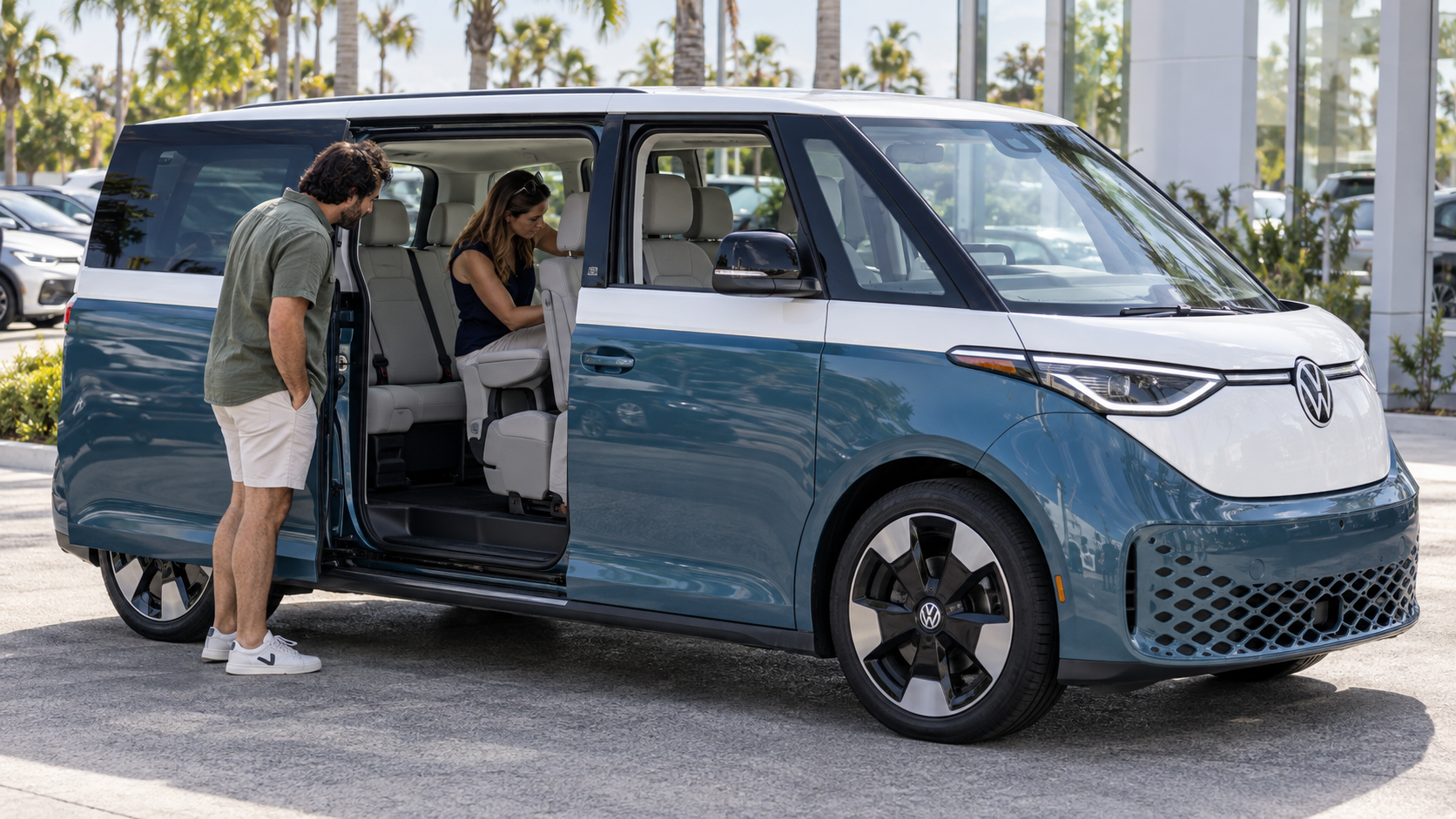
Volkswagen ID. Buzz Trim Levels and Seating for 2027

Volkswagen ID. Buzz Trim Levels and Seating for 2027

Volkswagen ID. Buzz Trim Levels Across 2025 and 2027 Volkswagen ID. Buzz trim levels now span two U.S. model years with a gap between them. There is no 2026 U.S. ID. Buzz model. Volkswagen paused the nameplate after 2025 and confirmed its return for 2027. Therefore, shoppers may see remaining 2025 inventory while also researching the announced 2027 lineup. Therefore, model year context comes first when reviewing equipment. Additionally, the 2025 lineup includes Pro S, Pro S Plus, Pro S Plus with 4MOTION, and two 1st Edition versions. By contrast, 2027 brings Pro S RWD, Pro S 4Motion, Tourer 4Motion, and Pro S Plus 4Motion. However, Volkswagen has not announced pricing for the 2027 lineup. Which lineup should you review first? If you plan to buy soon, start by checking current stock. Additionally, compare upcoming 2027 trims if your buying timeline extends further. You can also check Tom Bush Volkswagen inventory for current ID. Buzz listings. Compare the 2025 Volkswagen ID. Buzz Lineup The 2025 Volkswagen ID. Buzz trim levels begin with Pro S and move through several higher trims. Additionally, Pro S uses rear wheel drive and a second row bench seat. Volkswagen lists seven person seating for this trim. Additionally, Pro S Plus adds more cabin and parking tech while retaining rear wheel drive. The 2025 lineup includes several configurations that change seating, drivetrain, and cabin equipment. Pro S uses rear wheel drive with a second row bench and seven person seating. Pro S Plus adds more cabin, parking, audio, access, and towing equipment. Pro S Plus with 4MOTION adds all wheel drive and pairs it with captain's chairs. The 1st Edition models add launch specific styling and equipment for the 2025 model year. What separates Pro S Plus from Pro S? Pro S Plus adds cabin, parking, audio, access, and towing equipment. Moreover, the trim change goes beyond the badge. Volkswagen lists a head up display, Area View, Harman Kardon audio, and a retractable tow hitch on Pro S Plus. In addition, hands free sliding door access joins the equipment list. The 1st Edition was limited to the 2025 model year. Volkswagen currently describes the 2025 First Edition with second row captain's chairs and six total seats. Therefore, the existing Tom Bush review should remove its current five person entry for the rear wheel drive 1st Edition. Seating and 4MOTION Shape the Cabin Layout Seating is one of the clearest ways to narrow Volkswagen ID. Buzz trim levels. Do you need six seats or seven? Both layouts appear within the 2025 lineup. A bench creates room for three people in the second row. By contrast, captain's chairs reduce that row to two seats and create a more open path through the cabin. For 2025, Pro S uses a second row bench and seats seven. Additionally, Volkswagen states that Pro S Plus and First Edition models use second row captain's chairs for six total people. However, earlier launch material described some rear wheel drive versions with a bench option. For this reason, shoppers should verify the exact seat layout on the specific vehicle they are considering. A few questions can narrow the configuration quickly before you start comparing smaller equipment differences. Choose a seven seat setup when maximum passenger space is the priority. Consider captain's chairs when easier third row access and separate second row seats matter more. Review 4MOTION configurations when all wheel drive is part of your vehicle search. Moreover, 4MOTION adds another filter to the decision. The 2025 Pro S Plus with 4MOTION and 1st Edition with 4MOTION use all wheel drive. In addition, those versions pair with second row captain's chairs. Therefore, drivers who want all wheel drive should expect a six seat layout in the verified 2025 trim. This pairing matters when you regularly carry more people. A seven seat bench may suit larger groups. By contrast, captain's chairs offer separate second row seating and easier movement toward the third row. Technology and Cabin Equipment by Trim Volkswagen ID. Buzz trim levels also separate themselves through cabin equipment. Pro S covers the core electric van layout, three row seating, and Volkswagen connectivity features. Additionally, Pro S Plus adds several items that change daily use with the ID. Buzz. What does Pro S Plus add over Pro S? It adds several cabin, parking, audio, access, and towing items. Volkswagen lists a head up display, Area View, and Harman Kardon audio. In addition, Volkswagen lists a retractable tow hitch and hands free access for the sliding doors and rear liftgate. The added equipment on Pro S Plus supports several distinct parts of the drive. The head up display places selected driving information closer to the driver's forward view. Area View uses exterior cameras to provide a surrounding view during low speed parking. Harman Kardon audio adds a 13 speaker setup with a subwoofer and amplifier. Hands free access adds another way to open the sliding doors and rear liftgate. Therefore, shoppers can review trims without relying on a long equipment list. Instead, start with seating and drivetrain. Then review the cabin tech you want to use most. In addition, confirm every listed item on the exact ID. Buzz before purchase, since equipment can vary by trim. What Changes With the 2027 Volkswagen ID. Buzz Lineup The 2027 Volkswagen ID. Buzz trim levels introduce a simpler four trim structure. Volkswagen has announced Pro S RWD, Pro S 4Motion, Tourer 4Motion, and Pro S Plus 4Motion. Consequently, all wheel drive reaches more of the 2027 lineup than it did in 2025. What is new about the Tourer 4Motion? The Tourer adds an overnight travel package to the ID. Buzz lineup. Reported items include a fold out mattress, window blinds, ventilation panels, outdoor chairs, and a table. Furthermore, the Tourer includes captain's chairs, a retractable tow hitch, a smart dimming roof, and 20 inch wheels. Additionally, 2027 updates include revised Travel Assist functions and updated infotainment software. A NACS adapter is also part of the announced package for easier access to compatible Tesla Supercharger locations. However, Volkswagen has not announced 2027 pricing yet. Therefore, final EPA range figures should wait for complete U.S. specs from Volkswagen. Therefore, 2027 research should focus on confirmed trim structure and announced equipment for now. Pricing and final spec details can be added to this page after Volkswagen publishes them. Match Your ID. Buzz Configuration to Current Inventory The right Volkswagen ID. Buzz trim starts with the way you plan to use the cabin. Therefore, seating is a useful first filter. Additionally, drivetrain is the next one. Beyond that, cabin tech can separate closely related trims. For this reason, seven seat shoppers should review verified bench seat trims first. By contrast, shoppers who prefer captain's chairs should focus on six seat versions. Additionally, all wheel drive shoppers should review 4MOTION models and confirm the seat layout for each one. If overnight travel interests you, the announced 2027 Tourer deserves closer review. Tom Bush Volkswagen offers a direct way to review these details against current ID. Buzz inventory in Jacksonville. However, any 2025 listings may differ by color, drivetrain, seating, and installed equipment. Therefore, reviewing the exact listing is the final step before choosing a trim. Even so, the ID. Buzz choice can stay straightforward. With that in mind, start with seating, then drivetrain, then the cabin equipment that matters for your plans. From there, review available inventory or continue watching for verified 2027 specs as Volkswagen releases them.

Volkswagen Golf GTI vs Golf R

Volkswagen Golf GTI vs Golf R Comparison Guide 2026

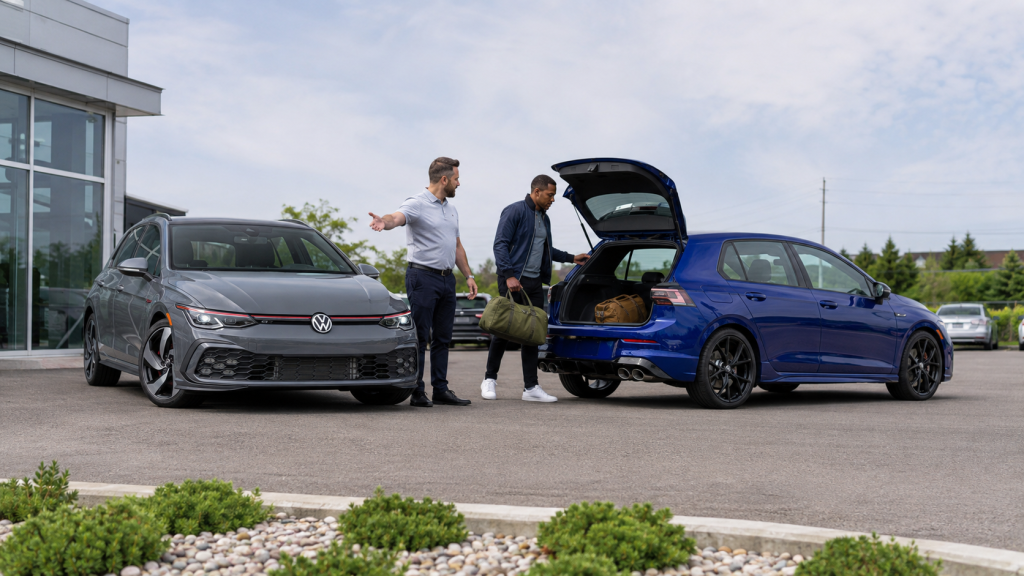
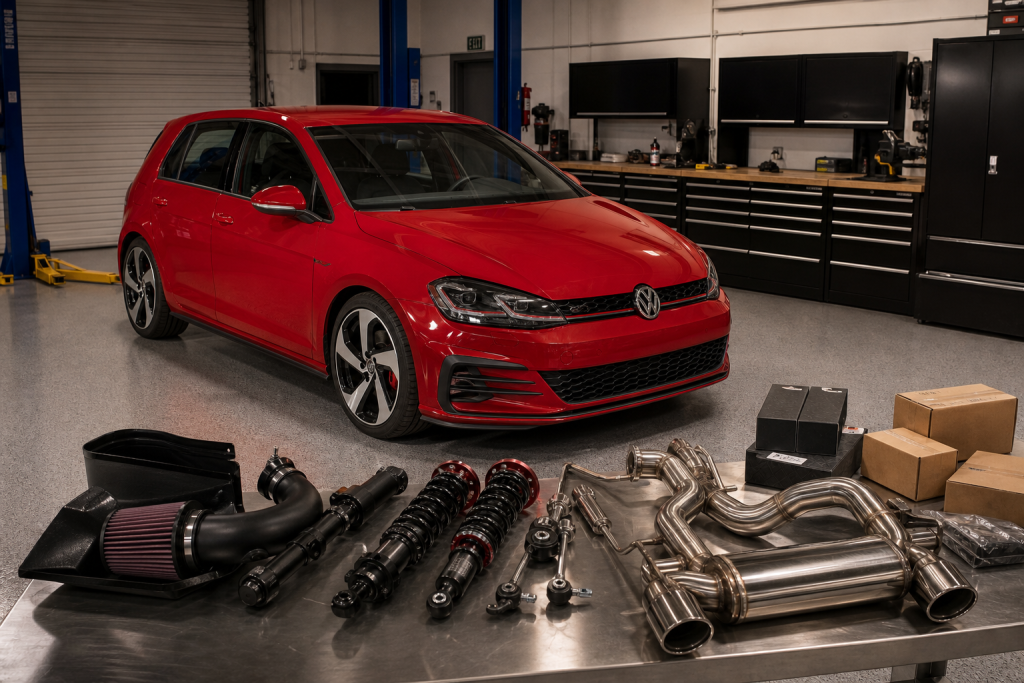
Volkswagen Golf GTI vs Golf R decisions start with two hatchbacks that share a basic shape but use very different drivetrains. The GTI sends power through the front wheels, while the Golf R uses 4MOTION all wheel drive. Both use a turbocharged 2.0 liter engine and a seven speed DSG transmission. However, output, traction hardware, price, and cabin equipment create two distinct choices. Engine Output and Acceleration The Golf GTI produces 241 horsepower and 273 pound feet of torque. The Golf R raises output to 328 horsepower and 295 pound feet of torque. Therefore, the Golf R carries 87 more horsepower before drivetrain differences enter the comparison. How much quicker is the Golf R? Volkswagen lists a 4.4 second zero to 60 mph time for the Golf R. Volkswagen lists 6.0 seconds for the Golf GTI. The gap comes from more engine output plus 4MOTION traction. Both models use the same basic engine family. Still, tuning and supporting hardware change the output target. The GTI keeps the formula simple with front wheel drive and a lighter entry price. The Golf R adds more power plus hardware that can send torque across both axles. That matters most when power demand rises quickly. A front driven layout asks the front tires to steer and transmit engine torque. By contrast, 4MOTION can distribute torque across four driven wheels. The Golf R can therefore use more of its output during hard acceleration. Neither model needs a spec sheet to feel distinct on a test drive. The GTI delivers quick response with less drivetrain hardware. The Golf R delivers stronger acceleration and more launch traction. Therefore, compare both from a stop and during highway merging. How Does 4MOTION Change the Golf R? 4MOTION changes how the Golf R sends torque to the road. The setup can route power between the front and rear axles. It also uses rear axle torque vectoring to vary torque across the rear wheels. What does that change from the driver's seat? The Golf R can distribute engine torque beyond the front axle. That changes traction during acceleration and corner exit. It also changes how the car responds when the pavement is wet. The Golf GTI uses front wheel drive. Therefore, its front tires handle steering plus drive torque. Volkswagen tunes the GTI chassis around that layout. The result keeps the car direct and simple without the extra all wheel drive hardware. The Golf R adds another layer. Its rear axle hardware can direct more torque toward one rear wheel when needed. That can sharpen rotation during cornering. It can also reduce how much work the front tires must handle under power. For Jacksonville roads, rain gives this comparison a useful local context. Wet pavement reduces available tire grip. Therefore, torque distribution can change how each car puts power down during acceleration. Still, all wheel drive does not replace careful driving. Tire quality, tread depth, road surface, and speed remain central to traction. For that reason, compare tire setup and tread along with drivetrain type. A test drive should include normal turns, moderate acceleration, and highway merging. Those moments reveal more than a straight line launch. They show how each drivetrain responds during the kind of driving you will repeat. Daily Driving, Ride, and Fuel Use The Golf GTI and Golf R share the same compact hatchback format. That means both fit similar parking spaces and carry similar passenger loads. However, their chassis settings, wheels, fuel use, and starting prices shape daily ownership differently. Is the Golf GTI easier to justify for commuting? Its lower starting MSRP and higher EPA estimates reduce the daily cost gap. Volkswagen lists the GTI at 24 mpg city, 32 highway, and 27 combined. The Golf R uses more fuel. Current EPA figures list 22 mpg city, 31 highway, and 25 combined. Therefore, shoppers who drive many miles may notice the difference across a year. Ride tuning also deserves attention. The GTI offers available DCC Adaptive Chassis Control on selected trims. The Golf R includes chassis hardware tuned around its higher output and 4MOTION layout. Wheel and tire choices matter here too. Larger wheels can change ride feel over broken pavement. Tire selection also changes grip, road noise, and steering response. Therefore, compare the exact cars in stock instead of relying only on trim names. For city travel, the GTI may feel simpler because less drivetrain hardware sits beneath the car. The Golf R brings more traction hardware and more output. Still, both remain compact hatchbacks with similar outward dimensions. Highway driving reveals another contrast. The GTI reaches merging speed with less drama than its entry price might suggest. The Golf R reaches those speeds faster and with stronger traction. Therefore, the real question is how much of that extra response you want every day. Interior, Cargo, and Equipment Cargo room does not separate these two hatchbacks very much. Current U.S. specifications list 19.9 cubic feet behind the rear seats for both. With the rear seats folded, both list 34.5 cubic feet. Does the Golf R give you more cargo room? No. The higher price does not buy a larger hatch area. Therefore, cargo should not drive the decision between these two models. Instead, compare cabin equipment and trim content. The Golf GTI starts lower and offers several trim levels. Upper GTI trims add features that narrow part of the equipment gap. The Golf R starts with a higher standard equipment level. Volkswagen highlights features such as a head up display and Harman Kardon audio. Heated and ventilated front seats also come standard. Leather seating and 19 inch forged wheels add another distinction. Both models use a 12.9 inch center display. Both also include Volkswagen digital driver information and IQ.DRIVE features. Therefore, the cabin comparison should focus on standard content, seating, audio, and trim specific details. A side by side walkaround works well here. Open both hatches and fold the rear seats. Sit in both front seats and compare bolstering. Then check visibility, display layout, and storage placement. That process prevents the higher price from creating false assumptions. The Golf R costs more because of drivetrain, output, chassis hardware, and included equipment. It does not create a larger hatchback. Is the Golf R Worth More Than the Golf GTI? The 2026 Golf GTI starts at $34,590 before destination and other charges. The 2026 Golf R starts at $49,455. That creates a $14,865 difference before taxes, fees, options, or dealer pricing. What are you paying for when you move to the Golf R? You gain 87 horsepower, 4MOTION, rear torque vectoring, and more standard equipment. You also move into a model with a much higher entry price. The Golf GTI keeps the core hot hatch formula more accessible. It delivers 241 horsepower, front wheel drive, a DSG transmission, and the same basic cargo space. Therefore, it can make more sense when price and fuel use carry more weight. The Golf R makes a different case. It adds more engine output and more complex traction hardware. It also includes equipment that pushes the cabin closer to the top of the Golf range. Neither choice needs to be framed as the wrong answer. The decision depends on what you want to pay for. Compare acceleration, traction, ride, cabin content, and monthly cost before choosing. At Tom Bush Volkswagen, reviewing both models in person makes the differences easier to judge. Start with the GTI if value and simplicity lead your list. Then drive the Golf R if added output and 4MOTION appeal to you. The better fit will become clearer once you compare the hardware, price, and driving feel side by side.

Volkswagen Adaptive Cruise Control and Travel Assist

Volkswagen Adaptive Cruise Control manages a set speed and following gap while you remain responsible for every driving task. Travel Assist adds lane guidance when the equipped Volkswagen supports that feature. For ID.4 shoppers, the distinction becomes clearer during highway travel and slower traffic. Therefore, knowing each feature's role makes a test drive more useful. It also gives owners a stronger starting point when settings or warning messages need attention. Volkswagen Adaptive Cruise Control Operation Volkswagen Adaptive Cruise Control uses forward radar to watch traffic ahead. The feature compares your selected speed with the distance to a detected vehicle. When traffic slows, ACC can reduce speed while maintaining the selected gap. When the lane clears, ACC can accelerate toward the stored speed again. However, ACC does not choose your following gap for you. Volkswagen provides selectable distance levels on equipped models. These settings change how much space ACC tries to maintain behind detected traffic. Therefore, the distance control deserves attention during a test drive. What does Volkswagen Adaptive Cruise Control control after you press SET? It manages the stored speed and adjusts that speed around detected traffic. The driver still steers, watches surrounding traffic, and remains ready to brake. Control layouts vary by model year and steering wheel design. Still, Volkswagen places ACC controls within easy reach on equipped vehicles. SET stores the current speed when the feature is ready. RES can return the vehicle toward a stored speed after an interruption. In addition, speed adjustment controls let you raise or lower the selected setting. Distance controls change the requested following gap. The instrument display then shows the active mode and related settings. A test drive should include more than pressing one button. First, locate SET, RES, speed controls, and the distance control. Next, watch the instrument display as each setting changes. Finally, ask where the current model stores related assistance settings. Because radar supplies the forward traffic input, the sensor area also deserves a visual check. Dirt, ice, or physical blockage can interfere with detection. Therefore, a warning message should not be ignored when the feature cannot engage. How Does Volkswagen Travel Assist Work With ACC? Travel Assist does not replace Adaptive Cruise Control. It combines ACC speed control with Lane Assist steering support on equipped Volkswagen models. That distinction matters during a test drive. ACC focuses on speed and spacing in the lane ahead. Travel Assist adds steering input to support lane position. Therefore, the two features work together while keeping separate roles. On an equipped Volkswagen, Travel Assist can manage acceleration and braking through ACC. At the same time, Lane Assist can provide steering corrections. However, the driver must continue watching the road and controlling the vehicle. Travel Assist does not turn the Volkswagen into a self driving car. Instead, it supports the driver within defined operating limits. The driver must remain attentive and ready to steer, brake, or accelerate. In addition, lane markings matter for steering support. Faded markings, construction zones, or unclear lane edges can reduce available lane guidance. ACC may remain available even when lane guidance cannot operate. This distinction is worth checking before your test drive ends. Try ACC first so you understand speed and distance controls. Then, where lawful and appropriate, review Travel Assist with the salesperson. Watch which indicators confirm lane guidance and ACC status. If Travel Assist becomes unavailable, note the message shown in the display. Then check whether lane markings are clear and whether the forward sensor area is clean. Persistent warnings should receive a service review. How Does ID.4 ACC Handle Stop and Go Traffic? ID.4 ACC can bring the vehicle to a standstill behind detected traffic. The restart process changes based on how long the vehicle remains stopped. After a short stop, the ID.4 may begin moving again when traffic ahead moves. However, a longer stop may require accelerator input or the RES control. This difference deserves attention during slower traffic. For Jacksonville commuters, that operation can be relevant on crowded highways or busy urban routes. Still, the driver must watch traffic and remain ready to intervene. ACC cannot replace direct attention near merges, intersections, bicycles, or sudden lane changes. The stop and go sequence uses the same basic ACC logic. Radar watches the detected vehicle ahead. The ID.4 then adjusts speed to preserve the selected gap. As traffic slows further, ACC can continue braking until the vehicle stops. When traffic moves again, the feature checks whether restart criteria are met. Therefore, owners should learn the restart prompt and control response before relying on memory. A controlled test drive provides a good place to review that process. In addition, drivers should watch the cluster during each phase. The display communicates whether ACC remains active, paused, or unavailable. Those status changes explain whether the ID.4 will respond automatically or needs driver input. Travel Assist can add lane guidance during compatible ID.4 operation. However, steering support does not remove driver responsibility. Hands, attention, and readiness remain part of every trip. Predictive ACC Uses More Than Forward Radar Some equipped Volkswagen models add predictive ACC functions. Predictive ACC can use road sign information and navigation data alongside forward traffic detection. Therefore, speed changes may reflect road information beyond the vehicle directly ahead. Why might an equipped Volkswagen slow before a curve or intersection? Predictive ACC can prepare for certain road features using available map and sign data. That response differs from basic radar based traffic tracking. Dynamic Road Sign Display can provide recognized speed limit information. Navigation data can provide route details such as curves, roundabouts, intersections, or turn points. Together, these inputs can shape how predictive ACC responds. However, predictive functions require the correct equipment and active settings. Model year, trim, software, and navigation equipment can change what appears in the menu. Therefore, shoppers should verify the exact feature set on the vehicle they test. A useful test drive should include a review of the assistance menu. Ask which predictive settings are active. Then check the cluster for speed related prompts or route based responses. Because predictive ACC uses several information sources, the driver should not assume every detected sign will control vehicle speed. Road signs can be obscured or misread. Navigation data can also differ from current road layouts. For this reason, the selected speed still requires driver attention. The driver must confirm that any speed change fits the road ahead. Predictive ACC supports speed management, but the driver remains responsible for every decision. Driver Supervision and Pre Drive Checks Volkswagen Travel Assist and ACC support driving tasks, but neither removes driver responsibility. Before using either feature, confirm the controls, dashboard status, and sensor area. Therefore, a short review can prevent confusion once the vehicle starts moving. Start by checking the steering wheel controls. Confirm where SET, RES, speed adjustment, and distance controls are located. Then review how Travel Assist activates on the specific Volkswagen. Next, check the instrument display before moving. Look for the ACC status, selected speed, following gap, and lane guidance indicators. In addition, note any warning icon or unavailable message. The forward radar area should also be free of visible blockage. Snow, ice, dirt, or damage can interfere with forward detection. If a warning remains after the area is clear, schedule a service inspection. A test drive also gives you time to compare control feel. Review whether the selected following gap suits your preferred spacing. Then confirm that ACC pauses and Travel Assist indicators are easy to recognize. However, avoid learning these controls for the first time in dense traffic. Review them while parked before entering faster roads. Then make small setting changes only when traffic permits. Owners should follow the same approach after software updates or service visits. Settings may need another review if the menu looks different. Therefore, checking the cluster and assistance menu can restore familiarity before the next trip. Tom Bush Volkswagen can also walk you through available ACC and Travel Assist controls during a test drive. If warning messages persist, the service team can inspect related sensors and components. That path keeps feature questions separate from mechanical diagnosis. Volkswagen Adaptive Cruise Control and Travel Assist work best when you know what each feature handles. ACC manages speed and spacing, while Travel Assist adds lane guidance. The ID.4 also brings stop and go operation into the discussion. With that in mind, review every control before leaving the dealership or service drive. A clear setup makes each feature easier to use with the attention Volkswagen still requires.

Volkswagen Apple CarPlay Android Auto

Volkswagen Apple CarPlay and Android Auto Setup Guide

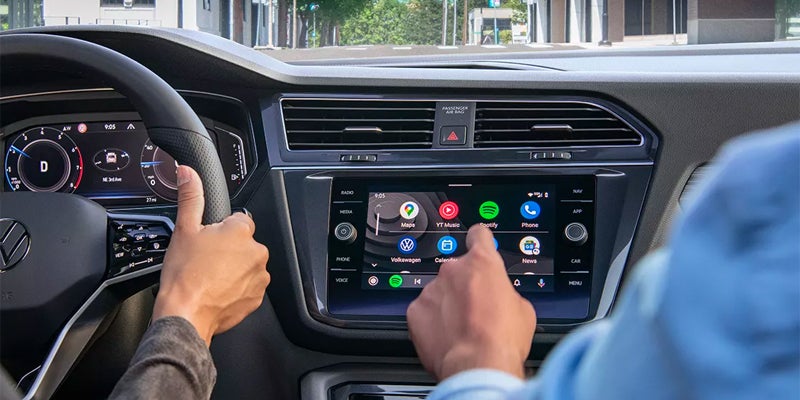
Volkswagen Apple CarPlay and Android Auto connect compatible phone tools through the vehicle’s App Connect interface. The connection may use a USB data cable or wireless pairing. However, the available method varies by model year, trim, radio, and installed equipment. App Connect places selected phone apps on the center screen. Therefore, you can reach maps, music, calls, messages, and voice commands through familiar menus. The phone still runs those apps and supplies their data. The Volkswagen screen provides a safer control point while you drive. Before setup, confirm that your phone and exact Volkswagen support the desired connection. Also, install current phone software and review the owner guide for your model year. These steps reduce pairing errors caused by outdated instructions or unsupported equipment. How Do You Connect Apple CarPlay or Android Auto? A wired connection starts with a compatible USB data cable. A cable may charge a phone without carrying the data needed for App Connect. Therefore, use a trusted cable and the USB port assigned to smartphone projection. For wired Apple CarPlay, start the Volkswagen and unlock the iPhone. Then, connect the phone through the supported USB port. Approve the CarPlay prompts on the phone and center screen. Siri must also remain active for full voice control. For wired Android Auto, unlock the phone and connect it through the supported USB port. Next, approve the Android Auto prompts and requested permissions. The App Connect menu should open after the phone and Volkswagen complete their connection. A wireless connection begins through Bluetooth pairing. Wi Fi must also remain active because it carries the larger wireless data connection. Therefore, a phone may handle Bluetooth calls without opening Apple CarPlay or Android Auto. Use these checks during first time wireless setup: Turn on Bluetooth and Wi Fi before opening the Volkswagen phone menu. Pair the phone through the center screen and approve matching codes on both devices. Select Apple CarPlay or Android Auto when the Volkswagen presents that choice. Accept the requested permissions for contacts, audio, messages, and future connections. Leave Wi Fi active after pairing so App Connect can maintain its data link. Saved phones may reconnect after later startups. However, another stored phone may connect first when several devices enter the Volkswagen together. Why Is Volkswagen App Connect Not Working? Connection trouble may begin with the phone, cable, USB port, saved pairing, or center screen. Therefore, work through one area at a time. Changing several items together can hide the original cause. First, confirm that the exact Volkswagen supports the selected wired or wireless method. A USB port does not always support smartphone data. Likewise, wireless access on one trim does not prove that another trim includes it. Next, inspect the cable and phone port. Replace damaged cables and remove lint from the phone connection carefully. Then, try another approved data cable. Charging without App Connect can point toward the cable, port, permissions, or vehicle compatibility. For wireless trouble, check Bluetooth and Wi Fi on the phone. Also, confirm that the phone permits CarPlay or Android Auto access. Apple users should verify Siri access. Android users should confirm Android Auto access within phone settings. These steps can restore a failed connection: Restart the phone and turn the Volkswagen off before starting another pairing attempt. Remove the Volkswagen from the phone’s saved vehicle list. Delete the phone from the Volkswagen Bluetooth and App Connect menus. Pair both devices again and approve every requested connection prompt. Test a wired connection when wireless pairing still fails. Persistent disconnections may also follow phone software or infotainment software changes. Therefore, note when the trouble began and whether another compatible phone connects. That comparison can show whether the concern follows one phone or remains with the Volkswagen. App Connect, Car Net, and Digital Cockpit Differences App Connect, Car Net, and Digital Cockpit handle separate tasks. Their names may appear near each other, yet one does not replace another. App Connect displays supported phone apps through Apple CarPlay or Android Auto. It focuses on navigation, audio, communication, and approved phone content. Therefore, it needs a compatible phone connection. Car Net works through eligible connected services and the myVW app. Available tools may include remote commands, vehicle alerts, and safety support. Service access varies by vehicle, equipment, account, and active plan. Digital Cockpit presents information in the display behind the steering wheel. It may show speed, driving data, navigation details, and other vehicle information. Its menus and display choices vary across Volkswagen models. A phone can use Apple CarPlay without making every Car Net tool active. Likewise, Digital Cockpit does not display every phone app. Each technology has its own role within the Volkswagen cabin. When a connection question involves one of these tools, identify the exact screen and task first. That detail leads to the right owner guide and avoids resetting an unrelated connection. What Should You Review During a Volkswagen Test Drive? A technology focused test drive should use the phone you carry each day. Bring a trusted data cable even when you want wireless access. This gives you another connection method during the visit. Pair the phone before leaving the dealership lot. Then, open maps, play audio, place a voice command, and check message access. In addition, test the charging location and confirm which USB ports carry smartphone data. Review these items in the exact Volkswagen: Confirm whether Apple CarPlay or Android Auto connects through a cable, wireless pairing, or both. Check whether the screen responds clearly while maps and audio run together. Test steering wheel controls and voice commands with your phone. Review the Digital Cockpit alongside the center screen during navigation. Confirm that your phone fits the charging area without blocking nearby controls. Ask which App Connect equipment belongs to that exact trim and model year. Do not rely on a similar vehicle or a broad model description. Installed technology can change across trims, production dates, and model years. Therefore, test the exact Volkswagen you may choose. Volkswagen Inventory and Connection Help in Jacksonville Readers researching a new Volkswagen can compare available models through Tom Bush Volkswagen in Jacksonville. The inventory route should lead to current vehicles instead of one temporary listing. Therefore, readers can review trim details and confirm App Connect equipment before a test drive. Owners with connection trouble need a separate path. Basic cable, pairing, and restart checks may resolve a simple issue. However, repeated faults may need a closer review of the phone, USB port, center screen, or Volkswagen software. Bring the phone and cable when requesting connection help. Also, note the phone model, software version, connection method, and exact error message. Those details give the service team a clearer starting point. Volkswagen Apple CarPlay and Android Auto work best when the phone, cable, permissions, and installed equipment match. Start with the correct connection method. Then, test each layer in order before seeking further help.

Volkswagen Warranty Check Before Scheduling Service

A Volkswagen warranty check starts with the VIN, current mileage, ownership records, and warranty documents tied to the vehicle. The review shows which protection may still apply before service begins. However, an active term does not guarantee payment for every repair. Diagnosis may still be required before final approval. Volkswagen warranty terms can vary by model year, sale date, mileage, and coverage type. Therefore, owners should prepare the right records before contacting a service department. Clear documentation can shorten the review and reduce confusion about customer paid work. How Do You Check Volkswagen Warranty Coverage? Start by locating the 17 character VIN for the exact Volkswagen. The VIN appears near the lower driver side windshield and on several ownership documents. It may also appear inside the driver door area. Next, record the current odometer mileage. Warranty limits may use both time and mileage, so both details matter. In addition, locate the original purchase date or in service date when available. Then, review the warranty booklet tied to the model year. Volkswagen provides separate literature for different vehicles and protection types. Therefore, a newer booklet should not replace the terms written for an older model. A service department may use the VIN to review available vehicle records. Still, the VIN alone cannot prove that a repair qualifies. The failed part, cause, mileage, prior care, and diagnostic findings may also shape the review. Information to Gather Before Contacting Service Owners should collect several records before discussing warranty work. These items give the service team a clearer picture of the vehicle and the concern. Prepare the following information: Record the complete VIN exactly as it appears on the vehicle or registration. Note the current mileage and the date when the concern first appeared. Bring purchase papers, CPO documents, or any added protection contract. Gather service invoices related to the part or concern under review. Write down warning lights, sounds, leaks, or other clear symptoms. List recent repairs, modifications, collision work, or outside service. The concern description should remain specific. State when it began, when it appears, and whether it has changed. For instance, note whether a warning light stays on or appears only after startup. Service records may also matter. Missing required care can complicate a claim when that care relates to the failed part. Therefore, complete invoices provide stronger documentation than verbal history alone. Factory, CPO, and Added Protection Differences Are factory, CPO, and added protection plans the same? No. Each follows its own dates, limits, covered items, and exclusions. The New Vehicle Limited Warranty follows the terms issued with the Volkswagen when first sold. Time and mileage limits vary by model year. Therefore, owners should use the booklet written for their exact vehicle. Volkswagen Certified Pre Owned coverage follows separate CPO terms. Its start date may relate to remaining factory coverage or the certified sale date. Owners should bring their CPO papers and confirm the recorded certification details. Optional protection contracts also follow separate rules. These plans may carry different deductibles, claim steps, repair locations, and exclusions. In addition, the contract provider may need approval before repairs begin. Battery warranties, parts warranties, and corrosion terms may also follow their own limits. Therefore, owners should route each question to the correct document instead of using one broad warranty summary. What Should You Confirm Before Service Begins? A warranty status review and a repair approval are separate steps. First, the service team reviews the vehicle and available records. Then, diagnosis may be needed to identify the failed part and failure cause. Before work begins, ask these questions: Has the vehicle warranty status been reviewed with the VIN and mileage? Is the diagnostic charge covered, customer paid, or still under review? Which repair items appear eligible under the applicable terms? Which parts, labor, fluids, or wear items fall outside the review? Does a deductible apply to the covered repair? What customer paid amount requires approval before work starts? Owners should also ask for written estimates when repairs include covered and uncovered items. This step separates warranty work from customer paid work. As a result, the owner can approve each portion with clearer cost information. Modifications, outside repairs, prior damage, or missed service may require further review. However, their presence does not create one automatic answer for every claim. The service department must review the specific repair and available evidence. Finding the Correct Volkswagen Warranty Resource The general warranty guide should direct narrower questions to the right source. It should not repeat every term from every Volkswagen document. Use the CPO resource for certification coverage, start dates, and related ownership papers. Use the added protection resource for contract terms, deductibles, and claim steps. In addition, use the battery resource for battery specific time, mileage, and capacity terms. Recall questions belong in the official VIN lookup. A recall or service campaign is separate from an ordinary warranty claim. Therefore, warranty expiration alone does not answer whether an open campaign applies. Parts coverage may also require the original repair invoice. The invoice can identify the part, installation date, repair location, and prior work. Owners should bring that record when asking about a replacement part. These separate paths keep the broad guide clear. They also direct each owner toward the document that controls the question. Contacting Tom Bush Volkswagen for Coverage Review Tom Bush Volkswagen service can review available vehicle details before an appointment in Jacksonville. Owners should have the VIN, mileage, records, and concern description ready when they call. The service team may review warranty information and explain the next step. However, final repair eligibility may require inspection, diagnosis, and manufacturer authorization. No dealership can promise payment before those steps are complete. Owners should also request approval before any uncovered work begins. A written estimate can separate eligible repairs from customer paid repairs. Therefore, the owner can decide how to proceed with clearer information. A Volkswagen warranty check works best when the records match the exact vehicle. Bring the VIN, mileage, ownership papers, and service history. Then, confirm diagnosis terms and repair approval before authorizing work.

Volkswagen DSG Transmission Guide for Daily Driving

A Volkswagen DSG transmission uses two clutches to manage separate gear paths within one automatic gearbox. What does that mean during a drive? The gearbox can prepare another ratio before the current shift finishes. Therefore, each gear change can happen with little interruption in engine power. DSG stands for Direct Shift Gearbox. It blends automatic control with clutch based gear changes. However, it does not work like a conventional automatic that uses a torque converter. That difference shapes how the car shifts, launches, and moves through slow traffic. Volkswagen has used several DSG designs across different years and models. For this reason, service needs must match the exact car. Therefore, the owner manual, maintenance schedule, and vehicle identification number provide the correct starting point. How Does a Volkswagen DSG Transmission Work? A DSG uses two clutches, with each clutch connected to a separate set of gears. One side handles odd numbered gears. The other side handles even numbered gears. While one gear moves the car, the gearbox prepares another gear on the second path. Then, the clutches trade their roles during the shift. As a result, the next ratio can engage quickly. Furthermore, the gearbox reads accelerator input, road speed, engine speed, and the selected drive setting. Therefore, light throttle may produce early upshifts. Firmer throttle may hold a lower gear longer. Manual selection does not change the internal design. Instead, it gives the driver more control over shift timing. The gearbox still manages clutch action and protects the drivetrain from an unsuitable gear request. This design works well during steady acceleration. Moreover, rapid shifts can keep the engine near the desired speed range. The same clutch based layout also explains why parking lot movement may feel different. DSG Versus a Traditional Automatic Transmission Is DSG the same as a traditional automatic? No. Both can select gears without a clutch pedal, but their internal parts move power differently. Many conventional automatics use a torque converter. Fluid inside that unit transfers engine power during a launch. Therefore, the car may creep forward smoothly when the brake pedal is released. A DSG uses clutches to connect engine power to the selected gear path. Consequently, the gearbox must engage and release those clutches during low speed movement. That action may feel more direct than torque converter movement. Both designs can provide smooth travel. Still, they reach that result through different parts and control methods. A driver moving from one design to another may notice the contrast most during parking, reversing, or heavy traffic. Manual mode and steering wheel paddles also change driver input, not gearbox construction. They let the driver request a gear. However, the DSG still completes the clutch work. What Should DSG Feel Like at Low Speeds? A DSG may feel more deliberate while starting, reversing, or crawling. The clutches must engage at low speed, much like a clutch in a manual gearbox. Therefore, light hesitation or a firmer engagement may appear during certain movements. Stop and go traffic places the gearbox through repeated launch cycles. Holding the car with gentle accelerator pressure may keep a clutch partly engaged. Instead, firm brake use can give the gearbox a clearer stop. Drivers should still pay attention to changes. A mild trait that remains steady differs from a hard impact that becomes worse. Warning lights, burning odors, repeated slipping, or severe shaking deserve prompt inspection. A test drive should include a cold start, parking lot movement, several stops, and steady acceleration. In addition, the driver should try reverse and moderate highway speed. These steps provide a broader view than one quick trip. No article can diagnose a gearbox from a single sensation. Therefore, a Volkswagen technician should inspect any new, severe, or worsening concern. Volkswagen DSG Maintenance and Service Questions Does every DSG need the same service? No. Volkswagen has used more than one DSG design, and service details can vary. Some DSG units require fluid and filter work at set points. Other versions may follow a different schedule. For this reason, owners should not rely on one universal interval found online. The exact model year, engine, gearbox, and vehicle identification number matter. A service advisor can use those details to locate the correct maintenance information. In addition, prior invoices can show whether required work was completed. Fluid condition matters because the gearbox depends on proper lubrication and hydraulic control. A correct service also uses the specified fluid and procedure. Therefore, substitute fluids or incomplete work can create new concerns. Used vehicle shoppers should ask for transmission records before purchase. They should also review warning light history, prior repairs, and any open recalls. Moreover, a pre purchase inspection can reveal leaks, stored faults, or unusual clutch operation. Current owners can use the Volkswagen maintenance schedule for their exact year. They can also review service reminders and schedule a visit when work is due. DSG Use in the Golf GTI and Jetta GLI The Golf GTI and Jetta GLI connect DSG operation with quick gear changes and direct response. However, shoppers should still judge the gearbox during ordinary travel. A GTI test drive should include slow traffic, a parking maneuver, steady acceleration, and a highway merge. These situations show how the gearbox responds across several speeds. In addition, manual mode can show how quickly it follows a gear request. A GLI review should follow the same pattern. The sedan should move cleanly from a stop and shift without warning lights or severe jolts. Service records should also match the exact model year and gearbox. Tom Bush Volkswagen shoppers can compare available GTI and GLI models before a test drive. Therefore, they can review trim, mileage, records, and transmission details together. Current owners with shifting concerns need a different route. They can contact Tom Bush Volkswagen service in Jacksonville for maintenance questions or an inspection. A technician can review fault codes, fluid history, clutch operation, and road test findings. A Volkswagen DSG transmission rewards informed review. Learn how it shifts, notice how it feels, and confirm the correct service plan. Those steps support a clearer vehicle choice and better maintenance decisions.

How Long Do Volkswagens Last Across Popular Models

How long do Volkswagens last when mileage, model, and maintenance history are considered together? A Volkswagen may reach 150,000 to 200,000 miles with steady care. Some vehicles travel farther, while others need costly repairs sooner. Therefore, an odometer reading cannot predict the remaining life of one car. A clear answer starts with records, current condition, prior repairs, and the way the car was driven. Model year and powertrain also matter. In addition, a careful inspection can reveal wear that mileage alone cannot show. Owners should follow the maintenance schedule written for their exact Volkswagen. Volkswagen Lifespan Across Popular Models Volkswagen produces sedans, c ompact SUVs, larger SUVs, and hatchbacks. Each body style may face a different driving pattern. Therefore, one mileage estimate should not carry equal weight across every model. A Jetta may spend much of its life commuting on highways or city streets. Smooth highway miles may place less strain on brakes than constant stop and go travel. However, service records still need close review. Oil changes, cooling work, tire wear, and transmission operation can shape the sedan’s future. A Tiguan may carry passengers, cargo, and family gear through mixed driving. Therefore, shoppers should inspect tires, brakes, suspension parts, and available all wheel drive service records. Turbocharged engine care also deserves attention. A quiet test drive should include low speed turns, highway travel, and firm braking. An Atlas carries more weight and may spend years handling family trips. As a result, tire wear, brake condition, suspension noise, and cooling history deserve a careful look. A shopper should also review towing history when the vehicle has a hitch or related equipment. Golf models may serve as commuters, road trip cars, or compact cargo carriers. By contrast, GTI models may have seen more spirited driving. Both need clear oil, cooling, brake, and transmission records. GTI shoppers should also inspect tire wear and signs of modifications. No single model earns a guaranteed mileage number. Instead, each Volkswagen should be judged through its records, condition, and upcoming service needs. Is 100,000 Miles Too High for a Volkswagen? No fixed mileage makes every Volkswagen a poor choice. A cared for car with 110,000 miles may present fewer concerns. A neglected car with 70,000 miles may present more. Therefore, 100,000 miles should begin a deeper review. Below 60,000 miles, shoppers should confirm routine oil service, tire rotation, brake checks, and recall work. In addition, the vehicle should drive smoothly without warning lights, leaks, or unusual noises. From 60,000 to 100,000 miles, more wear items may need attention. Tires, brakes, batteries, suspension parts, and fluids deserve close review. Furthermore, transmission service records may matter for certain model years and gearboxes. Beyond 100,000 miles, the inspection should become more detailed. A technician can check for fluid leaks, worn mounts, cooling concerns, suspension play, stored fault codes, and uneven tire wear. Service invoices can also show whether larger repairs were completed. Past 150,000 miles, repair timing matters as much as current mileage. A recent cooling repair, brake replacement, or suspension repair may reduce near term needs. However, missing records may leave major questions unanswered. Maintenance Records That Support Volkswagen Longevity Which records give the clearest view of remaining life? Service invoices, inspection reports, repair receipts, and model specific maintenance records provide the strongest evidence. Volkswagen publishes maintenance information by model year and vehicle. Therefore, owners should use the schedule tied to their exact car. A general mileage chart cannot replace that source. Several records deserve close attention: Oil service records show whether the engine received routine care at the expected times. Cooling and fluid records reveal whether age related service or repairs were completed. Transmission records show whether the gearbox received any required fluid service. Brake, tire, and suspension invoices reveal how the vehicle handled normal wear. Diagnostic and recall records show whether known concerns received attention. Oil protects internal engine parts and turbocharger parts from heat and friction. Therefore, long gaps between oil changes deserve scrutiny. Cooling service also matters because steady temperature control protects many engine parts. Transmission care varies by gearbox and model year. For this reason, shoppers should confirm the exact transmission before judging the records. A DSG, traditional automatic, and manual gearbox do not share one service plan. Tire wear can also reveal more than tread depth. Uneven wear may point to suspension wear, wheel concerns, or poor tire rotation history. Brake invoices may show whether the car received routine care or needed repeated repairs. What Should You Check Before Buying a Used Volkswagen? A used Volkswagen review should combine records, inspection findings, and a complete test drive. Mileage belongs in that review, but it should not control the whole decision. Before purchase, ask these questions: Do the service dates and mileage entries form a clear history? Were major repairs completed by a qualified repair facility? Does the car start, idle, shift, steer, and brake smoothly? Are any warning lights present or stored in the vehicle computer? Do tires show even wear across each tread? Does the vehicle have open recalls or missing ownership records? A pre purchase inspection can uncover leaks, worn parts, prior damage, and stored faults. Therefore, it is useful even when the car appears clean. The inspection can also help estimate which repairs may arrive during the next year. Certified Pre Owned status adds a documented inspection and program coverage. However, it does not promise an exact lifespan. Shoppers should still review the vehicle history report, warranty terms, service records, and current condition. Test drive length also matters. A brief trip around a parking lot may hide concerns. Instead, drive at low speed, highway speed, and through several stops. Listen for suspension noise, feel for rough shifts, and check steering response. Planning the Next Stage of Ownership Current owners should compare upcoming service with their plans for the car. How many miles will they drive each year? How long do they plan to keep it? Which repairs are due soon? A service visit can provide a current condition report. Therefore, owners can separate urgent repairs from items that may wait. That information supports a clearer keep or replace decision. Used vehicle shoppers can compare available Volkswagen models through Tom Bush Volkswagen in Jacksonville. Certified Pre Owned choices may add inspection records and program coverage. In addition, a test drive can show how each vehicle feels before purchase. Current owners can also contact the Tom Bush Volkswagen service department or schedule a visit online. A technician can review warning lights, fluid leaks, tire wear, brake condition, and upcoming maintenance. Volkswagen longevity comes from more than one mileage number. Records, repairs, inspection findings, and continued care provide the clearest picture. Therefore, each shopper or owner should judge the exact vehicle in front of them.

Tiguan vs CR-V: AWD, Interior Space, and Ownership Costs

The Tiguan vs CR-V comparison draws attention from compact SUV shoppers who want clear answers on AWD architecture, cargo room, and what each vehicle costs to keep on the road. Both vehicles share similar starting prices, yet they take different engineering paths to reach the driver. The Tiguan arrives with a turbocharged engine, a proactive all-wheel-drive mechanism, and a cabin that leans toward space and technology. The CR-V, by contrast, answers with a lighter powertrain and a reliability record that reflects Honda's long commitment to lower repair costs. So this comparison works through each area to give you a grounded basis for a confident decision. What's the Difference Between These Two AWD Approaches? All-wheel drive is not a single technology. The two AWD approaches in this comparison work through fundamentally different logic. That difference shapes how each SUV responds when roads become slick or unpaved. Since AWD architecture controls traction sequencing before a driver reacts, the design logic matters more than the badge. Volkswagen's 4MOTION uses an electronically controlled multi-plate clutch. It monitors vehicle data continuously and moves torque proactively between the front and rear axles before slip begins. Up to 50% of available torque can route to the rear wheels at any given moment. The mechanism reads speed, steering angle, and throttle input together, then adjusts distribution accordingly. As a result, the Tiguan delivers a composed response on wet pavement and loose gravel. Because the mechanism acts ahead of slip, the rear wheels are already engaged before traction is compromised. Honda's Real Time AWD works through a different sequence. It monitors the front wheels for slip and activates the rear-wheel connection after slip is detected. Torque transfer to the rear begins reactively. This design is lighter and more fuel-efficient when roads are clear. However, the rear wheels are not contributing until the front wheels have already begun to lose grip. Since the engagement is reactive, the mechanism trades proactive coverage for efficiency gains on clear pavement. A common question from compact SUV shoppers involves snow traction without winter tires. Neither AWD arrangement replaces winter tires. Still, 4MOTION's proactive engagement means the Tiguan distributes torque before slip reaches a threshold. Consequently, the driver encounters less initial loss of directional control on ice and packed snow. The CR-V's mechanism reacts to detected slip, so a driver may feel a brief moment of understeer before the rear wheels engage. Here is how the two AWD approaches compare on torque distribution: Volkswagen 4MOTION activates before slip occurs by reading steering angle, throttle position, and wheel speed data in real time, then routing up to half of available torque to the rear axle proactively. Honda Real Time AWD monitors front-wheel speed for slip and initiates rear-wheel torque transfer after that slip threshold is crossed, prioritizing front-wheel-drive efficiency when roads are clear. 4MOTION is standard on Tiguan SE and above trims, while Honda offers Real Time AWD across most CR-V trim levels, giving Honda a broader entry-level reach into AWD configurations. Both approaches deliver added traction over front-wheel-drive, and both are well-suited to mixed-weather driving in most climates. The distinction lies in sequencing: one acts first, and the other responds to what has already happened. Powertrain Delivery and Fuel Economy Engine architecture tells a clear story about what each compact SUV prioritizes. The Tiguan vs CR-V powertrain comparison reveals two distinct philosophies that produce different driving characters and fuel figures. While AWD architecture defines road traction, the powertrain defines how the vehicle moves in everyday traffic. The Tiguan runs a 2.0-liter turbocharged four-cylinder engine producing 201 horsepower and 207 lb-ft of torque. Power moves through an eight-speed automatic transmission. That gearbox provides precise ratio steps and a wider spread, which keeps the engine in its torque band across a broad range of speeds. Drivers who merge onto highways regularly or carry passengers will notice the difference in low-end pull. The CR-V uses a 1.5-liter turbocharged four-cylinder engine producing 190 horsepower and 179 lb-ft of torque. A continuously variable transmission handles all power delivery. The CVT prioritizes fuel economy over gear-feel by simulating a smooth ratio transition. Some drivers prefer this in city traffic. Others, however, find the absence of defined gear steps less engaging during quicker acceleration. Fuel economy splits clearly here. With AWD, the Tiguan returns 22 MPG city and 29 MPG highway. The CR-V AWD achieves 27 MPG city and 32 MPG highway. That gap of 5 MPG city and 3 MPG highway accumulates steadily. A driver covering 15,000 miles annually at a 50/50 city-highway split burns roughly 170 more gallons per year in the Tiguan. Consequently, at current fuel prices, that figure is worth factoring into any purchase decision. Honda also offers a CR-V Hybrid with AWD standard and a combined output of 204 horsepower. The CR-V Hybrid reaches up to 40 MPG city. For drivers who spend most of their time in stop-and-go traffic, the hybrid variant narrows the annual cost gap while adding electric-motor torque for city responsiveness. Furthermore, both powertrains are well-tested and straightforward to service. The Tiguan delivers more torque and a more traditional transmission character. By contrast, Honda's CR-V and its hybrid variant deliver stronger fuel economy with a powertrain built on decades of four-cylinder refinement. Interior Layout and Cargo Architecture Interior space is where these two compact SUVs diverge in ways that matter to families and frequent travelers. The Tiguan and the CR-V approach cabin design from different angles, and neither is a clear universal answer. Yet each vehicle reflects a coherent set of priorities that shapes the interior in a distinct direction. The Tiguan offers more second-row headroom, which is noticeable for rear passengers over six feet tall. Select Tiguan trims and model years include an optional third row. That row is compact and suited to shorter trips, yet it adds a seat for occasional passengers that the CR-V cannot provide. Available Tiguan features include a 15-inch touchscreen, ventilated front seats, and massage seats. VW's emphasis on cabin refinement shows clearly in that feature set. Cargo numbers favor the CR-V. Behind the second row, it offers up to 39.3 cubic feet of storage. With the rear seats folded, maximum cargo capacity reaches 76.5 cubic feet. By contrast, the Tiguan carries approximately 37.6 cubic feet behind the second row and approximately 59 cubic feet with seats folded. That 17-cubic-foot gap at maximum configuration is substantial for anyone hauling large items regularly. Shoppers who wonder which vehicle suits road trips will find honest tradeoffs on both sides. A larger flat-load floor on the CR-V makes loading and unloading straightforward. The Tiguan's third-row option, however, adds a seat for occasional passengers. Each layout serves a different set of priorities. Here is a direct look at cargo architecture between the two vehicles: The CR-V provides 39.3 cubic feet behind the second row and up to 76.5 cubic feet with the rear seats folded, giving it the largest maximum cargo footprint in this comparison. The Tiguan provides approximately 37.6 cubic feet behind the second row and approximately 59 cubic feet with rear seats folded, with the optional third row reducing rear cargo area when that row is deployed. The Tiguan's available ventilated front seats and massage seats add cabin comfort not found on the CR-V, and the available 15-inch touchscreen dominates the center dashboard without requiring a forward reach from the driver. Raw cargo volume goes to the CR-V. The Tiguan leads on cabin technology and available passenger seating. Your decision comes down to whether load space or cabin features matter more to your household. Technology and Driver Controls Technology integration in compact SUVs has advanced quickly over the past few model cycles. The Tiguan and CR-V reflect two distinct philosophies on how that technology should reach the driver. While both vehicles cover the core digital bases, the approach to interface design diverges sharply. Volkswagen equipped recent Tiguan models with its MIB3 infotainment platform. The available 15-inch touchscreen provides generous real estate for navigation, media, and vehicle settings. Touch-sensitive climate sliders replace physical knobs on recent models, consolidating controls into the screen interface. A digital cockpit is also available, replacing analog gauges with a fully configurable driver display. This layout signals where Volkswagen believes the in-car interface is heading: consolidated, screen-forward, and software-driven. Honda took a different path with the CR-V. It retained physical climate control knobs and buttons alongside a 9-inch touchscreen. For drivers who adjust temperature without looking away from the road, this layout has a clear advantage. Physical controls respond to touch without requiring a precise tap on a flat surface. The 9-inch screen is smaller but responsive. Moreover, its interface presents fewer layers than the MIB3. A question that arises in this comparison involves whether a bigger screen delivers a better daily interaction. The Tiguan's 15-inch display is visually expansive and allows more information to appear simultaneously. However, touch-sensitive climate sliders receive mixed feedback from long-term Tiguan owners who prefer tactile response for routine adjustments. The CR-V's physical controls score higher for intuitive daily interaction among drivers who keep their attention on the road. Both vehicles support wireless Apple CarPlay and Android Auto. Both include driver assistance packages covering lane-keeping, adaptive cruise, and forward collision warning. The distinction here is interface philosophy. The Tiguan leans on screen consolidation, while the CR-V preserves physical controls alongside its digital layer. Neither approach is strictly superior; the choice comes down to how you interact with your vehicle every day. Which One Costs Less to Own Across Five Years? Ownership cost separates vehicles that look similar on a window sticker. The financial picture becomes most consequential for anyone planning to hold their SUV for five or more years. Both vehicles start at comparable prices. The Tiguan begins at approximately $29,500 MSRP. The CR-V starts at approximately $31,000. That $1,500 difference at purchase is relatively minor. What diverges sharply, however, is what happens after purchase. The CR-V carries an average annual repair cost of approximately $407. The Tiguan's average annual repair cost runs approximately $730. That gap widens further when considering reliability scores: the CR-V holds an 89/100 reliability rating, while the Tiguan scores 68/100. Honda has built the CR-V's reputation on consistent, low-cost maintenance that holds up across the full ownership window. It does not fade after the first two years. Resale value also favors the CR-V. Honda's compact SUV is known for lower depreciation and stronger resale returns. Furthermore, the combination of reduced repair costs and stronger resale adds up to a material financial difference between the two vehicles. The Tiguan has a specific caveat worth understanding. Volkswagen's service interval requirements are strict, and deferred maintenance accelerates repair costs faster than it would for the CR-V. A Tiguan maintained on schedule at a VW-authorized service center achieves strong long-term results. Skipping scheduled services or using non-approved fluids, though, carries a higher financial penalty than the same shortcut in the CR-V. Thus, the Tiguan's annual cost advantage or disadvantage is closely tied to how strictly the service schedule is followed. Here is a look at the service and reliability structure for each vehicle: The CR-V averages approximately $407 per year in repair costs and holds a reliability score of 89/100, reflecting Honda's long track record of producing low-cost compact SUVs with strong resale returns. The Tiguan averages approximately $730 per year in repair costs and holds a reliability score of 68/100, with costs rising more steeply when manufacturer service intervals are skipped. Both vehicles offer service plans and extended warranty options through their respective dealership networks, which can reduce cost variability and provide predictability for budget-conscious owners. In financial terms, this comparison extends well beyond the sticker price. A well-maintained Tiguan offers a compelling drive and a more proactive AWD architecture. However, the CR-V delivers a stronger financial case across a full ownership cycle. For drivers evaluating the Tiguan at tombushvw.com, the path to controlling annual costs runs directly through the VW-certified service schedule. Keeping to that schedule rewards an owner with confident road feel and proactive all-wheel-drive technology that the CR-V does not match. Your decision reflects what you value most: engineering character and cabin technology on one side, and long-term financial predictability on the other.

GTI Performance Parts: OEM vs Aftermarket and Warranty Facts

GTI performance parts fall into two categories that look similar on a spec sheet. Each carries notably different implications for fitment, calibration, and warranty coverage. A VW GTI owner evaluating an intake, suspension component, or exhaust is making a decision that goes beyond part price and installation cost. Understanding these categories helps Jacksonville GTI owners choose modifications that hold up technically and avoid unnecessary coverage risk. This breakdown covers how each category works, what the law says, and what the ECU tuning question involves. What OEM GTI Performance Parts Are and How They Differ From Dealer Accessories OEM GTI performance parts are components engineered by Volkswagen or its approved suppliers to the same tolerance standards as factory equipment. They interact with the GTI's EA888 turbocharged engine, its fuel delivery mapping, and its suspension geometry without requiring recalibration of adjacent components. An OEM intake, for instance, flows air at a rate the ECU's fuel trim tables already account for. Fitment is precise. It is built to a specific dimensional and flow specification. Dealer accessories occupy a different category. VW R-Line accessories are styling components approved for installation by VW. They carry warranty coverage when installed by a VW dealer following the approved installation procedure. However, most R-Line components are not output-oriented. They address visual and comfort modifications rather than engine output, suspension tuning, or exhaust flow. Conflating R-Line accessories with OEM parts leads to incorrect coverage assumptions. The following points clarify how the two categories differ at the installation level. OEM performance parts are engineered to factory tolerance and interact with existing ECU calibration without modification. They are sourced through VW's parts supply chain and carry the same warranty coverage as original equipment when installed correctly. Dealer accessories are VW-approved for cosmetic or comfort modification and carry installation warranty when installed by an authorized VW dealer. They do not calibrate to engine output parameters and do not substitute for output-oriented OEM components. Knowing which category a part falls into before purchase clarifies which warranty protections apply and what recalibration the installation may require. How Aftermarket GTI Parts Differ in Fitment and What That Means Mechanically Aftermarket GTI parts are produced by third-party manufacturers to their own dimensional and material specifications. Quality varies widely across the aftermarket segment. A well-engineered aftermarket intake from a reputable manufacturer may flow air within acceptable range of OEM specification. A lower-quality product may introduce fitment gaps, seal failures, or flow irregularities that create secondary problems beyond the part itself. Fitment tolerance is the core technical distinction. An OEM intake seats against the throttle body and airbox connection points to a precise dimensional standard. An aftermarket intake that is slightly off-dimension creates an air leak at the connection point. That leak introduces unmeasured air into the intake tract. The GTI's ECU reads mass airflow from the MAF sensor upstream of the leak. Unmeasured air downstream of the sensor causes a lean fuel trim condition. That lean condition places additional load on the turbocharger and raises combustion temperature. So a fitment gap that seems minor at installation creates a chain of secondary effects across connected components. Suspension components carry the same risk. An aftermarket strut mount or control arm bushing that does not seat to OEM geometry shifts the factory suspension geometry. However, that shift may not be immediately visible without a post-installation geometry check. A GTI on out-of-specification geometry will show accelerated tire wear, steering feedback changes, and handling that diverges from factory calibration. The part itself may have seemed to fit during installation. But the deviation it introduced compounds across every mile driven after the install. What the Magnuson-Moss Warranty Act Covers for GTI Owners The Magnuson-Moss Warranty Act governs written warranties on consumer products in the United States. It prohibits manufacturers from voiding a warranty solely because the owner used aftermarket parts. However, that protection is narrower than most GTI owners assume. The law does not guarantee that a modified GTI will receive warranty coverage on all claims. It shifts the burden of proof to the manufacturer to demonstrate that the aftermarket part caused the failure in question. That burden-of-proof standard is the critical detail. If a GTI owner installs an aftermarket intake and later faces a turbocharger failure, VW can deny the claim by demonstrating that the intake contributed to the failure. The lean fuel trim condition from a poorly fitting intake creates exactly the causal chain a warranty evaluator can follow. So Magnuson-Moss does not protect a GTI owner from a denial. It requires the manufacturer to justify the denial with evidence of causation. The law also does not apply to modifications that VW specifically excludes in writing within the warranty terms. ECU tuning is one such category in most manufacturer warranty agreements. A software modification that rewrites boost targets, fuel tables, and ignition timing falls outside the bolt-on hardware protection Magnuson-Moss addresses most clearly. In practice, the law protects owners who install quality parts, maintain documentation, and can show the modification did not causally connect to the failure. Why Does ECU Tuning Carry a Different Warranty Risk Than Bolt-On Parts? A bolt-on part modifies one system at a time. An aftermarket intake changes airflow. An aftermarket exhaust changes backpressure. Each modification is discrete and its effect on adjacent components is bounded. An ECU tune operates differently. It rewrites the operating parameters the entire powertrain runs against simultaneously. Boost pressure targets, fuel delivery maps, ignition timing curves, and torque limiters all change in a single software modification. The GTI's EA888 engine is turbocharged and direct-injection. Those two characteristics make it particularly sensitive to ECU calibration changes. A boost increase from a stage one tune raises load on the turbocharger bearings, increases combustion temperature, and demands more from the intercooler. Without supporting hardware changes, those increased demands run against components calibrated for factory boost levels. Turbocharger bearing wear, piston ring stress, and intercooler saturation are not immediate failures. However, they develop faster under elevated boost than under factory calibration. Furthermore, most current VW GTI ECUs log modification history. A dealership technician running a diagnostic scan can identify whether the ECU has been flashed to a non-factory calibration. That log entry changes the warranty evaluation conversation before the verbal discussion begins. A bolt-on modification does not leave the same diagnostic trail. So from a warranty standpoint, ECU tuning and bolt-on hardware modifications occupy different risk categories even on the same vehicle. What GTI Owners Should Know Before Modifying at Tom Bush Volkswagen GTI modifications are not inherently warranty-ending decisions. The risk level varies by modification type, part quality, and how well the owner documents what was installed and when. A GTI owner who installs a quality component, maintains the original part, and keeps installation records is in a far stronger position for any future warranty conversation. Several steps apply before any modification begins. Photograph the factory component and surrounding area before removal. Record the mileage, date, and installer name at the time of installation. Keep the original part in the event the modification needs to be reversed for a warranty claim evaluation. Confirm the part specification against the GTI's model year and build. A part listed as compatible may carry dimensional tolerances that vary by production year. Confirming specification before installation prevents fitment surprises that are difficult to diagnose after the fact. Ask Tom Bush Volkswagen about dealer-installed accessory options before sourcing aftermarket components. Some upgrades are available as VW-approved accessories with defined warranty coverage when installed by the Tom Bush Volkswagen service team. The GTI was built with enthusiast ownership in mind. VW's own accessory catalog reflects that. Navigating modifications with an understanding of fitment, warranty law, and ECU sensitivity lets Jacksonville GTI owners enhance the car without unnecessary coverage risk. The Tom Bush Volkswagen team can identify which upgrades carry the lowest risk and which require careful evaluation before proceeding.

Volkswagen Service Intervals: What Owners Need to Know

Volkswagen service intervals are not built on a fixed mileage number. That distinction matters for every driver planning a maintenance schedule. The system monitors how the car is monitored and calculates service needs from those inputs. Jacksonville VW owners who understand the system can plan service appointments more accurately. Both premature and delayed maintenance become avoidable. This breakdown covers the interval display, oil service calculation, service tiers, and what the annual inspection involves. How Does the VW Service Interval Display Work? The VW Service Interval Display is not a simple mileage counter. It is a multi-item monitoring system that tracks several maintenance components independently. In fact, oil quality, brake fluid condition, and inspection timing each carry their own threshold within the display. When any item reaches its service point, the display alerts the driver with a message identifying which service is due. Specifically, the oil service calculation draws from a set of vehicle inputs. Engine load, trip duration, ambient temperature, and RPM patterns all factor into the oil quality model running in the background. A VW Jetta on frequent short trips in Jacksonville's summer heat will see an oil service reminder earlier than one driven on longer highway routes. Both climate and trip pattern shift the calculation. The system responds to how the car is driven. It does not assume every driver covers the same miles on the same roads. However, multi-item tracking is what confuses drivers most. A service reminder that appears shortly after an oil change is not a system error. It may indicate that brake fluid has reached its moisture threshold, or that the vehicle's annual inspection interval has elapsed. In fact, each item within the display triggers independently. So a fresh oil service does not reset every item in the system. Understanding this prevents the assumption that a recent oil change means all service needs are current. VW Oil Change Intervals and Why Synthetic Oil Changes the Calculation VW gasoline engines require full synthetic oil meeting the VW 502.00 specification. Models with diesel particulate filters require VW 507.00. The synthetic specification is not a preference. It is what the oil interval calculation assumes. A VW that receives conventional oil will reach that oil's protection limit before the display triggers a reminder. The display's calculation assumes synthetic oil's longer protection window. Beyond the specification requirement, the mechanism behind the extended interval is shear stability. Synthetic oil maintains its viscosity under high-temperature and high-pressure engine use longer than conventional oil. In a VW Golf GTI's turbocharged engine, oil passes through the turbocharger bearing at high shaft speeds and temperatures. Indeed, synthetic oil holds its protective film at those temperatures far longer than a conventional product at the same viscosity grade. That retention supports an interval of up to 10,000 miles under favorable driving patterns. Jacksonville's stop-and-go traffic compresses that interval. Short trips, high ambient temperatures, and frequent braking degrade oil faster than the system's most optimistic calculation assumes. A Jacksonville VW owner in urban traffic may see the service reminder between 5,000 and 7,000 miles even with the correct synthetic oil. So following the display rather than a fixed mileage assumption is the more accurate approach. What Is the Difference Between a Minor and Major VW Service? VW service appointments follow a tiered structure. Understanding the difference prevents drivers from assuming one type covers everything the other does. So knowing which tier applies at each visit helps Jacksonville VW owners plan for time and cost without surprises. The two tiers cover the following. A minor service centers on oil and filter replacement, topping off fluids to the correct levels, and a visual inspection of wear items including brakes, tires, and lights. It addresses the consumable service items that require attention most frequently. A major service covers everything in the minor service and adds a more thorough inspection of mechanical components, spark plug replacement on applicable models, air filter service, cabin filter replacement, and a detailed check of steering, suspension, and drivetrain components. Furthermore, most current VW models follow a two-year or 20,000-mile major service cycle. The exact interval varies by model and driving pattern. A driver who skips a major service misses spark plug replacement and mechanical inspection items that oil service alone does not cover. Tom Bush Volkswagen tracks both tiers in the vehicle's service history, which supports accurate interval planning. The Annual Inspection and Why It Exists Separately From Oil Service However, the annual inspection is not triggered by oil quality or mileage. It is a time-based maintenance event that exists independently of the oil service cycle. A VW Tiguan receiving three oil changes in a calendar year still requires an annual inspection at the 12-month mark. The two service types address different aspects of vehicle maintenance and are not interchangeable. That distinction matters when scheduling. Several items fall within the standard annual inspection scope at Tom Bush Volkswagen. Brake pad thickness measurement and rotor condition evaluation on all four corners, with caliper and hardware inspection to confirm free movement. Tire pressure, tread depth, and visual sidewall inspection, along with a check of wheel torque and alignment indicators. Lighting function across all exterior lights, including brake lights, turn signals, and headlight aim verification. Fluid level confirmation for coolant, brake fluid, power steering fluid where applicable, and windshield washer fluid, with a check for any visible leaks at hose connections and seals. In addition, the inspection provides a documented snapshot of the vehicle's condition at a fixed point in time. That record supports warranty coverage, resale value, and the early identification of wear items. A driver relying solely on oil service reminders may go more than a year without a formal inspection. Safety-critical items fall outside any service review in that gap. What Jacksonville VW Drivers Should Know at Tom Bush Volkswagen So planning VW service in Jacksonville starts with the Service Interval Display and a clear picture of local driving patterns. Most Jacksonville VW owners drive in urban traffic that accelerates oil degradation relative to the system's highway-based calculations. Staying ahead of the display puts the vehicle in a better position at every service visit. Additionally, VW Carefree Maintenance is a prepaid program available at the point of new vehicle purchase. It covers scheduled minor and major services for a defined period. That removes per-service costs from the ownership equation during the coverage window. The program does not cover unscheduled repairs, brake replacements prompted by wear, or tire service. Drivers who plan to keep their VW through the full coverage period find the program removes friction from routine service scheduling. Independent shops can service a VW without voiding warranty coverage. They must use the correct oil specification, record the service, and reset the Service Interval Display. A shop that uses non-specified oil or skips the display reset creates a documentation gap. That gap can complicate future service planning. At Tom Bush Volkswagen, every service is logged to the vehicle's VW service record. That record travels with the car and supports warranty administration and resale documentation.

Contact Us

Fill out this form below and we'll contact you shortly
*Required Fields