Blog

All Jacksonville Volkswagen Dealer Tom Bush Volkswagen Things To Do In Jacksonville Jacksonville Volkswagen Service Tom Bush Volkswagen Service Jacksonville Amenities Jacksonville Entertainment Jacksonville Used Cars Jacksonville Eateries Jacksonville Parks Fun in Jacksonville Jacksonville Car Repair Jacksonville Restaurants Jacksonville Family Fun Tom Bush Family of Dealerships Oil Change in Jacksonville Tom Bush Volkswagen Collision Jacksonville Volkswagen Collision Center Date Night Jacksonville Fitness Getaways Jacksonville Auto Finance Things To Do Near Jacksonville Volkswagen Atlas Jacksonville Beaches Road Trips Jacksonville Finance Tom Bush Volkswagen Finance Florida Weddings Vegetarian Foodies Volkswagen ID.4 Volkswagen Taos

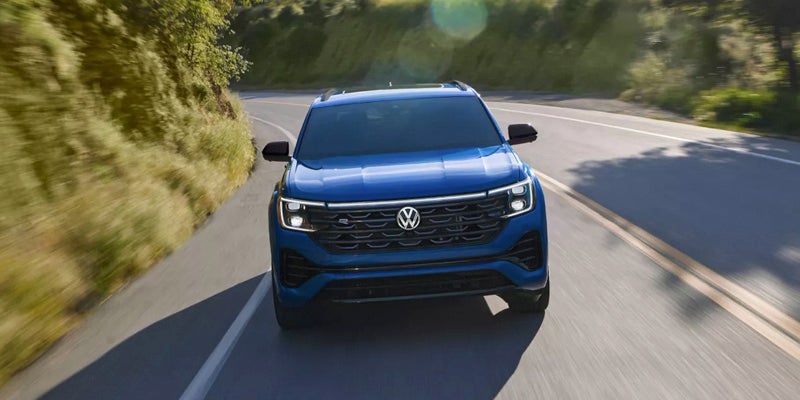
2026 Volkswagen Atlas Cross Sport Buyer’s Guide – Style, Comfort, and VW Performance Engineering

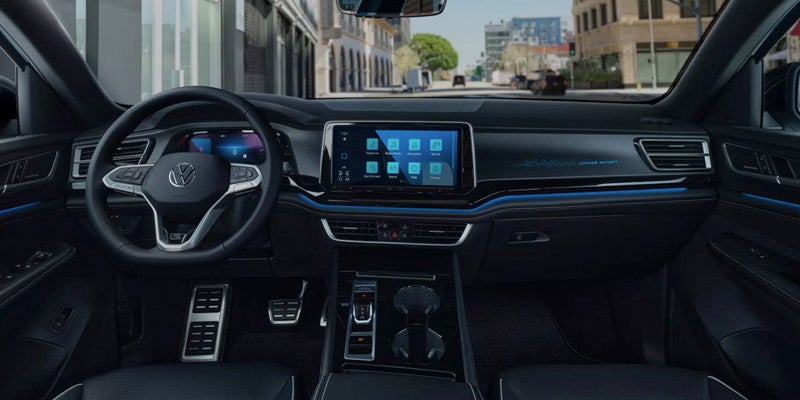
The 2026 Volkswagen Atlas Cross Sport is designed for buyers who want midsize SUV capability without the visual bulk of a traditional three row layout. Its appeal is rooted in proportion, interior focus, and driving confidence rather than exaggerated sport tuning. For style driven shoppers who still expect substance, the Cross Sport blends purposeful design with Volkswagen’s emphasis on stability, comfort, and predictable performance. This buyer’s guide breaks down how the Atlas Cross Sport is engineered, how it feels to live with, and what shoppers should evaluate before choosing it over more conventional midsize SUVs. Design Intent and Exterior Identity The Atlas Cross Sport is not simply an Atlas with a shorter roof. Its exterior proportions are intentionally rebalanced to create a lower, wider stance that emphasizes presence without sacrificing usability. Key design characteristics include: Coupe inspired roofline that reduces visual height Wider body proportions that enhance road presence Shortened rear overhang for a cleaner profile Athletic styling that differentiates it from family focused three row SUVs The result is an SUV that looks composed and modern without relying on aggressive styling cues. more Interior Layout and Passenger Comfort Inside, the Cross Sport prioritizes two row comfort. Eliminating the third row allows Volkswagen to optimize seating position, legroom, and cargo access rather than spreading space thinly across three rows. Interior comfort highlights include: Generous front and second row legroom Supportive seating designed for long distance comfort Wide door openings that improve entry and exit Clean dashboard layout focused on visibility and ergonomics This layout appeals to drivers who routinely carry passengers but rarely need a third row. Cargo Space and Practical Usability Despite its sleeker profile, the Atlas Cross Sport remains highly practical. Cargo capacity benefits from the two row configuration and flat load floor. Practical advantages include: Wide rear hatch opening Flat cargo floor for easy loading Rear seat folding that supports longer items Balanced cargo depth without excessive vehicle length This makes the Cross Sport well suited for everyday hauling, weekend trips, and active lifestyles. Performance Engineering and Powertrain Behavior Volkswagen performance engineering in the Atlas Cross Sport is focused on smooth, confident delivery rather than outright sportiness. Powertrain tuning emphasizes predictability, passing confidence, and relaxed cruising. Performance characteristics include: Strong mid range power for highway merging Smooth transmission behavior under varied throttle input Confident acceleration without abrupt shifts Available all wheel drive that improves traction and stability Rather than feeling eager or aggressive, the Cross Sport feels composed and controlled, which aligns with its role as a refined midsize SUV. Ride Quality and Handling Balance Suspension tuning is where the Cross Sport quietly excels. Volkswagen engineers the chassis to manage weight and road imperfections without isolating the driver. Driving feel highlights include: Stable highway tracking at speed Controlled body motion through corners Steering tuned for accuracy rather than heaviness Road noise management that supports long trips The Cross Sport feels planted and predictable, particularly on longer drives where comfort matters most. Long Trip Comfort and Daily Driving The Atlas Cross Sport is engineered for extended time behind the wheel. Seating support, cabin quietness, and suspension compliance combine to reduce fatigue. Daily driving benefits include: Comfortable seating posture Clear outward visibility Smooth behavior in stop and go traffic Easy maneuverability for a midsize SUV These traits make it well suited for commuters and frequent travelers alike. Atlas Cross Sport Versus Traditional Midsize SUVs Many midsize SUVs emphasize maximum passenger count. The Cross Sport instead emphasizes balance. Compared to traditional three row midsize SUVs, it offers: Cleaner exterior proportions More focused interior comfort Reduced vehicle length without sacrificing width A driving experience that feels intentional rather than utilitarian For buyers who do not need a third row, this approach often feels more satisfying long term. Who the Atlas Cross Sport Is Best For The 2026 Atlas Cross Sport fits drivers who want: A midsize SUV with strong visual appeal Two row comfort prioritized over maximum seating Predictable performance and refined ride quality A vehicle that feels confident rather than oversized It is particularly appealing to buyers who value design but are unwilling to compromise on space, comfort, or everyday usability. Style Backed by Engineering The Atlas Cross Sport succeeds because its styling is supported by thoughtful engineering. It does not rely on sport branding or exaggerated tuning to justify its look. Instead, it delivers comfort, stability, and usability that match its appearance. That balance reflects the broader philosophy of Volkswagen, where design serves function and performance is measured by confidence and consistency rather than extremes. For shoppers seeking a midsize SUV that feels modern, composed, and purpose built, the 2026 Volkswagen Atlas Cross Sport stands as a compelling option.

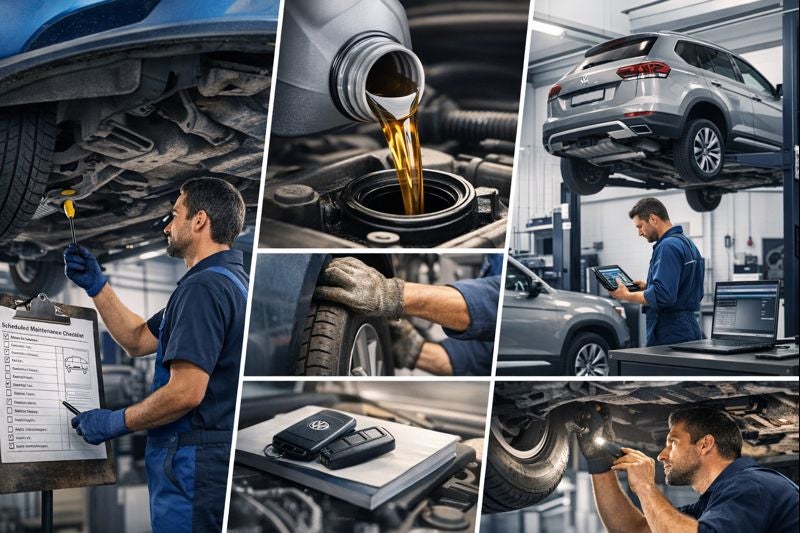
Volkswagen Maintenance Plan Cost Guide – Coverage, Value, and Long-Term Ownership Benefits

Long-term ownership costs are often where vehicle value is truly determined. For many Volkswagen owners, maintenance planning plays a central role in keeping those costs predictable and manageable. Volkswagen maintenance plans are designed to simplify routine service by bundling scheduled maintenance into a prepaid structure that follows factory service logic rather than guesswork. Understanding what these plans cover, how costs compare over time, and who benefits most helps buyers decide whether a maintenance plan aligns with their ownership goals. What a Volkswagen Maintenance Plan Is and Is Not A Volkswagen maintenance plan is a prepaid service program that covers scheduled maintenance over a defined period or mileage range. It is important to distinguish maintenance coverage from warranty coverage. Maintenance plans apply to: Routine, scheduled services Preventive maintenance tasks Factory-recommended inspections Service intervals based on Volkswagen engineering standards Warranty coverage applies to: Repairs related to defects Mechanical or electrical component failures Issues outside normal wear and service Maintenance plans address predictable service needs. Warranties address unexpected problems. more What Volkswagen Maintenance Plans Typically Cover Coverage varies by plan level, but most Volkswagen maintenance plans focus on the services owners will need regardless of driving style. Common inclusions are: Engine oil and filter changes Multi-point inspections Fluid checks and top-offs as required Service interval resets and documentation These services are performed according to Volkswagen’s service schedule, which is engineered around real-world driving conditions rather than fixed mileage rules alone. Services Commonly Not Included Maintenance plans do not cover every ownership expense. Items typically excluded include: Tires Brake pads and rotors Wiper blades Cosmetic wear Repairs outside scheduled maintenance These exclusions are consistent with most OEM maintenance programs and should be considered when planning overall ownership costs. How Volkswagen Service Intervals Are Determined Modern Volkswagen vehicles use service interval logic based on operating conditions rather than rigid mileage milestones. Service timing is influenced by: Engine temperature cycles Driving frequency and trip length Load and driving behavior Time elapsed since last service This approach helps prevent both over-servicing and delayed maintenance, supporting engine longevity and consistent performance. Prepaid Maintenance Versus Pay-As-You-Go Service The core value of a maintenance plan lies in cost predictability. Prepaid maintenance offers: Protection against rising labor and service costs Simplified budgeting Fewer decisions at each service visit Consistent adherence to factory service schedules Pay-as-you-go service can be suitable for: Short-term ownership Very low annual mileage Owners comfortable with variable service expenses Over longer ownership periods, prepaid plans often reduce financial variability even if total costs are similar. Dealer Service and Modern Volkswagen Vehicles Volkswagen vehicles rely heavily on integrated software systems and electronic service tracking. Dealer service departments: Use Volkswagen-specific diagnostic tools Properly reset service indicators Apply software updates when required Follow manufacturer service procedures These steps ensure the vehicle continues to calculate service needs accurately and operates as intended. Long-Term Ownership Value Maintenance plans support long-term ownership by encouraging timely service and clear documentation. Benefits include: Consistent service records Reduced risk of deferred maintenance Improved resale perception Simplified ownership experience Plans are often transferable, which can add value if the vehicle is sold before the plan ends. Who Benefits Most From a Volkswagen Maintenance Plan Maintenance plans are especially valuable for owners who: Plan to keep their vehicle several years Drive average or above-average annual mileage Prefer predictable ownership costs Want factory-aligned service without price fluctuations They may be less critical for owners who drive very little or change vehicles frequently, though convenience can still be a deciding factor. Maintenance Costs and Market Comparison Volkswagen maintenance costs are generally competitive within the market, particularly when service is performed according to factory schedules. Prepaid plans help lock in those costs rather than exposing owners to future price increases. By spreading maintenance expenses over time, plans often feel more manageable even when total service needs remain the same. Planning Beyond the Maintenance Plan Maintenance plans typically cover early ownership years. After coverage ends, owners can transition to: Extended maintenance options Pay-as-you-go service Customized service planning based on driving habits Understanding this progression helps owners avoid surprises later in the ownership cycle. Ownership Perspective Volkswagen maintenance plans are designed to bring clarity and structure to long-term vehicle care. By covering scheduled services in advance and aligning maintenance with factory engineering standards, these plans reduce uncertainty and support consistent ownership experiences. For drivers focused on predictability, proper care, and long-term value, a Volkswagen maintenance plan can be a practical tool rather than an added expense.

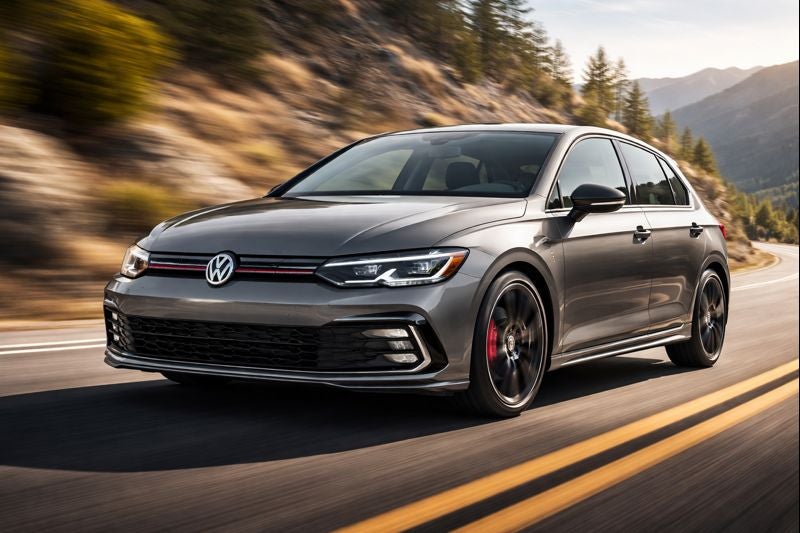
2026 Volkswagen Golf GTI Performance Guide – Power, Handling, and Engineered VW Precision

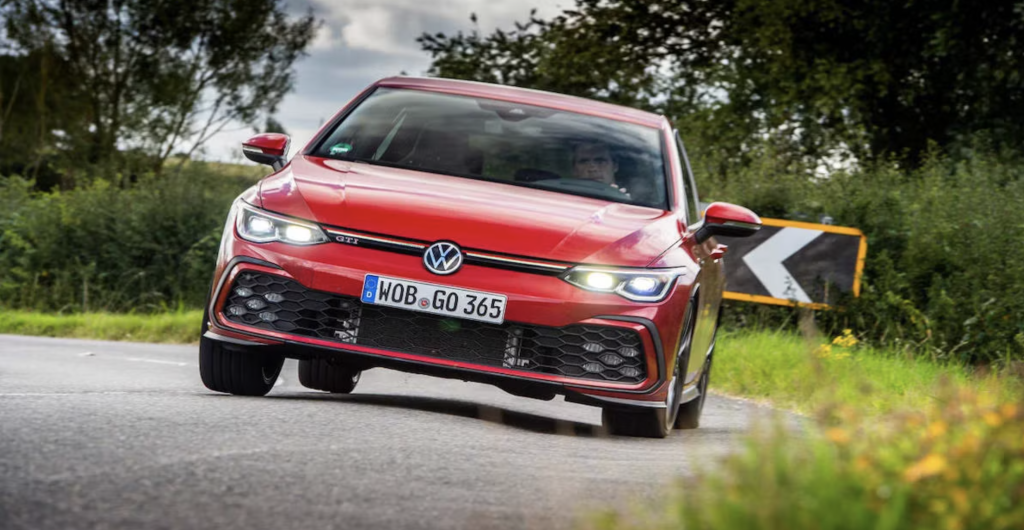
The 2026 Volkswagen Golf GTI continues a long tradition built on a simple principle: performance should be usable, balanced, and repeatable in the real world. Rather than chasing extremes, Volkswagen engineers the GTI to deliver confidence through precision. Power delivery, chassis tuning, and steering response are designed to work together so the car feels composed at everyday speeds and rewarding when driven with intent. This guide breaks down how the GTI achieves that balance and why it remains a benchmark in the hot hatch segment. Turbocharged Power Built for Usable Performance At the heart of the GTI is a turbocharged engine tuned for strong mid range torque rather than peak output numbers. This philosophy prioritizes responsiveness where drivers actually use it. Key engine characteristics include: Early torque availability for quick acceleration Smooth, linear power delivery across the rev range Predictable throttle response in city and highway driving Power that feels accessible rather than overwhelming This approach allows the GTI to feel energetic without demanding constant high rpm driving, which supports both spirited runs and daily commuting. more Transmission Behavior and Driver Control Transmission tuning plays a critical role in how performance is perceived. The GTI’s transmission options are calibrated to complement the engine’s torque characteristics. Performance focused tuning emphasizes: Quick, decisive shifts under acceleration Smooth engagement during relaxed driving Gear spacing that supports both efficiency and responsiveness Control that feels intuitive rather than intrusive The result is a drivetrain that responds cleanly to driver input without feeling overly aggressive in normal use. Chassis Engineering and Structural Balance The GTI’s performance advantage is rooted in chassis engineering. Volkswagen focuses on balance and rigidity to create a stable platform that communicates clearly to the driver. Chassis priorities include: A rigid body structure that minimizes flex Weight distribution optimized for front wheel drive performance Suspension geometry designed to maintain tire contact Predictable behavior during transitions and cornering This foundation allows the GTI to remain composed on uneven pavement while still delivering sharp responses when pushed. Suspension Tuning for Precision and Comfort Suspension tuning is where the GTI distinguishes itself from more extreme hot hatches. Volkswagen calibrates the suspension to handle real roads rather than ideal surfaces. Suspension characteristics include: Controlled body motion during cornering Compliance over bumps and expansion joints Stability at highway speeds Confidence during quick directional changes This balance ensures the GTI feels capable without becoming tiring during daily use. Front Wheel Drive Performance Done Right Front wheel drive performance requires careful management of power and traction. The GTI addresses this through integrated chassis and traction systems. Key elements include: Electronic differential control to manage torque distribution Steering geometry designed to limit torque steer Traction systems tuned for smooth intervention Predictable grip at the front axle Rather than masking limitations, the GTI’s engineering works within them to deliver consistent control. Steering Feel and Driver Feedback Steering response is central to the GTI’s identity. Volkswagen tunes steering for clarity rather than exaggerated weight. Steering behavior emphasizes: Linear response around center Progressive feedback as grip limits approach Confidence during quick inputs A natural connection between driver and front tires This allows drivers to place the car accurately without constant correction, which enhances confidence at all speeds. Braking Performance and Consistency Performance driving demands braking systems that remain consistent over repeated use. The GTI’s brakes are engineered to deliver reliable stopping power without sacrificing everyday comfort. Braking characteristics include: Predictable pedal feel Resistance to fade during spirited driving Smooth engagement during light braking Balanced integration with stability systems This consistency supports confident driving whether navigating traffic or enjoying a winding road. Hot Hatch Practicality Without Compromise One of the GTI’s defining strengths is its ability to blend performance with practicality. Everyday usability benefits include: Comfortable seating for daily commutes Hatchback cargo flexibility Manageable size for urban driving Fuel efficiency that supports long term ownership These qualities allow the GTI to serve as a primary vehicle rather than a weekend-only option. Engineering Precision Over Raw Numbers The GTI’s appeal is not defined by peak horsepower figures. Instead, it is defined by how well its systems work together. Volkswagen engineering prioritizes: Balance between components Predictable responses under load Repeatable performance across conditions Driver confidence over spectacle This philosophy explains why the GTI remains relevant even as competitors chase higher output. Why the GTI Still Matters For many drivers, performance is about feeling connected rather than going faster in a straight line. The GTI delivers that connection through thoughtful engineering rather than excess. It rewards: Smooth driving inputs Precision over aggression Consistency over extremes This makes it approachable for new enthusiasts while remaining engaging for experienced drivers. Ownership Perspective The 2026 Volkswagen Golf GTI embodies Volkswagen’s performance engineering philosophy by delivering power, handling, and precision in a balanced package. Its turbocharged engine, carefully tuned chassis, and confidence-inspiring steering create a driving experience that feels refined rather than raw. For drivers who value engagement without sacrificing daily usability, the GTI continues to set the standard for what a hot hatch should be.

Volkswagen APR in 2026: What Jacksonville Buyers Should Know About Rates, Incentives, and Value

Financing behavior has shifted over the last several years, and by 2026 many Jacksonville buyers are paying closer attention to interest rates, manufacturer incentives, and total ownership cost rather than just monthly payments. Volkswagen APR programs are designed to bring clarity to that decision by offering structured financing options through the manufacturer. Understanding how these programs work and how they interact with incentives helps buyers evaluate real value instead of headline offers. This guide explains how Volkswagen APR financing functions, what affects available rates, and how to assess value beyond advertised numbers. What APR Actually Means in Auto Financing APR represents the annual percentage rate charged on a vehicle loan. It reflects the cost of borrowing money over time and directly impacts how much interest is paid across the full loan term. Key points buyers should understand: A lower APR reduces total interest paid APR affects total cost more than the sticker price alone Longer loan terms increase total interest even at low rates Monthly payment alone does not reflect total financing cost APR should always be evaluated alongside loan length and purchase price to understand the full financial picture. more How Volkswagen APR Programs Are Structured Volkswagen financing programs are offered through the manufacturer rather than traditional banks. These programs are often used to support specific models, trims, or market conditions. VW APR programs typically: Apply to select models or configurations Are offered for defined loan terms Require qualification based on credit tier Replace certain cash incentives rather than stacking with them Because these programs are tied to manufacturer strategy, availability can change month to month. APR Versus Cash Incentives One of the most common buyer decisions involves choosing between low APR financing and cash incentives. Low APR financing benefits buyers who: Plan to finance a large portion of the vehicle Want to minimize interest over time Keep the loan for most or all of its term Cash incentives may benefit buyers who: Put more money down Finance for shorter periods Intend to pay off the loan early Comparing both options requires looking at total cost rather than initial savings. Credit Qualification and Rate Variability APR offers are tied to credit profiles. Not all buyers qualify for the lowest advertised rates. Factors that influence APR eligibility include: Credit score Credit history length Debt to income ratio Prior auto loan performance Buyers should view advertised APR as a best case scenario rather than a guaranteed outcome. Why Timing Matters for VW Incentives Volkswagen incentives are influenced by broader market conditions, inventory levels, and model lifecycle timing. Incentives may change due to: New model year introductions Inventory balancing needs Regional sales performance Seasonal buying patterns For Jacksonville buyers, this means offers available today may not reflect what is available next month. How APR Affects Long Term Ownership Value APR decisions impact ownership beyond the initial purchase. Lower APR can: Reduce total cost of ownership Improve equity position over time Make longer ownership periods more economical Higher APR increases: Total interest paid Cost of extending loan terms Financial pressure if resale occurs early Financing decisions should align with how long the vehicle will be kept. Evaluating Financing Beyond Advertised Rates Smart buyers evaluate financing offers holistically. Important considerations include: Total interest paid over the loan Monthly payment sustainability Loan term length Flexibility for early payoff Relationship between incentives and APR Focusing on total value helps avoid surprises later in ownership. Manufacturer Financing Versus Traditional Banks Volkswagen financing differs from traditional bank loans in structure and intent. Manufacturer financing: Is designed to support vehicle sales May offer promotional rates unavailable elsewhere Often includes model specific incentives Bank financing: May offer consistency across brands Can vary widely by institution Does not include manufacturer incentives Comparing both options ensures buyers choose the most cost effective path. What Jacksonville Buyers Should Prioritize Local buyers often balance daily driving needs with long term ownership plans. Strong financing decisions reflect: Realistic budget planning Understanding of APR impact Awareness of incentive timing Alignment with ownership duration APR should support the buyer’s plan, not dictate it. Ownership Perspective Volkswagen APR programs in 2026 are designed to provide structured, transparent financing options in a changing interest rate environment. For Jacksonville buyers, understanding how APR, incentives, and loan terms work together is the key to recognizing real value. By evaluating total cost instead of promotional headlines, buyers can choose financing that supports both immediate affordability and long term ownership confidence.

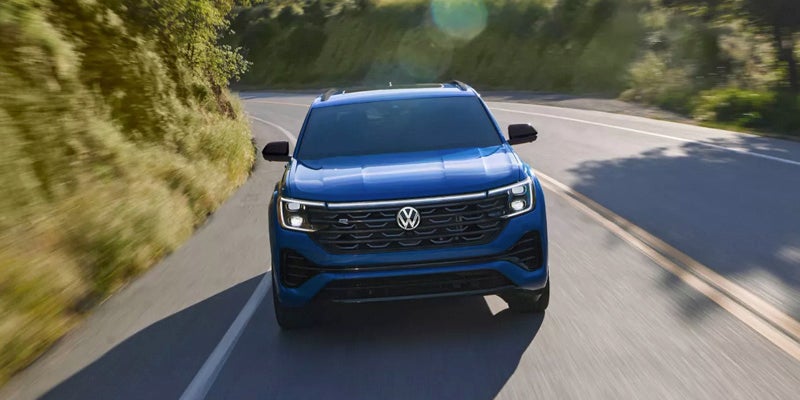
2026 Volkswagen Atlas Cross Sport Buyer’s Guide – Style, Comfort, and VW Performance Engineering

The 2026 Volkswagen Atlas Cross Sport is designed for buyers who want midsize SUV presence without the third row footprint. It blends athletic styling with everyday comfort and Volkswagen’s methodical performance engineering. For shoppers prioritizing interior space, ride quality, and confident road manners, the Cross Sport delivers a balance that feels intentional rather than compromised. This guide breaks down how the Atlas Cross Sport is engineered, how it behaves on the road, and what buyers should evaluate to determine if it fits their daily needs. Atlas Cross Sport Positioning Within the VW SUV Lineup The Atlas Cross Sport shares its platform with the Atlas but takes a distinct approach to packaging and design. Key positioning differences include: Two row seating that prioritizes passenger space and cargo flexibility A lower, more athletic roofline for a sportier stance Emphasis on design forward proportions without sacrificing comfort A driving experience tuned for daily usability rather than maximum capacity For buyers who do not need a third row, the Cross Sport offers a cleaner, more focused midsize SUV experience. more Interior Design and Comfort Engineering Interior comfort is a major driver of satisfaction in the midsize SUV segment. Volkswagen engineers the Cross Sport cabin around long distance usability and intuitive layout. Interior highlights include: Supportive seating designed for extended drives Thoughtful material placement that balances durability and refinement Clear sightlines and an upright driving position Noise insulation tuned to reduce road and wind intrusion Rear seat space benefits from the two row layout, allowing passengers to stretch out without the compromises often found in compact SUVs. Cargo Utility and Everyday Practicality Removing the third row allows the Atlas Cross Sport to maximize usable cargo space while maintaining a manageable exterior footprint. Practical advantages include: A wide cargo opening for easy loading Flat load floor with rear seats folded Space suitable for sports gear, luggage, or daily hauling Rear seat flexibility that supports mixed passenger and cargo use This makes the Cross Sport particularly appealing for buyers who value versatility without moving into a larger three row vehicle. Powertrain Performance and Torque Behavior Volkswagen performance engineering focuses on delivering usable power rather than headline acceleration figures. The Atlas Cross Sport is tuned to feel confident and composed in everyday driving. Performance characteristics emphasize: Strong low and mid range torque for smooth acceleration Transmission calibration that prioritizes refinement Predictable throttle response for city and highway driving Power delivery that feels natural rather than aggressive This approach supports relaxed cruising, confident merging, and consistent behavior across varying road conditions. Chassis Tuning and Ride Quality Ride quality is a defining trait for midsize SUVs, especially for buyers who spend significant time behind the wheel. Volkswagen engineers the Cross Sport chassis to: Absorb road imperfections without excessive body movement Maintain stability at highway speeds Balance comfort with controlled handling Deliver a planted feel during lane changes and cornering Wheel and tire selection also play a role in how the vehicle feels. Buyers should pay attention to ride compliance during their test drive, particularly on rough pavement. All Wheel Drive Confidence and Traction Management Available all wheel drive adds confidence in changing weather conditions. The system is designed to enhance stability rather than transform the vehicle into an off road tool. AWD behavior includes: Automatic torque distribution based on traction needs Seamless engagement when conditions change Improved control on wet or uneven surfaces No impact on braking performance For buyers who encounter rain or variable road conditions, AWD supports peace of mind without complicating daily driving. Technology and Driver Assistance Integration Technology in the Atlas Cross Sport is designed to support the driving experience rather than overwhelm it. Key elements include: Driver assistance systems that reduce workload Clear digital displays with intuitive menus Controls positioned for ease of use Integration that complements rather than distracts The focus remains on making daily driving easier and more predictable. What Buyers Should Evaluate on a Test Drive A test drive reveals how the Cross Sport fits individual preferences. Important evaluation points include: Seat comfort and driving position Ride quality over uneven surfaces Cabin noise levels at highway speed Throttle and transmission response Visibility and ease of maneuvering These factors matter more long term than spec sheet comparisons. Who the Atlas Cross Sport Fits Best The 2026 Volkswagen Atlas Cross Sport is well suited for buyers who: Want midsize space without a third row Value comfort and refined driving behavior Prefer clean, athletic design Need flexible cargo capability Prioritize daily livability over maximum towing or seating It bridges the gap between compact SUVs and larger three row models with a focused, thoughtful approach. Ownership Perspective The 2026 Volkswagen Atlas Cross Sport delivers a cohesive midsize SUV experience built around comfort, usable performance, and smart design. Its two row layout allows Volkswagen engineering to focus on what most drivers use every day: space, ride quality, and confidence on the road. For style driven shoppers who still want practical value, the Cross Sport stands out as a well balanced choice in the midsize SUV segment.

2025 Volkswagen Tiguan Lease Guide for Jacksonville Drivers: Monthly Payments, Mileage, and Real Value

Leasing a vehicle is a financial decision built on how value changes over time, not just on finding the lowest monthly payment. For Jacksonville drivers considering a 2025 Volkswagen Tiguan, understanding how lease structure works and how Volkswagen engineering influences long term value is essential to deciding whether leasing aligns with real driving habits and ownership goals. This guide explains how Tiguan lease payments are calculated, how mileage limits affect cost, why residual value matters, and what shoppers should evaluate when comparing leasing versus financing. How a Volkswagen Tiguan Lease Payment Is Built A lease payment is determined by several interconnected components that work together to define how much of the vehicle’s value is used during the lease term. Core lease variables include: Capitalized cost, which is the negotiated vehicle price Residual value, the estimated value at lease end Money factor, which represents the cost of borrowing Lease term length, commonly 24 or 36 months Taxes and fees based on local regulations The difference between the capitalized cost and the residual value represents depreciation. Lease payments cover this depreciation over time rather than paying for the entire vehicle. Why Residual Value Is Critical for the Tiguan Residual value has a direct impact on monthly lease cost. A higher residual value means less depreciation is paid during the lease term. The Volkswagen Tiguan benefits from: Consistent demand in the compact and midsize SUV crossover space Conservative exterior design that ages predictably Interior layouts that remain functional over multiple model years Balanced powertrain tuning that supports durability Volkswagen’s design philosophy prioritizes evolutionary updates rather than rapid styling changes. This helps protect resale value, which improves lease affordability. Mileage Limits and Real World Driving Patterns Mileage limits are built into leases because usage directly affects vehicle value. Choosing the correct allowance is one of the most important lease decisions. Typical mileage options include: 10,000 miles per year 12,000 miles per year 15,000 miles per year Exceeding the agreed mileage results in a per mile charge at lease end. Jacksonville drivers should consider commuting distance, daily errands, and seasonal travel rather than choosing the lowest mileage option purely to reduce monthly payments. The Tiguan’s role as a daily driver often makes moderate mileage allowances the most realistic choice. Lease Term Length and Monthly Cost Tradeoffs Lease term length influences both payment size and flexibility. Shorter lease terms generally offer: Higher monthly payments Faster access to updated technology Lower exposure to wear over time Longer lease terms typically provide: Lower monthly payments Longer commitment to the same vehicle Greater importance placed on durability and interior wear resistance Volkswagen engineers the Tiguan interior and chassis to handle long term use without rapid degradation, making standard 36 month leases a practical balance for many drivers. How Tiguan Engineering Supports Lease Value The Tiguan’s engineering directly supports lease performance. Its turbocharged engine is tuned for usable torque rather than aggressive peak output, reducing stress on internal components during everyday driving. Engineering factors that influence lease value include: Smooth power delivery that limits drivetrain wear Transmission calibration focused on efficiency and consistency Suspension tuning that balances comfort with tire longevity Interior materials selected for durability and temperature stability Vehicles returned at lease end are evaluated for condition. Engineering that supports predictable wear helps maintain value across lease cycles. Leasing Versus Financing a Volkswagen Tiguan The decision to lease or finance should be based on ownership priorities rather than monthly payment alone. Leasing may be well suited for drivers who: Prefer driving newer vehicles every few years Want warranty coverage throughout ownership Value predictable costs Drive within defined mileage limits Financing may be a better fit for drivers who: Plan to keep the vehicle long term Drive high annual mileage Want to eliminate monthly payments eventually Prioritize long term ownership value over flexibility The Tiguan performs well in both scenarios, but leasing highlights its balanced depreciation profile and consistent market demand. What Happens at the End of a Tiguan Lease At lease end, drivers typically have multiple options depending on vehicle condition and market value. Common options include: Returning the vehicle and leasing a new Volkswagen Purchasing the Tiguan at the predetermined residual value Transitioning to financing on a different vehicle Because the buyout price is established at lease signing, drivers can make informed decisions without relying on market fluctuations. Credit Considerations and Lease Qualification Lease approval and pricing are influenced by credit profile. Prequalification helps drivers understand eligibility and expected payment ranges before selecting a vehicle. Leasing generally favors: Stable credit history Predictable income Lower risk profiles Volkswagen lease programs are structured to balance accessibility with realistic residual values that protect both the driver and lender. Jacksonville Driving Conditions and Lease Planning Jacksonville driving conditions play a role in lease planning. Heat, humidity, and traffic patterns influence vehicle wear and mileage accumulation. Important considerations include: Consistent highway speeds versus stop and go traffic Air conditioning usage in warm climates Road conditions and tire wear Seasonal travel patterns The Tiguan’s cooling systems, interior climate design, and chassis tuning are built to handle these conditions without accelerating depreciation. What Jacksonville Drivers Should Evaluate Before Leasing Before committing to a Tiguan lease, drivers should evaluate: Realistic annual mileage Lease term length that fits usage patterns Monthly payment comfort beyond promotional pricing Long term flexibility at lease end How vehicle size and efficiency align with daily needs Leasing works best when aligned with actual driving behavior rather than short term incentives. Final Perspective on Leasing a 2025 Volkswagen Tiguan Leasing a 2025 Volkswagen Tiguan is a structured way to match modern SUV usability with predictable ownership costs. The Tiguan’s disciplined engineering, consistent design, and stable market position support strong lease fundamentals when mileage and term length are chosen thoughtfully. For Jacksonville drivers who value flexibility, warranty backed ownership, and clarity around long term costs, understanding how Tiguan leases work provides confidence that the decision is grounded in both financial logic and Volkswagen engineering principles.

2025 Volkswagen Taos Buyer’s Guide – Jacksonville, FL: Efficient Design Meets VW Engineering

The 2025 Volkswagen Taos is engineered for drivers who want efficiency without sacrificing refinement, structure, or long term usability. In the compact SUV segment, many vehicles chase fuel economy numbers at the expense of driving stability, cabin quality, or powertrain durability. The Taos takes a more balanced approach, pairing compact exterior dimensions with a thoughtfully engineered platform that supports daily commuting, urban maneuverability, and highway confidence. This guide breaks down how the Taos is built, how its systems work in real world driving, and what Jacksonville shoppers should evaluate when deciding if a compact SUV aligns with their needs. Platform Design and Compact SUV Proportions The Taos is built on Volkswagen’s MQB architecture, a modular platform engineered to balance weight distribution, structural rigidity, and interior efficiency. This platform allows Volkswagen to maximize cabin space while keeping the exterior footprint manageable for city driving and parking. Platform characteristics include: Transverse engine layout for efficient packaging High strength steel in critical load bearing areas Optimized crash structure without excess weight Balanced front to rear weight distribution for predictable handling For Jacksonville drivers navigating dense traffic, tight parking areas, and frequent stop and go driving, this platform design supports both agility and comfort. Powertrain Engineering and Real World Efficiency The 2025 Taos is powered by a turbocharged 1.5 liter four cylinder engine designed to deliver usable torque at low and mid range speeds. Rather than focusing on peak horsepower figures, Volkswagen engineers tuned this engine for responsiveness in everyday driving. Powertrain highlights include: Turbocharged design for strong low rpm torque Direct fuel injection for improved combustion efficiency Engine management systems calibrated for smooth throttle response Automatic transmission tuning focused on fuel economy and drivability This setup supports confident merging, steady highway cruising, and efficient urban driving without requiring aggressive throttle input. Fuel Economy and Driving Behavior Efficiency in the Taos is achieved through system integration rather than a single technology. Engine tuning, transmission behavior, and vehicle weight all contribute to real world fuel economy. Efficiency supporting factors include: Lightweight platform construction Optimized gear ratios for cruising speeds Aerodynamic body shaping Engine start stop technology where equipped For drivers with daily commutes or frequent highway travel, the Taos delivers fuel efficiency without the tradeoff of sluggish response that often accompanies economy focused vehicles. Interior Design and Passenger Comfort Despite its compact classification, the Taos offers an interior designed around usable space rather than minimal dimensions. Seat positioning, roofline height, and window placement all contribute to an open cabin feel. Interior design considerations include: Upright seating posture for improved visibility Ample rear legroom for a compact SUV Wide door openings for easy entry and exit Cargo space that supports groceries, gear, and luggage This balance makes the Taos suitable for small families, professionals, and drivers downsizing from larger vehicles without feeling constrained. Technology and Driver Interface Volkswagen integrates technology in the Taos with an emphasis on clarity and consistency. Systems are designed to support the driver rather than distract from the driving experience. Technology features include: Digital Cockpit display for vehicle and navigation data Central infotainment screen with logical menu structure Apple CarPlay and Android Auto integration Physical controls for core functions like volume and climate This hybrid approach ensures usability in real world conditions where touchscreens alone can become cumbersome. Safety and Driver Assistance Systems The Taos incorporates driver assistance systems that operate cohesively rather than independently. Sensors and cameras are calibrated to provide support without abrupt or intrusive behavior. Available systems include: Forward collision warning with automatic braking Blind spot monitoring Rear traffic alert Adaptive cruise control These systems are designed to enhance awareness while allowing the driver to remain in control. How the Taos Fits the Compact SUV Segment The compact SUV segment is crowded, but the Taos differentiates itself through engineering discipline rather than feature overload. The Taos appeals to drivers who value: Efficient daily transportation Refined ride quality Predictable handling Long term ownership confidence It is particularly well suited for drivers who want SUV versatility without stepping into larger, less efficient vehicles. What Jacksonville Buyers Should Evaluate When deciding if the Taos is the right fit, Jacksonville buyers should consider: Daily commute length and traffic conditions Parking and maneuverability needs Fuel efficiency priorities Interior space requirements Technology usability preferences The Taos is optimized for drivers who spend most of their time on paved roads and want a vehicle that feels composed in both urban and highway settings. Final Perspective on the 2025 Volkswagen Taos The 2025 Volkswagen Taos delivers compact SUV practicality through thoughtful engineering rather than compromise. Its efficient powertrain, balanced platform, and intuitive interior design make it a strong choice for drivers seeking dependable transportation with modern refinement. For Jacksonville drivers looking to balance efficiency, comfort, and long term value, the Taos represents Volkswagen’s disciplined approach to compact SUV design, focused on how vehicles are actually used every day.

Volkswagen Oil Change Cost vs Independent Shops – What Jacksonville Drivers Should Know

Oil changes are often treated as a commodity service, but for modern Volkswagen engines, oil selection, service procedure, and diagnostic checks play a critical role in long term performance and reliability. Many Jacksonville drivers compare dealership oil change pricing to independent shops without fully understanding how modern VW engines are engineered or why factory specified service matters beyond the receipt total. This guide explains what goes into a Volkswagen oil change, how costs differ between VW service centers and independent shops, and what drivers should evaluate when deciding where to maintain their vehicle. licensed Via Shutterstock Why Volkswagen Oil Change Costs Vary Volkswagen engines are designed around specific oil formulations, service intervals, and internal tolerances. The cost of an oil change is influenced by more than labor time. Key cost drivers include: Oil type and certification standard Engine oil capacity Oil filter design and quality Labor procedure and inspection steps Diagnostic scan and system resets Many Volkswagen engines use fully synthetic oil that meets strict VW approval standards rather than generic viscosity ratings. These oils are formulated to handle turbocharged heat, extended service intervals, and tight internal clearances. Volkswagen Oil Specifications and Why They Matter Volkswagen does not approve oil based solely on viscosity. Oils must meet specific VW standards such as 502 00, 504 00, or newer specifications depending on engine design. VW approved oil requirements account for: Turbocharger heat management Sludge resistance under high temperature operation Proper lubrication of timing components Compatibility with emissions systems Using oil that does not meet these standards can lead to accelerated wear, reduced efficiency, and potential warranty issues. Independent shops may offer lower priced oil changes by using non certified oils that meet general viscosity ratings but not Volkswagen approval requirements. What a Volkswagen Dealership Oil Change Includes A Volkswagen oil change involves more than draining and refilling oil. Factory service procedures include system level checks that are often skipped or simplified elsewhere. A typical VW oil change includes: Drain and refill with VW approved synthetic oil OEM oil filter replacement Oil level verification using electronic monitoring Reset of service interval indicators Visual inspection of belts, hoses, and seals Multi point inspection tied to VW service schedules These steps are designed to catch early signs of wear or leaks before they develop into costly repairs. Independent Shops and Cost Differences Independent shops often advertise lower oil change prices due to reduced overhead or simplified service packages. While this can be appealing, it is important to understand where cost savings come from. Common differences at independent shops include: Use of non VW approved synthetic oil Generic oil filters with different filtration efficiency Limited diagnostic scanning No software or service interval updates Fewer vehicle specific inspections For older vehicles outside of warranty, some drivers may accept these tradeoffs. For newer Volkswagens or vehicles with turbocharged engines, these differences can impact long term engine health. Turbocharged Engines and Oil Quality Many modern Volkswagen vehicles use turbocharged engines to balance performance and efficiency. Turbochargers place additional stress on engine oil due to high operating temperatures and rotational speeds. High quality oil is critical for: Cooling turbocharger bearings Preventing oil breakdown under heat Maintaining consistent lubrication pressure Reducing carbon buildup Lower quality oils may degrade faster, leading to reduced protection between service intervals. Service Intervals and Long Term Cost Considerations Volkswagen designs oil change intervals around engine architecture and oil chemistry rather than arbitrary mileage numbers. Extending intervals or using improper oil can increase long term ownership costs even if short term service pricing appears lower. Long term considerations include: Engine cleanliness over high mileage Timing system longevity Turbocharger lifespan Fuel efficiency consistency An oil change that costs less today but accelerates wear can lead to significantly higher repair costs later. Warranty and Maintenance Documentation For vehicles under warranty, proper maintenance documentation matters. Volkswagen requires that services meet factory specifications to maintain warranty coverage. Dealership service records provide: Verified oil specification compliance Digital service history tracking Proof of maintenance if warranty claims arise Independent shops may not document oil specifications or procedures at the same level of detail. Jacksonville Driving Conditions and Oil Change Importance Jacksonville driving conditions place unique demands on engine oil. Heat, humidity, stop and go traffic, and short trips all accelerate oil degradation. These conditions increase the importance of: Oil that resists thermal breakdown Proper service intervals Consistent inspection routines Volkswagen service procedures account for these real world factors. How to Decide Where to Get Your Volkswagen Oil Changed Rather than comparing price alone, Jacksonville drivers should evaluate: Whether VW approved oil is used Whether service interval systems are reset correctly The level of inspection included Vehicle age and warranty status Long term ownership plans For many drivers, dealership service offers transparency and consistency that aligns with how Volkswagen engines are engineered to operate. Final Perspective on Volkswagen Oil Change Cost Comparison Volkswagen oil change costs reflect more than oil and labor. They reflect an engine specific service process designed to protect performance, efficiency, and longevity. Independent shops may offer lower upfront pricing, but that difference often comes from reduced procedures or non certified materials. For Jacksonville drivers who plan to keep their Volkswagen long term or want to protect warranty coverage and engine health, understanding what is included in a VW oil change provides clarity that price alone cannot. Maintenance done correctly supports the engineering that makes a Volkswagen perform the way it was designed to.

2025 Volkswagen Atlas Interior & Technology Guide – Jacksonville, FL: Space, Comfort, and Smart VW Engineering

The 2025 Volkswagen Atlas is engineered first and foremost around interior usability. In the three row SUV segment, many vehicles advertise passenger capacity but struggle to deliver real space, long distance comfort, and intuitive technology once families begin using all three rows at the same time. The Atlas approaches this differently by prioritizing physical room, seating ergonomics, and system simplicity rather than overcomplicated design. This guide breaks down how the Atlas interior is engineered, how its technology systems function in real world use, and what Jacksonville drivers should evaluate when comparing three row SUVs for daily driving, family travel, and long term ownership. Interior Space and Seating Design in the 2025 Volkswagen Atlas Interior volume is the Atlas’s defining strength, but the value comes from how that space is shaped and supported structurally. The Atlas rides on a long wheelbase platform that allows engineers to spread passenger space evenly across all three rows instead of concentrating it in the front cabin. Key interior space characteristics include: Seating for up to seven passengers with a usable third row Wide door openings for easier entry and exit Flat floor architecture that improves foot room Upright seating posture that supports long drives Unlike many midsize three row SUVs where the third row is best suited for children, the Atlas is designed to accommodate adults in all seating positions. Second row seats slide forward smoothly without collapsing the seatback, which maintains comfort for passengers already seated in the third row. Third Row Comfort and Real World Usability Third row comfort is where many competitors fall short. Volkswagen addresses this by balancing seat height, cushion depth, and roofline clearance rather than focusing on headline measurements alone. In the Atlas, third row passengers benefit from: Adequate knee room due to the extended wheelbase Proper seatback angle for upright posture Sufficient headroom even for taller occupants Dedicated air vents for climate circulation This matters in Jacksonville driving conditions where heat and humidity amplify discomfort. Proper airflow and seating posture reduce fatigue during longer drives or traffic congestion. Cargo Space Without Compromising Passenger Comfort Cargo capacity is another area where the Atlas stands out, but the design philosophy is focused on flexibility rather than raw volume alone. Cargo considerations include: Usable cargo space behind the third row for daily errands Substantial cargo area with the third row folded flat Low load floor height for easier lifting Wide rear opening that supports bulky items The Atlas avoids steep seatback angles that cause cargo to slide forward, making it more practical for groceries, sports equipment, or luggage without constant repositioning. Cabin Comfort and Material Engineering Volkswagen designs interiors with an emphasis on consistency rather than visual overload. Materials are selected for durability, temperature stability, and long term wear rather than novelty. Interior comfort engineering includes: Supportive seat foam density that resists compression over time Wide seat bases for balanced weight distribution Thoughtful placement of armrests and storage Cabin insulation that reduces road and wind noise This approach supports the Atlas as a true daily driver rather than a vehicle optimized only for occasional road trips. Volkswagen Digital Cockpit and Driver Interface Technology in the 2025 Atlas is designed to inform the driver without distraction. Volkswagen’s Digital Cockpit replaces traditional analog gauges with a configurable digital display that presents information clearly and predictably. Digital Cockpit functions include: Navigation display within the instrument cluster Vehicle status and driver assistance indicators Customizable information layouts Clear visual hierarchy that prioritizes speed and alerts By placing critical data directly in the driver’s line of sight, Volkswagen reduces the need for eye movement between screens. Infotainment System and Physical Controls The Atlas infotainment system is engineered around ease of use rather than menu depth. Touchscreen interaction is supported by physical controls for volume and climate, which remains important for real world driving. Technology features include: Apple CarPlay and Android Auto integration Clear screen responsiveness without excessive animations Climate controls that remain usable without navigating menus Logical menu structure that minimizes learning curve This balance matters for families and commuters who need systems to respond quickly without demanding attention. Safety and Driver Assistance Technology Integration Driver assistance systems in the Atlas are designed to work cohesively rather than as isolated features. Sensors, cameras, and control modules communicate continuously to support the driver. Core systems include: Adaptive cruise control Lane keeping assistance Forward collision warning with automatic braking Blind spot monitoring Volkswagen calibrates these systems conservatively to support awareness without aggressive intervention, which aligns with its engineering focused philosophy. How Atlas Interior Engineering Supports Long Term Ownership Interior engineering impacts more than comfort. It affects resale value, maintenance satisfaction, and long term usability. Materials that resist wear, systems that remain intuitive, and layouts that age well contribute to sustained ownership confidence. Volkswagen emphasizes: Functional design over trend driven styling Technology that remains usable as software evolves Space planning that adapts to changing family needs This results in an interior that feels intentional rather than experimental. What Jacksonville Drivers Should Evaluate When Choosing a Three Row SUV When comparing the Atlas to other three row SUVs, buyers should evaluate: Third row comfort for adult passengers Climate performance in hot weather Ease of daily entry and exit Cargo flexibility without folding multiple rows Technology usability without distraction The Atlas excels where space and simplicity matter most. Final Perspective on the 2025 Volkswagen Atlas Interior and Technology The 2025 Volkswagen Atlas delivers interior space and technology through disciplined engineering rather than overdesigned complexity. Its long wheelbase, thoughtful seating geometry, and intuitive systems make it a practical choice for families and drivers who value real usability over marketing claims. For Jacksonville drivers navigating daily commutes, family schedules, and longer coastal drives, the Atlas offers a cabin that works with you rather than demanding attention. That balance is what defines Volkswagen’s approach to interior and technology engineering.

2025 VW Atlas Cross Sport

Five Favorite Features of the 2025 Volkswagen Atlas Cross Sport

A small SUV like the 2025 Volkswagen Atlas Cross Sport is an excellent option for urban driving and long-range adventures. This two-row model is a smaller version of the flagship Atlas and comes with tons of practical features for active lifestyles. 1. Turbocharged Engine The Atlas Cross Sport is outfitted with a 2.0-liter turbocharged I4 motor that produces 269 horsepower and 273 lb-ft of torque. The powertrain has a 2,000-lb towing capacity to haul a small boat or trailer when properly equipped. An eight-speed transmission with selectable drive modes and a front-wheel drivetrain are standard. With a turbocharged motor optimizing fuel consumption, drivers can expect a gas mileage of 20 MPG in the city, 26 MPG on the freeway, and 23 MPG combined. 2. Intuitive Infotainment This model comes with a 12-inch multifunctional touchscreen to manage connected apps for media streaming, Bluetooth-connected devices for pass-through phone calls, and smartphones wirelessly integrated via App-Connect. Smartphone integration is the key to tailoring your entertainment experience with your favorite apps for podcasts, news, sports, weather, audiobooks, and music. A three-month trial for satellite radio services is also standard. more 3. Climate-Controlled Seating Whether it's the peak of summer or the chill of winter, the Atlas Cross Sport enhances first-row rider comfort with climate-controlled seats. Each of the adjustable front seats has heat and ventilation settings that can be independently controlled. A heated, leatherette-wrapped steering wheel is also standard. The cabin maintains an ideal ride temperature with a dual-zone front automatic HVAC system with underseat ducts. 4. Flexible Cargo Capacity The Atlas Cross Sport comes with a concealed cargo space to store important items or keep emergency supplies out of sight. This SUV has a dedicated cargo volume of 40.3 cubic feet, which can easily hold a few large suitcases. By folding down the second-row seats, the cargo volume increases to 77.8 cubic feet. 5. High-Tech Driver Assistance This model comes with Travel Assist, a semi-automated system that assists with urban and highway travel by controlling lane-centered steering, braking, and acceleration. Front Assist, which has a forward collision warning system to alert you about potential impacts and an automatic braking system to prevent collisions, is also standard. Front Assist also has software that can detect impacts with pedestrians and bicyclists on the road. Other high-tech driver assistance systems include a blind spot warning system, rear cross-traffic alert, and a driver attention monitor that can detect distracted driving behaviors. Lane-keeping technology with lane departure warning is another crucial safety system. Drive a compact SUV full of sensible standard features and advanced safety technology. Visit Tom Bush Volkswagen in Jacksonville, FL to learn about finance deals today.

Volkswagen ID.Buzz

Explore the 2025 VW ID. Buzz: Features by Trim Level

Vintage vibes and modern technology collide in the groovy 2025 Volkswagen ID. Buzz. Five electrifying trim levels are filled to the brim with cutting-edge characteristics, wrapped in an exterior that pays homage to the original VW bus. Pro S The base model of the Volkswagen ID. Buzz is powered by a single rear-mounted motor and a 91-kWh lithium-ion battery pack, which grants the Pro S 282 horsepower. Inside the Pro S, you will find an assortment of creature comforts such as triple-zone automatic climate control, a heated steering wheel, and a heated 60/40-split second-row bench seat. The Pro S also comes standard with Volkswagen's IQ.Drive, which is a suite of driver-assist technologies to help make every drive a safe one. This suite includes adaptive cruise control, lane-keeping assistance, and a blind-spot warning system. Pro S Plus Next in the Volkswagen ID. Buzz lineup is the vibrant Pro S Plus, which comes with more fun exterior paint choices and a few extra convenience features. Loading up the crew and their gear is a breeze with the Pro S Plus's hands-free access sliding side doors and rear liftgate. A head-up display projects important vehicle information onto the windshield in the driver's line of sight. The Pro S Plus also comes with a surround-view camera system that gives a top-down view of the vehicle and its surroundings to help navigate tricky parking scenarios. more Pro S Plus with 4MOTION The addition of 4MOTION grants the Pro S Plus all-wheel drive and gives it a power output of 355 horsepower. Outside this version of the Volkswagen ID. Buzz, you will find 20-inch alloy wheels fitted with all-season tires, LED headlights, and a heated windshield. Inside, the Pro S Plus with 4MOTION comes with some luxurious perks, such as 30-color adjustable ambient interior lighting and a 13-speaker Harman Kardon premium sound system. 1st Edition The special 1st Edition trim was created to celebrate the Volkswagen ID. Buzz's arrival to Volkswagen's lineup. This unique trim features two-tone paint and 1st Edition-exclusive 20-inch wheels and badging. Inside, you will find heated and ventilated front seats, a heated steering wheel, and a wireless phone charger. To top it off, the 1st Edition has a panoramic fixed-glass sunroof with electrochromic smart dimming that goes from clear to opaque at the swipe of a finger. 1st Edition with 4MOTION The 1st Edition trim with 4MOTION gets all-wheel drive and a heat-reflecting windshield. Additionally, the second-row bench seat is replaced with captain's chairs, providing passengers more space. Are you feeling more comfortable with the trim levels of the Volkswagen ID. Buzz? Visit Tom Bush Volkswagen to experience the ID.Buzz in person!

Volkswagen OEM Parts vs aftermarket parts

Differences Between OEM and Aftermarket Parts

Original Equipment Manufacturer (OEM) and aftermarket parts may look similar, but they're very different in reality. As your VW dealership in Jacksonville, we want to tell you about some of these differences and why OEM parts are the best choice for you and your VW. Recognized Quality OEM parts are manufactured by the same companies to the same high-quality standards as the original parts on your vehicle. They're the products of countless hours of design and engineering and have been rigorously tested to meet or exceed recognized national and international standards. They're also fully endorsed by Volkswagen as the correct parts for your vehicle. Aftermarket parts, in contrast, are made by many different companies that have no connection to VW or your vehicle. They're cheaper than OEM parts as they use lower-grade materials and haven't been tested to ensure they work correctly on your VW. Lowering material quality means they won't last as long as OEM parts. This makes them more expensive in the long run as they have to be replaced more frequently. more They Fit Since OEM parts are identical to the original parts they replace, they will always fit and perform perfectly. This is important aesthetically for visible components, such as a replacement door or rearview mirror, as once they are installed, there's no sign they were ever replaced. It's even more essential for components in the engine, transmission, and other vital systems to ensure they continue to work as safely and to the same high level as they previously did. Aftermarket parts may not fit correctly, since they weren't designed specifically for your VW. They're intended to be used in many vehicle makes and models. These types of parts usually need adjustment to fit, which can cause issues like gaps between them and other original parts. This can result in numerous problems, including reduced performance, increased wear and tear on original parts, and potentially make driving dangerous. Warranty Protection It's very rare, but labor or manufacturing issues can result in an OEM component that isn't as good as it should be. All OEM parts are protected by warranty, and in the unlikely event of an issue, the affected part will be replaced at no charge. Warranty replacement for an OEM part can also be performed at any VW dealer. If an aftermarket part has a problem, the situation is very different. These parts don't carry a warranty as they weren't designed or tested on your VW model. If one of these parts fails, you have to buy another ​replacement. If you'd like to know more or to book a service or repair, contact us at Tom Bush Volkswagen in Jacksonville, FL.

Contact Us

Fill out this form below and we'll contact you shortly
*Required Fields