

Leasing a Volkswagen Tiguan is not just about the monthly number you see. It is about how that number is built. Every lease payment is calculated using a structured system that reflects how the vehicle will be used, how much value it will retain, and how long you plan to drive it.
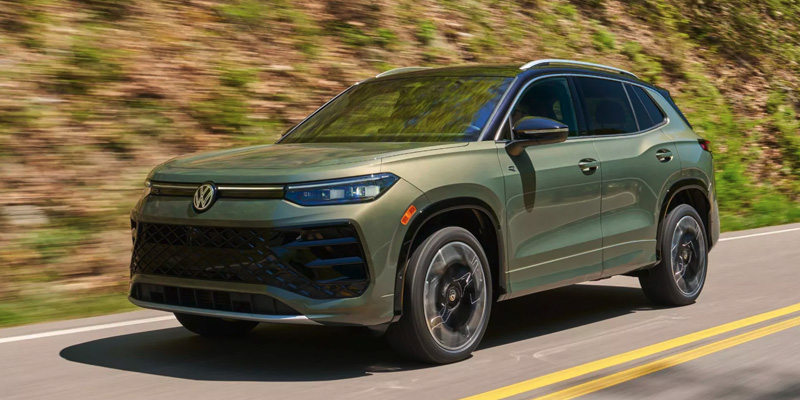
Volkswagen approaches this with the same philosophy it applies to its vehicles. Clear engineering, practical design, and real-world usability. The Tiguan lease structure follows that same logic. It is designed to balance flexibility, cost control, and predictable ownership experience.
Understanding how each part of the lease works is what allows you to evaluate your options with confidence instead of guessing at the monthly payment.
How does a Volkswagen Tiguan lease work
A Volkswagen Tiguan lease works by calculating how much of the vehicle’s value you will use during your lease term. This is called depreciation, and it forms the foundation of your monthly payment.
At a system level, a lease payment is built using three core components:
- The starting price of the Tiguan
- The estimated value at the end of the lease
- The cost of financing the lease
The difference between the starting price and the estimated end value determines how much value you are paying for during the lease.
From a practical standpoint:
- You are not paying for the full vehicle
- You are paying for the portion you use
- The lease ends before full ownership is reached
For Tiguan drivers, this creates a lower monthly payment compared to financing the full vehicle. It also creates flexibility. At the end of the lease, you can choose to return the vehicle, replace it, or explore other options.
This structure is what makes leasing appealing for drivers who want predictable costs and the ability to move into newer models more frequently.
What is residual value and how does it affect your payment
Residual value is the estimated worth of the Volkswagen Tiguan at the end of your lease term. It is one of the most important factors in determining your monthly payment.
Residual value directly reduces how much you pay.
The concept is simple:
- Higher residual value means less depreciation
- Less depreciation means lower monthly payments
Volkswagen Financial Services determines this value based on expected market performance, vehicle demand, and historical data.
For example:
- A Tiguan with strong resale value will have a higher residual
- A higher residual reduces the portion of the vehicle you are paying for
From a system perspective, residual value acts as a boundary. It defines how much of the vehicle’s value remains after your lease ends.
For Tiguan shoppers, this is what makes two similar vehicles have different lease payments. Even small differences in residual value can significantly change the monthly cost.
Understanding residual value helps you see beyond the payment. It shows you how much of the vehicle you are actually financing during the lease.
How mileage options impact your lease
Mileage is not just a usage limit. It is a core factor in how your Tiguan lease is structured. When you select a mileage tier, you are defining how much wear and value loss the vehicle is expected to experience.
This directly affects residual value.
The relationship works like this:
- Higher mileage lowers residual value
- Lower residual value increases monthly payment
Common mileage tiers include:
- Lower mileage for drivers with short commutes
- Standard mileage for average driving patterns
- Higher mileage for frequent or long-distance driving
Each tier adjusts how the lease is calculated.
From a real-world perspective:
- Choosing too low of a mileage limit can result in overage charges
- Choosing a higher mileage tier increases your monthly payment but reduces risk
For Tiguan drivers, this becomes a balance between cost and flexibility. The right mileage option aligns with how you actually drive, not what seems cheapest upfront.
What affects Volkswagen Tiguan monthly lease payments
Volkswagen Tiguan lease payments vary because multiple factors influence how the lease is calculated. Understanding these factors is what allows you to evaluate different offers with clarity.
Key variables include:
- Vehicle price and trim level
- Residual value
- Lease term length
- Mileage selection
- Interest rate equivalent
- Incentives and promotions
Each of these elements changes how the payment is built.
For example:
- A lower negotiated price reduces total depreciation
- A shorter lease term increases monthly cost
- Incentives can reduce the starting price or overall cost
Volkswagen Financial Services often provides lease incentives that directly lower monthly payments. These can vary based on market conditions, inventory, and timing.
For Tiguan shoppers, this means no two lease offers are exactly the same. The monthly payment reflects a combination of choices and market variables.
Understanding these inputs gives you control. Instead of focusing only on the payment, you can evaluate what is driving that number and whether it fits your needs.
Leasing a Tiguan is not about guessing what you can afford. It is about understanding how the system works and using that knowledge to build a payment that aligns with how you drive and what you value.
Connect with us


