

When something feels off in your Volkswagen, the first step is not replacing parts. It is understanding what the vehicle is telling you. Modern Volkswagen vehicles are built around interconnected systems that monitor performance in real time. When an issue occurs, the vehicle generates data. The diagnostic process is how that data is interpreted, tested, and confirmed before any repair is made.
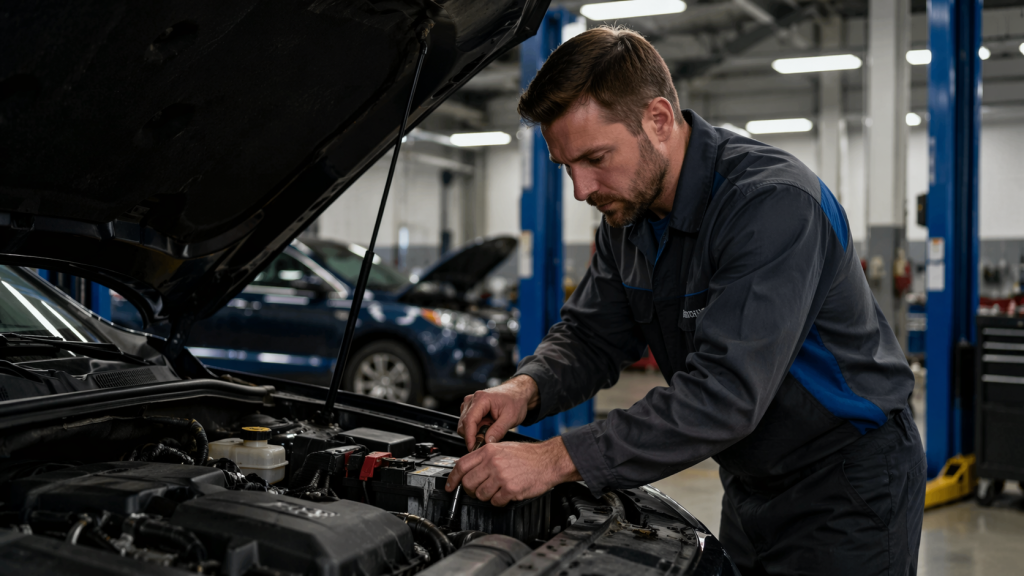
For many drivers, the biggest frustration is not the repair itself. It is the uncertainty around what is being done and why it costs what it does. Understanding how Volkswagen diagnostics, estimates, and repair verification work removes that uncertainty and shows how the process is designed to deliver accurate results the first time.
How does a Volkswagen diagnostic test work
A Volkswagen diagnostic test is a structured process that uses vehicle data, system testing, and technician analysis to identify the root cause of an issue. It begins with a scan, but it does not end there.
Volkswagen vehicles use onboard sensors and control modules to monitor systems such as the engine, transmission, braking, and emissions. When something operates outside expected parameters, the system stores a fault code.
The scan tool retrieves these codes, but a code is not a diagnosis. It is a starting point.
From a system perspective:
- A fault code identifies where the issue is detected
- It does not confirm why the issue is happening
- Multiple conditions can trigger the same code
Technicians use this information to begin testing. This may include:
- Checking electrical signals and sensor data
- Inspecting mechanical components
- Running system specific tests to isolate the cause
For example, a fault code related to engine performance could be caused by a sensor issue, a wiring problem, or a mechanical fault. The diagnostic process determines which one is actually responsible.
For Volkswagen drivers, this means diagnostics are not guesswork. They are a methodical process designed to identify the exact issue before any repair begins.
How repair estimates are built from diagnostic results
A repair estimate is built after the diagnostic process identifies the root cause of the issue. The estimate is not based on the fault code alone. It is based on confirmed findings.
Once the issue is identified, technicians determine:
- What component or system is affected
- What parts are required
- How much labor is needed to complete the repair
This creates a structured estimate that reflects the actual work required.
The process works like this:
- Diagnosis identifies the problem
- The repair plan outlines the solution
- The estimate calculates the cost of that solution
From a customer standpoint, this is where transparency matters. A clear estimate connects the problem to the repair, showing why each step is necessary.
For Volkswagen vehicles, where systems are highly integrated, accurate estimates prevent unnecessary repairs. Instead of replacing multiple components based on assumption, the process focuses on fixing the confirmed issue.
How technicians verify and confirm the repair
Repair verification is the process of confirming that the issue has been resolved after the repair is completed. This step ensures that the vehicle is functioning as intended before it is returned to the driver.
Verification is critical because resolving a fault code does not always mean the underlying issue is fixed. Technicians must confirm that the system is operating correctly under real conditions.
This includes:
- Clearing fault codes and monitoring for return issues
- Re testing the affected system
- Confirming that performance matches expected values
In many cases, technicians will:
- Perform road tests to evaluate real-world operation
- Recheck sensor data to ensure accuracy
- Confirm that no related issues are present
For Volkswagen drivers, this step is what prevents repeat visits. It ensures that the repair is complete, not just temporary.
Verification connects the entire process. It confirms that the diagnosis was correct, the repair was effective, and the vehicle is ready to perform as expected.
Why do Volkswagen diagnostics cost money
Volkswagen diagnostics cost money because they involve time, expertise, and specialized equipment required to accurately identify a problem. The value of diagnostics is in preventing incorrect repairs.
From a system perspective, diagnostics include:
- Advanced scan tools designed for Volkswagen systems
- Technician expertise to interpret data and perform testing
- Time spent isolating the exact cause of the issue
Without diagnostics, repairs become guesswork. This can lead to:
- Replacing parts that are not faulty
- Increased costs from repeated repairs
- Longer downtime for the vehicle
The diagnostic process reduces these risks by ensuring that the correct issue is identified before any repair begins.
For Volkswagen owners, this means the diagnostic cost is not an extra step. It is the step that makes every other step accurate.
Understanding this process changes how you view service. Diagnostics, estimates, and verification are not separate pieces. They are a connected system designed to deliver clarity, accuracy, and confidence in every repair.
Connect with us


