

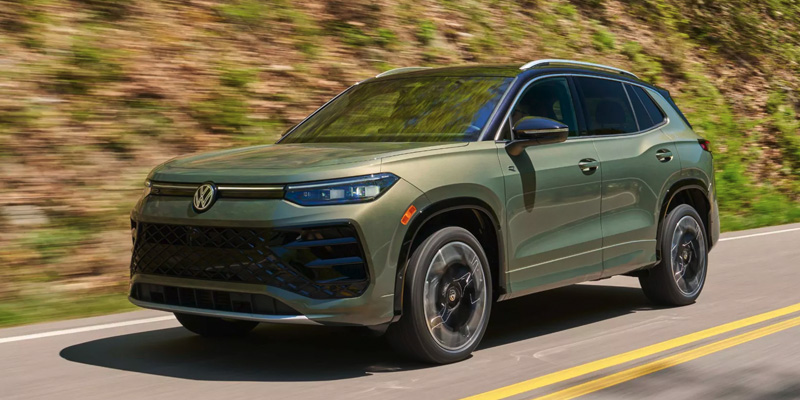
The Tiguan vs CR-V comparison draws attention from compact SUV shoppers who want clear answers on AWD architecture, cargo room, and what each vehicle costs to keep on the road. Both vehicles share similar starting prices, yet they take different engineering paths to reach the driver. The Tiguan arrives with a turbocharged engine, a proactive all-wheel-drive mechanism, and a cabin that leans toward space and technology. The CR-V, by contrast, answers with a lighter powertrain and a reliability record that reflects Honda’s long commitment to lower repair costs. So this comparison works through each area to give you a grounded basis for a confident decision.
What’s the Difference Between These Two AWD Approaches?
All-wheel drive is not a single technology. The two AWD approaches in this comparison work through fundamentally different logic. That difference shapes how each SUV responds when roads become slick or unpaved. Since AWD architecture controls traction sequencing before a driver reacts, the design logic matters more than the badge.
Volkswagen’s 4MOTION uses an electronically controlled multi-plate clutch. It monitors vehicle data continuously and moves torque proactively between the front and rear axles before slip begins. Up to 50% of available torque can route to the rear wheels at any given moment. The mechanism reads speed, steering angle, and throttle input together, then adjusts distribution accordingly. As a result, the Tiguan delivers a composed response on wet pavement and loose gravel. Because the mechanism acts ahead of slip, the rear wheels are already engaged before traction is compromised.
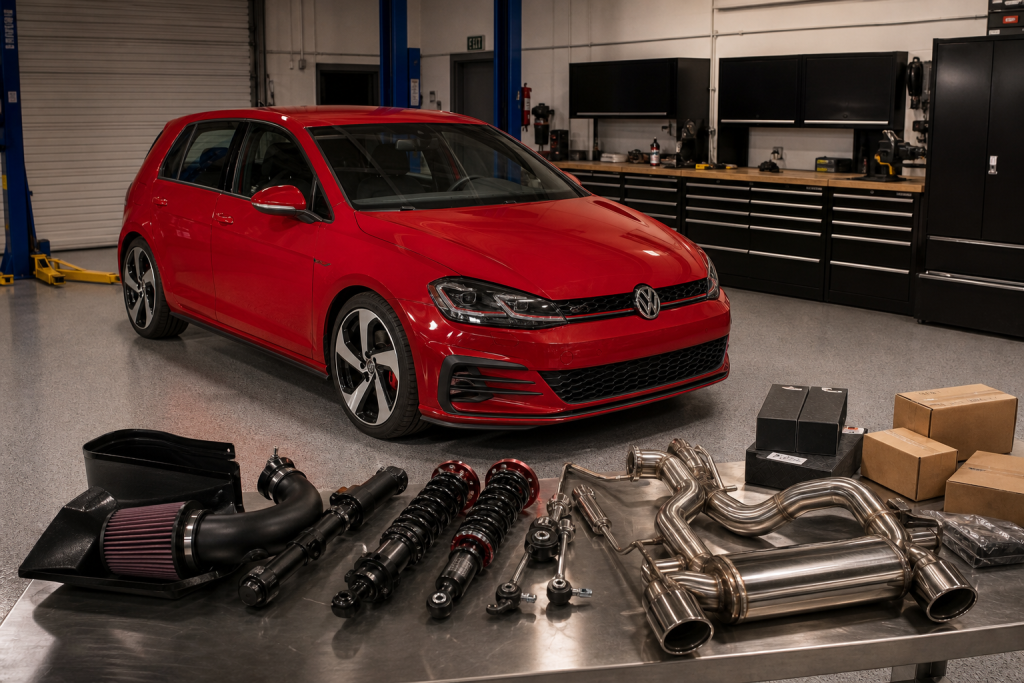
Read the rest of this entry »GTI performance parts fall into two categories that look similar on a spec sheet. Each carries notably different implications for fitment, calibration, and warranty coverage. A VW GTI owner evaluating an intake, suspension component, or exhaust is making a decision that goes beyond part price and installation cost. Understanding these categories helps Jacksonville GTI owners choose modifications that hold up technically and avoid unnecessary coverage risk. This breakdown covers how each category works, what the law says, and what the ECU tuning question involves.
What OEM GTI Performance Parts Are and How They Differ From Dealer Accessories
OEM GTI performance parts are components engineered by Volkswagen or its approved suppliers to the same tolerance standards as factory equipment. They interact with the GTI’s EA888 turbocharged engine, its fuel delivery mapping, and its suspension geometry without requiring recalibration of adjacent components. An OEM intake, for instance, flows air at a rate the ECU’s fuel trim tables already account for. Fitment is precise. It is built to a specific dimensional and flow specification.
Dealer accessories occupy a different category. VW R-Line accessories are styling components approved for installation by VW. They carry warranty coverage when installed by a VW dealer following the approved installation procedure. However, most R-Line components are not output-oriented. They address visual and comfort modifications rather than engine output, suspension tuning, or exhaust flow. Conflating R-Line accessories with OEM parts leads to incorrect coverage assumptions. The following points clarify how the two categories differ at the installation level.
Read the rest of this entry »Volkswagen service intervals are not built on a fixed mileage number. That distinction matters for every driver planning a maintenance schedule. The system monitors how the car is monitored and calculates service needs from those inputs. Jacksonville VW owners who understand the system can plan service appointments more accurately. Both premature and delayed maintenance become avoidable. This breakdown covers the interval display, oil service calculation, service tiers, and what the annual inspection involves.
How Does the VW Service Interval Display Work?
The VW Service Interval Display is not a simple mileage counter. It is a multi-item monitoring system that tracks several maintenance components independently. In fact, oil quality, brake fluid condition, and inspection timing each carry their own threshold within the display. When any item reaches its service point, the display alerts the driver with a message identifying which service is due.
Specifically, the oil service calculation draws from a set of vehicle inputs. Engine load, trip duration, ambient temperature, and RPM patterns all factor into the oil quality model running in the background. A VW Jetta on frequent short trips in Jacksonville’s summer heat will see an oil service reminder earlier than one driven on longer highway routes. Both climate and trip pattern shift the calculation. The system responds to how the car is driven. It does not assume every driver covers the same miles on the same roads.
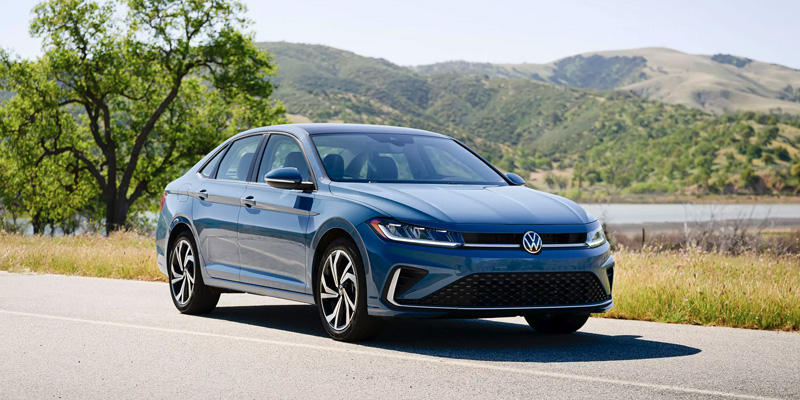
Read the rest of this entry »A Jetta lease puts one of Volkswagen’s most popular compact sedans within reach of a wide range of monthly budgets. The payment a Jacksonville driver sees at the table reflects variables most promotions don’t explain. Knowing those variables before walking into Tom Bush Volkswagen changes the conversation from reactive to informed. This breakdown covers how Jetta lease payments are built, what mileage decisions cost, and what due-at-signing amounts include.
What Goes Into the Monthly Cost of a Jetta Lease?
Two numbers drive a Jetta lease payment more than anything else: the residual value and the money factor. Residual value is the percentage of the Jetta’s MSRP that VW Financial Services projects the car will retain at lease end. A higher residual means the driver finances a smaller depreciation gap across the term. That lowers the monthly payment.
Beyond residual value, money factor is the leasing equivalent of an interest rate. VW Financial Services sets it monthly as part of the national lease program. To convert money factor to an approximate APR, multiply it by 2,400. A money factor of 0.00125 converts to roughly 3.0 percent APR. A Jacksonville shopper who asks for the current money factor can evaluate whether the rate is competitive before agreeing to anything.
Read the rest of this entry »Volkswagen Atlas vs Grand Highlander comparisons usually begin with third row space, but cargo layout, passenger comfort, technology usability, and family access patterns shape the larger decision. Families shopping for a three row SUV are evaluating more than passenger capacity alone. The real question is how the SUV functions once child seats, luggage, sports equipment, backpacks, groceries, and multiple passengers all begin sharing the same cabin space.

The Volkswagen Atlas and Toyota Grand Highlander both target larger families needing flexible seating and modern technology, though their interior priorities differ in several important ways. Cabin packaging, seat movement, cargo access, and infotainment organization all influence how comfortable and manageable the SUV feels during daily use.
Third Row Space and Passenger Comfort
Which SUV has more usable third row space? Third row comfort is influenced by roof height, floor placement, seat geometry, cabin width, and how far the second row can slide forward.
The Volkswagen Atlas places a major focus on passenger packaging across all three rows. Its upright body shape and wider cabin layout create a more open seating environment in the rear section of the SUV. Adult passengers generally notice more shoulder room and headroom in the third row, which becomes more noticeable during longer drives or when the SUV is fully occupied.
The Grand Highlander expands rear seating compared with the standard Highlander and provides stronger third row usability than many midsize SUVs. The cabin still balances passenger space alongside hybrid packaging considerations and fuel efficiency priorities, creating a slightly different interior feel than the Atlas.
Seat height changes comfort as well. A higher third row seat position usually creates better leg support for adult passengers. Lower seating positions can create a knees-up posture that becomes less comfortable during road trips.
Families comparing these SUVs should evaluate:
Read the rest of this entry »OEM Volkswagen Accessories vs Aftermarket Explained
OEM Volkswagen accessories vs aftermarket comparisons usually begin with price, but fitment, warranty coverage, electronic compatibility, and installation quality shape the bigger decision. Many Volkswagen drivers start researching accessories after buying their vehicle, whether they want extra cargo flexibility, upgraded wheels, roof rack systems, splash guards, or interior protection. The challenge is understanding which accessories were engineered specifically for Volkswagen vehicles and which were designed to fit a wider range of applications.

Modern Volkswagen models rely on tightly integrated electrical systems, driver assistance technology, factory mounting tolerances, and calibrated safety equipment. Because of that, accessory decisions can influence much more than appearance alone. Understanding how OEM and aftermarket accessories differ helps drivers make informed choices that support long-term reliability, comfort, and everyday usability.
What Separates OEM Volkswagen Accessories From Aftermarket Options?
OEM Volkswagen accessories are designed and tested specifically for Volkswagen vehicles. “OEM” stands for Original Equipment Manufacturer, meaning the accessories were engineered to match Volkswagen factory standards for fitment, integration, durability, and compatibility.
Aftermarket accessories are produced by third-party companies. Some aftermarket manufacturers build high-quality products, while others prioritize lower production costs or universal fitment across multiple brands and vehicle types.
That difference changes how the accessory interacts with the vehicle.
OEM Volkswagen accessories are typically developed alongside the vehicle itself. Engineers evaluate:
Read the rest of this entry »Volkswagen repair estimates explained starts with understanding how diagnostics, labor, parts, inspections, and repair verification shape the final repair cost before service approval. Modern Volkswagen vehicles use advanced electronics, communication modules, sensors, and calibration procedures that require more than a quick visual inspection. A repair estimate is not simply a price quote. It is a breakdown of the testing, repair planning, replacement parts, labor procedures, and verification steps required to identify and correct a vehicle issue properly.

What a Volkswagen Repair Estimate Includes
What are you paying for in a repair estimate? A repair estimate combines diagnostic testing, technician labor, replacement components, inspections, taxes, and service procedures tied to the specific issue being addressed.
When a Volkswagen enters the service department, the estimate process usually begins with concern verification. The technician reviews the issue reported by the driver, checks warning lights, performs an inspection, and connects the vehicle to factory level diagnostic equipment. That process creates the foundation for the estimate.
A Volkswagen repair estimate may include:
Read the rest of this entry »The Volkswagen Taos lease guide starts with a clear look at how monthly payments, mileage limits, lease terms, and upfront costs work before you sign. For compact SUV shoppers, the goal is not just finding a monthly number that fits. It is knowing what creates that number, what changes it, and what to review before choosing a lease structure.
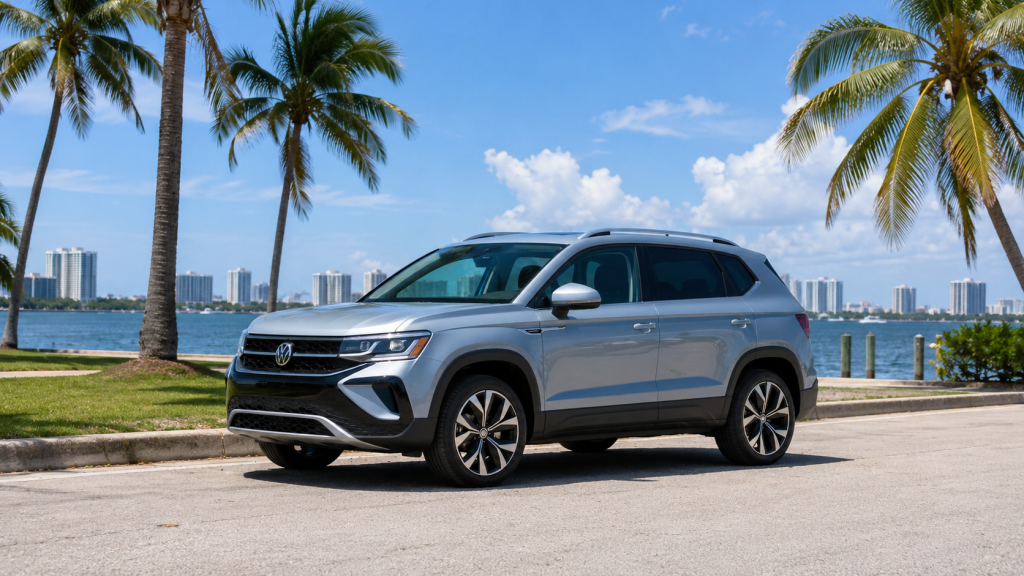
How Volkswagen Taos Lease Payments Are Calculated
Why can two Volkswagen Taos lease payments look different when the vehicles seem similar? A lease payment is the cost of using the vehicle during the lease term, not the full purchase price of the SUV.
The core calculation starts with the Taos price, the projected value at lease end, the lease term, taxes, fees, and the finance charge. The projected end value is called the residual value. If a Volkswagen Taos has a stronger projected residual, the lease payment can be lower because the amount being paid during the term is smaller.
The money factor is the finance charge inside the lease. It works like an interest rate, but it is shown in lease format. Credit approval, lender program, term length, and current lease structure can all change that part of the payment.
A shopper should review:
Read the rest of this entry »Choosing between the Volkswagen Taos and the Toyota Corolla Cross is not just about comparing specs. It is about understanding how each vehicle is engineered to support daily driving. Both models sit in the subcompact SUV segment, but they approach space, performance, and traction differently.
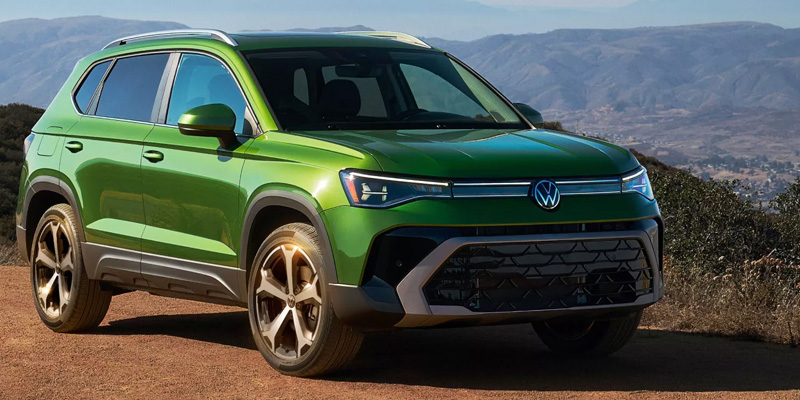
Volkswagen builds the Taos around usable space and responsive performance, while the Corolla Cross focuses on simplicity and efficiency. The result is two vehicles that look similar on paper but feel very different in real-world driving. Understanding those differences helps you decide which one fits your routine, your environment, and how you actually drive.
Interior Space and How Each SUV Uses It
When comparing the Volkswagen Taos and Toyota Corolla Cross, interior space is not just about measurements. It is about how that space is designed to be used.
The Volkswagen Taos is built on a platform that prioritizes passenger room and flexibility. This allows for more rear legroom and a more open cabin layout. The seating position, door openings, and cargo access points are all designed to make everyday entry, exit, and storage easier.
From a system perspective:
Read the rest of this entry »When your Volkswagen needs a replacement part, the decision often comes down to one question. Should you choose OEM or aftermarket. The answer is not just about price. It is about how your vehicle is engineered to function as a complete system. Every Volkswagen is built with precise tolerances, calibrated components, and integrated technology. The parts you choose directly affect how those systems perform, how long they last, and how confidently you can rely on your vehicle day to day.
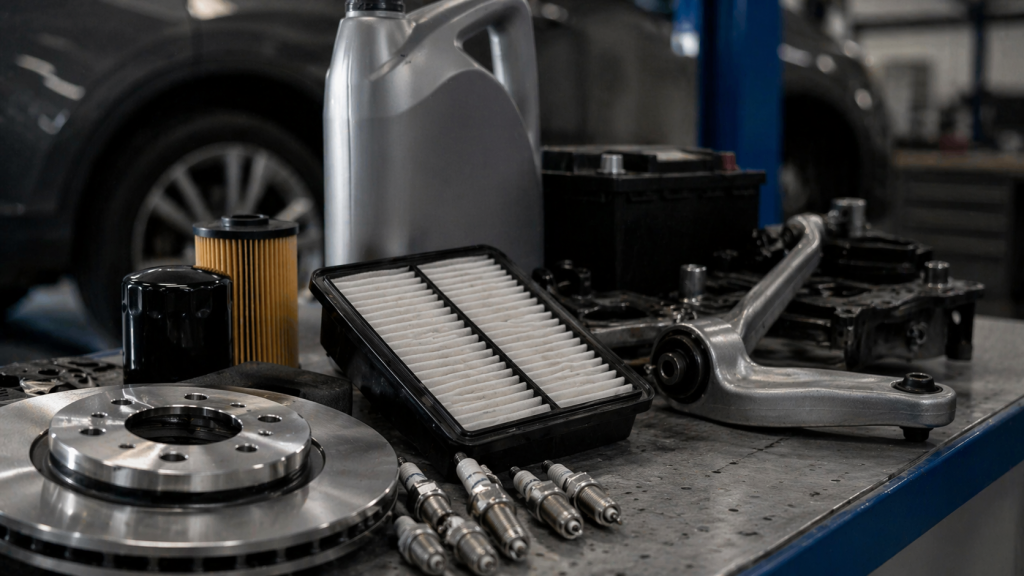
Understanding the difference between OEM and aftermarket Volkswagen parts requires looking beyond the surface. It means understanding how components are designed, how they interact with the vehicle, and what that means for long term ownership.
How Volkswagen OEM Parts Are Engineered for System Compatibility
Are OEM Volkswagen parts better than aftermarket. OEM parts are components designed and manufactured specifically for Volkswagen vehicles to match exact engineering specifications and system requirements.
Volkswagen engineers every vehicle as a connected system. Components such as sensors, braking systems, engine parts, and electronic modules are all designed to work together within defined tolerances. OEM parts are built using the same specifications, materials, and testing standards as the original components installed at the factory.
From a system perspective, this means:
Read the rest of this entry »Connect with us


