Blog / Jacksonville Volkswagen Dealer

Blog

All Jacksonville Volkswagen Dealer Tom Bush Volkswagen Things To Do In Jacksonville Jacksonville Volkswagen Service Tom Bush Volkswagen Service Jacksonville Amenities Jacksonville Entertainment Jacksonville Used Cars Jacksonville Eateries Jacksonville Parks Fun in Jacksonville Jacksonville Car Repair Jacksonville Restaurants Jacksonville Family Fun Tom Bush Family of Dealerships Oil Change in Jacksonville Tom Bush Volkswagen Collision Jacksonville Volkswagen Collision Center Date Night Jacksonville Fitness Getaways Jacksonville Auto Finance Things To Do Near Jacksonville Volkswagen Atlas Jacksonville Beaches Road Trips Jacksonville Finance Tom Bush Volkswagen Finance Florida Weddings Vegetarian Foodies Volkswagen ID.4 Volkswagen Taos

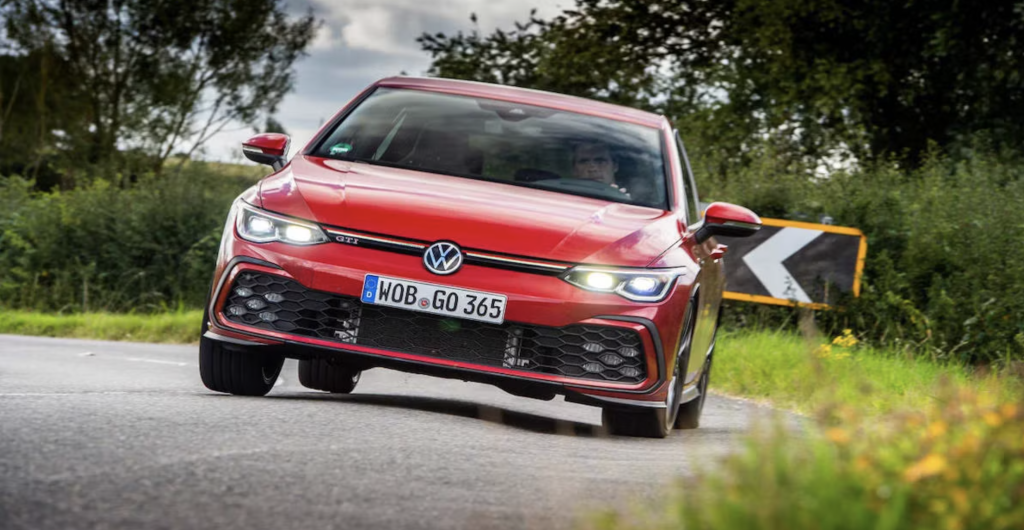
2026 Volkswagen Golf GTI Performance Guide — Power, Handling, and Engineered VW Precision

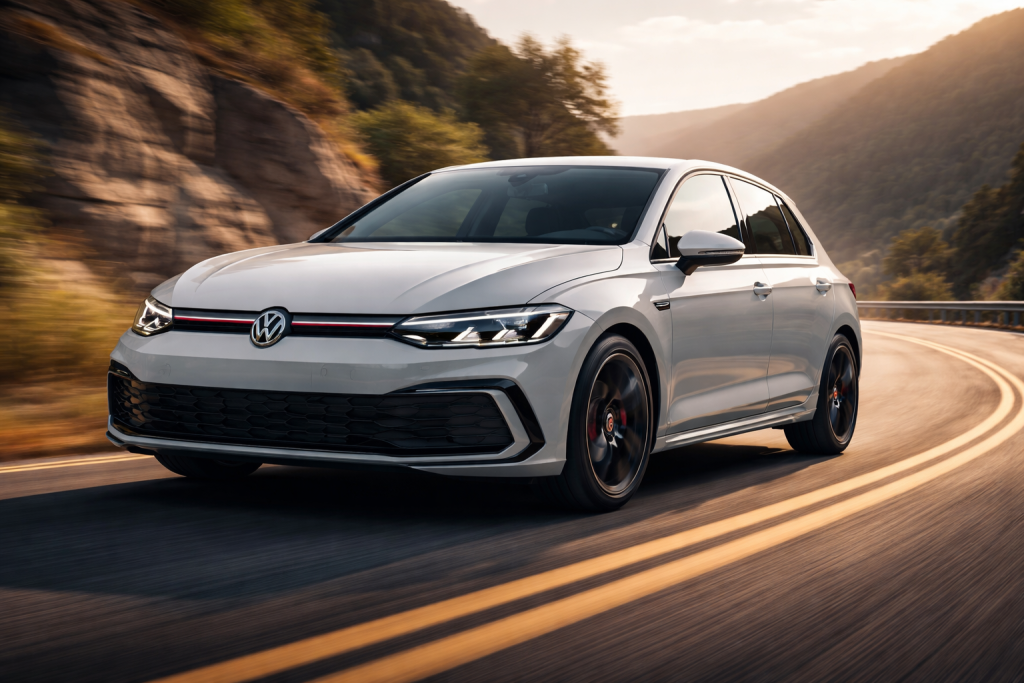
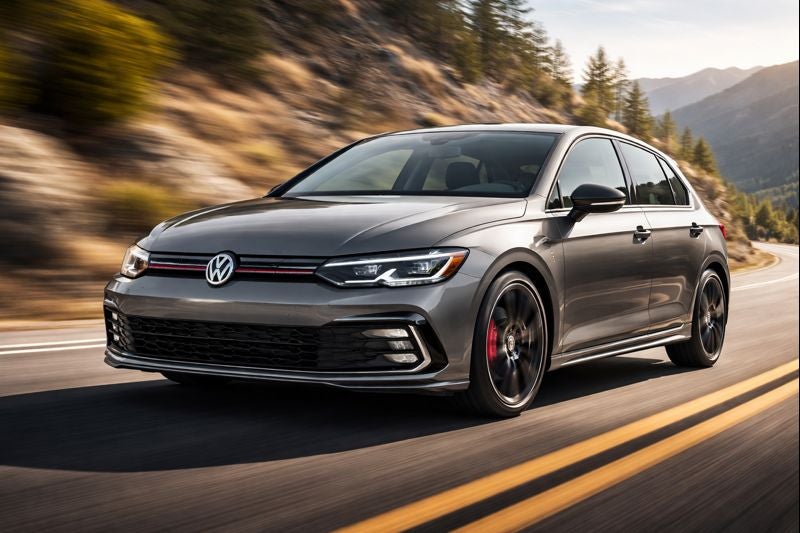
For decades the Volkswagen Golf GTI has represented one of the most recognizable examples of the modern hot hatch. Drivers searching for the 2026 Volkswagen Golf GTI are usually trying to understand more than just horsepower numbers. They want to know how the GTI produces quick acceleration, why it feels so composed in corners, and how Volkswagen engineering continues to balance everyday usability with enthusiast-level performance. The appeal of the 2026 Volkswagen Golf GTI comes from a combination of mechanical systems working together rather than a single performance figure. Turbocharged power delivery, electronically controlled traction systems, precise chassis tuning, and adaptable suspension technology all contribute to the GTI’s reputation as a performance car that remains practical enough for daily driving. Understanding how these systems work helps explain why the GTI continues to stand out in the hot hatch segment. Turbocharged Power Delivery in the 2026 Volkswagen Golf GTI Many shoppers researching the 2026 Volkswagen Golf GTI ask what engine the vehicle uses and why the GTI feels responsive even at everyday speeds. The 2026 Volkswagen Golf GTI uses a turbocharged 2.0 liter four cylinder engine designed to produce strong torque across a broad range of engine speeds. Turbocharging increases engine output by compressing incoming air before it enters the combustion chamber. This process allows the engine to burn more fuel efficiently during each combustion cycle, producing more power from a relatively compact engine displacement. The 2026 Volkswagen Golf GTI turbocharged engine delivers strong low end torque, which plays an important role in how the car feels in real world driving. Instead of requiring high engine speeds to produce power, the GTI engine generates meaningful pulling force earlier in the rev range. For drivers, this creates several noticeable benefits: more • quicker response when accelerating from traffic lights • confident highway merging without excessive downshifting • stronger mid range acceleration when passing slower vehicles The result is performance that feels accessible and immediate rather than dependent on high rpm driving. How the Volkswagen Golf GTI VAQ Differential Improves Cornering Grip One of the most important handling technologies in the 2026 Volkswagen Golf GTI is the VAQ electronically controlled limited slip differential. Many drivers ask how a front wheel drive performance car maintains traction during aggressive cornering. The Volkswagen Golf GTI VAQ differential is designed to actively manage how torque is distributed between the front wheels. Unlike a traditional open differential, which sends power equally to both wheels regardless of traction, the VAQ system can direct more power to the wheel with greater grip. The system uses electronically controlled clutch packs that respond to steering input, throttle position, and wheel speed sensors. When the vehicle detects that one front wheel is losing traction during a turn, the VAQ differential adjusts torque distribution to maintain forward momentum and reduce wheelspin. This technology improves performance in several ways: • increased traction when accelerating out of corners • reduced inside wheelspin during aggressive driving • improved steering stability under power For drivers exploring winding roads or spirited driving situations, the Volkswagen Golf GTI differential allows the car to maintain composure while delivering power efficiently. Chassis Tuning and Steering Precision in the Golf GTI Handling balance is another area where the 2026 Volkswagen Golf GTI continues to distinguish itself. Many enthusiasts describe the GTI as predictable and confidence inspiring, but the reasons behind that reputation come from careful chassis engineering. The Volkswagen Golf GTI chassis combines precise steering calibration with suspension geometry designed to keep the vehicle stable during directional changes. Steering input is translated quickly into front wheel movement, allowing the driver to place the vehicle accurately when entering corners. At the same time, the suspension system works to control body motion while maintaining tire contact with the road surface. Maintaining consistent tire grip is critical because the tires ultimately determine how effectively the vehicle can accelerate, brake, and corner. Volkswagen engineers tune the Golf GTI chassis to maintain a balance between responsiveness and stability. The goal is not simply maximum cornering force, but predictable handling that allows drivers to understand how the vehicle will react in different situations. For buyers comparing hot hatch options, several chassis characteristics are worth evaluating: • steering feedback and response accuracy • front axle traction during corner entry and exit • body control during quick directional changes • overall driver confidence during spirited driving These factors often determine how enjoyable a performance car feels behind the wheel. Adaptive Damping and Ride Control in the 2026 Volkswagen Golf GTI Performance vehicles often face a challenge between sharp handling and ride comfort. The 2026 Volkswagen Golf GTI adaptive damping system helps manage this balance by allowing the suspension to adjust its behavior depending on driving conditions. Adaptive dampers control how quickly the suspension compresses and rebounds when encountering road irregularities. By adjusting damping forces electronically, the Volkswagen Golf GTI suspension can provide firm body control during aggressive driving while maintaining smoother ride quality during normal commuting. This flexibility helps the GTI serve multiple roles. During spirited driving, firmer damping helps reduce body roll and maintain stable cornering behavior. During daily driving, softer suspension responses help absorb road imperfections and improve ride comfort. Drivers evaluating performance vehicles often consider how suspension systems affect everyday usability. The adaptive damping system in the Volkswagen Golf GTI allows the vehicle to remain comfortable enough for regular commuting while still supporting enthusiastic driving when desired. Why the 2026 Volkswagen Golf GTI Continues to Define the Hot Hatch Segment The term hot hatch refers to vehicles that combine compact hatchback practicality with meaningful performance capability. The 2026 Volkswagen Golf GTI continues to define this concept by blending mechanical performance systems with everyday usability. Unlike more extreme performance vehicles that prioritize track performance over practicality, the Golf GTI maintains the functional advantages of the hatchback design. The rear cargo area allows drivers to carry luggage, sports equipment, or everyday items without sacrificing performance capability. Several characteristics contribute to the Golf GTI’s continued popularity: • responsive turbocharged power delivery • advanced traction management through the VAQ differential • precise steering and chassis balance • adaptable suspension behavior for daily driving • hatchback practicality for cargo flexibility For drivers who want an engaging driving experience without giving up everyday practicality, the 2026 Volkswagen Golf GTI represents a well balanced approach to performance engineering. Volkswagen’s long history of refining the GTI platform shows how thoughtful engineering decisions can shape a vehicle’s character. By combining turbocharged efficiency, intelligent traction control, and adaptable chassis technology, the Golf GTI remains one of the most recognizable and respected hot hatch designs in modern automotive engineering.

Volkswagen APR & Lease Options for 2026: Understanding Rates, Residual Value, and Smart VW Financing Choices

When drivers begin researching a new vehicle purchase, one of the most important questions quickly becomes how to structure the financing. Many shoppers exploring Volkswagen vehicles in 2026 are comparing promotional APR offers, lease programs, and manufacturer incentives to understand how each option affects their monthly payment and long term ownership costs. While advertisements often highlight attractive rates or lease payments, understanding the financial structure behind these programs helps drivers make more informed decisions. Volkswagen financing programs are designed to make vehicle ownership accessible and transparent, reflecting the brand’s commitment to practical innovation and dependable mobility for everyday drivers. Financing structures such as APR loans and lease programs allow buyers to select an approach that aligns with their driving habits, budget goals, and long term vehicle plans. Learning how APR, residual value, incentives, and lease structures work provides clarity when evaluating Volkswagen financing choices. How Volkswagen APR Financing Works Many drivers researching Volkswagen APR offers ask how interest rates influence the total cost of financing a vehicle. Annual Percentage Rate, or APR, is the interest rate applied to an auto loan that determines the cost of borrowing money to purchase the vehicle. The APR represents the yearly interest charged on the remaining loan balance over the life of the loan. With Volkswagen APR financing programs, buyers borrow the cost of the vehicle and repay the loan through monthly installments over a set period, often between 36 and 72 months. Each monthly payment includes two components: repayment of the loan principal and interest charged by the lender. The loan term plays a major role in how APR affects the total cost of financing. A shorter loan term results in higher monthly payments but reduces the total interest paid over time. A longer loan term lowers monthly payments but increases the amount of interest paid across the life of the loan. When evaluating Volkswagen APR financing offers, drivers often compare several factors: more • the promotional APR rate being offered • the length of the loan term • the total interest paid over the life of the loan Understanding these variables helps buyers determine whether a promotional APR program provides meaningful savings compared with standard financing rates. How Volkswagen Lease Payments Are Calculated Shoppers comparing vehicle financing options frequently ask why lease payments are often lower than loan payments. A vehicle lease is structured differently from a traditional auto loan. Instead of paying for the entire cost of the vehicle, lease payments cover only the portion of the vehicle’s value that is expected to be used during the lease period. This portion of the vehicle’s value is known as depreciation. Because the driver is essentially paying for the vehicle’s depreciation rather than its full purchase price, lease payments are often lower than traditional loan payments. The monthly lease payment for a Volkswagen vehicle is typically determined by several variables: • the negotiated price of the vehicle • the length of the lease term • the predicted value of the vehicle at the end of the lease • the financing factor used by the leasing company These factors combine to determine how much of the vehicle’s value is consumed during the lease and therefore how much the driver pays each month. For drivers who prefer driving newer vehicles every few years, leasing can provide access to the latest Volkswagen technology and design updates without committing to long term ownership. Understanding Residual Value in Volkswagen Lease Programs Buyers considering a lease often ask what residual value means and why it has such a large influence on lease payments. Residual value is the projected value of a vehicle at the end of the lease term. Leasing companies estimate how much the vehicle will be worth after several years of use based on historical depreciation patterns and market demand. The higher the predicted residual value of the vehicle, the less depreciation occurs during the lease period. Because the driver only pays for the depreciation portion of the vehicle’s value, a higher residual value generally results in lower monthly lease payments. For example, if a vehicle is expected to retain a large portion of its value after three years, the leasing company only charges the driver for the difference between the original price and the predicted future value. Residual value plays a major role in determining whether leasing is an attractive financial option. Vehicles that maintain strong resale value often produce more competitive lease payments. How Volkswagen Incentives Influence Financing Costs Vehicle manufacturers frequently offer incentives designed to make financing or leasing more affordable. These incentives may appear as promotional APR offers, lease support programs, or purchase rebates. Volkswagen incentives can influence financing in several ways depending on how they are structured. Some incentives lower the interest rate on financing programs, while others reduce the purchase price of the vehicle before financing calculations begin. Common types of incentives that may appear in Volkswagen financing programs include: • promotional APR offers that reduce borrowing costs • manufacturer rebates applied to the vehicle purchase price • lease support programs that reduce monthly payments Because incentives change throughout the year based on market conditions and vehicle availability, shoppers often evaluate multiple financing structures to determine which program provides the greatest overall value. Choosing Between Leasing and Financing a Volkswagen One of the most common questions shoppers ask is whether leasing or financing a vehicle is the better choice. The answer depends largely on driving habits and long term ownership goals. Financing a Volkswagen through an auto loan allows drivers to build ownership equity in the vehicle. Once the loan is paid off, the vehicle belongs entirely to the owner and can be driven without monthly payments. Leasing, on the other hand, allows drivers to pay for the portion of the vehicle they use during a defined time period. At the end of the lease, drivers may choose to return the vehicle, begin a new lease, or purchase the vehicle for its residual value. Drivers evaluating these two options often consider several decision factors: • how many miles they drive each year • whether they prefer long term ownership or newer vehicles more frequently • how important lower monthly payments are compared with long term vehicle ownership By understanding how Volkswagen APR financing, lease payments, residual value, and incentives work together, shoppers can evaluate which financing structure best fits their financial goals and driving lifestyle.

2026 Volkswagen Atlas Cross Sport Buyer’s Guide – Style, Comfort, and VW Performance Engineering

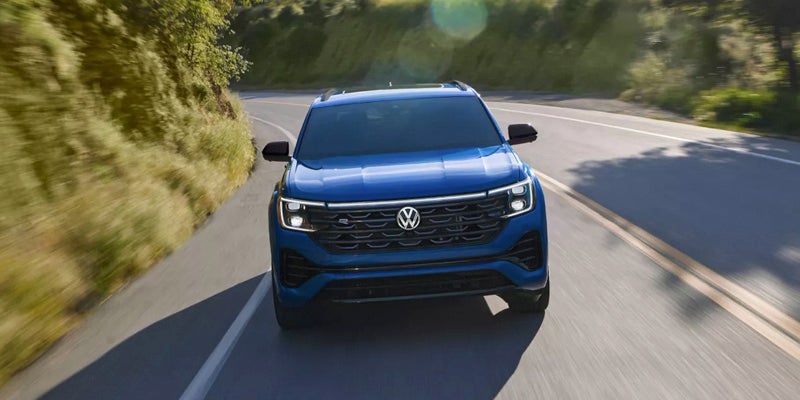
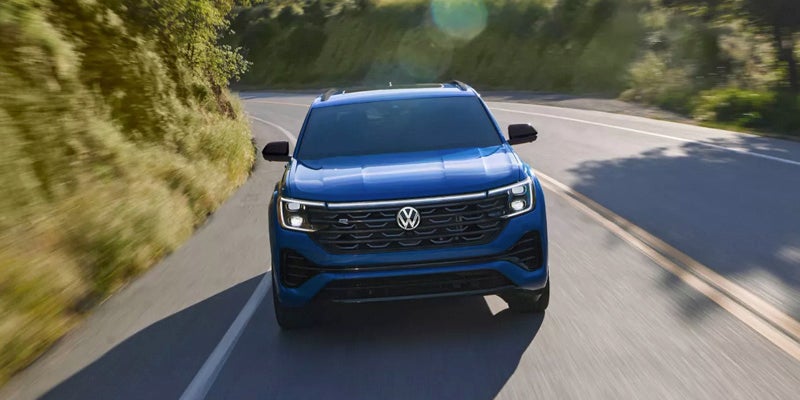
The midsize SUV segment continues to evolve as drivers look for vehicles that combine practicality with modern design. Many shoppers researching the 2026 Volkswagen Atlas Cross Sport are trying to understand how this SUV balances sleek coupe inspired styling with everyday comfort, performance, and cargo versatility. The Atlas Cross Sport is designed for drivers who want the space and capability of a midsize SUV without sacrificing modern design and responsive engineering. Volkswagen approaches vehicle development with a focus on real world usability and thoughtful engineering. Vehicles are designed to deliver dependable mobility while integrating technology and efficiency in ways that support everyday driving. This philosophy reflects the brand’s commitment to accessible innovation and human centered mobility. Understanding how the Atlas Cross Sport engine, drivetrain, interior layout, and digital technology work together helps shoppers evaluate whether this SUV fits their driving needs. Turbocharged Engine Performance in the 2026 Volkswagen Atlas Cross Sport Many drivers researching the 2026 Volkswagen Atlas Cross Sport ask what engine powers the SUV and how a turbocharged engine improves performance. A turbocharged engine is an internal combustion engine that uses exhaust driven turbines to compress incoming air before it enters the combustion chamber. By forcing more air into the engine cylinders, the engine can burn more fuel and generate greater power without increasing engine size. more The 2026 Volkswagen Atlas Cross Sport turbocharged engine uses this principle to deliver strong acceleration while maintaining efficient fuel consumption. Because turbochargers capture energy from exhaust gases that would otherwise be wasted, the system increases engine output without requiring a larger engine block. For drivers, this design offers several real world benefits: • quicker acceleration when merging onto highways • responsive power delivery during passing maneuvers • improved fuel efficiency compared with larger engines In a midsize SUV, this balance of power and efficiency is particularly important because the vehicle must move additional weight from passengers and cargo while still maintaining comfortable everyday driving performance. How the Atlas Cross Sport AWD System Manages Traction and Stability Shoppers comparing midsize SUVs often want to know how the 2026 Volkswagen Atlas Cross Sport all wheel drive system improves traction in changing road conditions. All wheel drive systems distribute engine power to both the front and rear wheels to improve stability and traction. The Atlas Cross Sport AWD system continuously monitors wheel speed, steering input, and road conditions through onboard sensors. When the system detects wheel slip or reduced traction, it can redirect torque between the front and rear axles to help maintain control. Instead of relying on a fixed power split, the Atlas Cross Sport AWD system adjusts power delivery in real time depending on the road surface. This dynamic response provides advantages in a variety of driving environments: • wet pavement where tire grip may decrease • snow covered roads where traction can vary between wheels • uneven terrain where different wheels encounter different levels of resistance For drivers in regions that experience seasonal weather changes, this system improves confidence by helping the SUV maintain predictable handling and stability. Interior Comfort and Cargo Design in the Atlas Cross Sport Families researching midsize SUVs often ask how the Atlas Cross Sport interior balances passenger comfort with cargo space, especially since coupe inspired SUVs sometimes reduce practicality. The 2026 Volkswagen Atlas Cross Sport interior is built around a long wheelbase platform that allows the vehicle to maintain generous cabin space even with its sloping roofline design. By carefully positioning the rear seating area and cargo floor, Volkswagen engineers preserve interior room while maintaining the vehicle’s athletic exterior profile. The Atlas Cross Sport cargo area is designed to provide flexible storage for everyday activities. The rear seats can be folded to expand cargo capacity, creating a flat loading surface for larger items. When evaluating cargo functionality, shoppers often consider several factors: • the height of the cargo floor for easier loading • the width between wheel wells for larger items • how easily rear seats fold to expand storage These design considerations allow the Atlas Cross Sport interior to remain practical for grocery trips, sports equipment, luggage, or outdoor gear while still delivering the distinctive styling many drivers prefer. Digital Cockpit Technology and Driver Information Systems Modern SUV buyers frequently ask how digital dashboards improve everyday driving rather than simply adding larger screens. The Volkswagen Digital Cockpit system in the 2026 Volkswagen Atlas Cross Sport replaces traditional analog gauges with a configurable digital display positioned directly in front of the driver. This system allows drivers to customize how vehicle information is presented. Navigation instructions, driver assistance alerts, and vehicle performance data can be displayed within the same digital interface. Instead of looking at multiple screens across the dashboard, the driver can access key information in a central location. This approach improves driving awareness by organizing critical data into one easily readable display. Drivers can quickly monitor: • navigation directions and route guidance • vehicle speed and performance information • driver assistance alerts from safety systems By integrating these systems together, the Atlas Cross Sport digital cockpit reduces visual distraction and allows drivers to focus more attention on the road. Safety and Driver Assistance Technology in the Atlas Cross Sport Safety technology has become one of the most important factors for drivers researching midsize SUVs. The 2026 Volkswagen Atlas Cross Sport driver assistance systems use sensors, cameras, and radar technology to monitor the vehicle’s surroundings. These systems are designed to help drivers detect potential hazards and maintain safe driving conditions. Driver assistance technologies typically support several areas of driving awareness: • forward collision monitoring that watches for sudden traffic slowdowns • lane monitoring systems that help drivers stay centered within their lane • adaptive cruise control that adjusts speed to maintain safe following distance These systems do not replace driver attention, but they provide additional layers of support that can help drivers react more quickly to changing traffic conditions. By combining advanced safety technology with practical interior design and efficient engine performance, the 2026 Volkswagen Atlas Cross Sport delivers a balanced approach to modern SUV engineering.

Volkswagen Maintenance Plan Cost Guide – Coverage, Value, and Long-Term Ownership Benefits

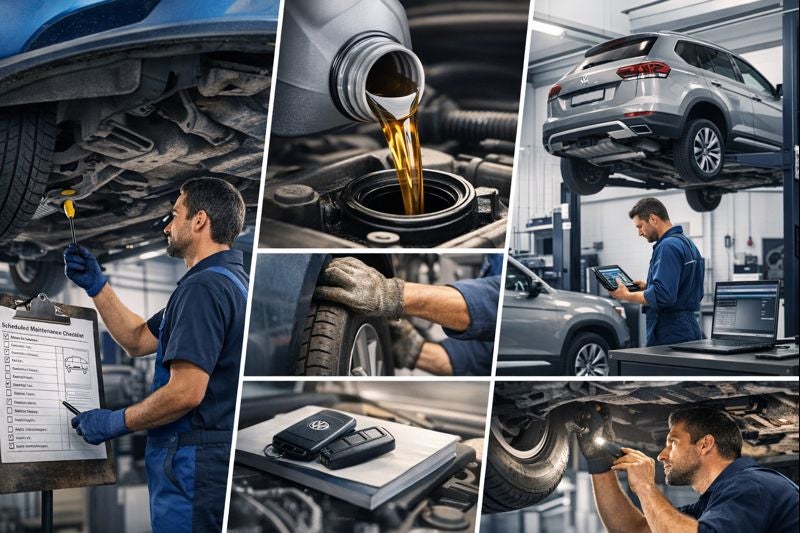
Planning for vehicle ownership costs is as important as choosing the right model. Volkswagen maintenance plans are built to remove uncertainty by bundling factory scheduled service into a predictable structure that aligns with how modern Volkswagen vehicles are engineered to operate. Rather than reacting to service needs as they arise, these plans support consistent care that protects performance, reliability, and long-term value. This guide explains what Volkswagen maintenance plans typically cover, how costs compare to pay-as-you-go service, and why OEM-backed maintenance matters over years of ownership. What Volkswagen Maintenance Plans Typically Cover Volkswagen maintenance plans focus on scheduled services required at specific mileage or time intervals. These intervals are determined by engineering requirements tied to lubrication cycles, component wear patterns, and system calibration. Common coverage areas include: Oil and filter changes using Volkswagen-approved oil specifications Tire rotations designed to maintain even wear and handling balance Multi-point inspections covering brakes, suspension, steering, and cooling systems Cabin air filter replacement tied to HVAC efficiency and air quality Factory scheduled service checks outlined in the owner’s manual These services are designed to keep critical systems operating within intended tolerances rather than addressing issues after wear has occurred. more What Is Not Included Maintenance plans are not all-encompassing repair coverage. Understanding exclusions helps set realistic expectations. Typically not included: Wear items such as brake pads and wiper blades Tires and wheel alignment outside scheduled checks Damage or repairs caused by external factors Repairs covered separately under warranty or extended protection plans This distinction matters because maintenance plans are preventative by design, not reactive. Maintenance Plan Cost Versus Pay-As-You-Go Service One of the most common questions buyers ask is whether a maintenance plan saves money. The answer depends on ownership length and service consistency, but the value extends beyond simple cost comparison. Pay-as-you-go service: Costs fluctuate with labor rates and service timing Maintenance may be delayed due to inconvenience or budget pressure Service history can become inconsistent over time Volkswagen maintenance plans: Lock in service costs ahead of time Encourage timely service at factory intervals Create consistent, documented maintenance records Over multiple years, consistency often reduces the risk of secondary repairs caused by deferred maintenance. Why OEM Maintenance Matters for Modern Vehicles Modern Volkswagen vehicles rely on integrated systems that assume maintenance occurs on schedule. Oil viscosity, cooling performance, and electronic monitoring systems are calibrated around regular service. Skipping or delaying maintenance can affect: Turbocharger lubrication and heat management Cooling efficiency during sustained driving Brake system balance and stopping consistency Sensor accuracy tied to safety and driver assistance features OEM maintenance plans help ensure service aligns with how the vehicle was engineered rather than relying on generic intervals. Long-Term Ownership and Vehicle Longevity For owners planning to keep their vehicle beyond the initial warranty period, maintenance consistency plays a significant role in long-term reliability. Benefits over time include: Reduced risk of premature drivetrain wear Fewer cascading repairs caused by neglected components Stronger resale or trade-in value due to documented service history More consistent day-to-day performance Vehicles maintained on schedule tend to age more predictably, which helps control ownership costs over time. Budget Predictability and Ownership Confidence Maintenance plans separate routine service from unexpected repairs, making long-term budgeting easier. With a maintenance plan: Scheduled service costs are known in advance Maintenance timing aligns with factory recommendations Ownership planning becomes more predictable year over year This structure is especially helpful for high-mileage drivers, long-term owners, and households managing multiple vehicles. Maintenance Plans Versus Extended Warranties Maintenance plans and extended warranties serve different purposes and are often confused. Maintenance plans focus on: Preventative care Scheduled service Preserving vehicle condition Extended warranties focus on: Covering unexpected mechanical failures Repair costs outside the factory warranty Many owners choose maintenance coverage first because proper preventative care can reduce the likelihood of major repairs later. Who Benefits Most From a Volkswagen Maintenance Plan Maintenance plans tend to offer the most value for: Drivers planning long-term ownership High-mileage commuters Buyers who want consistent service documentation Owners focused on reliability rather than short-term savings For these drivers, maintenance plans support both vehicle health and peace of mind. Engineered Care for Long-Term Value Volkswagen maintenance plans are structured around preserving vehicle integrity rather than selling add-ons. When service follows engineering intent, systems remain balanced, performance stays consistent, and ownership costs become easier to manage. That philosophy reflects the broader approach of Volkswagen, where long-term value is built through thoughtful engineering and disciplined care rather than reactive fixes. For owners who prioritize predictable costs, consistent performance, and long-term reliability, a Volkswagen maintenance plan becomes an investment in ownership confidence.

2026 Volkswagen Golf GTI Performance Guide – Power, Handling, and Engineered VW Precision

The 2026 Volkswagen Golf GTI continues a performance formula built on precision rather than excess. It is engineered for drivers who value control, responsiveness, and repeatable performance in real world conditions. Rather than chasing headline numbers, the GTI focuses on how power is delivered, how the chassis communicates, and how the car behaves when driven every day as well as when pushed. This guide explains how the GTI is engineered, why it feels balanced behind the wheel, and what performance minded shoppers should evaluate when considering it in the modern hot hatch landscape. Engine Design and Power Delivery At the heart of the GTI is a turbocharged engine tuned to deliver usable performance across a wide operating range. Volkswagen engineers prioritize mid range torque and throttle response rather than peak horsepower alone. Key engine characteristics include: Strong torque delivery at everyday driving speeds Linear power build that supports smooth acceleration Throttle calibration designed for precision rather than abrupt response Power output that remains accessible without constant high revs This tuning allows the GTI to feel quick in normal driving while remaining composed under sustained load. more Acceleration and Real World Performance Straight line acceleration is only one part of performance, but it is where many drivers first notice the GTI’s refinement. Acceleration behavior is defined by: Immediate response when merging or passing Consistent power delivery without sudden surges Confident highway acceleration at speed Minimal drivetrain drama under hard throttle Rather than feeling aggressive, the GTI feels controlled, which builds confidence during everyday driving. Front Wheel Drive Dynamics and Traction Management The GTI remains front wheel drive by design. Volkswagen continues to refine this layout to maximize engagement and predictability. Front wheel drive advantages include: Lighter overall vehicle weight Clear steering feedback Predictable behavior at the limit Reduced mechanical complexity Traction management systems work in the background to maintain grip under acceleration without masking driver input. The result is a car that rewards smooth driving technique rather than overpowering it. Chassis Tuning and Handling Balance Chassis engineering is where the GTI distinguishes itself. Suspension geometry, damping rates, and structural rigidity are calibrated to keep the car flat and composed without sacrificing ride quality. Handling highlights include: Controlled body motion through corners Quick turn in without nervousness Steering tuned for accuracy and feedback Stability that inspires confidence at speed The GTI feels planted rather than stiff, making it enjoyable across a wide range of driving scenarios. Steering Feel and Driver Connection Steering calibration is central to the GTI experience. Effort levels and feedback are tuned to communicate grip levels clearly. Drivers experience: Direct response to steering inputs Consistent weighting through corners Clear sense of front tire load Minimal correction needed at highway speeds This creates a sense of connection that encourages driver involvement rather than isolation. Performance Without Sacrificing Daily Comfort One of the GTI’s defining traits is its ability to blend performance with comfort. Suspension tuning and noise management are carefully balanced. Daily driving benefits include: Ride compliance over uneven pavement Cabin refinement that supports long commutes Predictable behavior in traffic Comfortable seating that supports spirited driving This balance allows the GTI to serve as both a performance car and a practical daily driver. Braking Performance and Control Braking systems are tuned to match the GTI’s performance envelope. Pedal feel and modulation are prioritized alongside stopping power. Braking characteristics include: Strong initial bite without abruptness Progressive pedal feel for precise control Consistent performance under repeated use Stability during hard deceleration This reinforces driver confidence during spirited driving and emergency situations alike. GTI Performance in the Competitive Landscape In a segment where some competitors prioritize maximum output or extreme tuning, the GTI continues to emphasize balance and usability. The GTI appeals to drivers who value: Performance that can be used daily Engineering consistency rather than extremes A car that feels composed at any speed Long term enjoyment rather than short bursts of intensity This philosophy has allowed the GTI to maintain relevance across generations. Reliability and Long Term Performance Ownership Performance credibility depends on durability. Volkswagen engineers the GTI to sustain its performance character over time. Ownership considerations include: Engine tuning designed for longevity Cooling systems sized for sustained driving Chassis components engineered for repeated load cycles Maintenance requirements aligned with performance use These factors contribute to confidence beyond the initial ownership period. Precision as the Performance Advantage The 2026 Golf GTI demonstrates that performance does not need to be extreme to be rewarding. Its strength lies in how consistently it delivers control, feedback, and usable power. Rather than overwhelming the driver, the GTI invites engagement. That approach reflects the broader engineering philosophy of Volkswagen, where performance is measured by precision, balance, and confidence rather than excess. For drivers who want a hot hatch that feels intentional, refined, and capable every time it is driven, the GTI continues to set the standard.

Volkswagen APR in 2026: What Jacksonville Buyers Should Know About Rates, Incentives, and Value

Financing a vehicle in 2026 requires more than scanning a headline APR. For Jacksonville buyers considering a new Volkswagen, understanding how APR, incentives, credit qualification, and loan structure work together is what determines real value over time. Volkswagen financing is designed to offer stability and transparency, but knowing how to evaluate the options puts buyers in control of the decision rather than reacting to short term promotions. This guide explains how Volkswagen APR works, how incentives affect financing outcomes, and what shoppers should evaluate before choosing a loan structure. What APR Really Represents APR is the total cost of borrowing expressed as an annual rate. It reflects interest over time rather than just a monthly payment. Two loans with similar payments can produce very different total costs depending on APR and term length. Key APR fundamentals include: Lower APR reduces total interest paid over the life of the loan Longer loan terms lower monthly payments but increase total interest Shorter terms raise payments but reduce borrowing cost APR applies to the financed balance, not the vehicle price alone Understanding APR means looking beyond payment and evaluating what the loan costs in full. more How Volkswagen Financing Is Structured Volkswagen offers manufacturer backed financing through its captive lending partner. This structure allows Volkswagen to support competitive APR programs tied to specific models, terms, or buyer profiles. Advantages of manufacturer backed financing include: Model specific APR programs Predictable rate structures Clear eligibility requirements Integration with available incentives Rates and offers can vary by model and market conditions, which is why advertised APRs often include qualification language. Incentives Versus APR Tradeoffs One of the most common areas of confusion is whether incentives can be combined with special APR offers. In many cases, buyers choose between a lower APR or a cash incentive rather than receiving both. Typical tradeoffs include: Low APR with no cash incentive Higher APR paired with a rebate Loyalty or conquest programs applied separately Model specific incentives tied to inventory or timing The best option depends on how long the buyer plans to keep the vehicle. Buyers who finance long term often benefit more from lower APR. Buyers who plan to trade sooner may benefit from upfront incentives. Credit Profile and Real World Approval Advertised APRs usually reflect top tier credit qualification. That does not mean financing is unavailable for other buyers, but rates will adjust based on credit profile. Factors that influence APR include: Credit score and history Debt to income ratio Loan term length Down payment amount Understanding where you fall within credit tiers helps set realistic expectations and prevents surprises during the financing process. Timing and Market Considerations Buyers often ask whether waiting will result in better APR. The answer depends on inventory levels, model year transitions, and broader interest rate conditions. Timing considerations include: End of model year inventory shifts Seasonal incentive patterns Changes in interest rate environments Demand for specific models Waiting does not always guarantee better value. In some cases, locking in a competitive APR earlier protects against future rate increases. Evaluating Total Ownership Cost APR should always be evaluated alongside ownership plans. The right financing structure aligns with how the vehicle will be used and how long it will be kept. Buyers should consider: Planned ownership duration Annual mileage expectations Desire for payment stability Flexibility for future trade or payoff Focusing on total ownership cost rather than monthly payment alone leads to more confident decisions. Volkswagen Financing Versus Outside Lenders Some buyers compare Volkswagen financing with bank or credit union options. Each has advantages depending on the situation. Volkswagen financing may offer: Model specific APR programs Simplified incentive integration Consistent approval criteria Outside lenders may offer: More flexibility for unique credit profiles Relationship based pricing Different term structures Comparing offers side by side allows buyers to choose based on total value rather than familiarity. Making an Informed Financing Decision The most confident buyers approach financing with clarity rather than urgency. Understanding how APR, incentives, and loan structure interact removes pressure from the decision. Volkswagen financing is designed to support predictable ownership and long term value when evaluated properly. By focusing on how the loan behaves over time rather than reacting to promotional language, Jacksonville buyers can choose a financing path that aligns with their goals. That emphasis on clarity and engineering driven decision making reflects the broader approach of Volkswagen, where value is defined by consistency, transparency, and thoughtful design rather than short term appeal.

2026 Volkswagen Atlas Cross Sport Buyer’s Guide – Style, Comfort, and VW Performance Engineering

The 2026 Volkswagen Atlas Cross Sport is designed for buyers who want midsize SUV capability without the visual bulk of a traditional three row layout. Its appeal is rooted in proportion, interior focus, and driving confidence rather than exaggerated sport tuning. For style driven shoppers who still expect substance, the Cross Sport blends purposeful design with Volkswagen’s emphasis on stability, comfort, and predictable performance. This buyer’s guide breaks down how the Atlas Cross Sport is engineered, how it feels to live with, and what shoppers should evaluate before choosing it over more conventional midsize SUVs. Design Intent and Exterior Identity The Atlas Cross Sport is not simply an Atlas with a shorter roof. Its exterior proportions are intentionally rebalanced to create a lower, wider stance that emphasizes presence without sacrificing usability. Key design characteristics include: Coupe inspired roofline that reduces visual height Wider body proportions that enhance road presence Shortened rear overhang for a cleaner profile Athletic styling that differentiates it from family focused three row SUVs The result is an SUV that looks composed and modern without relying on aggressive styling cues. more Interior Layout and Passenger Comfort Inside, the Cross Sport prioritizes two row comfort. Eliminating the third row allows Volkswagen to optimize seating position, legroom, and cargo access rather than spreading space thinly across three rows. Interior comfort highlights include: Generous front and second row legroom Supportive seating designed for long distance comfort Wide door openings that improve entry and exit Clean dashboard layout focused on visibility and ergonomics This layout appeals to drivers who routinely carry passengers but rarely need a third row. Cargo Space and Practical Usability Despite its sleeker profile, the Atlas Cross Sport remains highly practical. Cargo capacity benefits from the two row configuration and flat load floor. Practical advantages include: Wide rear hatch opening Flat cargo floor for easy loading Rear seat folding that supports longer items Balanced cargo depth without excessive vehicle length This makes the Cross Sport well suited for everyday hauling, weekend trips, and active lifestyles. Performance Engineering and Powertrain Behavior Volkswagen performance engineering in the Atlas Cross Sport is focused on smooth, confident delivery rather than outright sportiness. Powertrain tuning emphasizes predictability, passing confidence, and relaxed cruising. Performance characteristics include: Strong mid range power for highway merging Smooth transmission behavior under varied throttle input Confident acceleration without abrupt shifts Available all wheel drive that improves traction and stability Rather than feeling eager or aggressive, the Cross Sport feels composed and controlled, which aligns with its role as a refined midsize SUV. Ride Quality and Handling Balance Suspension tuning is where the Cross Sport quietly excels. Volkswagen engineers the chassis to manage weight and road imperfections without isolating the driver. Driving feel highlights include: Stable highway tracking at speed Controlled body motion through corners Steering tuned for accuracy rather than heaviness Road noise management that supports long trips The Cross Sport feels planted and predictable, particularly on longer drives where comfort matters most. Long Trip Comfort and Daily Driving The Atlas Cross Sport is engineered for extended time behind the wheel. Seating support, cabin quietness, and suspension compliance combine to reduce fatigue. Daily driving benefits include: Comfortable seating posture Clear outward visibility Smooth behavior in stop and go traffic Easy maneuverability for a midsize SUV These traits make it well suited for commuters and frequent travelers alike. Atlas Cross Sport Versus Traditional Midsize SUVs Many midsize SUVs emphasize maximum passenger count. The Cross Sport instead emphasizes balance. Compared to traditional three row midsize SUVs, it offers: Cleaner exterior proportions More focused interior comfort Reduced vehicle length without sacrificing width A driving experience that feels intentional rather than utilitarian For buyers who do not need a third row, this approach often feels more satisfying long term. Who the Atlas Cross Sport Is Best For The 2026 Atlas Cross Sport fits drivers who want: A midsize SUV with strong visual appeal Two row comfort prioritized over maximum seating Predictable performance and refined ride quality A vehicle that feels confident rather than oversized It is particularly appealing to buyers who value design but are unwilling to compromise on space, comfort, or everyday usability. Style Backed by Engineering The Atlas Cross Sport succeeds because its styling is supported by thoughtful engineering. It does not rely on sport branding or exaggerated tuning to justify its look. Instead, it delivers comfort, stability, and usability that match its appearance. That balance reflects the broader philosophy of Volkswagen, where design serves function and performance is measured by confidence and consistency rather than extremes. For shoppers seeking a midsize SUV that feels modern, composed, and purpose built, the 2026 Volkswagen Atlas Cross Sport stands as a compelling option.

Volkswagen Maintenance Plan Cost Guide – Coverage, Value, and Long-Term Ownership Benefits

Long-term ownership costs are often where vehicle value is truly determined. For many Volkswagen owners, maintenance planning plays a central role in keeping those costs predictable and manageable. Volkswagen maintenance plans are designed to simplify routine service by bundling scheduled maintenance into a prepaid structure that follows factory service logic rather than guesswork. Understanding what these plans cover, how costs compare over time, and who benefits most helps buyers decide whether a maintenance plan aligns with their ownership goals. What a Volkswagen Maintenance Plan Is and Is Not A Volkswagen maintenance plan is a prepaid service program that covers scheduled maintenance over a defined period or mileage range. It is important to distinguish maintenance coverage from warranty coverage. Maintenance plans apply to: Routine, scheduled services Preventive maintenance tasks Factory-recommended inspections Service intervals based on Volkswagen engineering standards Warranty coverage applies to: Repairs related to defects Mechanical or electrical component failures Issues outside normal wear and service Maintenance plans address predictable service needs. Warranties address unexpected problems. more What Volkswagen Maintenance Plans Typically Cover Coverage varies by plan level, but most Volkswagen maintenance plans focus on the services owners will need regardless of driving style. Common inclusions are: Engine oil and filter changes Multi-point inspections Fluid checks and top-offs as required Service interval resets and documentation These services are performed according to Volkswagen’s service schedule, which is engineered around real-world driving conditions rather than fixed mileage rules alone. Services Commonly Not Included Maintenance plans do not cover every ownership expense. Items typically excluded include: Tires Brake pads and rotors Wiper blades Cosmetic wear Repairs outside scheduled maintenance These exclusions are consistent with most OEM maintenance programs and should be considered when planning overall ownership costs. How Volkswagen Service Intervals Are Determined Modern Volkswagen vehicles use service interval logic based on operating conditions rather than rigid mileage milestones. Service timing is influenced by: Engine temperature cycles Driving frequency and trip length Load and driving behavior Time elapsed since last service This approach helps prevent both over-servicing and delayed maintenance, supporting engine longevity and consistent performance. Prepaid Maintenance Versus Pay-As-You-Go Service The core value of a maintenance plan lies in cost predictability. Prepaid maintenance offers: Protection against rising labor and service costs Simplified budgeting Fewer decisions at each service visit Consistent adherence to factory service schedules Pay-as-you-go service can be suitable for: Short-term ownership Very low annual mileage Owners comfortable with variable service expenses Over longer ownership periods, prepaid plans often reduce financial variability even if total costs are similar. Dealer Service and Modern Volkswagen Vehicles Volkswagen vehicles rely heavily on integrated software systems and electronic service tracking. Dealer service departments: Use Volkswagen-specific diagnostic tools Properly reset service indicators Apply software updates when required Follow manufacturer service procedures These steps ensure the vehicle continues to calculate service needs accurately and operates as intended. Long-Term Ownership Value Maintenance plans support long-term ownership by encouraging timely service and clear documentation. Benefits include: Consistent service records Reduced risk of deferred maintenance Improved resale perception Simplified ownership experience Plans are often transferable, which can add value if the vehicle is sold before the plan ends. Who Benefits Most From a Volkswagen Maintenance Plan Maintenance plans are especially valuable for owners who: Plan to keep their vehicle several years Drive average or above-average annual mileage Prefer predictable ownership costs Want factory-aligned service without price fluctuations They may be less critical for owners who drive very little or change vehicles frequently, though convenience can still be a deciding factor. Maintenance Costs and Market Comparison Volkswagen maintenance costs are generally competitive within the market, particularly when service is performed according to factory schedules. Prepaid plans help lock in those costs rather than exposing owners to future price increases. By spreading maintenance expenses over time, plans often feel more manageable even when total service needs remain the same. Planning Beyond the Maintenance Plan Maintenance plans typically cover early ownership years. After coverage ends, owners can transition to: Extended maintenance options Pay-as-you-go service Customized service planning based on driving habits Understanding this progression helps owners avoid surprises later in the ownership cycle. Ownership Perspective Volkswagen maintenance plans are designed to bring clarity and structure to long-term vehicle care. By covering scheduled services in advance and aligning maintenance with factory engineering standards, these plans reduce uncertainty and support consistent ownership experiences. For drivers focused on predictability, proper care, and long-term value, a Volkswagen maintenance plan can be a practical tool rather than an added expense.

2026 Volkswagen Golf GTI Performance Guide – Power, Handling, and Engineered VW Precision

The 2026 Volkswagen Golf GTI continues a long tradition built on a simple principle: performance should be usable, balanced, and repeatable in the real world. Rather than chasing extremes, Volkswagen engineers the GTI to deliver confidence through precision. Power delivery, chassis tuning, and steering response are designed to work together so the car feels composed at everyday speeds and rewarding when driven with intent. This guide breaks down how the GTI achieves that balance and why it remains a benchmark in the hot hatch segment. Turbocharged Power Built for Usable Performance At the heart of the GTI is a turbocharged engine tuned for strong mid range torque rather than peak output numbers. This philosophy prioritizes responsiveness where drivers actually use it. Key engine characteristics include: Early torque availability for quick acceleration Smooth, linear power delivery across the rev range Predictable throttle response in city and highway driving Power that feels accessible rather than overwhelming This approach allows the GTI to feel energetic without demanding constant high rpm driving, which supports both spirited runs and daily commuting. more Transmission Behavior and Driver Control Transmission tuning plays a critical role in how performance is perceived. The GTI’s transmission options are calibrated to complement the engine’s torque characteristics. Performance focused tuning emphasizes: Quick, decisive shifts under acceleration Smooth engagement during relaxed driving Gear spacing that supports both efficiency and responsiveness Control that feels intuitive rather than intrusive The result is a drivetrain that responds cleanly to driver input without feeling overly aggressive in normal use. Chassis Engineering and Structural Balance The GTI’s performance advantage is rooted in chassis engineering. Volkswagen focuses on balance and rigidity to create a stable platform that communicates clearly to the driver. Chassis priorities include: A rigid body structure that minimizes flex Weight distribution optimized for front wheel drive performance Suspension geometry designed to maintain tire contact Predictable behavior during transitions and cornering This foundation allows the GTI to remain composed on uneven pavement while still delivering sharp responses when pushed. Suspension Tuning for Precision and Comfort Suspension tuning is where the GTI distinguishes itself from more extreme hot hatches. Volkswagen calibrates the suspension to handle real roads rather than ideal surfaces. Suspension characteristics include: Controlled body motion during cornering Compliance over bumps and expansion joints Stability at highway speeds Confidence during quick directional changes This balance ensures the GTI feels capable without becoming tiring during daily use. Front Wheel Drive Performance Done Right Front wheel drive performance requires careful management of power and traction. The GTI addresses this through integrated chassis and traction systems. Key elements include: Electronic differential control to manage torque distribution Steering geometry designed to limit torque steer Traction systems tuned for smooth intervention Predictable grip at the front axle Rather than masking limitations, the GTI’s engineering works within them to deliver consistent control. Steering Feel and Driver Feedback Steering response is central to the GTI’s identity. Volkswagen tunes steering for clarity rather than exaggerated weight. Steering behavior emphasizes: Linear response around center Progressive feedback as grip limits approach Confidence during quick inputs A natural connection between driver and front tires This allows drivers to place the car accurately without constant correction, which enhances confidence at all speeds. Braking Performance and Consistency Performance driving demands braking systems that remain consistent over repeated use. The GTI’s brakes are engineered to deliver reliable stopping power without sacrificing everyday comfort. Braking characteristics include: Predictable pedal feel Resistance to fade during spirited driving Smooth engagement during light braking Balanced integration with stability systems This consistency supports confident driving whether navigating traffic or enjoying a winding road. Hot Hatch Practicality Without Compromise One of the GTI’s defining strengths is its ability to blend performance with practicality. Everyday usability benefits include: Comfortable seating for daily commutes Hatchback cargo flexibility Manageable size for urban driving Fuel efficiency that supports long term ownership These qualities allow the GTI to serve as a primary vehicle rather than a weekend-only option. Engineering Precision Over Raw Numbers The GTI’s appeal is not defined by peak horsepower figures. Instead, it is defined by how well its systems work together. Volkswagen engineering prioritizes: Balance between components Predictable responses under load Repeatable performance across conditions Driver confidence over spectacle This philosophy explains why the GTI remains relevant even as competitors chase higher output. Why the GTI Still Matters For many drivers, performance is about feeling connected rather than going faster in a straight line. The GTI delivers that connection through thoughtful engineering rather than excess. It rewards: Smooth driving inputs Precision over aggression Consistency over extremes This makes it approachable for new enthusiasts while remaining engaging for experienced drivers. Ownership Perspective The 2026 Volkswagen Golf GTI embodies Volkswagen’s performance engineering philosophy by delivering power, handling, and precision in a balanced package. Its turbocharged engine, carefully tuned chassis, and confidence-inspiring steering create a driving experience that feels refined rather than raw. For drivers who value engagement without sacrificing daily usability, the GTI continues to set the standard for what a hot hatch should be.

Volkswagen APR in 2026: What Jacksonville Buyers Should Know About Rates, Incentives, and Value

Financing behavior has shifted over the last several years, and by 2026 many Jacksonville buyers are paying closer attention to interest rates, manufacturer incentives, and total ownership cost rather than just monthly payments. Volkswagen APR programs are designed to bring clarity to that decision by offering structured financing options through the manufacturer. Understanding how these programs work and how they interact with incentives helps buyers evaluate real value instead of headline offers. This guide explains how Volkswagen APR financing functions, what affects available rates, and how to assess value beyond advertised numbers. What APR Actually Means in Auto Financing APR represents the annual percentage rate charged on a vehicle loan. It reflects the cost of borrowing money over time and directly impacts how much interest is paid across the full loan term. Key points buyers should understand: A lower APR reduces total interest paid APR affects total cost more than the sticker price alone Longer loan terms increase total interest even at low rates Monthly payment alone does not reflect total financing cost APR should always be evaluated alongside loan length and purchase price to understand the full financial picture. more How Volkswagen APR Programs Are Structured Volkswagen financing programs are offered through the manufacturer rather than traditional banks. These programs are often used to support specific models, trims, or market conditions. VW APR programs typically: Apply to select models or configurations Are offered for defined loan terms Require qualification based on credit tier Replace certain cash incentives rather than stacking with them Because these programs are tied to manufacturer strategy, availability can change month to month. APR Versus Cash Incentives One of the most common buyer decisions involves choosing between low APR financing and cash incentives. Low APR financing benefits buyers who: Plan to finance a large portion of the vehicle Want to minimize interest over time Keep the loan for most or all of its term Cash incentives may benefit buyers who: Put more money down Finance for shorter periods Intend to pay off the loan early Comparing both options requires looking at total cost rather than initial savings. Credit Qualification and Rate Variability APR offers are tied to credit profiles. Not all buyers qualify for the lowest advertised rates. Factors that influence APR eligibility include: Credit score Credit history length Debt to income ratio Prior auto loan performance Buyers should view advertised APR as a best case scenario rather than a guaranteed outcome. Why Timing Matters for VW Incentives Volkswagen incentives are influenced by broader market conditions, inventory levels, and model lifecycle timing. Incentives may change due to: New model year introductions Inventory balancing needs Regional sales performance Seasonal buying patterns For Jacksonville buyers, this means offers available today may not reflect what is available next month. How APR Affects Long Term Ownership Value APR decisions impact ownership beyond the initial purchase. Lower APR can: Reduce total cost of ownership Improve equity position over time Make longer ownership periods more economical Higher APR increases: Total interest paid Cost of extending loan terms Financial pressure if resale occurs early Financing decisions should align with how long the vehicle will be kept. Evaluating Financing Beyond Advertised Rates Smart buyers evaluate financing offers holistically. Important considerations include: Total interest paid over the loan Monthly payment sustainability Loan term length Flexibility for early payoff Relationship between incentives and APR Focusing on total value helps avoid surprises later in ownership. Manufacturer Financing Versus Traditional Banks Volkswagen financing differs from traditional bank loans in structure and intent. Manufacturer financing: Is designed to support vehicle sales May offer promotional rates unavailable elsewhere Often includes model specific incentives Bank financing: May offer consistency across brands Can vary widely by institution Does not include manufacturer incentives Comparing both options ensures buyers choose the most cost effective path. What Jacksonville Buyers Should Prioritize Local buyers often balance daily driving needs with long term ownership plans. Strong financing decisions reflect: Realistic budget planning Understanding of APR impact Awareness of incentive timing Alignment with ownership duration APR should support the buyer’s plan, not dictate it. Ownership Perspective Volkswagen APR programs in 2026 are designed to provide structured, transparent financing options in a changing interest rate environment. For Jacksonville buyers, understanding how APR, incentives, and loan terms work together is the key to recognizing real value. By evaluating total cost instead of promotional headlines, buyers can choose financing that supports both immediate affordability and long term ownership confidence.

2026 Volkswagen Atlas Cross Sport Buyer’s Guide – Style, Comfort, and VW Performance Engineering

The 2026 Volkswagen Atlas Cross Sport is designed for buyers who want midsize SUV presence without the third row footprint. It blends athletic styling with everyday comfort and Volkswagen’s methodical performance engineering. For shoppers prioritizing interior space, ride quality, and confident road manners, the Cross Sport delivers a balance that feels intentional rather than compromised. This guide breaks down how the Atlas Cross Sport is engineered, how it behaves on the road, and what buyers should evaluate to determine if it fits their daily needs. Atlas Cross Sport Positioning Within the VW SUV Lineup The Atlas Cross Sport shares its platform with the Atlas but takes a distinct approach to packaging and design. Key positioning differences include: Two row seating that prioritizes passenger space and cargo flexibility A lower, more athletic roofline for a sportier stance Emphasis on design forward proportions without sacrificing comfort A driving experience tuned for daily usability rather than maximum capacity For buyers who do not need a third row, the Cross Sport offers a cleaner, more focused midsize SUV experience. more Interior Design and Comfort Engineering Interior comfort is a major driver of satisfaction in the midsize SUV segment. Volkswagen engineers the Cross Sport cabin around long distance usability and intuitive layout. Interior highlights include: Supportive seating designed for extended drives Thoughtful material placement that balances durability and refinement Clear sightlines and an upright driving position Noise insulation tuned to reduce road and wind intrusion Rear seat space benefits from the two row layout, allowing passengers to stretch out without the compromises often found in compact SUVs. Cargo Utility and Everyday Practicality Removing the third row allows the Atlas Cross Sport to maximize usable cargo space while maintaining a manageable exterior footprint. Practical advantages include: A wide cargo opening for easy loading Flat load floor with rear seats folded Space suitable for sports gear, luggage, or daily hauling Rear seat flexibility that supports mixed passenger and cargo use This makes the Cross Sport particularly appealing for buyers who value versatility without moving into a larger three row vehicle. Powertrain Performance and Torque Behavior Volkswagen performance engineering focuses on delivering usable power rather than headline acceleration figures. The Atlas Cross Sport is tuned to feel confident and composed in everyday driving. Performance characteristics emphasize: Strong low and mid range torque for smooth acceleration Transmission calibration that prioritizes refinement Predictable throttle response for city and highway driving Power delivery that feels natural rather than aggressive This approach supports relaxed cruising, confident merging, and consistent behavior across varying road conditions. Chassis Tuning and Ride Quality Ride quality is a defining trait for midsize SUVs, especially for buyers who spend significant time behind the wheel. Volkswagen engineers the Cross Sport chassis to: Absorb road imperfections without excessive body movement Maintain stability at highway speeds Balance comfort with controlled handling Deliver a planted feel during lane changes and cornering Wheel and tire selection also play a role in how the vehicle feels. Buyers should pay attention to ride compliance during their test drive, particularly on rough pavement. All Wheel Drive Confidence and Traction Management Available all wheel drive adds confidence in changing weather conditions. The system is designed to enhance stability rather than transform the vehicle into an off road tool. AWD behavior includes: Automatic torque distribution based on traction needs Seamless engagement when conditions change Improved control on wet or uneven surfaces No impact on braking performance For buyers who encounter rain or variable road conditions, AWD supports peace of mind without complicating daily driving. Technology and Driver Assistance Integration Technology in the Atlas Cross Sport is designed to support the driving experience rather than overwhelm it. Key elements include: Driver assistance systems that reduce workload Clear digital displays with intuitive menus Controls positioned for ease of use Integration that complements rather than distracts The focus remains on making daily driving easier and more predictable. What Buyers Should Evaluate on a Test Drive A test drive reveals how the Cross Sport fits individual preferences. Important evaluation points include: Seat comfort and driving position Ride quality over uneven surfaces Cabin noise levels at highway speed Throttle and transmission response Visibility and ease of maneuvering These factors matter more long term than spec sheet comparisons. Who the Atlas Cross Sport Fits Best The 2026 Volkswagen Atlas Cross Sport is well suited for buyers who: Want midsize space without a third row Value comfort and refined driving behavior Prefer clean, athletic design Need flexible cargo capability Prioritize daily livability over maximum towing or seating It bridges the gap between compact SUVs and larger three row models with a focused, thoughtful approach. Ownership Perspective The 2026 Volkswagen Atlas Cross Sport delivers a cohesive midsize SUV experience built around comfort, usable performance, and smart design. Its two row layout allows Volkswagen engineering to focus on what most drivers use every day: space, ride quality, and confidence on the road. For style driven shoppers who still want practical value, the Cross Sport stands out as a well balanced choice in the midsize SUV segment.

2025 Volkswagen Tiguan Lease Guide for Jacksonville Drivers: Monthly Payments, Mileage, and Real Value

Leasing a vehicle is a financial decision built on how value changes over time, not just on finding the lowest monthly payment. For Jacksonville drivers considering a 2025 Volkswagen Tiguan, understanding how lease structure works and how Volkswagen engineering influences long term value is essential to deciding whether leasing aligns with real driving habits and ownership goals. This guide explains how Tiguan lease payments are calculated, how mileage limits affect cost, why residual value matters, and what shoppers should evaluate when comparing leasing versus financing. How a Volkswagen Tiguan Lease Payment Is Built A lease payment is determined by several interconnected components that work together to define how much of the vehicle’s value is used during the lease term. Core lease variables include: Capitalized cost, which is the negotiated vehicle price Residual value, the estimated value at lease end Money factor, which represents the cost of borrowing Lease term length, commonly 24 or 36 months Taxes and fees based on local regulations The difference between the capitalized cost and the residual value represents depreciation. Lease payments cover this depreciation over time rather than paying for the entire vehicle. Why Residual Value Is Critical for the Tiguan Residual value has a direct impact on monthly lease cost. A higher residual value means less depreciation is paid during the lease term. The Volkswagen Tiguan benefits from: Consistent demand in the compact and midsize SUV crossover space Conservative exterior design that ages predictably Interior layouts that remain functional over multiple model years Balanced powertrain tuning that supports durability Volkswagen’s design philosophy prioritizes evolutionary updates rather than rapid styling changes. This helps protect resale value, which improves lease affordability. Mileage Limits and Real World Driving Patterns Mileage limits are built into leases because usage directly affects vehicle value. Choosing the correct allowance is one of the most important lease decisions. Typical mileage options include: 10,000 miles per year 12,000 miles per year 15,000 miles per year Exceeding the agreed mileage results in a per mile charge at lease end. Jacksonville drivers should consider commuting distance, daily errands, and seasonal travel rather than choosing the lowest mileage option purely to reduce monthly payments. The Tiguan’s role as a daily driver often makes moderate mileage allowances the most realistic choice. Lease Term Length and Monthly Cost Tradeoffs Lease term length influences both payment size and flexibility. Shorter lease terms generally offer: Higher monthly payments Faster access to updated technology Lower exposure to wear over time Longer lease terms typically provide: Lower monthly payments Longer commitment to the same vehicle Greater importance placed on durability and interior wear resistance Volkswagen engineers the Tiguan interior and chassis to handle long term use without rapid degradation, making standard 36 month leases a practical balance for many drivers. How Tiguan Engineering Supports Lease Value The Tiguan’s engineering directly supports lease performance. Its turbocharged engine is tuned for usable torque rather than aggressive peak output, reducing stress on internal components during everyday driving. Engineering factors that influence lease value include: Smooth power delivery that limits drivetrain wear Transmission calibration focused on efficiency and consistency Suspension tuning that balances comfort with tire longevity Interior materials selected for durability and temperature stability Vehicles returned at lease end are evaluated for condition. Engineering that supports predictable wear helps maintain value across lease cycles. Leasing Versus Financing a Volkswagen Tiguan The decision to lease or finance should be based on ownership priorities rather than monthly payment alone. Leasing may be well suited for drivers who: Prefer driving newer vehicles every few years Want warranty coverage throughout ownership Value predictable costs Drive within defined mileage limits Financing may be a better fit for drivers who: Plan to keep the vehicle long term Drive high annual mileage Want to eliminate monthly payments eventually Prioritize long term ownership value over flexibility The Tiguan performs well in both scenarios, but leasing highlights its balanced depreciation profile and consistent market demand. What Happens at the End of a Tiguan Lease At lease end, drivers typically have multiple options depending on vehicle condition and market value. Common options include: Returning the vehicle and leasing a new Volkswagen Purchasing the Tiguan at the predetermined residual value Transitioning to financing on a different vehicle Because the buyout price is established at lease signing, drivers can make informed decisions without relying on market fluctuations. Credit Considerations and Lease Qualification Lease approval and pricing are influenced by credit profile. Prequalification helps drivers understand eligibility and expected payment ranges before selecting a vehicle. Leasing generally favors: Stable credit history Predictable income Lower risk profiles Volkswagen lease programs are structured to balance accessibility with realistic residual values that protect both the driver and lender. Jacksonville Driving Conditions and Lease Planning Jacksonville driving conditions play a role in lease planning. Heat, humidity, and traffic patterns influence vehicle wear and mileage accumulation. Important considerations include: Consistent highway speeds versus stop and go traffic Air conditioning usage in warm climates Road conditions and tire wear Seasonal travel patterns The Tiguan’s cooling systems, interior climate design, and chassis tuning are built to handle these conditions without accelerating depreciation. What Jacksonville Drivers Should Evaluate Before Leasing Before committing to a Tiguan lease, drivers should evaluate: Realistic annual mileage Lease term length that fits usage patterns Monthly payment comfort beyond promotional pricing Long term flexibility at lease end How vehicle size and efficiency align with daily needs Leasing works best when aligned with actual driving behavior rather than short term incentives. Final Perspective on Leasing a 2025 Volkswagen Tiguan Leasing a 2025 Volkswagen Tiguan is a structured way to match modern SUV usability with predictable ownership costs. The Tiguan’s disciplined engineering, consistent design, and stable market position support strong lease fundamentals when mileage and term length are chosen thoughtfully. For Jacksonville drivers who value flexibility, warranty backed ownership, and clarity around long term costs, understanding how Tiguan leases work provides confidence that the decision is grounded in both financial logic and Volkswagen engineering principles.

Contact Us

Fill out this form below and we'll contact you shortly
*Required Fields