Blog / Tom Bush Volkswagen Collision

Blog

All Tom Bush Volkswagen Collision Jacksonville Volkswagen Dealer Tom Bush Volkswagen Things To Do In Jacksonville Jacksonville Volkswagen Service Tom Bush Volkswagen Service Jacksonville Amenities Jacksonville Entertainment Jacksonville Used Cars Jacksonville Eateries Jacksonville Parks Fun in Jacksonville Jacksonville Car Repair Jacksonville Restaurants Jacksonville Family Fun Tom Bush Family of Dealerships Oil Change in Jacksonville Jacksonville Volkswagen Collision Center Date Night Jacksonville Fitness Getaways Jacksonville Auto Finance Things To Do Near Jacksonville Volkswagen Atlas Jacksonville Beaches Road Trips Jacksonville Finance Tom Bush Volkswagen Finance Florida Weddings Vegetarian Foodies Volkswagen ID.4 Volkswagen Taos
Auto Deatiling

Professional Volkswagen Detailing: Why It Matters

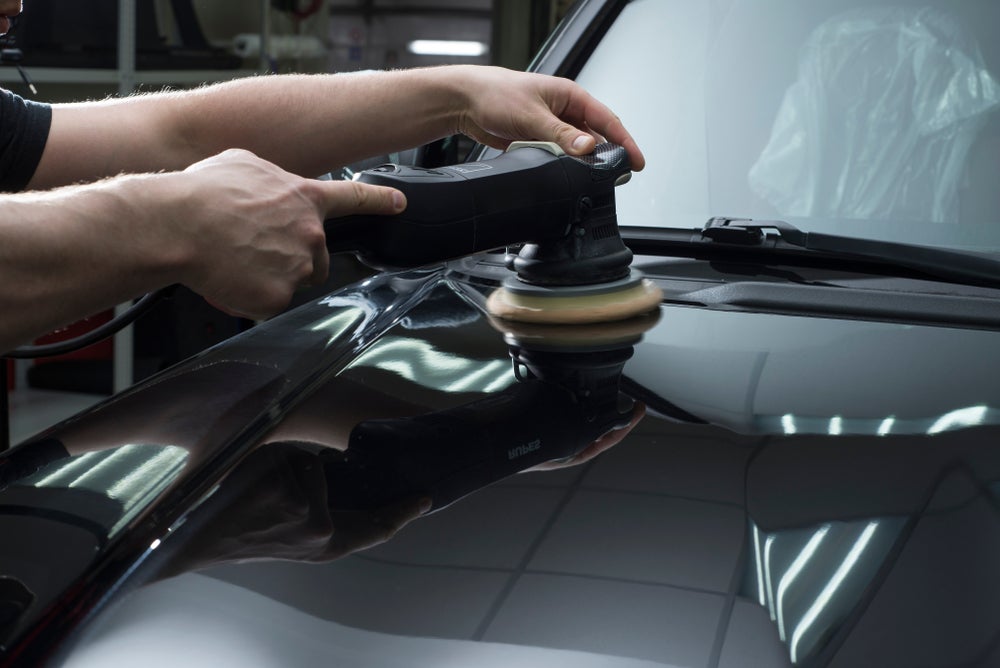
A professional detailing service can make your Volkswagen look just like it did the day you drove it home from the VW dealership, but that's not the only benefit. With regular Volkswagen detailing services, your car can last longer, run better, and retain more of its value. Professional Volkswagen Detailing at Your VW Dealership: Why It Matters Car Detailing Explained Detailing is more than just a routine cleaning. It's a deep cleaning and restoration of the interior and exterior of your vehicle. The process can vary depending on the type of service you purchase, but exterior detailing typically includes a thorough cleaning and polishing. The technician will wash and dry the exterior and remove impurities from the paint using a clay bar, then finish by applying wax or sealant to the paint to protect it from damage. Interior detailing generally involves vacuuming and shampooing carpets and cloth seats, wiping down surfaces, and cleaning windows and mirrors. Leather upholstery should be conditioned to prevent cracking. Some detailing services also include a thorough cleaning of the engine bay. Minor damage and cosmetic issues like paint scratches, fabric stains, faded trim, and cloudy or yellowed headlights may be addressed during the detailing process. more Benefits of Detailing Getting your Volkswagen detailed a few times a year doesn't just preserve its appearance. Detailing can make your Volkswagen safer and more comfortable to drive. A clean windshield, clean mirrors, and clear headlights provide better visibility. Deep cleaning your vehicle's interior and replacing the air filter can improve air quality, remove odors, and benefit your health, especially if you suffer from allergies. Detailing is also a good way to preserve your vehicle's value. Professional detailing can remove contaminants that cause rust and corrosion and protect your vehicle's paint and interior from the elements, preventing damage that could affect your car's resale value. Keeping your engine clean can boost your vehicle's performance, and thorough cleaning of your engine and wheels can prevent serious problems and costly repairs later on. Reasons to Get Professional Detailing While you might be tempted to save money by detailing your Volkswagen yourself, the adage about getting what you pay for applies. The technicians at your Volkswagen dealership are specially trained to service VW vehicles. They will perform your detail service using specialized equipment and cleaning solutions that are appropriate and safe for the materials and surfaces in your vehicle. When you get professional detail service from a Volkswagen dealership, you can be confident that the work will be done thoroughly and with the best products and techniques. If you need restorative work, the technicians at the dealership can complete the work using genuine VW paint, providing a seamless repair. Regular detailing can help you get the most out of your Volkswagen. To schedule service, contact Tom Bush Volkswagen in Jacksonville, FL today.
hail-damage-1272026_1920

What Should You Do if Your VW Gets Scratched or Dented?

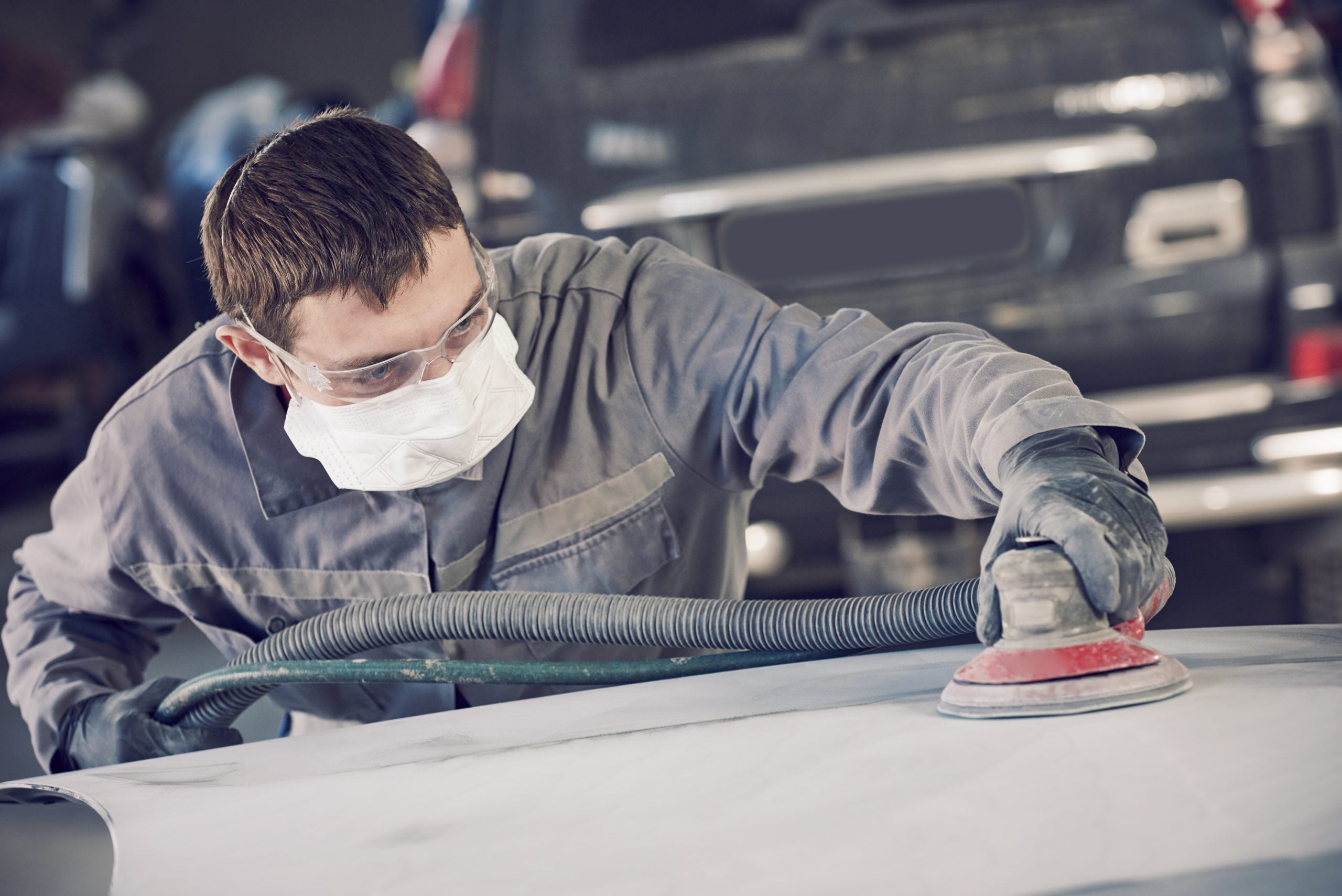
A driver's life in a sizable city like Jacksonville inevitably involves occasional car scratches or even the odd dent. If you find a few car dents or scratches in your pristine paintwork one day, don't fret. There are several ways to repair this kind of surface-level damage by yourself. And if you'd like a professional hand, you can always visit your local VW dealership. What Should You Do if Your VW Gets Scratched or Dented? How to Get Rid of Car Dents You can find a dent repair kit at your nearest auto parts store. These kits usually use a suction cup of some design. Choose a kit that comes with a range of cup sizes, or find a cup that matches your dent in size. To fix your dent, you need to apply the suction cup and heave until the dent pops out. Follow any extra instructions that come with your kit. One pro tip is to heat up the metal beforehand to make it more pliable. You can do this with a hairdryer on full heat and maximum blast. more Fill in Stubborn Dents If a dent refused to pop out, another option is to fill it in with special body filler, which you can also buy at most auto parts stores. This job takes a little while but can effectively make your dent disappear. To begin, wash and dry your bodywork. You'll then need to remove the paint around the dent using sandpaper or an electric sander. When sanding, you want the paint to be rough around the edges of the dent. Next, mix the filler and apply it to the dent in layers. Start with a thick filler layer, pressing hard to ensure no air is trapped underneath. Then you can carefully add thinner layers and sand the dried filler to make it match the bodywork's contours. Finally, spray on primer, paint the area, and apply paint sealant. How To Get Rid of Car Scratches Scratches can be far easier to deal with than dents, especially light upper-layer scratches that haven't removed any paintwork. You can use a scratch remover cloth to rub away the shallowest of scratches. You can also use a scratch remover compound polish that uses wax to fill shallow abrasions. There's even a tool called a car scratch pen, which looks like a highlighter and applies a quick-drying lacquer to fill scrapes into clearcoat and primer. Whichever method you use, always clean the area well before you begin. Have Your VW Dealer Fix It For You More extensive scratches or dents from a collision will usually require professional attention. Not only will an experienced technician save you the time and trouble of attempting to repair it yourself, but they're also likely to do a better job. Have your paintwork and bodywork made to look like new today at Tom Bush Volkswagen. We've been providing local drivers with fine-looking vehicles and repair work since 1970.

Is your Volkswagen

Is Your Volkswagen Having Electrical Problems?

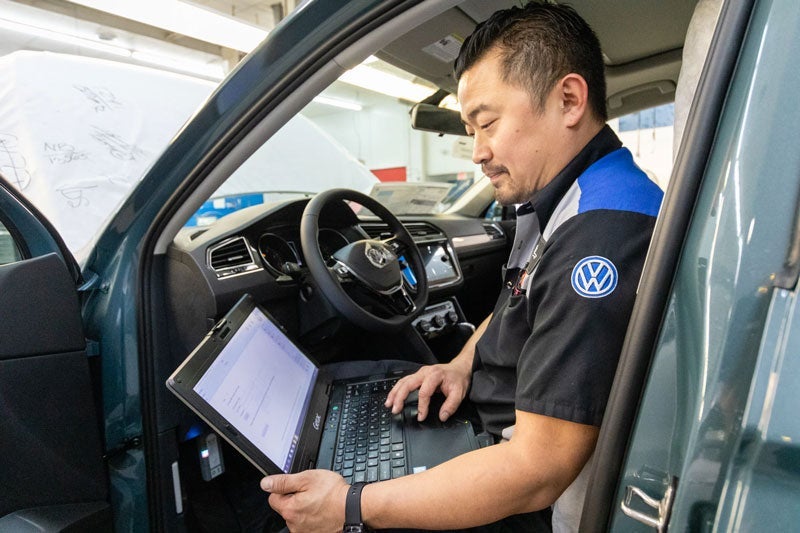
Electricity can be strange and fickle. Damaged wiring, corroded connectors, and blown fuses are some problems that can occur due to age and wear. Regular services can prevent these issues, as our technicians will find and repair issues before a problem develops. As your VW dealer, we'd like you to know more about potential electrical problems that can occur. Electrical Problems? See Your VW Dealer Today Dead Battery The battery's most important function is to provide the power to start your engine. Its secondary purpose is to maintain the electrical systems like the lights, alarm, and other vital components when your engine is switched off. A battery has a limited life and usually needs to be replaced within three to five years. A battery can die due to other problems, like worn connectors or a weak alternator. We can test your battery's health with our state-of-the-art battery testing system. The tester subjects your battery to a variety of tests and identifies its strengths and weaknesses. It also gives valuable information on your battery's possible longevity. If the battery fails the tests, we can replace it while you wait. more Damaged or Broken Wiring Your VW has a huge amount of wiring that connects the alternator to every one of your car's electrical components. An engine is a very inhospitable place for wiring, as wires are subject to vibration, dirt, and even moisture. All of these issues are problems with electrical flow, and they can also damage the wiring system. The wiring is protected by thick rubber and plastic insulation, but wires can get damaged over time. Aged wiring can break, and broken wiring blocks the flow of electricity. The broken wiring can heat up as electricity continues to flow into it, and this can cause the wire's insulation to burn. Damaged wiring can cause electrical shorts and blown fuses, which create additional problems in the electrical system. Our technicians can trace the flow of electricity through the system and replace any damaged wiring or other issues. Dim Bulbs Headlight bulbs dim when they start to wear out. They can also dim due to problems with the alternator, corroded sockets, or damaged wiring. The bulbs require a steady supply of electricity to function. Any fluctuations in the electrical supply will cause damage and shorten their lifespan. A cracked lens, for example, can allow water into the headlight recess. The water will steadily corrode the bulb socket. This will lead to repeated bulb failures and additional problems in the electrical system. In this example, we'd test the socket and install a new one to fix the issue. If you experience any problems with the electrical system, call us right away at Tom Bush Volkswagen.

What's Included

What's Included in VW's 2022 New Car Warranty?

When you purchase a new vehicle from your VW dealer, you'll get the benefits of Volkswagen's industry-leading warranty coverage. But what exactly does that coverage entail? We'll take a closer look at each aspect of Volkswagen's new car warranty in our guide below to give you the information you need. What's Included in VW's 2022 New Car Warranty? Bumper-to-Bumper Warranty The bulk of the coverage you'll enjoy as the owner of a new VW is included within your vehicle's bumper-to-bumper warranty. This covers the vast majority of the components within your vehicle, with only a few exceptions. If any of these components fail as a result of a deficiency in the manufacture of your vehicle, you'll be covered for a replacement at no extra charge. This coverage lasts for four years or 50,000 miles of driving, whichever comes first. more Powertrain Warranty Among the components not covered under your bumper-to-bumper warranty are the critical parts of your vehicle that make it drive, including the engine, transmission, and drivetrain. Should any of these components fail due to a factory defect, you'll be entitled to have them replaced with Volkswagen covering the expenses. This warranty has the same limits as the bumper-to-bumper warranty. Battery Warranty The warranty coverage your new VW has also provides protection for your battery. If the battery fails within the first three years or 36,000 miles after your purchase, you'll be covered for a replacement at no additional charge. This helps to ensure the vehicle's electrical components are all functioning properly. Parts and Accessories Warranty For additional protection for the components of your vehicle from factory defects, the parts and accessories warranty also comes with your vehicle. This will allow you to replace any of the official Volkswagen parts used in your vehicle that are found to be defective. This coverage extends for one year after your purchase or 12,000 miles of driving. Federal Emissions Warranty Various parts of your vehicle, such as the catalytic converter, function to reduce the emissions that your vehicle produces from burning fuel. The federal emissions warranty covers these components to ensure that you meet the emissions regulations stipulated by the law. This helps to ensure the environmental impact of your travels is mitigated and lasts for eight years or 80,000 miles. Learn More at Your VW Dealer Still have questions about what your new VW's warranty covers? The friendly team at your local dealership can tell you more. We're happy to answer any questions that remain so that you know exactly what sort of coverage you're riding with. Any questions you have about the quality Volkswagen vehicles in our inventory or the warranty coverage they come with can be answered when you visit our dealership. Get the information you need at Tom Bush Volkswagen!

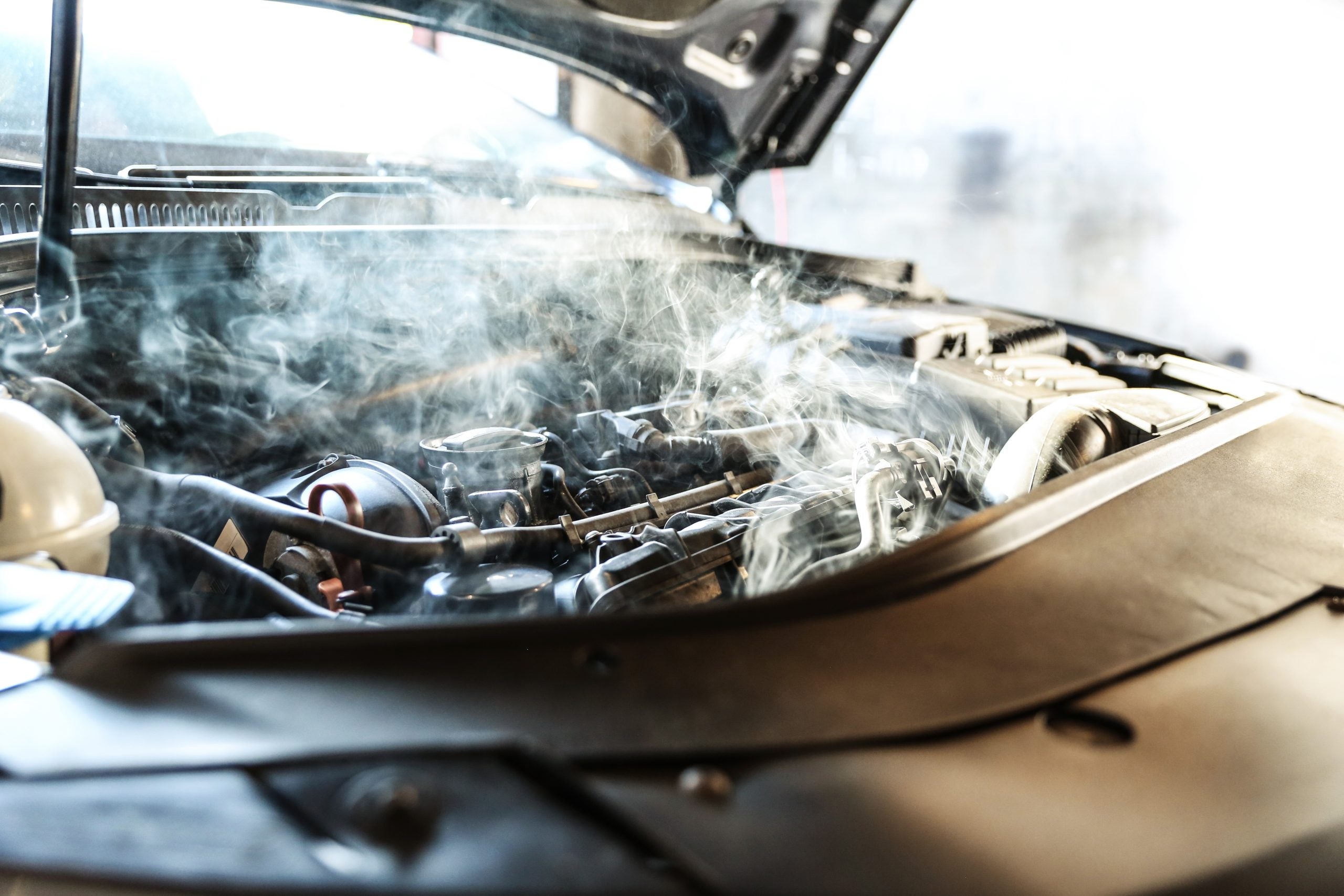
Car,Engine,Overheating,Close,Up.,Vehicle,Engine,In,Smoke.,Short

Is Your Car Engine Overheating? 3 Most Likely Reasons

An overheating engine can lead to damage to vital and sensitive components. Your engine operates at a high temperature, and it's the job of the cooling system to keep the temperature under control. If you have a car overheating, your VW dealer can fix it for you. These are a few of the possible causes of overheating. Advice From Your VW Dealer: 3 Likely Reasons for Car Overheating Damaged Radiator Fan Your VW cooling system uses air inflow through the radiator grille to cool your engine. This system works perfectly when your car is moving, and the faster your car moves, the faster the engine cools. When you're idling, however, airflow is greatly reduced. For situations like this, your engine has a radiator fan. This radiator fan is attached to the rear of the radiator When the switch registers an increased temperature, and your car isn't moving, the fan starts. The fan flows cold air over the back of the radiator tubes to remove engine heat. The fan can fail, and a broken fan won't be able to cool your engine. Our technicians will repair the fan or replace the radiator depending on the level of damage. more Clogged Radiator The radiator in your VW acts as a heat exchanger, where hot air from the engine is replaced by cooler outside air. Liquid coolant flows through your engine and absorbs heat as it travels. Once the coolant reaches the radiator, it flows into rows of thin metal tubes. Air flows in through the radiator grille, and it cools the hot coolant as it passes over the tubes. The coolant, however, can carry other things besides heat. It can also absorb rust particles, dirt, and other debris from the engine. All this debris is carried to the radiator and deposited there when the coolant flows out again. In time, this debris can clog your radiator and prevent it from cooling your engine. Our technicians can flush your radiator to fix this problem. Lack of Coolant Coolant is essential for your engine, as it carries the heat to the radiator for cooling. The hot air produced by the engine is removed by air flowing into your car, and the now-cool coolant circulates through your engine again. The cooling system operates at high speed and under high pressure to control your engine temperature. The coolant operates in a closed system. This closed system means a lack of coolant can only be due to a coolant leak. We'll trace the leak to its source and repair the problem. Once the cooling system is sealed, we'll refill the coolant, and your cooling system will work correctly again. If your VW is showing any signs of overheating, call our service department immediately at Tom Bush Volkswagen.

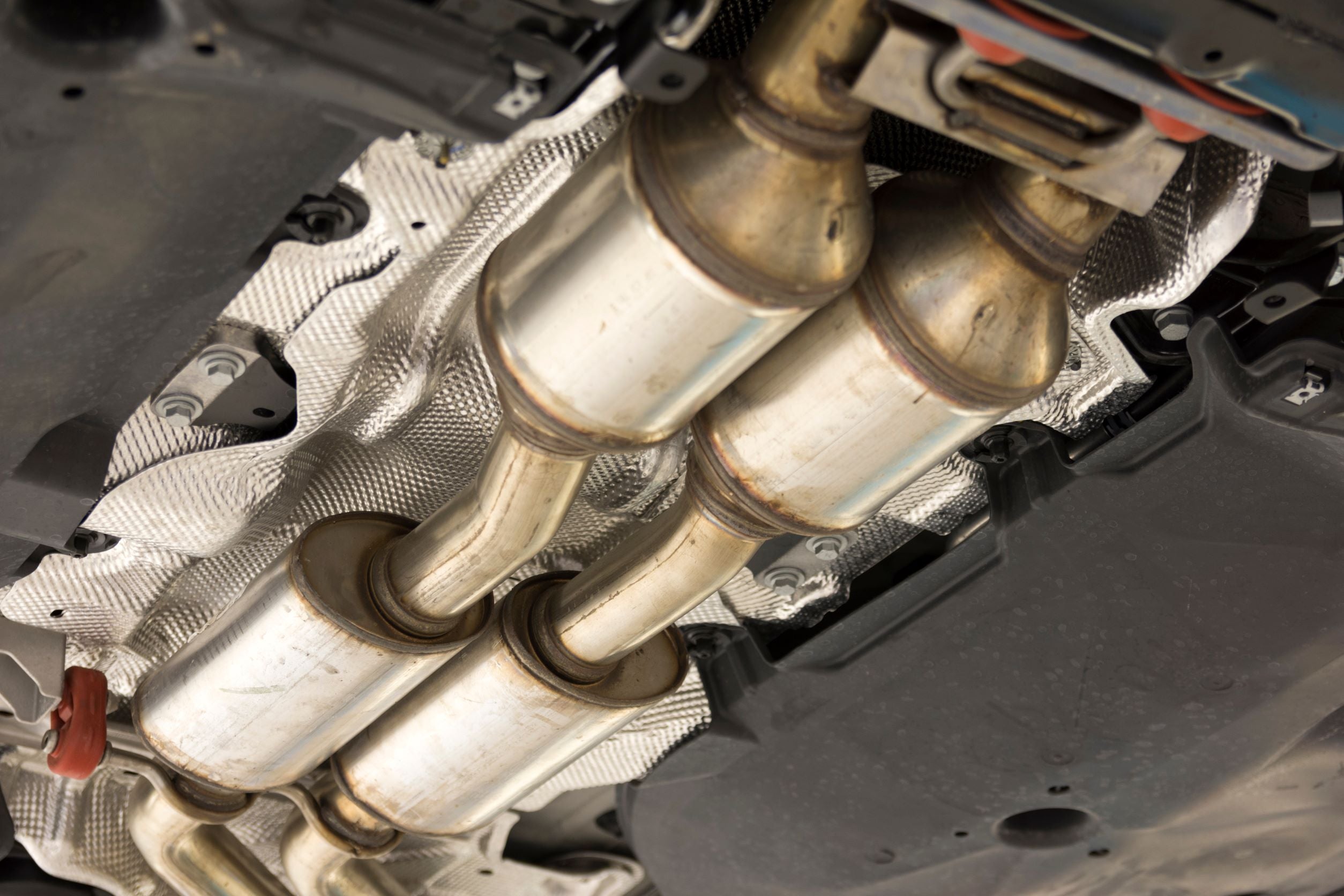
catalytic converter 41

Does Your VW Need a New Catalytic Converter?

The catalytic converter is an important part of your Volkswagen exhaust system and helps reduce harmful emissions by catalyzing a series of chemical reactions. These reactions also increase the car's performance and efficiency. Here are a few ways to know when you might have to head to your VW dealer for a replacement cat converter. From Your VW Dealer: Signs That Your VW Needs a New Catalytic Converter Sulfur/Rotten Egg Smell If there's an odor that smells like rotten eggs coming from your car's exhaust, chances are that there's a problem with the cat converter. Normally, gasoline contains small amounts of sulfur and nitrogen oxide that get broken down by the converter into odorless gases. If a faulty converter is failing to break down these molecules, the exhaust system will produce a strong and unpleasant smell. In this case, the converter could be damaged due to excessive carbon buildup, overheating, or severe road bumps. more Rattling Sound Inside the cat converter is a ceramic honeycomb structure that provides a large surface area where chemical reactions can take place. If the converter isn't replaced when needed or experiences premature wear, this structure will deteriorate to the point that it breaks apart. Its broken pieces will start to bounce around within its housing while the car is in motion, which you'll hear as a rattling noise. At first, the sound might only be noticeable when starting the car, but it's certain to get worse over time, becoming constant as the converter's honeycomb breaks into even more pieces. Decreased Fuel Economy Cat converters should allow exhaust gases to exit the vehicle freely. If it becomes too damaged or clogged, it will trap those gases, which prevents outside air from coming into the engine. When the engine can't take in enough fresh air needed for good combustion, more fuel will be brought in to make up for that deficiency. This leads to greatly reduced gas mileage and more frequent trips to the pump. Car Fails to Pass Smog Testing Oftentimes, drivers won't find out that their cat converter has gone bad until their car is taken to an emissions test and fails. Without a properly functioning converter, the number of toxic gases emitted from a vehicle's exhaust system skyrockets, so there's little hope of passing a smog test. Besides the cat converter, you'll also want a mechanic to inspect the fuel injection system, mass air flow sensor, and oxygen sensor. Though you don't need to replace the cat converter right away when experiencing these signs, your car will be suffering from degraded performance and contributing much more air pollution. Schedule an appointment with our service department at Tom Bush Volkswagen today and we'll help ensure that your car is running at its best!

vw-service

3 Engine Problems You Should Always Fix at Your VW Dealer

Your VW has a powerful, reliable engine, but it does need regular service to keep it in great condition. Engine problems can develop as parts wear out or fail. In Jacksonville, FL, your VW dealer can fix any problem with your engine. These are samples of issues we can repair 3 Engine Problems You Should Always Fix at Your VW Dealer Starting Problems When you start your car, an electrical charge is sent from your battery to the starter solenoid. This solenoid activates and provides the power to crank your engine. If your engine doesn't start, or labors to start, there's a problem our technicians need to investigate. Starting problems can be caused by a worn battery, a broken solenoid, a blocked catalytic converter, or cable problems. If your battery is old or weak, it may not be able to generate the charge necessary to start your engine. You'll hear this as your engine struggles to start. If the solenoid is broken, you won't hear any sound. The broken solenoid won't pass on the power to crank the engine. A blocked converter will create a backflow of gases into the engine, and this will shut down your engine. more Engine Overheating Your engine operates at a temperature between 185 F and 220 F. To keep the engine from overheating, you have a very efficient cooling system. Coolant is released into your engine, and it absorbs the heat. The heat is then carried to the radiator where its exchanged for cooler air. If the cooling system malfunctions, your engine can rapidly overheat. Several different problems can cause overheating. Your radiator, for example, can become clogged. The coolant absorbs dirt and debris in your engine and carries it to the radiator. When the coolant is cooled and drawn out of the radiator, the debris is left behind. In time, this debris can block the radiator, hoses, pipes, and cooling tubes. This will cause your engine to overheat. Damaged Sensors Sensors are attached to all the important components in your engine. These sensors are connected to your VW's computer. The sensors continually feed information on their component back to the computer. This information is used by your computer to make decisions on oxygen levels, temperature control, and everything else needed for your VW to operate efficiently. If a sensor fails, this can create serious problems. A failed oxygen sensor, for example, can incorrectly report the amount of oxygen in your engine. This can cause poor engine performance, increased fuel usage, damage to the spark plugs, and even damage to the catalytic converter. These are just some of the problems our VW-trained technicians can repair. If you have any problem with your VW's engine, call our service department ASAP at Tom Bush Volkswagen.

3 Ways to Get

3 Keys to Getting a Quality Collision Repair at a VW Dealer

There's nothing worse than getting into a car crash: it's a scary event! But once you get out of your car and make sure all of the involved parties are okay, you come to the next hurdle: your car is damaged and needs repair. But how can you know which collision repair shop to choose? We recommend your local VW dealer! 3 Keys to Getting a Quality Collision Repair at a VW Dealer 1. Do Your Research If you go into a repair shop without doing prior research, then you're going to be vulnerable to having a bad experience. And you, the customer, have so many tools at your disposal to make sure that you're making an educated choice. Make sure you use them wisely! One way that you can research a repair shop is the oldest: asking around! You can ask your friends about their experiences at different body shops that they've been to, and if one of them had a spectacular experience you can go with their recommendation. And on the flip side, you can avoid any places that have a bad reputation. Luckily, your local Volkswagen is a place you can definitely trust and is going to have a great reputation! more 2. Ask The Right Questions One mistake that a lot of people make when they have work done on their car is that they're a bit nervous to ask too many questions. But after all, it's your car! So you should ask as many questions as you can so that you understand what's going on, and so that you can avoid any misunderstandings with the mechanics later on down the line. Any Volkswagen mechanic will be happy to settle all of your doubts. If you're not sure which questions you should be asking, you're not the only one. But one thing you should definitely ask is if the shop is ASE certified. Your Volkswagen dealer will be! Next, you might want to ask about ways to bring your car into the shop and if they have some form of transportation for you back home while you wait for the work to be finished. Of course, you should ask about how long the repair will take! 3. Check Your Car After the Repairs When the mechanics have finished their work on your vehicle, it's of the utmost importance that you look it over. Volkswagen mechanics are some of the best in the business, but accidents still happen! Make sure that the area that was repaired has no cracks or misalignments, and definitely check that the paint hasn't been scratched. The Volkswagen dealer's mechanics will be happy to fix it up and get you on your way! So if you need a quality repair shop, bring in your car to Tom Bush Volkswagen today!

Contact Us

Fill out this form below and we'll contact you shortly
*Required Fields