Blog / Jacksonville Volkswagen Service

Blog

All Jacksonville Volkswagen Service Jacksonville Volkswagen Dealer Tom Bush Volkswagen Things To Do In Jacksonville Tom Bush Volkswagen Service Jacksonville Amenities Jacksonville Entertainment Jacksonville Used Cars Jacksonville Eateries Jacksonville Parks Fun in Jacksonville Jacksonville Car Repair Jacksonville Restaurants Jacksonville Family Fun Tom Bush Family of Dealerships Oil Change in Jacksonville Tom Bush Volkswagen Collision Jacksonville Volkswagen Collision Center Date Night Jacksonville Fitness Getaways Jacksonville Auto Finance Things To Do Near Jacksonville Volkswagen Atlas Jacksonville Beaches Road Trips Jacksonville Finance Tom Bush Volkswagen Finance Florida Weddings Vegetarian Foodies Volkswagen ID.4 Volkswagen Taos
Auto Service

Navigating Your Volkswagen's Maintenance Schedule for Optimal Care

Routine vehicle maintenance can protect your vehicle from major damage by addressing mechanical defects early on. Performing preventative maintenance at your VW dealer will ensure your VW lasts a long time while also reducing your vehicle repair costs. Learn about the recommended Volkswagen maintenance intervals and how pre-paid maintenance may be a good option for your car ownership goals. Navigating Your Volkswagen Maintenance Schedule for Optimal Care Volkswagen generally recommends your first service interval after purchasing a new car to be scheduled at 10,000 miles. During this appointment, the condition of your brake pads will be assessed, along with a routine oil change and a replacement of your oil filter. All of your other service intervals will also be scheduled in 10,000-mile increments to optimize the care of your VW vehicle. more Minor, Standard, and Extended Maintenance Minor maintenance is a repetition of the three services performed during your very first 10,000-mile maintenance appointment. Minor maintenance services are included in your standard maintenance appointments, which are scheduled every 20,000 miles. Standard maintenance includes services such as testing the car battery, topping up fluid levels, assessing exterior lights, balancing the suspension system, and checking the tires. Extended maintenance services are scheduled every 40,000 miles. Tasks such as checking body panels for corrosion, assessing the performance of the exhaust system, and looking for underbody damage are added to your minor and standard maintenance services during extended maintenance appointments. Should You Ask Your VW Dealer About Pre-Paid Maintenance? Volkswagen can simplify the cost and scheduling of your vehicle maintenance with a VW Care pre-paid maintenance plan. Under this plan, most of your recommended maintenance services are covered at regular intervals. Your elegibility for certain VW Care plans is dependent on your model year. You can discuss plans available for your VW model when you visit your dealership's finance department. A pre-paid maintenance plan is a great option if you are on a budget and want to have predictable routine maintenance costs. VW Care plans lock in the price of routine maintenance, part replacement, and labor costs. You also get the benefit of knowing genuine VW parts are used for all of your vehicle repairs when you sign up for a pre-paid maintenance plan. What Is VW Carefree Scheduled Maintenance? For additional savings and peace of mind, your local dealership offers a scheduled maintenance plan for your first two years of ownership at no additional cost. The VW Carefree Scheduled Maintenance plan will cover the recommended services outlined in your VW Maintenance Booklet. Volkswagen makes it easy to care for your vehicle with high-quality routine service with pre-paid and scheduled maintenance plans. Learn more about these low-cost routine maintenance options when you call Tom Bush Volkswagen in Jacksonville, FL.

tvw-app

4 Services Offered by Your Volkswagen Dealership

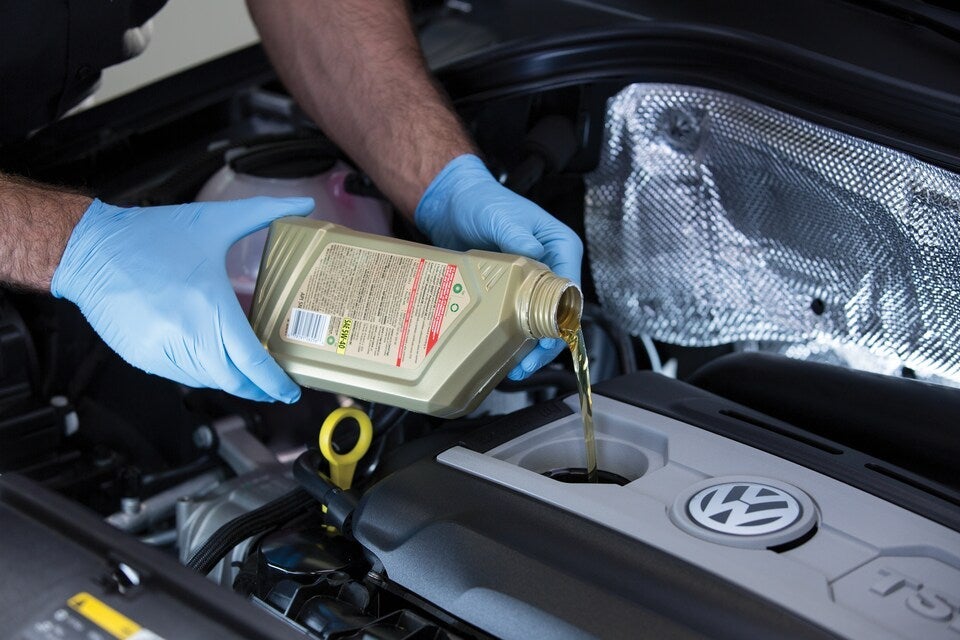
Volkswagen vehicles radiate luxury, comfort, and reliability. For you to enjoy consistent peak performance from your car, regular maintenance is of crucial importance. And there's no one better to help you with a Volkswagen service than factory-trained, certified technicians. Your trusted VW dealer has all the necessary equipment, parts, and professionals to ensure you have an enjoyable driving experience. 4 Services Offered by Your Volkswagen Dealership 1. Tire Replacement Car tires generally last about three to five years. This, however, depends on several factors, including your driving habits, maintenance, and environment. If your tires survive without any significant damage, then eventually, their threads will wear down. Tire wear shouldn't be ignored, as it could cause accidents on the road. If your tires are consistently losing pressure, have reduced traction, or you're noticing vibrations while driving, head out to your dealership as soon as possible. Our tire services include rotation, mounting, balancing, wheel alignment and replacement, and flat tire repair. more 2. Oil Changes Motor oil helps to lubricate, clean, and protect your engine. Regular oil changes will help maintain your vehicle's health and performance. Proper lubrication ensures the engine runs smoothly, reducing the strain on engine components. Top-quality oil minimizes engine wear and prevents pre-mature failure, extending the engine's lifespan. Regular oil and filter changes will help keep the oil clean and debris-free, preventing clogging and inadequate lubrication. Our skilled technicians know the best type of oil for your vehicle. 3. Brake Repairs Your brakes ensure your vehicle can slow down or stop safely, helping to prevent accidents. Typical working brakes enable drivers to stop immediately when they intend to. Some brake components, including brake pedals, calipers, rotors, and pads, can wear down after prolonged use. Our mechanics will service your brakes and ensure that all components are working perfectly. Our brake service includes a complete brake inspection, brake pad replacement, lubrication of calipers, and brake fluid flush. 4. Visit Your VW dealer for the Best Volkswagen Service and Parts To get the best performance from your car, all components should be in peak working condition. All faulty parts should be replaced immediately with Original Equipment Manufacturer (OEM) parts. We will help you obtain and install the spare parts you're looking for at affordable prices. To make locating the spare part you need more convenient, you can fill out the online form on our website, and one of our service professionals will quickly get back to you. Following a regular maintenance schedule ensures your vehicle is safer and more reliable. Call Tom Bush Volkswagen in Jacksonville, FL, today, and let us help you with all your automotive needs. We also offer a wide range of other maintenance services, including steering and suspension repair, A/C repairs, and electrical system diagnosis.

vw_battery_image (1)

5 Signs Your Volkswagen Needs a New Battery

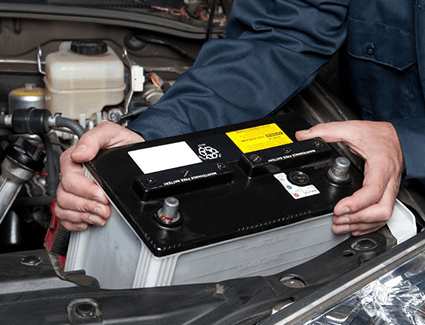
Your vehicle's battery plays an essential role. Without a working battery, you wouldn't be able to start your car or run electrical components like the radio or lights. Replacing your battery before it dies is smart, and it saves you the hassle of calling roadside assistance. But how can you tell when it's time for a new battery? Your Volkswagen dealership can help. 5 Signs You Need a New Battery From Your Volkswagen Dealership 1. Your Car Doesn't Start Easily Does it take a little longer than it used to to start your Volkswagen in the morning? One of the first signs of a failing battery is an engine that takes several tries to start. If it's getting harder to get your engine going, it's time to bring your vehicle in so that our service department can test your battery. In addition to a slow start, an engine that frequently needs to be jump-started may also be due for a replacement battery. more 2. Your Battery Smells and Looks Bad It's a good idea to open the hood of your Volkswagen every once in a while and inspect your battery. If you notice an unpleasant smell that's similar to rotten eggs, your battery may be dying. Batteries emit sulfuric acid as they start to decline. There are also visual signs of a declining battery. A battery case that appears to be swollen or bulging needs to be replaced. A bulging battery may be at risk of rupture and can be a fire hazard. Corrosion is another visual indicator. While small amounts of the powdery white substance are OK, excessive corrosion can indicate that your battery is near the end of its life. 3. Your Battery Is Old Car batteries typically last three to five years. If it's been a while since you last had a battery installed, it may be time for a new one. We can test your battery and determine if it's time for a new one. 4. Your Electrical Components Seem Weaker A declining battery affects all of your vehicle's electrical components, including your headlights, power windows, radio, GPS, and even your dashboard lights. Consistent flickering or faltering by any of these components can indicate that your battery is on the way out. 5. Your Check Engine Light Is On A simple way of determining that you need a replacement battery is to pay attention to your check engine light. If it comes on, it could signal any number of engine problems. Scheduling a service appointment as soon as that light comes on keeps you from being stranded by a dead battery or another mechanical issue. If you're concerned about your battery, or if you think it's time to have a replacement battery installed, our service department can help. When you're ready to schedule your next service appointment, call us at Tom Bush Volkswagen in Jacksonville, FL.
Flat tire

What to Do If Your VW Gets a Flat Tire

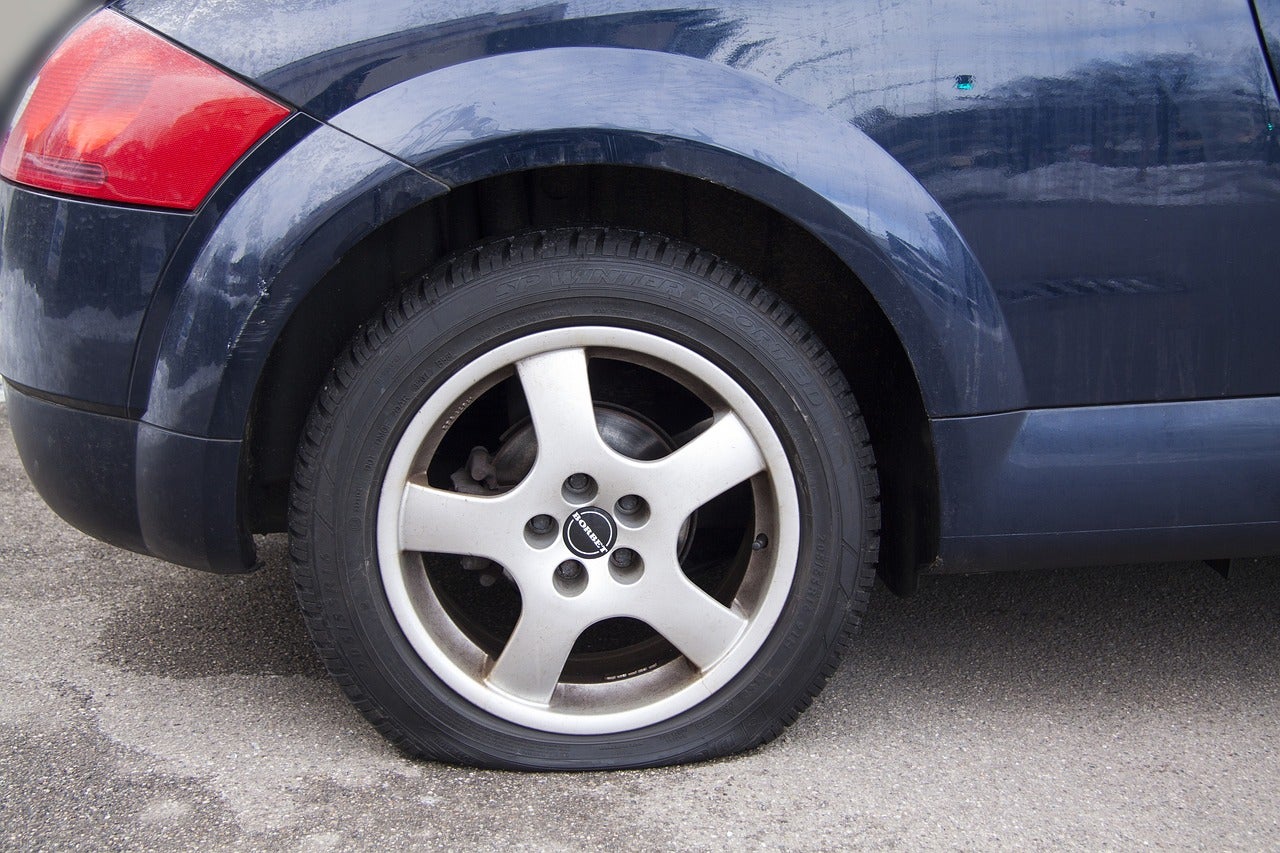
Dealing with a flat tire can be quite troublesome and aggravating, especially when you're in a hurry or on your way to work. If you find yourself stranded on the side of the road with a flat, here are some tips from your Volkswagen dealer on what to do next. Tips From Your Volkswagen Dealer: What to Do If Your VW Gets a Flat Tire Pull Over Safely If you have a flat, it's essential to reduce your speed immediately and quickly search for a flat area where you can safely pull over and park your vehicle away from the traffic. Turn on your hazard lights so other road users can see your car. more Place Reflective Warning Triangles Take extra precautions by placing a reflective warning triangle at a distance of ten feet directly behind your car. For enhanced visibility, position an additional triangle behind the right-hand side and another about 100 feet away, aligned with the middle of your vehicle's bumper. Prevent Your Car From Rolling To avoid any chances of your car from moving, make sure to put your vehicle in park or shift it into reverse (if you drive a manual). After that, remove the spare tire, jack, lug wrench, and wheel wedges from the trunk. Place the wheel wedges in front of and behind the tires to keep your car securely in place and prevent it from rolling off the jack. Loosen the Lug Nuts and Jack Up Your Car Start by loosening the nuts counterclockwise to change the flat, but don't remove them altogether. Next, locate the jacking point near the tire that needs to be changed and use a jack to lift your car just enough to remove the wheel. Now, you can loosen the nuts, take them off, and remove the flat. Put the flat under your car to prevent damage if it rolls off the jack. Mount the Spare Tire To replace the flat with the spare, position the spare tire in front of the wheel well, align the rim with the bolts, and carefully insert the tire until the bolts stick through the rim. Then, attach the nuts to the bolts and tighten them manually with your fingers in a clockwise direction as much as possible. Lower Your Car Lower your vehicle using the jack until the spare tire touches the ground. Then, use the wrench to tighten the nuts.  Completely lower your car, remove the jack, and give the nuts a final tightening with the wrench. Remember, only drive with your spare tire for up to 50 miles before replacing it. If your vehicle needs a set of quality tires, stop at Tom Bush Volkswagen today for a wide selection of major brand tires to ensure your safety behind the wheel.

vw-service

The Importance of Preventative Maintenance for Your Volkswagen

Keeping your Volkswagen in tip-top condition means more than just fixing the car when there's a problem. Preventative maintenance carried out by a VW dealership is an essential part of keeping your car on the road and running well. It may be tempting to skip the maintenance, but it could prove to be a costly mistake. Here are some of the reasons why preventative VW maintenance is so important. Why Is Preventative Maintenance So Essential? Helps Your Car Run for Longer The trick to vehicle longevity is picking up any issues as early as possible. This stops any small problems from spiraling and causing more damage to your car. Taking a preventative approach to maintenance ensures any issues are identified early, before they have time to cause long-term problems that could affect the life-span of your Volkswagen. more Keeps You Safe Car maintenance isn't just about keeping the car running: the checks can also ensure you are safe. Worn out brakes or ineffective windscreen wipers can lead to serious crashes, while engine fires can be caused by leaky seals, drips, or dirt in the engine. All of these problems, and many more, can be identified during routine maintenance checks, preventing potentially catastrophic consequences. Reduces the Cost of Any Repairs No one likes a hefty garage bill, but being proactive can help to avoid expensive repairs. Routine maintenance can pick up any problems before they have a chance to develop. This means they are often much cheaper and quicker to fix, saving you from the pain of major repairs. Makes Your VW More Economical to Run Volkswagens have a reputation for being reliable, high-quality cars, but like any vehicle, they still need a little TLC to remain in prime condition. There are many things which can affect fuel efficiency, such as worn tires, dirty spark plugs, and inefficient air conditioning. Giving components a clean and replacing any necessary parts will make your car run more smoothly, and reduce the cost. Should I Use a VW Dealership for Maintenance? You might find many garages and mobile mechanics offering to carry out maintenance and servicing, but it's always preferable to use a Volkswagen dealership. This is because dealers are experts in Volkswagen cars and will have specialist knowledge about any particular quirks or common faults. You will also have the reassurance of knowing that any replacement parts will be original and high-quality, rather than generic components of unknown origin. All of this means that your Volkswagen will have the best chance of performing at optimum levels between services. If your VW hasn't had any checks or maintenance performed for some time, head down to us here at Tom Bush Volkswagen in Jacksonville, FL where we'd be happy to help.

vw-1043117_1280

How Often Should You Check Your VW's Car Emissions?

In Florida, there are no legal requirements to check your car emissions, but that doesn't mean you can just ignore the subject. Vehicle emissions play a pivotal role in pollution, so it's important to make sure your car is within the recommended limits. But how often should you head down to your local VW dealership for a check? How Frequently Should Your VW Car Emissions Be Checked? Florida has some of the most relaxed laws in the US around car inspections and emissions, but this doesn't mean that no checks are ever legally required. If you buy a new car from outside the state, or you buy a used car from within the state, it must have a safety inspection. Emissions checks aren't a compulsory part of safety testing, but it can be helpful for them to be included for peace of mind. If your VW doesn't fall into one of these two categories, it is still a good idea to have the emissions checked periodically. Other states require emissions to be checked every 1–2 years, and adopting this approach will ensure your auto remains in tip-top condition. Electric cars don't require any emission checks at all because their tailpipes don't emit any emissions. more How to Schedule an Emissions Check at a VW Dealership Every responsible car owner knows that it's important to get their vehicle serviced from time to time. The easiest way to schedule your emissions check is by coordinating it with your regular service. Your VW local dealership will be able to include it with any other checks that you need to ensure your car is safe. What Happens if Your VW Emissions Are Not Checked? As there are very few mandatory emissions checks in Florida, it might be tempting to skip having a test. However, this means your VW emissions could be higher than recommended. This can be a problem for many reasons: Your auto could be more expensive to run The fuel efficiency will be lower It could be polluting the surrounding air You could be causing damage to your engine Keeping Your Car and the Environment Safe Higher auto emissions can mean that your vehicle is polluting the air when you drive, but if you don't get your emissions checked you may not realize. Taking care of the environment is important, and getting a periodic check on your emissions during a service is an easy way to achieve this. But it's not just the environment you'll be protecting. High emissions can also be a tell-tale sign that there's a problem with your engine. An emissions check could alert you to an issue before it becomes a serious problem, saving you money in the long run. If your VW hasn't been serviced for a while, why not schedule a check with an emissions test today? Get in touch with the team at Tom Bush Volkswagen in Jacksonville to book a convenient appointment for your car.

VW_Oil_Change (1)

5 Benefits of Getting OEM Parts for Your VW

Two types of parts may be used to replace components in your vehicle: OEM parts and generic parts. Generic parts are also sometimes called aftermarket parts. OEM components are made by the manufacturer. Visiting your VW dealer will make sure OEM components are always used in your car when something needs to be replaced. 5 Benefits of Getting OEM Parts for Your Volkswagen At Your VW Dealer 1. For Your Warranty There's nothing in your Volkswagen's warranty saying you can't use generic parts to upgrade your vehicle or replace broken OEM components. However, if the generic part causes problems with other parts or if the generic part malfunctions, then the repairs may not be covered by the warranty. If the technician at the dealership determines the generic part caused a problem you're having with your vehicle, then you'll most likely have to fully cover the cost of the repairs yourself. more 2. For the Quality Generic parts are not manufactured in the same way as OEM ones. Their specifications don't have to be as precise, and they don't have to use the exact same design and materials as the OEM components. Drill holes may not be in alignment, making fitting difficult. They may have a nonidentical pitch thread. Sometimes parts even have inferior welding, leading to the new part cracking and damaging surrounding components. 3. For the Availability Suppliers of generic parts need to keep an array of different parts on hand, and they won't always have what you need when you need it. OEM suppliers stock critical components most likely to be needed. We keep an array of OEM accessories and parts on hand, and you can order them directly from us. It can take longer to obtain generic parts, and it can be harder to find high-quality ones, so going to a dealership for parts is always the easiest and best option. 4. For the Knowledge Generic parts suppliers and people who install and repair generic parts simply don't have the same amount of knowledge that someone working with OEM components does. Dealerships employ factory-trained technicians who specialize in working on one type of vehicle. If you have a Volkswagen, then your Volkswagen dealership will have technicians with Volkswagen expertise. This means they also have expertise in the different OEM components they work with in the vehicles. 5. For the Long-Term Costs Having a vehicle full of generic parts costs more in the long term. They wear down faster and can cause wear on surrounding components, meaning more part replacements more frequently. OEM components last longer, and they shouldn't cause any surrounding parts to wear down faster, meaning you'll pay less for repairs and replacements over time. Stop by Tom Bush Volkswagen to make sure original parts are always used in your vehicle. Your Volkswagen deserves the best, and OEM is the best when it comes to replacing parts.

mechanic-g86532c426_1280

How Often Should You Replace Your VW's Spark Plugs?

A failing spark plug can rapidly spark off all kinds of other engine problems. So it's wise to know how often your spark plugs need replacing and also the warning signs of a faltering plug. There are three different types of plugs (copper, platinum, and iridium), each of which has a different lifespan. Here's an overview of how long plugs last and if you suspect any of yours to be misfiring, have them checked at your local VW dealership. How Often Should You Replace Your VW's Spark Plugs? Iridium Plugs: Durability and Conductivity Combined The most advanced plugs around today are iridium plugs, which have a lifespan of about 100,000 miles. Iridium is extremely heat-resistant and also hard enough to form very thin electrodes which provide excellent conductivity: strong enough to match the conductivity of copper plugs. more Platinum Plugs: Long-Lasting But Less Conductive You can find plugs either made entirely from platinum or copper with platinum fused over the electrode. Both types of platinum plugs have a respectable average lifespan of about 60,000 miles. Platinum is also a tough and durable metal, but it's not as conductive as copper, so you might lose a little in terms of engine performance. Copper Plugs: Highly Conductive With Lower Heat Resistance The most common plugs are copper with a nickel alloy fused over the electrode. These plugs have the best conductivity which provides excellent combustion performance. But copper isn't as heat-resistant as the other two metals, so the average lifespan of copper plugs tends to be only around 20,000 miles. Ask Your VW Dealer To Upgrade Your Plugs If you're unsure which type of plug you have in your car, you can always ask a technician at your local dealership. If you're currently using copper plugs, you may be able to upgrade to longer-lasting platinum or iridium options. Although more expensive, these superior plugs last far longer, which can create cost savings over time. It's usually unwise to downgrade in the opposite direction from iridium to platinum or copper, especially if your owner's manual specifies iridium plugs for optimal engine performance. Check your owner's manual and ask your technician for guidance on the best plugs for your model. Warning Signs of Failing Plugs When a spark plug begins to fail because it's been fouled by carbon residue or damaged by excessive heat and vibrations, your engine will start misfiring. This causes it to sputter and shudder and show clear indications of struggling. A misfiring engine will lose acceleration power, start idling roughly, and may even stall altogether. Have your plugs inspected by qualified technicians today at Tom Bush Volkswagen. We're a local family-owned dealership that's been serving the drivers of Jacksonville for over 50 years.

How to Check Tire Pressure

How to Check the Tire Pressure on Your Volkswagen

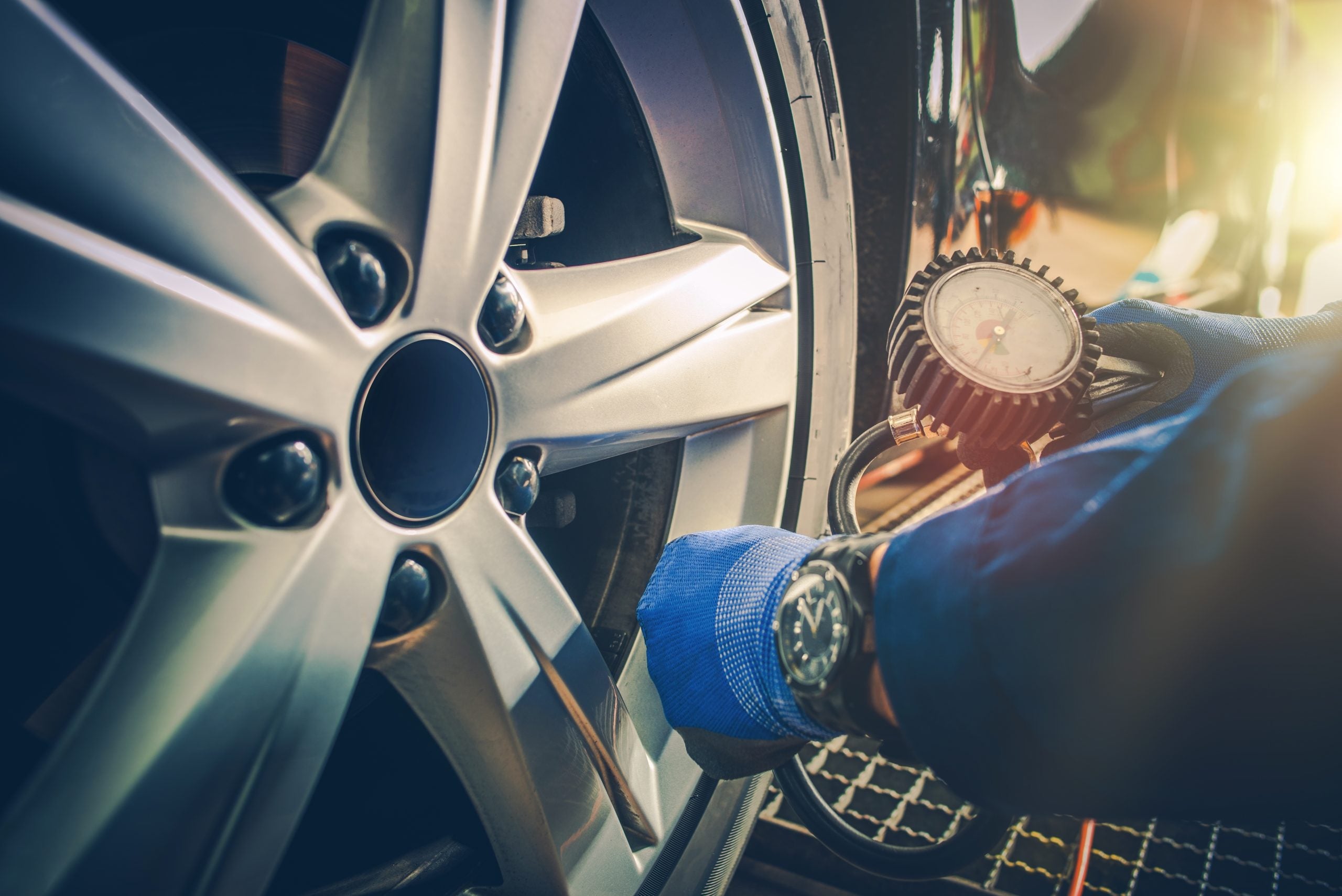
Properly inflated tires wear more evenly, last longer, improve gas mileage and keep you and your passengers safe while on the road. Your VW dealer recommends checking your tire pressure at least once a month. Here are a few key tips on how to properly check tire pressure. Tips From Your VW Dealer: How to Check Tire Pressure Start With Cold Tires Tire pressure is measured in pounds per square inch, or PSI. The recommended PSI is based on the pressure level in a cold tire. If you perform a pressure check on hot tires, you'll get an incorrect reading. The best time to check your tire pressure is first thing in the morning before you've driven anywhere. If this isn't possible, make sure you haven't driven your car for at least a few hours before you check your tire pressure. more Know Your Numbers You'll also want to know the right PSI for your tires before you check their pressure. The front and rear tires might have different recommended pressure levels, so it's important to write down the correct number for each tire before checking them with a gauge. There may also be different numbers for normal or heavy loads. You can find this information - for example, "35 PSI" - in your owner's manual or on a sticker inside the driver's side door frame. Choose Your Gauge There are two types of tire pressure gauges: battery-powered digital gauges and regular stick-type gauges. These can be purchased at any auto parts store or gas station. Both types of gauges are accurate, so it's simply a matter of personal preference regarding which one you use. To check the tire pressure, remove the cap from the tire's air valve and set it aside. Seat the gauge on the valve stem and press down to make a firm connection between the gauge and the valve stem. A firm connection will stop the hissing sound made by air escaping from the tire. Your gauge will now display the tire's PSI. Adjust Tire Pressure Compare the pressure you just measured with the manufacturer's recommendation. If the PSI reading is above the recommendation, push in the valve to let out some air. If the PSI reading is below the recommendation, use a home air compressor (or visit a gas station if you don't own one) to fill the tire with air until it has the correct level. Make sure you put the valve cap back on snugly and then do the same thing to the other three tires plus the spare. While checking the tire pressure on a car is a simple process that only takes a few minutes, there's often no substitute for the expertise of a qualified Volkswagen dealer. Whether you're in need of parts, service, or maybe even a beautiful new VW, visit Tom Bush Volkswagen today!

Is your Volkswagen

Is Your Volkswagen Having Electrical Problems?

Electricity can be strange and fickle. Damaged wiring, corroded connectors, and blown fuses are some problems that can occur due to age and wear. Regular services can prevent these issues, as our technicians will find and repair issues before a problem develops. As your VW dealer, we'd like you to know more about potential electrical problems that can occur. Electrical Problems? See Your VW Dealer Today Dead Battery The battery's most important function is to provide the power to start your engine. Its secondary purpose is to maintain the electrical systems like the lights, alarm, and other vital components when your engine is switched off. A battery has a limited life and usually needs to be replaced within three to five years. A battery can die due to other problems, like worn connectors or a weak alternator. We can test your battery's health with our state-of-the-art battery testing system. The tester subjects your battery to a variety of tests and identifies its strengths and weaknesses. It also gives valuable information on your battery's possible longevity. If the battery fails the tests, we can replace it while you wait. more Damaged or Broken Wiring Your VW has a huge amount of wiring that connects the alternator to every one of your car's electrical components. An engine is a very inhospitable place for wiring, as wires are subject to vibration, dirt, and even moisture. All of these issues are problems with electrical flow, and they can also damage the wiring system. The wiring is protected by thick rubber and plastic insulation, but wires can get damaged over time. Aged wiring can break, and broken wiring blocks the flow of electricity. The broken wiring can heat up as electricity continues to flow into it, and this can cause the wire's insulation to burn. Damaged wiring can cause electrical shorts and blown fuses, which create additional problems in the electrical system. Our technicians can trace the flow of electricity through the system and replace any damaged wiring or other issues. Dim Bulbs Headlight bulbs dim when they start to wear out. They can also dim due to problems with the alternator, corroded sockets, or damaged wiring. The bulbs require a steady supply of electricity to function. Any fluctuations in the electrical supply will cause damage and shorten their lifespan. A cracked lens, for example, can allow water into the headlight recess. The water will steadily corrode the bulb socket. This will lead to repeated bulb failures and additional problems in the electrical system. In this example, we'd test the socket and install a new one to fix the issue. If you experience any problems with the electrical system, call us right away at Tom Bush Volkswagen.

What's Included

What's Included in VW's 2022 New Car Warranty?

When you purchase a new vehicle from your VW dealer, you'll get the benefits of Volkswagen's industry-leading warranty coverage. But what exactly does that coverage entail? We'll take a closer look at each aspect of Volkswagen's new car warranty in our guide below to give you the information you need. What's Included in VW's 2022 New Car Warranty? Bumper-to-Bumper Warranty The bulk of the coverage you'll enjoy as the owner of a new VW is included within your vehicle's bumper-to-bumper warranty. This covers the vast majority of the components within your vehicle, with only a few exceptions. If any of these components fail as a result of a deficiency in the manufacture of your vehicle, you'll be covered for a replacement at no extra charge. This coverage lasts for four years or 50,000 miles of driving, whichever comes first. more Powertrain Warranty Among the components not covered under your bumper-to-bumper warranty are the critical parts of your vehicle that make it drive, including the engine, transmission, and drivetrain. Should any of these components fail due to a factory defect, you'll be entitled to have them replaced with Volkswagen covering the expenses. This warranty has the same limits as the bumper-to-bumper warranty. Battery Warranty The warranty coverage your new VW has also provides protection for your battery. If the battery fails within the first three years or 36,000 miles after your purchase, you'll be covered for a replacement at no additional charge. This helps to ensure the vehicle's electrical components are all functioning properly. Parts and Accessories Warranty For additional protection for the components of your vehicle from factory defects, the parts and accessories warranty also comes with your vehicle. This will allow you to replace any of the official Volkswagen parts used in your vehicle that are found to be defective. This coverage extends for one year after your purchase or 12,000 miles of driving. Federal Emissions Warranty Various parts of your vehicle, such as the catalytic converter, function to reduce the emissions that your vehicle produces from burning fuel. The federal emissions warranty covers these components to ensure that you meet the emissions regulations stipulated by the law. This helps to ensure the environmental impact of your travels is mitigated and lasts for eight years or 80,000 miles. Learn More at Your VW Dealer Still have questions about what your new VW's warranty covers? The friendly team at your local dealership can tell you more. We're happy to answer any questions that remain so that you know exactly what sort of coverage you're riding with. Any questions you have about the quality Volkswagen vehicles in our inventory or the warranty coverage they come with can be answered when you visit our dealership. Get the information you need at Tom Bush Volkswagen!

Car,Engine,Overheating,Close,Up.,Vehicle,Engine,In,Smoke.,Short

Is Your Car Engine Overheating? 3 Most Likely Reasons

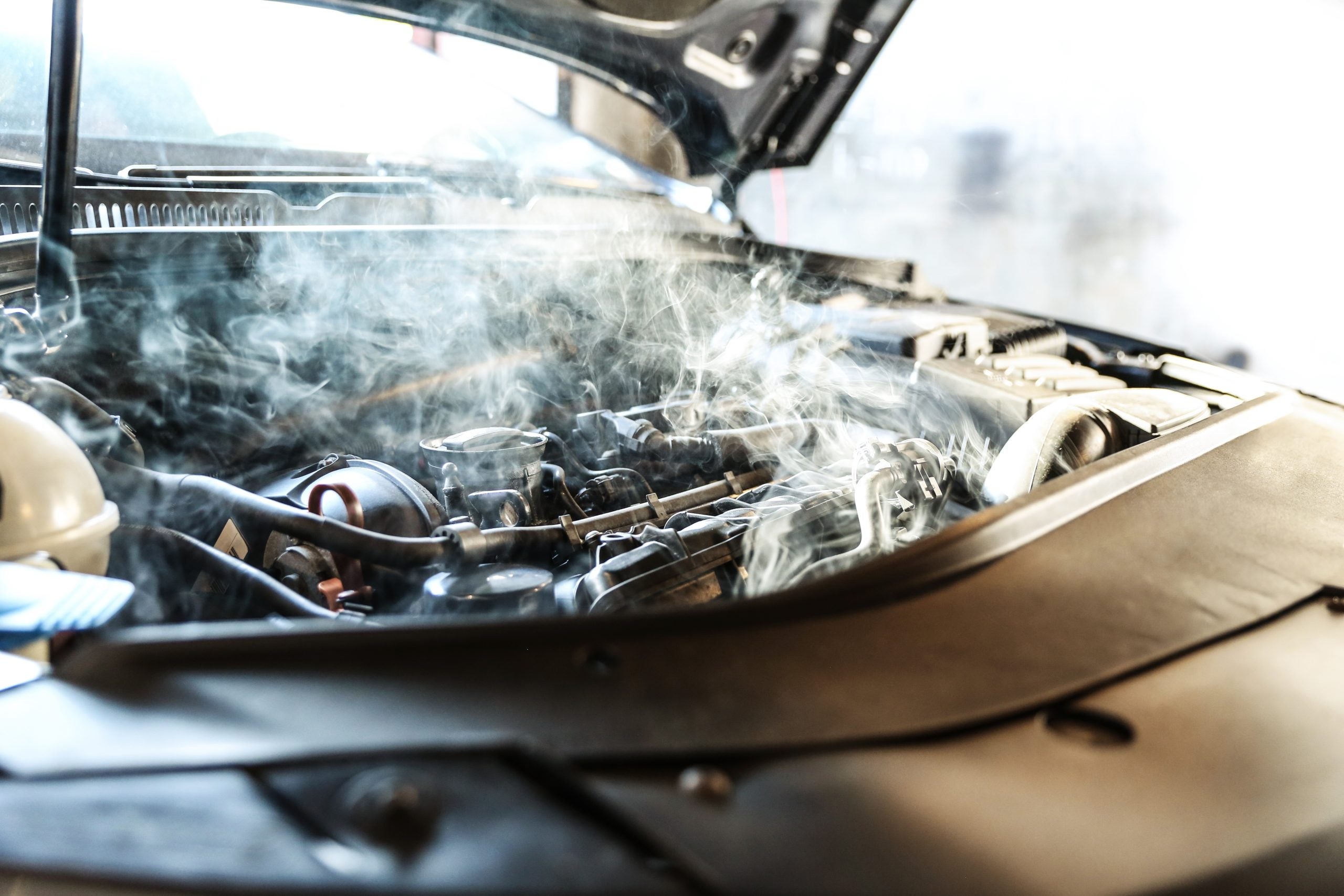
An overheating engine can lead to damage to vital and sensitive components. Your engine operates at a high temperature, and it's the job of the cooling system to keep the temperature under control. If you have a car overheating, your VW dealer can fix it for you. These are a few of the possible causes of overheating. Advice From Your VW Dealer: 3 Likely Reasons for Car Overheating Damaged Radiator Fan Your VW cooling system uses air inflow through the radiator grille to cool your engine. This system works perfectly when your car is moving, and the faster your car moves, the faster the engine cools. When you're idling, however, airflow is greatly reduced. For situations like this, your engine has a radiator fan. This radiator fan is attached to the rear of the radiator When the switch registers an increased temperature, and your car isn't moving, the fan starts. The fan flows cold air over the back of the radiator tubes to remove engine heat. The fan can fail, and a broken fan won't be able to cool your engine. Our technicians will repair the fan or replace the radiator depending on the level of damage. more Clogged Radiator The radiator in your VW acts as a heat exchanger, where hot air from the engine is replaced by cooler outside air. Liquid coolant flows through your engine and absorbs heat as it travels. Once the coolant reaches the radiator, it flows into rows of thin metal tubes. Air flows in through the radiator grille, and it cools the hot coolant as it passes over the tubes. The coolant, however, can carry other things besides heat. It can also absorb rust particles, dirt, and other debris from the engine. All this debris is carried to the radiator and deposited there when the coolant flows out again. In time, this debris can clog your radiator and prevent it from cooling your engine. Our technicians can flush your radiator to fix this problem. Lack of Coolant Coolant is essential for your engine, as it carries the heat to the radiator for cooling. The hot air produced by the engine is removed by air flowing into your car, and the now-cool coolant circulates through your engine again. The cooling system operates at high speed and under high pressure to control your engine temperature. The coolant operates in a closed system. This closed system means a lack of coolant can only be due to a coolant leak. We'll trace the leak to its source and repair the problem. Once the cooling system is sealed, we'll refill the coolant, and your cooling system will work correctly again. If your VW is showing any signs of overheating, call our service department immediately at Tom Bush Volkswagen.

Contact Us

Fill out this form below and we'll contact you shortly
*Required Fields