Blog / Jacksonville Car Repair

Blog

All Jacksonville Car Repair Jacksonville Volkswagen Dealer Tom Bush Volkswagen Things To Do In Jacksonville Jacksonville Volkswagen Service Tom Bush Volkswagen Service Jacksonville Amenities Jacksonville Entertainment Jacksonville Used Cars Jacksonville Eateries Jacksonville Parks Fun in Jacksonville Jacksonville Restaurants Jacksonville Family Fun Tom Bush Family of Dealerships Oil Change in Jacksonville Tom Bush Volkswagen Collision Jacksonville Volkswagen Collision Center Date Night Jacksonville Fitness Getaways Jacksonville Auto Finance Things To Do Near Jacksonville Volkswagen Atlas Jacksonville Beaches Road Trips Jacksonville Finance Tom Bush Volkswagen Finance Florida Weddings Vegetarian Foodies Volkswagen ID.4 Volkswagen Taos
How to Check Tire Pressure

How to Check the Tire Pressure on Your Volkswagen

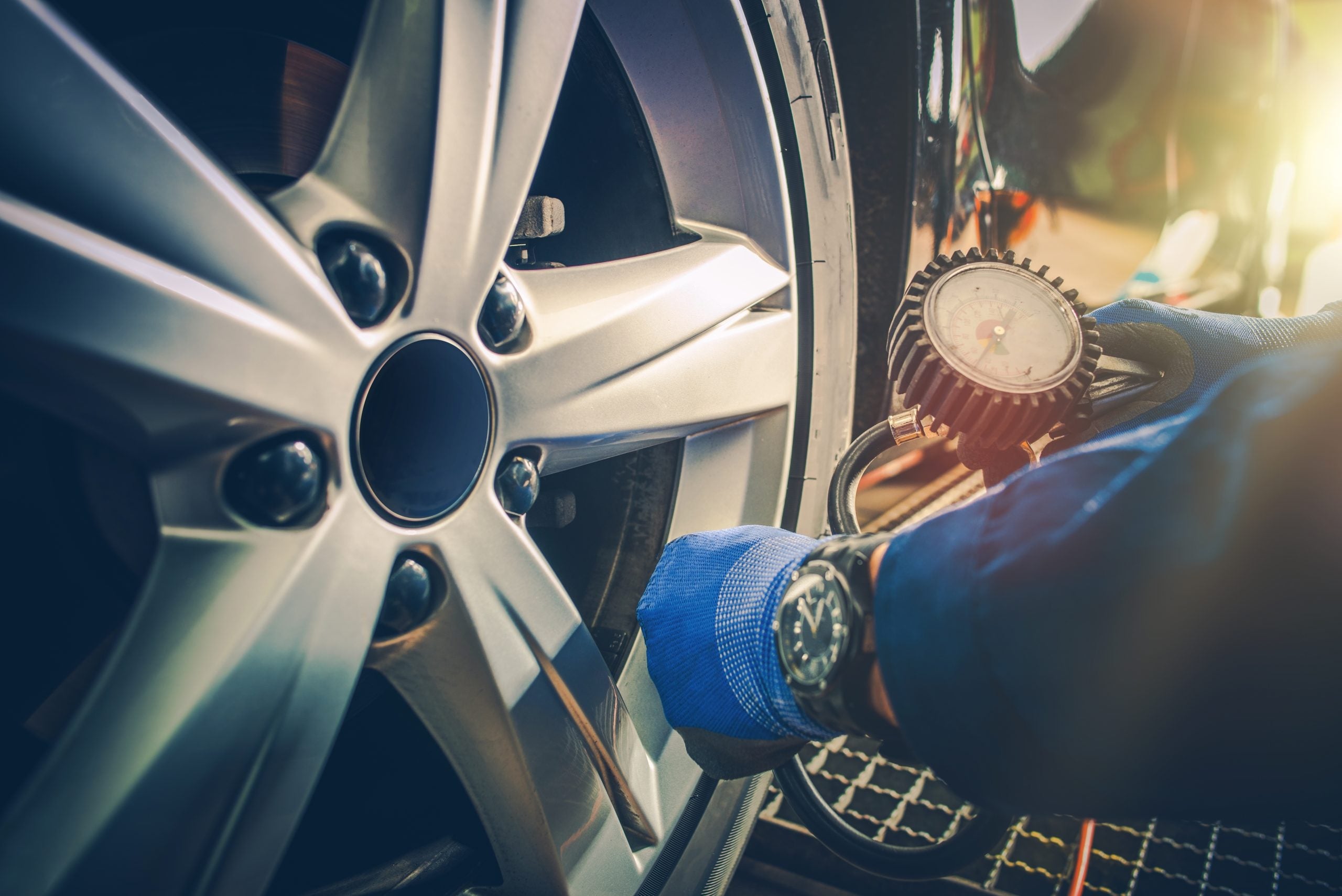
Properly inflated tires wear more evenly, last longer, improve gas mileage and keep you and your passengers safe while on the road. Your VW dealer recommends checking your tire pressure at least once a month. Here are a few key tips on how to properly check tire pressure. Tips From Your VW Dealer: How to Check Tire Pressure Start With Cold Tires Tire pressure is measured in pounds per square inch, or PSI. The recommended PSI is based on the pressure level in a cold tire. If you perform a pressure check on hot tires, you'll get an incorrect reading. The best time to check your tire pressure is first thing in the morning before you've driven anywhere. If this isn't possible, make sure you haven't driven your car for at least a few hours before you check your tire pressure. more Know Your Numbers You'll also want to know the right PSI for your tires before you check their pressure. The front and rear tires might have different recommended pressure levels, so it's important to write down the correct number for each tire before checking them with a gauge. There may also be different numbers for normal or heavy loads. You can find this information - for example, "35 PSI" - in your owner's manual or on a sticker inside the driver's side door frame. Choose Your Gauge There are two types of tire pressure gauges: battery-powered digital gauges and regular stick-type gauges. These can be purchased at any auto parts store or gas station. Both types of gauges are accurate, so it's simply a matter of personal preference regarding which one you use. To check the tire pressure, remove the cap from the tire's air valve and set it aside. Seat the gauge on the valve stem and press down to make a firm connection between the gauge and the valve stem. A firm connection will stop the hissing sound made by air escaping from the tire. Your gauge will now display the tire's PSI. Adjust Tire Pressure Compare the pressure you just measured with the manufacturer's recommendation. If the PSI reading is above the recommendation, push in the valve to let out some air. If the PSI reading is below the recommendation, use a home air compressor (or visit a gas station if you don't own one) to fill the tire with air until it has the correct level. Make sure you put the valve cap back on snugly and then do the same thing to the other three tires plus the spare. While checking the tire pressure on a car is a simple process that only takes a few minutes, there's often no substitute for the expertise of a qualified Volkswagen dealer. Whether you're in need of parts, service, or maybe even a beautiful new VW, visit Tom Bush Volkswagen today!
Is your Volkswagen

Is Your Volkswagen Having Electrical Problems?

Electricity can be strange and fickle. Damaged wiring, corroded connectors, and blown fuses are some problems that can occur due to age and wear. Regular services can prevent these issues, as our technicians will find and repair issues before a problem develops. As your VW dealer, we'd like you to know more about potential electrical problems that can occur. Electrical Problems? See Your VW Dealer Today Dead Battery The battery's most important function is to provide the power to start your engine. Its secondary purpose is to maintain the electrical systems like the lights, alarm, and other vital components when your engine is switched off. A battery has a limited life and usually needs to be replaced within three to five years. A battery can die due to other problems, like worn connectors or a weak alternator. We can test your battery's health with our state-of-the-art battery testing system. The tester subjects your battery to a variety of tests and identifies its strengths and weaknesses. It also gives valuable information on your battery's possible longevity. If the battery fails the tests, we can replace it while you wait. more Damaged or Broken Wiring Your VW has a huge amount of wiring that connects the alternator to every one of your car's electrical components. An engine is a very inhospitable place for wiring, as wires are subject to vibration, dirt, and even moisture. All of these issues are problems with electrical flow, and they can also damage the wiring system. The wiring is protected by thick rubber and plastic insulation, but wires can get damaged over time. Aged wiring can break, and broken wiring blocks the flow of electricity. The broken wiring can heat up as electricity continues to flow into it, and this can cause the wire's insulation to burn. Damaged wiring can cause electrical shorts and blown fuses, which create additional problems in the electrical system. Our technicians can trace the flow of electricity through the system and replace any damaged wiring or other issues. Dim Bulbs Headlight bulbs dim when they start to wear out. They can also dim due to problems with the alternator, corroded sockets, or damaged wiring. The bulbs require a steady supply of electricity to function. Any fluctuations in the electrical supply will cause damage and shorten their lifespan. A cracked lens, for example, can allow water into the headlight recess. The water will steadily corrode the bulb socket. This will lead to repeated bulb failures and additional problems in the electrical system. In this example, we'd test the socket and install a new one to fix the issue. If you experience any problems with the electrical system, call us right away at Tom Bush Volkswagen.

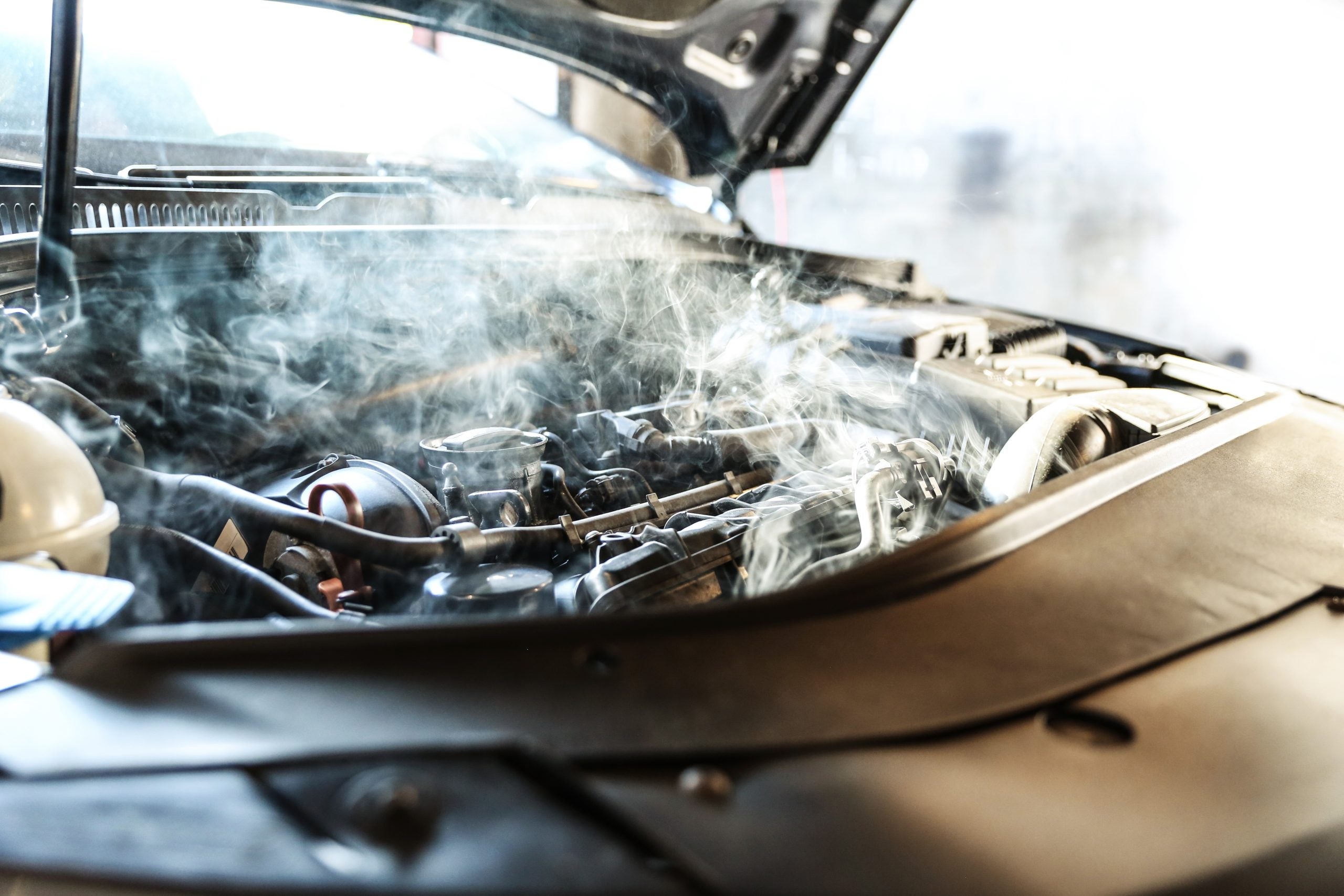
Car,Engine,Overheating,Close,Up.,Vehicle,Engine,In,Smoke.,Short

Is Your Car Engine Overheating? 3 Most Likely Reasons

An overheating engine can lead to damage to vital and sensitive components. Your engine operates at a high temperature, and it's the job of the cooling system to keep the temperature under control. If you have a car overheating, your VW dealer can fix it for you. These are a few of the possible causes of overheating. Advice From Your VW Dealer: 3 Likely Reasons for Car Overheating Damaged Radiator Fan Your VW cooling system uses air inflow through the radiator grille to cool your engine. This system works perfectly when your car is moving, and the faster your car moves, the faster the engine cools. When you're idling, however, airflow is greatly reduced. For situations like this, your engine has a radiator fan. This radiator fan is attached to the rear of the radiator When the switch registers an increased temperature, and your car isn't moving, the fan starts. The fan flows cold air over the back of the radiator tubes to remove engine heat. The fan can fail, and a broken fan won't be able to cool your engine. Our technicians will repair the fan or replace the radiator depending on the level of damage. more Clogged Radiator The radiator in your VW acts as a heat exchanger, where hot air from the engine is replaced by cooler outside air. Liquid coolant flows through your engine and absorbs heat as it travels. Once the coolant reaches the radiator, it flows into rows of thin metal tubes. Air flows in through the radiator grille, and it cools the hot coolant as it passes over the tubes. The coolant, however, can carry other things besides heat. It can also absorb rust particles, dirt, and other debris from the engine. All this debris is carried to the radiator and deposited there when the coolant flows out again. In time, this debris can clog your radiator and prevent it from cooling your engine. Our technicians can flush your radiator to fix this problem. Lack of Coolant Coolant is essential for your engine, as it carries the heat to the radiator for cooling. The hot air produced by the engine is removed by air flowing into your car, and the now-cool coolant circulates through your engine again. The cooling system operates at high speed and under high pressure to control your engine temperature. The coolant operates in a closed system. This closed system means a lack of coolant can only be due to a coolant leak. We'll trace the leak to its source and repair the problem. Once the cooling system is sealed, we'll refill the coolant, and your cooling system will work correctly again. If your VW is showing any signs of overheating, call our service department immediately at Tom Bush Volkswagen.

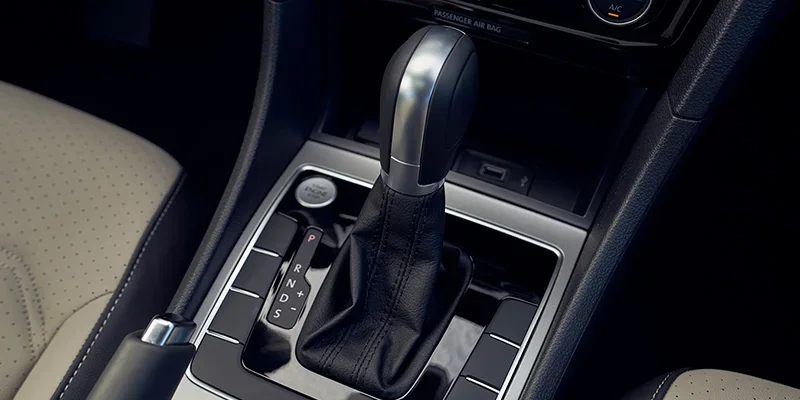
2022-Volkswagen-Passat-05

6 Signs Your VW Could Use a Transmission Service Appointment

Your VW's transmission is an integral part of getting you from one place to another. Over time, parts may become worn or damaged, which means your car won't run smoothly or efficiently. There are some signs that will let you know you need transmission service from a VW dealer. 6 Signs You Need Transmission Service From a VW Dealer 1. Your Vehicle Won't Stay in Gear After starting your vehicle, if you shift your vehicle into gear but it won't move, this could be a sign that you're having some major issues. There are many different reasons why your car won't stay in gear, including low fluid levels or problems with the shifter cable, valve body, or shifter. Taking your vehicle to a professional and having them diagnose and fix the problem is in your best interest. 2. There Are Delayed Shifts While driving down the road, if you notice that your vehicle takes longer to shift into another gear, this could be an indicator that there's something wrong with your transmission. Don't delay getting this issue looked at. The longer you delay having this issue looked at, the more your engine could get damaged. more 3. Your Car Misses Gears In addition to delayed shifts, you might also notice that your VW misses certain gears. Again, getting this taken care of as soon as possible will prevent more wear and tear on your vehicle, as well as ensure that you have a smooth ride. 4. You Notice High Revving or Slipping Both high revving and slipping can be caused by a variety of different issues, including a fluid leak, wear and tear on internal components, water intrusion, or contamination. Your clutches may also be worn, or other parts may be going bad. No matter the cause, high revving or slipping is not good and should be taken care of as soon as possible. 5. Your Vehicle Is Leaking Fluid Your VW requires a variety of different fluids to keep it running properly, and any of them leaking from your vehicle is cause for concern. However, if you notice liquid that is bright red, brown, or dark red, this indicates you're leaking transmission fluid. Take care of this as soon as possible to keep your vehicle on the road. 6. You Experience a Burning Smell The burning smell could be the result of several different issues, including the gears or other components grinding against each other or fluid dripping onto parts of the engine and getting super hot. Don't try to figure out the source of the smell, just get your VW into a professional as quickly as you can. If you notice any of these warning signs, getting your vehicle in for repairs is essential. You can schedule a service appointment or look for new vehicles by visiting Tom Bush Volkswagen today.

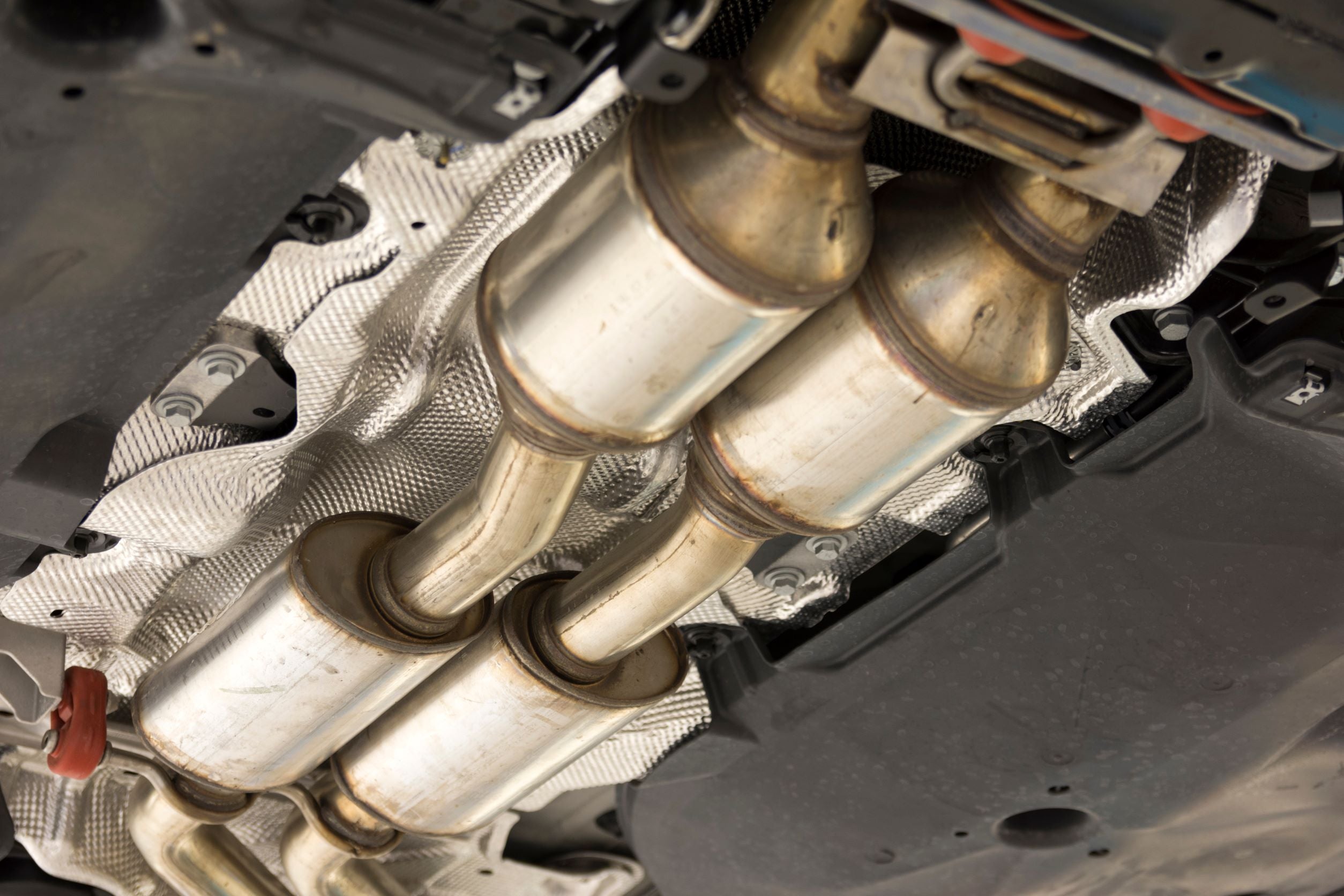
catalytic converter 41

Does Your VW Need a New Catalytic Converter?

The catalytic converter is an important part of your Volkswagen exhaust system and helps reduce harmful emissions by catalyzing a series of chemical reactions. These reactions also increase the car's performance and efficiency. Here are a few ways to know when you might have to head to your VW dealer for a replacement cat converter. From Your VW Dealer: Signs That Your VW Needs a New Catalytic Converter Sulfur/Rotten Egg Smell If there's an odor that smells like rotten eggs coming from your car's exhaust, chances are that there's a problem with the cat converter. Normally, gasoline contains small amounts of sulfur and nitrogen oxide that get broken down by the converter into odorless gases. If a faulty converter is failing to break down these molecules, the exhaust system will produce a strong and unpleasant smell. In this case, the converter could be damaged due to excessive carbon buildup, overheating, or severe road bumps. more Rattling Sound Inside the cat converter is a ceramic honeycomb structure that provides a large surface area where chemical reactions can take place. If the converter isn't replaced when needed or experiences premature wear, this structure will deteriorate to the point that it breaks apart. Its broken pieces will start to bounce around within its housing while the car is in motion, which you'll hear as a rattling noise. At first, the sound might only be noticeable when starting the car, but it's certain to get worse over time, becoming constant as the converter's honeycomb breaks into even more pieces. Decreased Fuel Economy Cat converters should allow exhaust gases to exit the vehicle freely. If it becomes too damaged or clogged, it will trap those gases, which prevents outside air from coming into the engine. When the engine can't take in enough fresh air needed for good combustion, more fuel will be brought in to make up for that deficiency. This leads to greatly reduced gas mileage and more frequent trips to the pump. Car Fails to Pass Smog Testing Oftentimes, drivers won't find out that their cat converter has gone bad until their car is taken to an emissions test and fails. Without a properly functioning converter, the number of toxic gases emitted from a vehicle's exhaust system skyrockets, so there's little hope of passing a smog test. Besides the cat converter, you'll also want a mechanic to inspect the fuel injection system, mass air flow sensor, and oxygen sensor. Though you don't need to replace the cat converter right away when experiencing these signs, your car will be suffering from degraded performance and contributing much more air pollution. Schedule an appointment with our service department at Tom Bush Volkswagen today and we'll help ensure that your car is running at its best!

vw-service

3 Engine Problems You Should Always Fix at Your VW Dealer

Your VW has a powerful, reliable engine, but it does need regular service to keep it in great condition. Engine problems can develop as parts wear out or fail. In Jacksonville, FL, your VW dealer can fix any problem with your engine. These are samples of issues we can repair 3 Engine Problems You Should Always Fix at Your VW Dealer Starting Problems When you start your car, an electrical charge is sent from your battery to the starter solenoid. This solenoid activates and provides the power to crank your engine. If your engine doesn't start, or labors to start, there's a problem our technicians need to investigate. Starting problems can be caused by a worn battery, a broken solenoid, a blocked catalytic converter, or cable problems. If your battery is old or weak, it may not be able to generate the charge necessary to start your engine. You'll hear this as your engine struggles to start. If the solenoid is broken, you won't hear any sound. The broken solenoid won't pass on the power to crank the engine. A blocked converter will create a backflow of gases into the engine, and this will shut down your engine. more Engine Overheating Your engine operates at a temperature between 185 F and 220 F. To keep the engine from overheating, you have a very efficient cooling system. Coolant is released into your engine, and it absorbs the heat. The heat is then carried to the radiator where its exchanged for cooler air. If the cooling system malfunctions, your engine can rapidly overheat. Several different problems can cause overheating. Your radiator, for example, can become clogged. The coolant absorbs dirt and debris in your engine and carries it to the radiator. When the coolant is cooled and drawn out of the radiator, the debris is left behind. In time, this debris can block the radiator, hoses, pipes, and cooling tubes. This will cause your engine to overheat. Damaged Sensors Sensors are attached to all the important components in your engine. These sensors are connected to your VW's computer. The sensors continually feed information on their component back to the computer. This information is used by your computer to make decisions on oxygen levels, temperature control, and everything else needed for your VW to operate efficiently. If a sensor fails, this can create serious problems. A failed oxygen sensor, for example, can incorrectly report the amount of oxygen in your engine. This can cause poor engine performance, increased fuel usage, damage to the spark plugs, and even damage to the catalytic converter. These are just some of the problems our VW-trained technicians can repair. If you have any problem with your VW's engine, call our service department ASAP at Tom Bush Volkswagen.

car ac 31

Is Your VW's Car AC Not Working? Visit Your Dealership Today

Jacksonville's abundant warm weather is amazing. Sometimes, however, the heat can get too much if you're stuck in a traffic jam for example. When this happens, you need your trusted AC. Your car AC not working under these circumstances can make you hot under the collar. Fortunately, your friendly VW dealership can fix that AC problem for you. These are some of the problems we can repair. Car AC Not Working? Visit Your VW Dealership Today No Air From the AC The cold air from your AC goes through several stages in its production. Once the air is cold, it needs to be pushed into your cabin. The blower is responsible for flooding your cabin with that cold air you're craving. Like any mechanical system, however, the blower motor can get damaged or fail. If the motor in the blower doesn't work, that cold air won't be circulated. The motor may also not be the problem. There are several other possibilities our technicians will need to check. The blower has a fuse, and if the fuse blows, it will shut down the motor. Another possible cause of the problem is damaged wiring connecting the motor to your car's alternator, which provides its power. more Water Leak in the Cabin Condensation produced by the AC's processes is stored in the evaporator heater box. This water is then removed from your car via the drain line that runs through your car's floor. If the condensation isn't removed quickly enough, the water can lead to the growth of bacteria. The bacteria can block the entrance to the rubber drain line, preventing the water from emptying. A blocked drain line will cause the heater box to fill up with water. The water will then overflow and drip through the division between the heater box and your cabin. The drain line usually runs through the passenger side of the cabin, and you'll notice that the carpet becomes damp. To fix this, we will replace the hose and use an anti-bacterial solution to clean the AC system. Noisy AC A noisy AC is annoying and distracting. It's also a sign that something has gone wrong. You may hear rattling, grinding, or other strange noises. These sounds can seem even louder due to the echoes inside the AC duct system. Most of the time, the noises mean that something is blowing around in the ducts and needs to be cleared. Leaves, tiny pieces of rock, and other debris can be drawn into the ducts where they rattle around. The sounds could, however, point to a worn compressor clutch of damaged bearings. Our technicians will check and fix the cause of the problem. If you have any AC problem, call us at Tom Bush Volkswagen.

3 Ways to Get

3 Keys to Getting a Quality Collision Repair at a VW Dealer

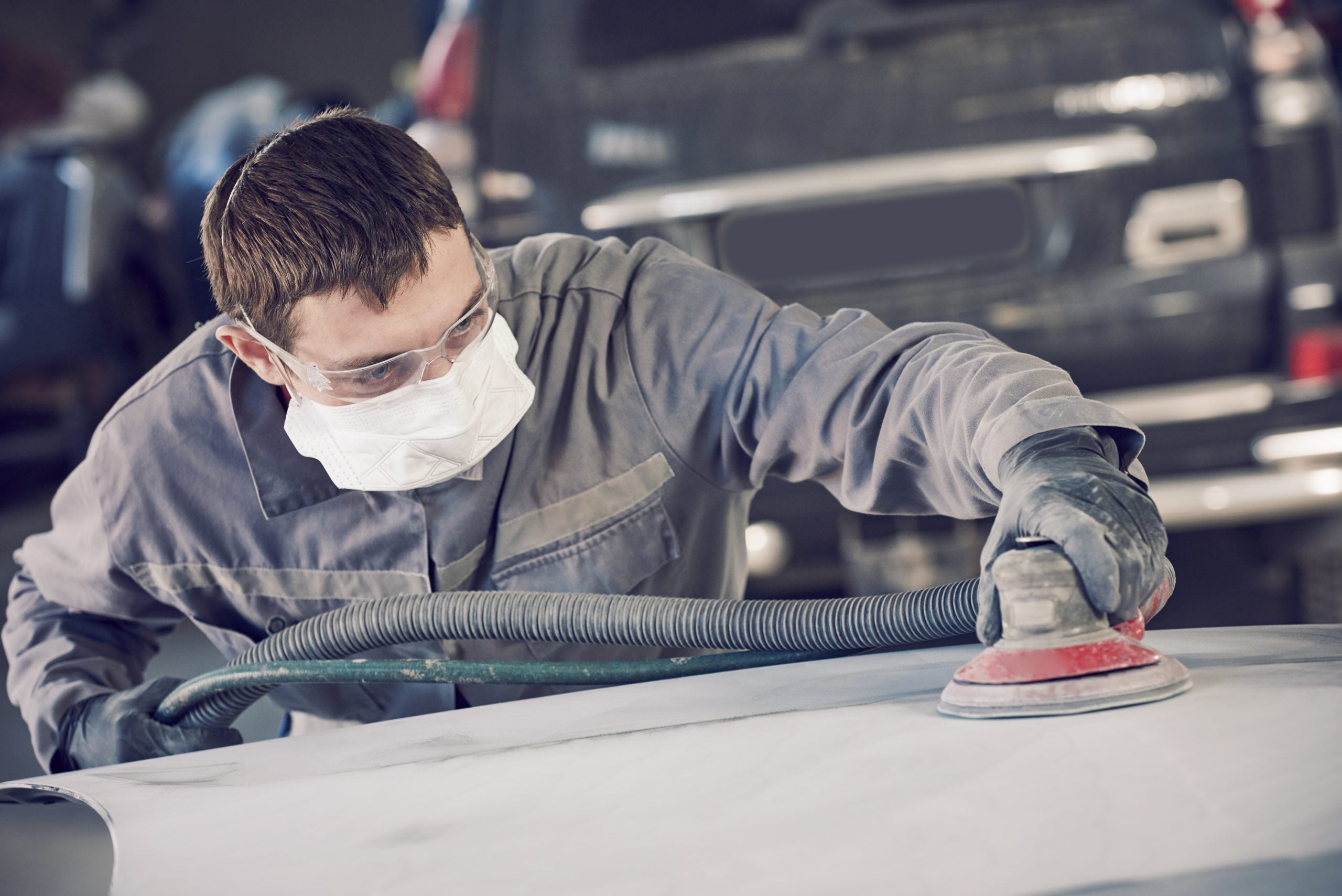
There's nothing worse than getting into a car crash: it's a scary event! But once you get out of your car and make sure all of the involved parties are okay, you come to the next hurdle: your car is damaged and needs repair. But how can you know which collision repair shop to choose? We recommend your local VW dealer! 3 Keys to Getting a Quality Collision Repair at a VW Dealer 1. Do Your Research If you go into a repair shop without doing prior research, then you're going to be vulnerable to having a bad experience. And you, the customer, have so many tools at your disposal to make sure that you're making an educated choice. Make sure you use them wisely! One way that you can research a repair shop is the oldest: asking around! You can ask your friends about their experiences at different body shops that they've been to, and if one of them had a spectacular experience you can go with their recommendation. And on the flip side, you can avoid any places that have a bad reputation. Luckily, your local Volkswagen is a place you can definitely trust and is going to have a great reputation! more 2. Ask The Right Questions One mistake that a lot of people make when they have work done on their car is that they're a bit nervous to ask too many questions. But after all, it's your car! So you should ask as many questions as you can so that you understand what's going on, and so that you can avoid any misunderstandings with the mechanics later on down the line. Any Volkswagen mechanic will be happy to settle all of your doubts. If you're not sure which questions you should be asking, you're not the only one. But one thing you should definitely ask is if the shop is ASE certified. Your Volkswagen dealer will be! Next, you might want to ask about ways to bring your car into the shop and if they have some form of transportation for you back home while you wait for the work to be finished. Of course, you should ask about how long the repair will take! 3. Check Your Car After the Repairs When the mechanics have finished their work on your vehicle, it's of the utmost importance that you look it over. Volkswagen mechanics are some of the best in the business, but accidents still happen! Make sure that the area that was repaired has no cracks or misalignments, and definitely check that the paint hasn't been scratched. The Volkswagen dealer's mechanics will be happy to fix it up and get you on your way! So if you need a quality repair shop, bring in your car to Tom Bush Volkswagen today!

Contact Us

Fill out this form below and we'll contact you shortly
*Required Fields