
How long do Volkswagens last when mileage, model, and maintenance history are considered together? A Volkswagen may reach 150,000 to 200,000 miles with steady care. Some vehicles travel farther, while others need costly repairs sooner. Therefore, an odometer reading cannot predict the remaining life of one car.
A clear answer starts with records, current condition, prior repairs, and the way the car was driven. Model year and powertrain also matter. In addition, a careful inspection can reveal wear that mileage alone cannot show. Owners should follow the maintenance schedule written for their exact Volkswagen.
Volkswagen Lifespan Across Popular Models
Volkswagen produces sedans, compact SUVs, larger SUVs, and hatchbacks. Each body style may face a different driving pattern. Therefore, one mileage estimate should not carry equal weight across every model.
A Jetta may spend much of its life commuting on highways or city streets. Smooth highway miles may place less strain on brakes than constant stop and go travel. However, service records still need close review. Oil changes, cooling work, tire wear, and transmission operation can shape the sedan’s future.
A Tiguan may carry passengers, cargo, and family gear through mixed driving. Therefore, shoppers should inspect tires, brakes, suspension parts, and available all wheel drive service records. Turbocharged engine care also deserves attention. A quiet test drive should include low speed turns, highway travel, and firm braking.
An Atlas carries more weight and may spend years handling family trips. As a result, tire wear, brake condition, suspension noise, and cooling history deserve a careful look. A shopper should also review towing history when the vehicle has a hitch or related equipment.
Golf models may serve as commuters, road trip cars, or compact cargo carriers. By contrast, GTI models may have seen more spirited driving. Both need clear oil, cooling, brake, and transmission records. GTI shoppers should also inspect tire wear and signs of modifications.
No single model earns a guaranteed mileage number. Instead, each Volkswagen should be judged through its records, condition, and upcoming service needs.
Is 100,000 Miles Too High for a Volkswagen?
No fixed mileage makes every Volkswagen a poor choice. A cared for car with 110,000 miles may present fewer concerns. A neglected car with 70,000 miles may present more. Therefore, 100,000 miles should begin a deeper review.
Below 60,000 miles, shoppers should confirm routine oil service, tire rotation, brake checks, and recall work. In addition, the vehicle should drive smoothly without warning lights, leaks, or unusual noises.
From 60,000 to 100,000 miles, more wear items may need attention. Tires, brakes, batteries, suspension parts, and fluids deserve close review. Furthermore, transmission service records may matter for certain model years and gearboxes.
Beyond 100,000 miles, the inspection should become more detailed. A technician can check for fluid leaks, worn mounts, cooling concerns, suspension play, stored fault codes, and uneven tire wear. Service invoices can also show whether larger repairs were completed.
Past 150,000 miles, repair timing matters as much as current mileage. A recent cooling repair, brake replacement, or suspension repair may reduce near term needs. However, missing records may leave major questions unanswered.
Maintenance Records That Support Volkswagen Longevity
Which records give the clearest view of remaining life? Service invoices, inspection reports, repair receipts, and model specific maintenance records provide the strongest evidence.
Volkswagen publishes maintenance information by model year and vehicle. Therefore, owners should use the schedule tied to their exact car. A general mileage chart cannot replace that source.
Several records deserve close attention:
- Oil service records show whether the engine received routine care at the expected times.
- Cooling and fluid records reveal whether age related service or repairs were completed.
- Transmission records show whether the gearbox received any required fluid service.
- Brake, tire, and suspension invoices reveal how the vehicle handled normal wear.
- Diagnostic and recall records show whether known concerns received attention.
Oil protects internal engine parts and turbocharger parts from heat and friction. Therefore, long gaps between oil changes deserve scrutiny. Cooling service also matters because steady temperature control protects many engine parts.
Transmission care varies by gearbox and model year. For this reason, shoppers should confirm the exact transmission before judging the records. A DSG, traditional automatic, and manual gearbox do not share one service plan.
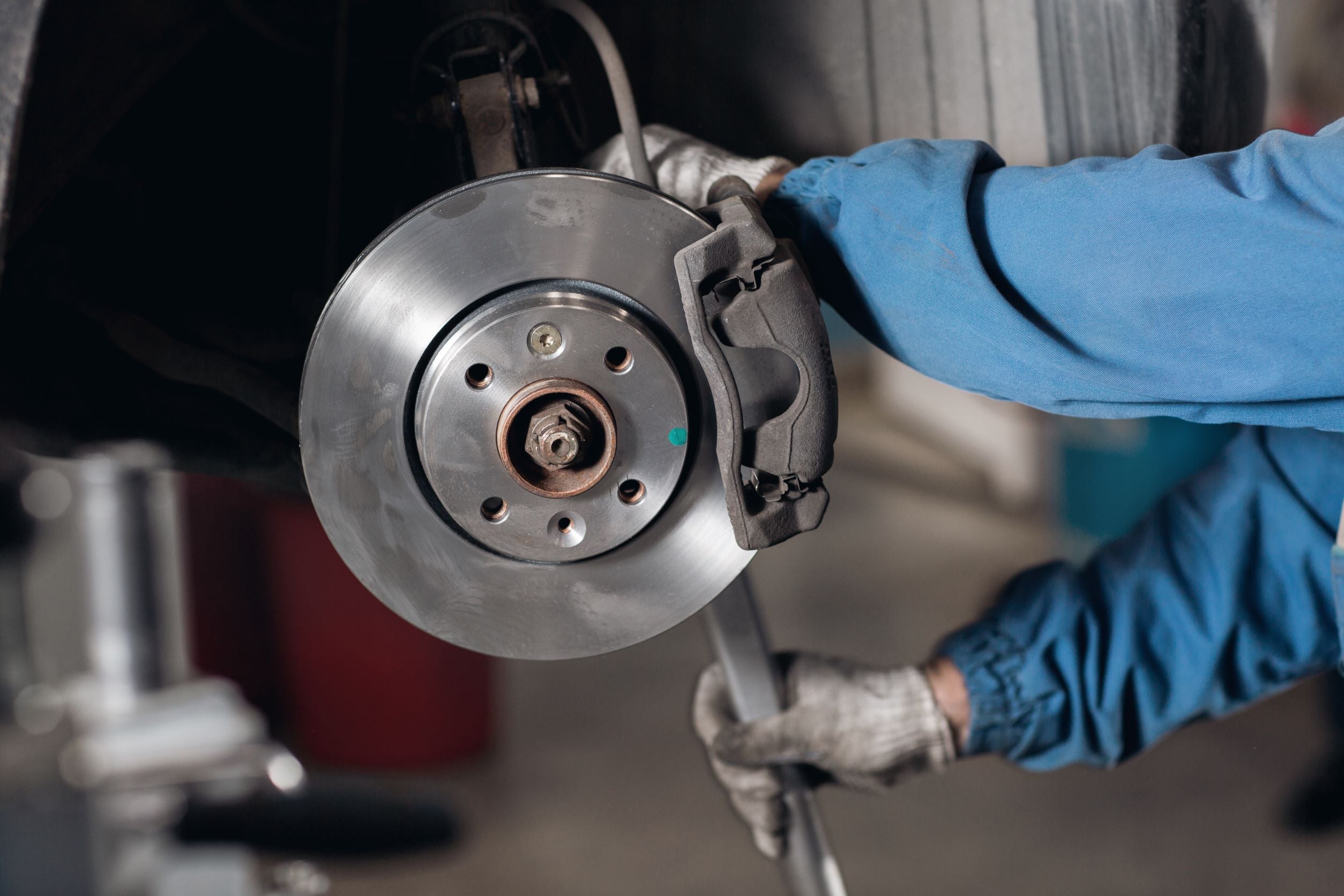
Tire wear can also reveal more than tread depth. Uneven wear may point to suspension wear, wheel concerns, or poor tire rotation history. Brake invoices may show whether the car received routine care or needed repeated repairs.
What Should You Check Before Buying a Used Volkswagen?
A used Volkswagen review should combine records, inspection findings, and a complete test drive. Mileage belongs in that review, but it should not control the whole decision.
Before purchase, ask these questions:
- Do the service dates and mileage entries form a clear history?
- Were major repairs completed by a qualified repair facility?
- Does the car start, idle, shift, steer, and brake smoothly?
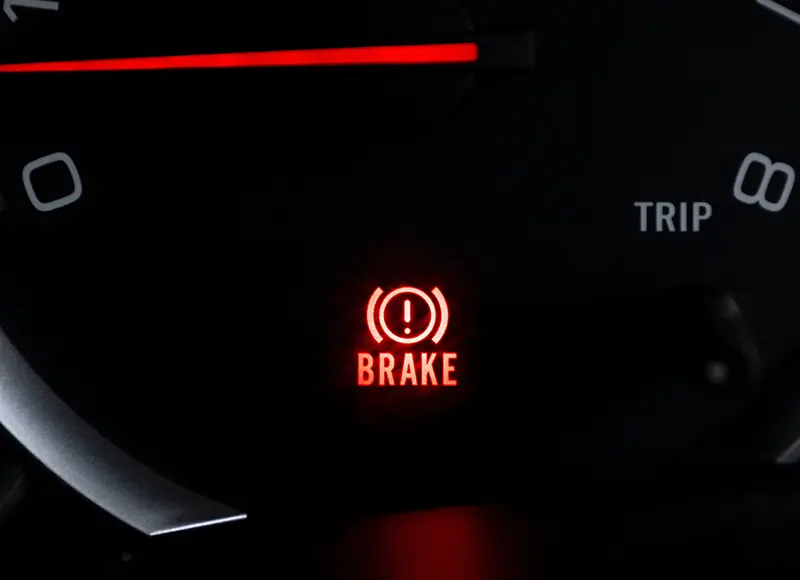
- Are any warning lights present or stored in the vehicle computer?
- Do tires show even wear across each tread?
- Does the vehicle have open recalls or missing ownership records?
A pre purchase inspection can uncover leaks, worn parts, prior damage, and stored faults. Therefore, it is useful even when the car appears clean. The inspection can also help estimate which repairs may arrive during the next year.
Certified Pre Owned status adds a documented inspection and program coverage. However, it does not promise an exact lifespan. Shoppers should still review the vehicle history report, warranty terms, service records, and current condition.
Test drive length also matters. A brief trip around a parking lot may hide concerns. Instead, drive at low speed, highway speed, and through several stops. Listen for suspension noise, feel for rough shifts, and check steering response.
Planning the Next Stage of Ownership
Current owners should compare upcoming service with their plans for the car. How many miles will they drive each year? How long do they plan to keep it? Which repairs are due soon?
A service visit can provide a current condition report. Therefore, owners can separate urgent repairs from items that may wait. That information supports a clearer keep or replace decision.
Used vehicle shoppers can compare available Volkswagen models through Tom Bush Volkswagen in Jacksonville. Certified Pre Owned choices may add inspection records and program coverage. In addition, a test drive can show how each vehicle feels before purchase.
Current owners can also contact the Tom Bush Volkswagen service department or schedule a visit online. A technician can review warning lights, fluid leaks, tire wear, brake condition, and upcoming maintenance.
Volkswagen longevity comes from more than one mileage number. Records, repairs, inspection findings, and continued care provide the clearest picture. Therefore, each shopper or owner should judge the exact vehicle in front of them.