

When your Volkswagen needs a replacement part, the decision often comes down to one question. Should you choose OEM or aftermarket. The answer is not just about price. It is about how your vehicle is engineered to function as a complete system. Every Volkswagen is built with precise tolerances, calibrated components, and integrated technology. The parts you choose directly affect how those systems perform, how long they last, and how confidently you can rely on your vehicle day to day.
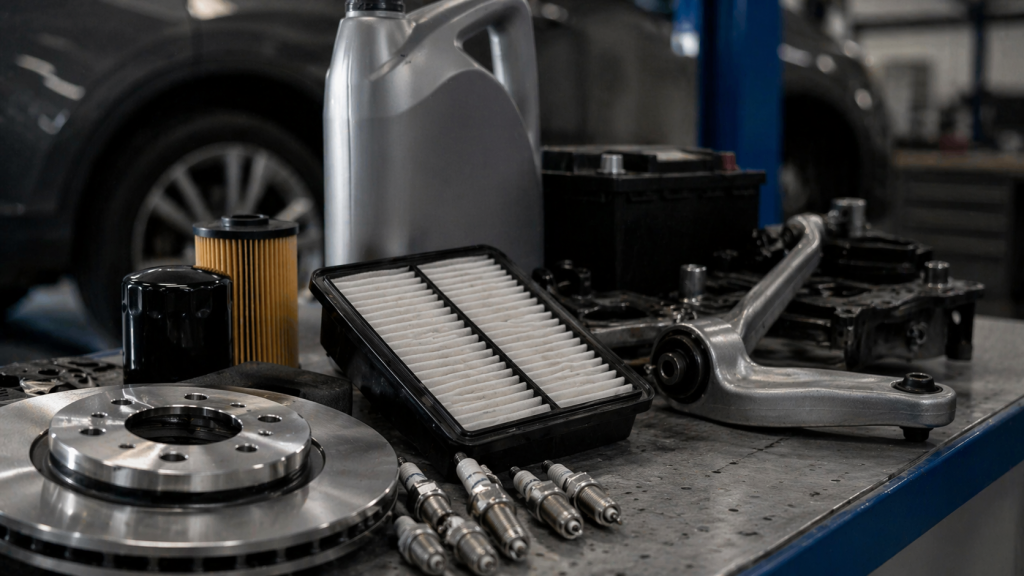
Understanding the difference between OEM and aftermarket Volkswagen parts requires looking beyond the surface. It means understanding how components are designed, how they interact with the vehicle, and what that means for long term ownership.
How Volkswagen OEM Parts Are Engineered for System Compatibility
Are OEM Volkswagen parts better than aftermarket. OEM parts are components designed and manufactured specifically for Volkswagen vehicles to match exact engineering specifications and system requirements.
Volkswagen engineers every vehicle as a connected system. Components such as sensors, braking systems, engine parts, and electronic modules are all designed to work together within defined tolerances. OEM parts are built using the same specifications, materials, and testing standards as the original components installed at the factory.
From a system perspective, this means:
Read the rest of this entry »Volkswagen Service Transparency: How Diagnostics, Estimates, and Repair Verification Work
When something feels off in your Volkswagen, the first step is not replacing parts. It is understanding what the vehicle is telling you. Modern Volkswagen vehicles are built around interconnected systems that monitor performance in real time. When an issue occurs, the vehicle generates data. The diagnostic process is how that data is interpreted, tested, and confirmed before any repair is made.
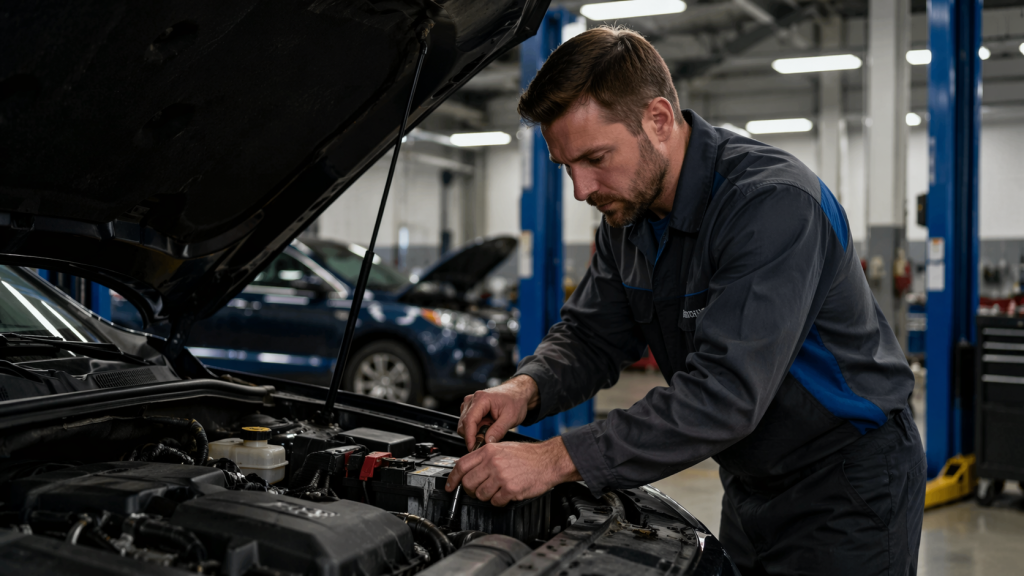
For many drivers, the biggest frustration is not the repair itself. It is the uncertainty around what is being done and why it costs what it does. Understanding how Volkswagen diagnostics, estimates, and repair verification work removes that uncertainty and shows how the process is designed to deliver accurate results the first time.
How does a Volkswagen diagnostic test work
A Volkswagen diagnostic test is a structured process that uses vehicle data, system testing, and technician analysis to identify the root cause of an issue. It begins with a scan, but it does not end there.
Volkswagen vehicles use onboard sensors and control modules to monitor systems such as the engine, transmission, braking, and emissions. When something operates outside expected parameters, the system stores a fault code.
The scan tool retrieves these codes, but a code is not a diagnosis. It is a starting point.
From a system perspective:
Read the rest of this entry »Volkswagen Tiguan Lease Guide: Payment Structure, Mileage Options, and What Impacts Monthly Cost
Leasing a Volkswagen Tiguan is not just about the monthly number you see. It is about how that number is built. Every lease payment is calculated using a structured system that reflects how the vehicle will be used, how much value it will retain, and how long you plan to drive it.
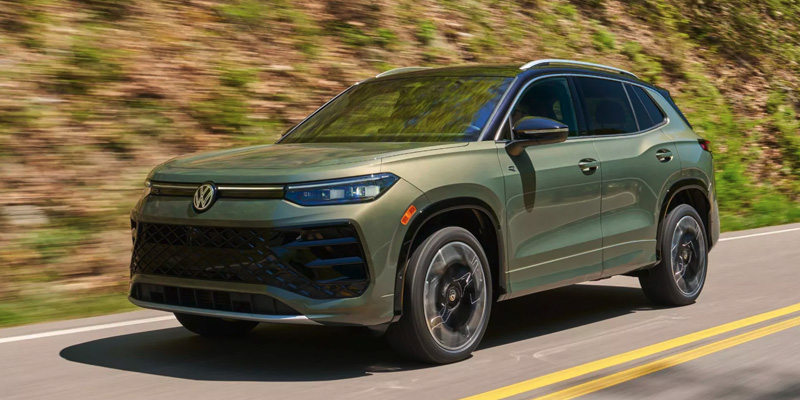
Volkswagen approaches this with the same philosophy it applies to its vehicles. Clear engineering, practical design, and real-world usability. The Tiguan lease structure follows that same logic. It is designed to balance flexibility, cost control, and predictable ownership experience.
Understanding how each part of the lease works is what allows you to evaluate your options with confidence instead of guessing at the monthly payment.
How does a Volkswagen Tiguan lease work
A Volkswagen Tiguan lease works by calculating how much of the vehicle’s value you will use during your lease term. This is called depreciation, and it forms the foundation of your monthly payment.
At a system level, a lease payment is built using three core components:
Read the rest of this entry »Volkswagen Maintenance Plan Cost Guide — Coverage, Value, and Long Term Ownership Benefits
Owning a vehicle involves more than the initial purchase price. Long term ownership costs include routine maintenance, scheduled inspections, and replacement of service components over time. Drivers researching Volkswagen maintenance plans often want to understand how prepaid maintenance works, what services are included, and whether locking in maintenance coverage can reduce the unpredictability of future service expenses.
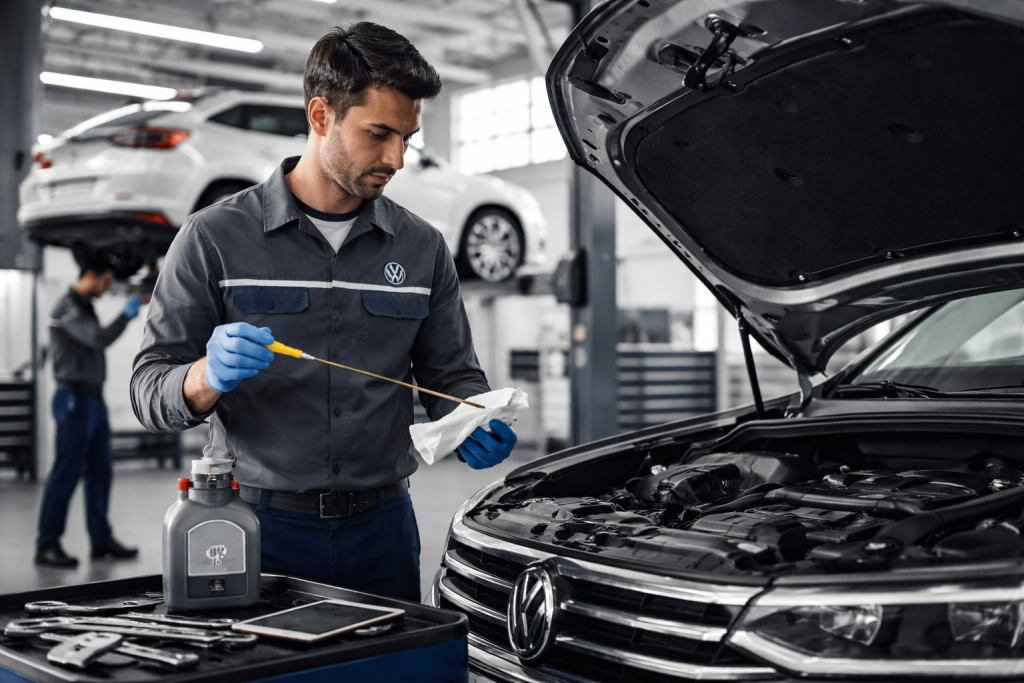
Volkswagen offers prepaid maintenance options designed to cover factory recommended service intervals using Volkswagen trained technicians and Genuine VW Parts. Understanding how these plans work helps drivers evaluate whether a prepaid maintenance plan fits their ownership strategy and how it compares with paying for service individually as maintenance needs arise.
A closer look at how Volkswagen maintenance plans are structured explains why many drivers consider prepaid maintenance when planning long term vehicle ownership.
How Volkswagen Maintenance Plans Work
Many drivers researching Volkswagen ownership ask what a Volkswagen maintenance plan actually includes and how prepaid scheduled maintenance differs from paying for each service visit individually. A Volkswagen prepaid maintenance plan is a service contract that covers the cost of specific factory recommended maintenance intervals in advance.
Vehicle manufacturers define scheduled maintenance intervals based on mileage and operating conditions. These intervals are designed to ensure that key vehicle systems continue to operate properly throughout the life of the vehicle.
Read the rest of this entry »2026 Volkswagen Golf GTI Performance Guide — Power, Handling, and Engineered VW Precision
For decades the Volkswagen Golf GTI has represented one of the most recognizable examples of the modern hot hatch. Drivers searching for the 2026 Volkswagen Golf GTI are usually trying to understand more than just horsepower numbers. They want to know how the GTI produces quick acceleration, why it feels so composed in corners, and how Volkswagen engineering continues to balance everyday usability with enthusiast-level performance.
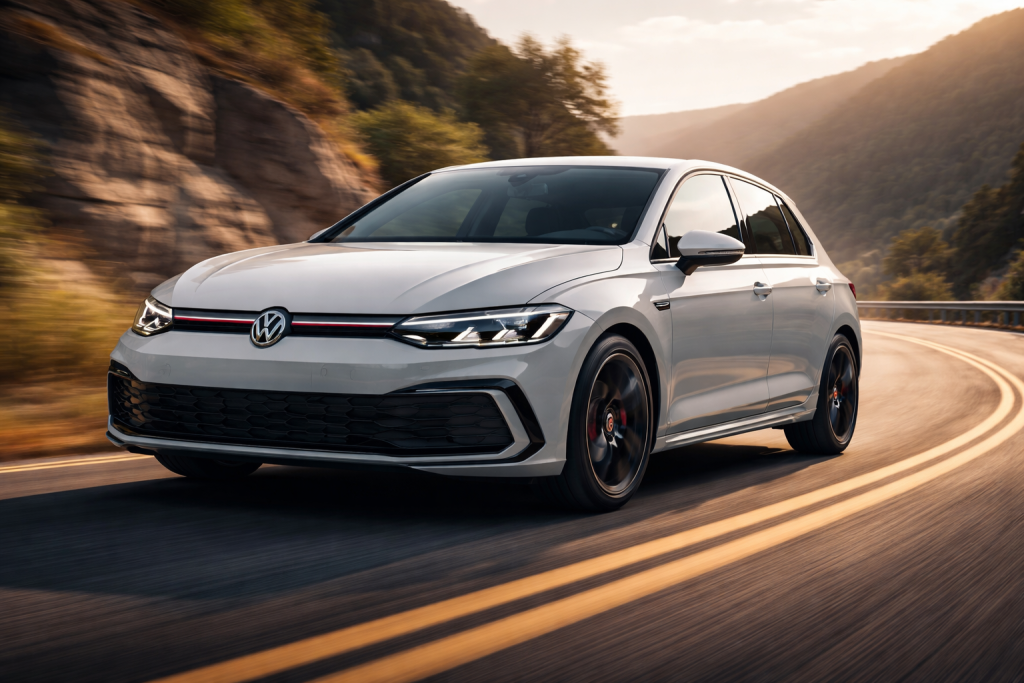
The appeal of the 2026 Volkswagen Golf GTI comes from a combination of mechanical systems working together rather than a single performance figure. Turbocharged power delivery, electronically controlled traction systems, precise chassis tuning, and adaptable suspension technology all contribute to the GTI’s reputation as a performance car that remains practical enough for daily driving.
Understanding how these systems work helps explain why the GTI continues to stand out in the hot hatch segment.
Turbocharged Power Delivery in the 2026 Volkswagen Golf GTI
Many shoppers researching the 2026 Volkswagen Golf GTI ask what engine the vehicle uses and why the GTI feels responsive even at everyday speeds. The 2026 Volkswagen Golf GTI uses a turbocharged 2.0 liter four cylinder engine designed to produce strong torque across a broad range of engine speeds.
Turbocharging increases engine output by compressing incoming air before it enters the combustion chamber. This process allows the engine to burn more fuel efficiently during each combustion cycle, producing more power from a relatively compact engine displacement.
The 2026 Volkswagen Golf GTI turbocharged engine delivers strong low end torque, which plays an important role in how the car feels in real world driving. Instead of requiring high engine speeds to produce power, the GTI engine generates meaningful pulling force earlier in the rev range.
For drivers, this creates several noticeable benefits:
Read the rest of this entry »Volkswagen APR & Lease Options for 2026: Understanding Rates, Residual Value, and Smart VW Financing Choices
When drivers begin researching a new vehicle purchase, one of the most important questions quickly becomes how to structure the financing. Many shoppers exploring Volkswagen vehicles in 2026 are comparing promotional APR offers, lease programs, and manufacturer incentives to understand how each option affects their monthly payment and long term ownership costs. While advertisements often highlight attractive rates or lease payments, understanding the financial structure behind these programs helps drivers make more informed decisions.

Volkswagen financing programs are designed to make vehicle ownership accessible and transparent, reflecting the brand’s commitment to practical innovation and dependable mobility for everyday drivers. Financing structures such as APR loans and lease programs allow buyers to select an approach that aligns with their driving habits, budget goals, and long term vehicle plans.
Learning how APR, residual value, incentives, and lease structures work provides clarity when evaluating Volkswagen financing choices.
How Volkswagen APR Financing Works
Many drivers researching Volkswagen APR offers ask how interest rates influence the total cost of financing a vehicle.
Annual Percentage Rate, or APR, is the interest rate applied to an auto loan that determines the cost of borrowing money to purchase the vehicle. The APR represents the yearly interest charged on the remaining loan balance over the life of the loan.
With Volkswagen APR financing programs, buyers borrow the cost of the vehicle and repay the loan through monthly installments over a set period, often between 36 and 72 months. Each monthly payment includes two components: repayment of the loan principal and interest charged by the lender.
The loan term plays a major role in how APR affects the total cost of financing. A shorter loan term results in higher monthly payments but reduces the total interest paid over time. A longer loan term lowers monthly payments but increases the amount of interest paid across the life of the loan.
When evaluating Volkswagen APR financing offers, drivers often compare several factors:
Read the rest of this entry »2026 Volkswagen Atlas Cross Sport Buyer’s Guide – Style, Comfort, and VW Performance Engineering
The midsize SUV segment continues to evolve as drivers look for vehicles that combine practicality with modern design. Many shoppers researching the 2026 Volkswagen Atlas Cross Sport are trying to understand how this SUV balances sleek coupe inspired styling with everyday comfort, performance, and cargo versatility. The Atlas Cross Sport is designed for drivers who want the space and capability of a midsize SUV without sacrificing modern design and responsive engineering.
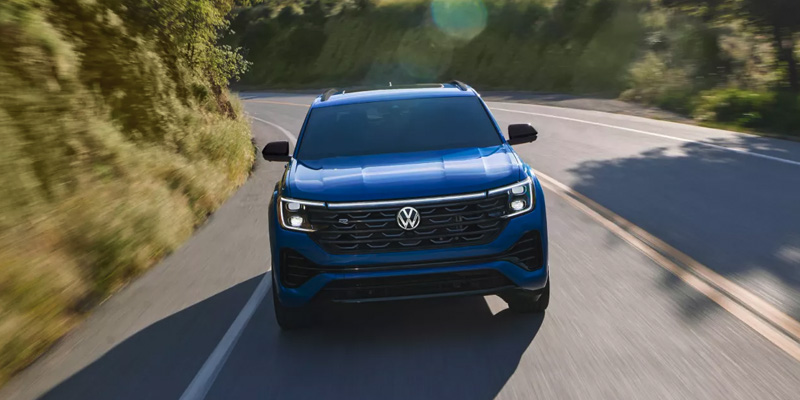
Volkswagen approaches vehicle development with a focus on real world usability and thoughtful engineering. Vehicles are designed to deliver dependable mobility while integrating technology and efficiency in ways that support everyday driving. This philosophy reflects the brand’s commitment to accessible innovation and human centered mobility.
Understanding how the Atlas Cross Sport engine, drivetrain, interior layout, and digital technology work together helps shoppers evaluate whether this SUV fits their driving needs.
Turbocharged Engine Performance in the 2026 Volkswagen Atlas Cross Sport
Many drivers researching the 2026 Volkswagen Atlas Cross Sport ask what engine powers the SUV and how a turbocharged engine improves performance.
A turbocharged engine is an internal combustion engine that uses exhaust driven turbines to compress incoming air before it enters the combustion chamber. By forcing more air into the engine cylinders, the engine can burn more fuel and generate greater power without increasing engine size.
Read the rest of this entry »Volkswagen Maintenance Plan Cost Guide – Coverage, Value, and Long-Term Ownership Benefits
Planning for vehicle ownership costs is as important as choosing the right model. Volkswagen maintenance plans are built to remove uncertainty by bundling factory scheduled service into a predictable structure that aligns with how modern Volkswagen vehicles are engineered to operate. Rather than reacting to service needs as they arise, these plans support consistent care that protects performance, reliability, and long-term value.
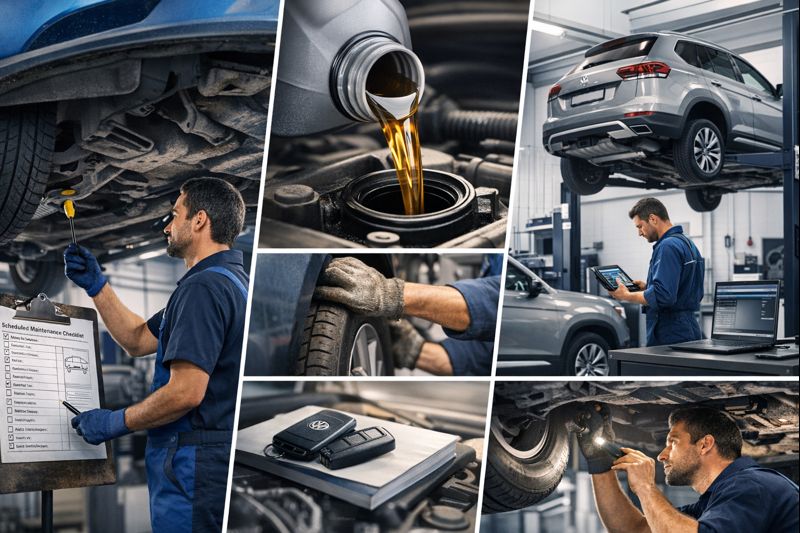
This guide explains what Volkswagen maintenance plans typically cover, how costs compare to pay-as-you-go service, and why OEM-backed maintenance matters over years of ownership.
What Volkswagen Maintenance Plans Typically Cover
Volkswagen maintenance plans focus on scheduled services required at specific mileage or time intervals. These intervals are determined by engineering requirements tied to lubrication cycles, component wear patterns, and system calibration.
Common coverage areas include:
- Oil and filter changes using Volkswagen-approved oil specifications
- Tire rotations designed to maintain even wear and handling balance
- Multi-point inspections covering brakes, suspension, steering, and cooling systems
- Cabin air filter replacement tied to HVAC efficiency and air quality
- Factory scheduled service checks outlined in the owner’s manual
These services are designed to keep critical systems operating within intended tolerances rather than addressing issues after wear has occurred.
Read the rest of this entry »2026 Volkswagen Golf GTI Performance Guide – Power, Handling, and Engineered VW Precision
The 2026 Volkswagen Golf GTI continues a performance formula built on precision rather than excess. It is engineered for drivers who value control, responsiveness, and repeatable performance in real world conditions. Rather than chasing headline numbers, the GTI focuses on how power is delivered, how the chassis communicates, and how the car behaves when driven every day as well as when pushed.
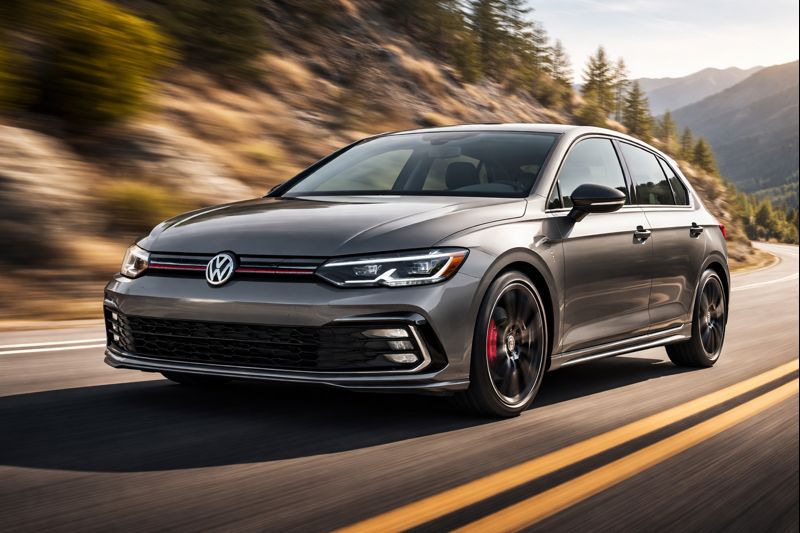
This guide explains how the GTI is engineered, why it feels balanced behind the wheel, and what performance minded shoppers should evaluate when considering it in the modern hot hatch landscape.
Engine Design and Power Delivery
At the heart of the GTI is a turbocharged engine tuned to deliver usable performance across a wide operating range. Volkswagen engineers prioritize mid range torque and throttle response rather than peak horsepower alone.
Key engine characteristics include:
- Strong torque delivery at everyday driving speeds
- Linear power build that supports smooth acceleration
- Throttle calibration designed for precision rather than abrupt response
- Power output that remains accessible without constant high revs
This tuning allows the GTI to feel quick in normal driving while remaining composed under sustained load.
Read the rest of this entry »Volkswagen APR in 2026: What Jacksonville Buyers Should Know About Rates, Incentives, and Value
Financing a vehicle in 2026 requires more than scanning a headline APR. For Jacksonville buyers considering a new Volkswagen, understanding how APR, incentives, credit qualification, and loan structure work together is what determines real value over time. Volkswagen financing is designed to offer stability and transparency, but knowing how to evaluate the options puts buyers in control of the decision rather than reacting to short term promotions.

This guide explains how Volkswagen APR works, how incentives affect financing outcomes, and what shoppers should evaluate before choosing a loan structure.
What APR Really Represents
APR is the total cost of borrowing expressed as an annual rate. It reflects interest over time rather than just a monthly payment. Two loans with similar payments can produce very different total costs depending on APR and term length.
Key APR fundamentals include:
- Lower APR reduces total interest paid over the life of the loan
- Longer loan terms lower monthly payments but increase total interest
- Shorter terms raise payments but reduce borrowing cost
- APR applies to the financed balance, not the vehicle price alone
Understanding APR means looking beyond payment and evaluating what the loan costs in full.
Read the rest of this entry »Connect with us


Recent Blog Entries
- OEM vs Aftermarket Volkswagen Parts: Fitment, Warranty, and Long Term Cost Differences
- Volkswagen Service Transparency: How Diagnostics, Estimates, and Repair Verification Work
- Volkswagen Tiguan Lease Guide: Payment Structure, Mileage Options, and What Impacts Monthly Cost
- Volkswagen Maintenance Plan Cost Guide — Coverage, Value, and Long Term Ownership Benefits
- 2026 Volkswagen Golf GTI Performance Guide — Power, Handling, and Engineered VW Precision