

VW Tire Rotation & Alignment Cost Jacksonville FL
See Volkswagen service availability in Jacksonville for tire rotation and alignment based on your vehicle condition
Schedule a tire inspection and alignment check to catch uneven wear or steering issues early
Call to discuss Volkswagen tire service cost, alignment timing, and what your vehicle currently needs
| Sales | ||
| Day | Open | Closed |
| Monday | 9:00AM | 8:00PM |
| Tuesday | 9:00AM | 8:00PM |
| Wednesday | 9:00AM | 8:00PM |
| Thursday | 9:00AM | 8:00PM |
| Friday | 9:00AM | 8:00PM |
| Saturday | 9:00AM | 7:00PM |
| Sunday | Closed | Closed |
Volkswagen Tire Rotation and Alignment Cost in Jacksonville for Drivers Focused on Tire Life, Safety, and Long-Term Maintenance Value
Understanding the cost of tire rotation and wheel alignment is not only about price. It is about how these services protect tire life, maintain safety, and reduce long-term ownership costs. Many Jacksonville drivers begin researching alignment after noticing uneven wear or steering pull, while others are trying to prevent early tire replacement. The difference between these two services, and when each is required, plays a direct role in how your vehicle drives and how long your tires last.
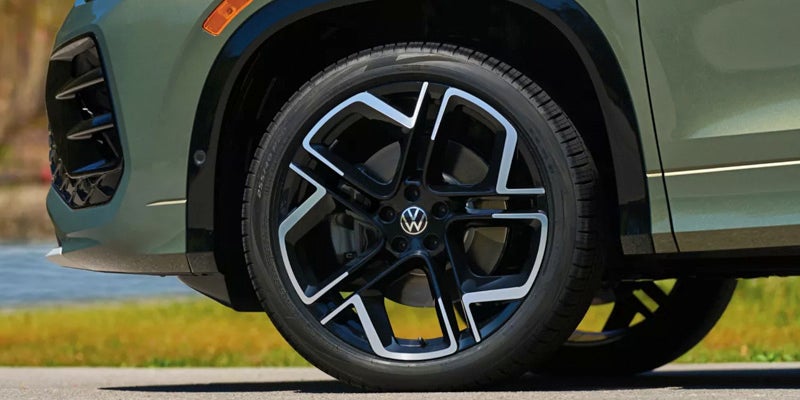
What Does a Tire Rotation and Alignment Cost in Jacksonville
The cost of tire rotation and alignment depends on the condition of the vehicle, the type of alignment required, and the level of precision involved in calibration. A tire rotation is typically a maintenance service focused on evenly distributing wear across all four tires. A wheel alignment is more technical, requiring adjustment of suspension angles to restore proper tire contact and steering tracking.
How this affects ownership is tied to how often these services are performed proactively rather than reactively. When it matters most is before uneven wear becomes severe enough to shorten tire lifespan. Drivers should evaluate whether they are maintaining tire health consistently or waiting until performance and safety begin to decline.
Tire Rotation vs Alignment: What’s the Difference and When You Need Each
Tire rotation and alignment serve different purposes, and understanding that difference helps prevent unnecessary wear and expense. Rotation moves tires between positions on the vehicle to ensure even wear patterns. Alignment adjusts the angles of the wheels so they meet the road correctly.
- Tire rotation: Maintains even wear across all tires and extends overall lifespan
- Wheel alignment: Corrects steering direction and ensures proper tire contact with the road
When it matters most is during routine maintenance intervals or when symptoms appear. Drivers should evaluate if they are experiencing uneven tread wear, pulling, or instability, which indicates alignment is needed in addition to rotation.
How Wheel Alignment Works and Why It Affects Tire Wear
Wheel alignment involves adjusting three key angles: camber, toe, and caster. These measurements determine how the tire contacts the road surface. If any of these angles are outside of specification, the tire will not wear evenly, and the vehicle may not track straight.
How this works in ownership is simple. Incorrect alignment causes one part of the tire to wear faster than the rest. When it matters most is during highway driving and daily commuting where stability and consistent handling are required. Drivers should evaluate how their vehicle tracks on straight roads and whether steering correction is needed to maintain direction.
What Happens If You Delay Alignment or Rotation
Delaying alignment or rotation can increase long-term costs significantly. Uneven wear shortens tire lifespan, which leads to earlier replacement. In many cases, replacing a full set of tires costs far more than maintaining proper alignment and rotation schedules.
- Increased tire replacement frequency: Uneven wear reduces usable tread life
- Reduced safety: Poor alignment impacts braking and handling stability
- Lower fuel efficiency: Improper alignment increases rolling resistance
When it matters most is during long-term ownership where small maintenance delays create larger expenses. Drivers should evaluate whether skipping alignment is actually saving money or increasing future costs.
Why Volkswagen Alignment Precision Matters More Than Generic Service
Volkswagen vehicles are engineered with specific alignment tolerances that require accurate calibration. Generic alignment services may not account for manufacturer specifications or the precision required for optimal performance.
How this affects ownership is tied to consistency. Proper alignment ensures the vehicle drives as intended, maintains tire integrity, and supports safety systems. When it matters most is after suspension changes, tire replacement, or impact with road irregularities. Drivers should evaluate whether they want a general adjustment or alignment performed to Volkswagen-specific standards.
When Jacksonville Drivers Should Schedule Tire Service
Jacksonville driving conditions, including daily commuting, highway travel, and road surface variation, can accelerate tire wear and alignment drift. Regular inspection helps identify issues early before they affect performance.
- Every 5,000 to 7,500 miles: Recommended interval for tire rotation
- After noticing steering changes: Pulling or instability indicates alignment issues
- After tire replacement or impact: Alignment should be checked to maintain proper setup
Drivers should evaluate service timing based on driving patterns rather than waiting for visible damage. Proactive maintenance supports longer tire life and consistent driving performance.
(Note: This article focuses on providing valuable information and does not mention specific pricing, for more information about financing and car buying, please reach out to our dealership.)